If you’ve just started a new content role, there’s a good chance you’ve inherited a blog in some state of chaos.
Posts published across three or four years by different people with different strategies. A dozen variations on the same topic, none of them ranking well because they’re cannibalising each other. No clear picture of what’s performing, what’s dead weight, and what’s dragging the whole library down.
Or maybe you’ve been in the role a while.
Traffic on posts that used to perform is slowly declining. Rankings slipping. Content sitting untouched for two years with outdated stats and examples that date it immediately – and no bandwidth to fix it because you’re too busy publishing new stuff.
Both are more common than they should be, and both come down to the same thing: a content library that’s never been properly audited.
A tight, regularly audited and refreshed content library will outperform a massive neglected one every time – for SEO, for AI search visibility, and for the actual human who lands on your content and decides in about three seconds whether to trust you (or not).
This free content audit template for Excel and Google Sheets gives you everything you need to run that regular audit process.
How to use this content audit template to run a regular content audit process
This content audit template is set up for Excel or Google Sheets, and has two tabs:
A how to use tab with setup instructions
The main content audit tab where you run the audit itself. The audit tab is colour-coded by section – content details, performance, qualitative evaluation, and action – so it’s easy to navigate even when you’re working across a lot of URLs.
Here’s what each section of the main content audit tab covers and how to approach it.
First, go to File > Make a copy to save your own editable version in Google Drive.
The template is view-only until you do this – otherwise you’d be editing it for everyone who’s using the template!
Step 2: Set your content audit objectives
Before you start filling anything in, decide what you’re auditing and why.
Are you primarily looking at SEO performance? Content quality? ICP alignment?
Your goal will shape which columns of this content audit template are actually useful for you – the template is built to be adjusted, so delete or hide anything that isn’t relevant to what you’re trying to achieve.
Step 3: Build your URL inventory
List every piece of content you want to audit – one row per URL.
For most teams that means all blog posts plus any key landing pages with SEO impact.
If you’ve inherited a large library and don’t know where to start, export a full URL list from Google Search Console or a tool like Screaming Frog.
For each piece, fill in the content details columns: content type, target keyword, date published, date last updated, and funnel stage.
Funnel stage is worth getting right at this point – it shapes how you interpret the performance data in the next step, and how you evaluate whether a piece is actually doing its job.
Step 4: Pull your content performance data
Performance data is a must to understand what’s working, and what isn’t quite having the impact it could be.
First add search volume and keyword difficulty from your SEO tool (Ahrefs or Semrush) for each target keyword. This is your potential column – it tells you whether a piece is worth investing in, and how existing performance compares to the potential of that piece.
The performance section in this content audit template is split into last 3 months and previous 3 months, so you can see trend rather than just a flat total – because a piece with 300 clicks last quarter and 300 the quarter before is a very different situation to a piece with 200 clicks last quarter and 400 the quarter before, but both look the same in an annual total.
Export from Google Search Console for organic clicks, impressions, and average position.
Export from Google Analytics for page views and time on page.
The template also has columns for AI referrals – traffic from ChatGPT, Perplexity, Claude – which is worth tracking now if you want a baseline for how AI search visibility develops over time.
The change % columns calculate automatically once you’ve filled in both periods, giving a snapshot view of how performance is trending to help you prioritise actions.
Step 5: Complete the qualitative evaluation
The performance data tells you how a piece is doing. This section tells you why – and whether it’s worth investing in for your overall content strategy.
Before you evaluate, check the funnel stage you assigned in the content details section.
A TOFU post exists to build awareness – judging it by conversion rate might not give you the full picture. On the other hand, a BOFU post with relatively low traffic might still be one of your most valuable pieces if it’s converting the right people. Knowing what a piece is supposed to do shapes how you interpret everything else in this section.
For each piece, use the dropdowns to score across four criteria:
ICP alignment – does this piece speak directly to a known pain point for your ideal customer? A post that drives traffic from entirely the wrong audience isn’t actually an asset.
Search intent match – does the content answer what someone searching this keyword actually wants? A post can rank and still have a search intent mismatch, which is usually why conversion rates are poor.
Demonstrates EEAT – does it show experience, expertise, authoritativeness, and trustworthiness? No author bio, no original data, no external links to credible sources – these are all signals that a piece needs work to rank effectively.
Unique value – does it offer something your ICP can’t easily find elsewhere? Original POV, proprietary data, research depth, expert insights. If your competitors could write the same piece ten times over, it’s probably not worth its spot in your content library.
Add notes in the adjacent columns wherever useful. A piece that scores Partial across the board needs a different action to one that scores Yes on everything but is just outdated.
Step 6: Assign an action
For each piece, use the recommended action dropdown:
Keep – high quality, performing well, nothing needed
Update/refresh– valuable content that’s outdated, declining, or could be stronger
Consolidate – two or more posts covering the same topic that would be stronger merged to reduce cannibalisation
Remove + redirect – obsolete content that’s noise without value.
Step 7: Work through the actions
Finally, work through those actions to improve your overall content library.
Prioritise based on traffic potential and effort. A piece ranking at position 8-15 for a keyword with decent search volume that closely matches your ICP – especially one that used to rank higher – is usually your best starting point. A refresh can move the needle quickly because the page already has authority.
Use the priority dropdown (P1 = high, P2 = medium, P3 = low), assign an owner, and use the status column to track progress.
Filter by recommended action or priority to create a focused working list rather than trying to action everything at once.
Then, redo this content audit at least every 12 months – ideally I’d suggest every 6 months, and every quarter for your best-performing content – to keep a tight, fresh, high-performing content library forevermore.
I work with B2B startups on all things content strategy, advice, and writing – get in touch to chat about what working with me on a content audit (and refreshes if you need them too) would look like for your company.
FAQs
What is a content audit?
A content audit is a structured review of your existing website and blog content. You’re evaluating every piece against performance data and qualitative criteria to decide what to keep, update, consolidate, or remove. The goal is a tighter, higher-quality content library that performs better for both search and readers.
Why is a content audit useful?
A content audit gives you a clear picture of what’s working, what’s declining, and what’s cannibalising other content. Without one, it’s easy to keep publishing new content while ignoring underperforming posts that are dragging the library down – or to have multiple posts competing for the same keyword without realising it.
How often should you do a content audit?
At minimum once a year. If you’re in a new role, it should be one of the first things you do – before you build a content plan, before you start publishing anything new. For high-traffic content, a lighter quarterly check-in on your top performers is worth building into your workflow too.
What is a content SEO audit?
A content SEO audit focuses specifically on how your content is performing in organic search – rankings, clicks, impressions, keyword coverage, search intent match.
What do you learn from a content audit?
Which content is driving traffic and which isn’t. Which posts are declining and why. Where you have keyword cannibalisation. Whether your content is actually serving your ICP or just generating irrelevant traffic. What needs a refresh versus what should be removed entirely. And where your biggest quick wins are.
What tools do you need for a content audit?
Google Search Console and Google Analytics are the essentials — both are free. An SEO tool like Ahrefs or Semrush is useful for keyword search volume and difficulty data. Beyond that, you need a template to work from – you can download a free content audit template for Excel and Google Sheets from Tabitha Whiting here.
What’s the difference between a content audit and a content strategy?
A content audit looks at what you already have. A content strategy decides what you’re going to create next. If you’re new-in-role inheriting an existing content library the audit should come first – it tells you what’s worth building on, what gaps exist, and what your content is actually doing before you start planning what to add to it.
A few weeks in, you sat down and wrote a content strategy. It covered your goals, your audience, your channels, your voice. You got sign-off from the leadership team.
Then reality kicked in.
And gradually, your carefully written strategy document got buried somewhere in Google Drive while your content calendar filled up with things that don’t quite hang together.
Most content strategy templates jump straight to formats and channels without building the foundational layer that tells you whether an idea fits or not.
The template below does it differently. It starts with the principles and narratives that make for content that’s truly valuable to your audience, and it’s been refined over my several years of building content functions at early-stage B2B startups.
What the B2B content marketing strategy template includes
The template comes in two versions – Google Docs/Word for detailed planning, and Google Slides/PowerPoint for presenting to stakeholders – and covers six sections.
Here’s what each one is for, and why it’s there.
Of course, if there are any additional aspects you need to add to answer the questions you know your stakeholders will have, add them in – it’s the base template that I think every content strategy should cover, but every company is different.
1. Content goals
One or two goals that define what your content is actually trying to achieve – specific and measurable enough that you can tell whether what you’re creating is working.
In B2B, content goals typically sit somewhere on the spectrum between demand creation (building brand authority and audience) and demand capture (generating leads and supporting sales).
Most companies need both, but in different proportions depending on where they are. Getting clear on that balance upfront means every future content decision has a reference point.
2. Target audience analysis
A detailed picture of who you’re creating content for – job title and company size, yes, but also the channels they actually use, the formats they genuinely engage with, and the pain points they’re actively trying to solve.
Don’t rely on assumptions here, talk to your audience, and find out where they get their information and what’s keeping them up at night – it’s the difference between flat content and content that really resonates.
B2B audiences are often multiple people: the champion who finds and shares your content, and the decision-makers who need to be convinced – so include all the audiences you need to engage with content to meet your content goals.
3. Content principles
Three to five non-negotiables that define how you approach content creation – the quality bar you hold everything to, your stance on things like AI use or expert voices, how you think about differentiation. The kind of decisions that should be made once and then just applied, rather than relitigated every time a new piece gets briefed in.
For B2B startups, this tends to be the section that most directly relates to brand voice –– because principles like “every piece should include an expert perspective” or “we lead with audience problems, not product features” are what make content feel consistent even when different people are creating it.
4. Core narratives
The foundational beliefs that should run through everything you create – your B2B company’s view on the market you operate in, and what you want your audience to do or feel differently because of your content.
Most B2B content strategies skip this entirely and go straight to topics.
That’s why so much B2B content feels like it could’ve been written by anyone – there’s no coherent perspective holding it together. Core narratives are what turns random acts of content into a recognisable brand voice.
5. Content production plan
Your topic pillars, formats, channels, and cadence. This is where the strategy connects to actual output in your content calendar.
For B2B startups, picking two or three pillars, formats, and channels where you can build depth beats covering ten topics shallowly.
The format of this B2B content marketing strategy template forces that prioritisation: if you can’t explain which goal a format serves and why it fits your audience, it probably shouldn’t be in the plan.
6. Success metrics
The specific things you’ll measure to know whether the strategy is working, tied directly back to the goals you set in section one.
This B2B content marketing strategy template prompts you to pick a small number of metrics that directly connect to your goals – fewer things tracked well, rather than a dashboard full of numbers that make you feel busy without telling you anything useful.
How to use this template to build your B2B content marketing strategy
Start with customer research, not the template
The most common mistake with content strategy templates is filling them in with assumptions – audience analysis built from stereotypes, content principles that sound good but don’t reflect what your buyers actually care about.
So before you open the template, spend time getting actual insight.
Sit in on sales calls. Listen to recordings of customer conversations. Lurk in the LinkedIn communities, Slack groups, and forums where your audience talks about their work. Read the questions that come up in demos.
Fill in goals and principles before channels
The most useful thing a content strategy template can do is force you to answer the harder questions before you get to the easier ones.
If you start with “we should do LinkedIn and a blog and maybe a newsletter,” you’ll end up with a calendar before you have a strategy.
Goals and principles come first, channels and formats come later.
When you’re clear on what you’re trying to achieve and what your non-negotiables are, the channel decisions become more obvious – and more defensible.
Be honest about capacity
The production planning section asks you to commit to a cadence. My advice is: be conservative.
Two truly valuable, creative pieces per month consistently beats eight mediocre ones. B2B buyers have plenty of content to read – what’s in short supply is content that actually helps them with something specific.
Overcommitting to output is how you end up on the content hamster wheel, creating things just to keep the calendar moving rather than building something that compounds.
Start with the minimum viable cadence you can maintain at a high quality level. You can always scale up once you know what’s working.
Use the core narratives section to find your POV
This section takes the most work, and it’s the one teams most often skip or fill in with vague aspiration rather than perspective.
Your core narratives should be things your company actually believes about your market, including positions you’re willing to take even if they alienate some people.
If you’re not sure what your core narratives are, look at what drove the founding of the company. Look at what makes your product different. Look at the things your sales team says that get the strongest reactions on calls. The POV is usually already there — it just hasn’t been written down and given to content yet.
Treat your content strategy as a living document, not a box to tick
A content strategy that sits in Google Drive without being touched isn’t doing anything for anyone.
Plan to revisit it every quarter. After each quarter of content production, do a quick audit of what performed, what didn’t, and what changed in your understanding of the audience or the market. Then update the strategy accordingly – cut what isn’t working, double down on what is, and keep it useful as a reference point for everyday decisions.
A B2B content marketing strategy is a documented plan that defines how a company will use content to achieve its business goals – covering what to create, for who, why, and how to measure whether it’s working.
The main difference from B2C is that B2B buying decisions typically involve longer sales cycles, multiple stakeholders, and more emphasis on trust and expertise over emotional appeal. B2B content tends to do its best work educating buyers, building credibility over time, and helping sales teams handle objections – rather than trying to drive instant conversions.
For a detailed walkthrough of how to build one, see Tabitha Whiting’s content strategy guide.
How do you create a B2B content marketing strategy?
Start with goals and audience research, define the principles that will guide what you say yes and no to, identify three to five topic pillars where you can build genuine depth, and pick the formats and channels that actually fit how your audience consumes content.
Most strategies fail because they start with formats and channels instead of goals and principles. Get the foundational layer right first, and the tactical decisions become much easier.
Tabitha Whitings’s content strategy guide covers each step in detail, with examples from real B2B startup content strategies.
What makes a successful B2B content marketing strategy?
A few things tend to separate content strategies that work from the ones that gather dust:
Ruthless focus on audience. A generic persona based on job title and company size will produce generic content. The strategies that work are built on specific, research-backed understanding of what your buyers are actually struggling with and how they prefer to consume content.
A clear point of view. B2B content that could’ve been written by anyone doesn’t build brand authority. The strategies that work have perspective – core narratives that run through everything and make the brand recognisable.
Fewer, better bets. The best B2B content strategies commit to a small number of formats and do them well – one consistently excellent newsletter will build more over time than five erratic channels.
How does content marketing fit into a B2B SEO strategy?
Content marketing and SEO work best when they’re planned together rather than treated as separate workstreams. Your SEO content strategy shapes which topics and formats you prioritise for search; your broader content strategy shapes the point of view and editorial quality that makes those pieces worth ranking. Without the strategy layer, SEO content tends to become generic – optimised for queries but not differentiated enough to build authority or convert.
What’s an example of B2B content marketing?
A few standout B2B content marketing examples from Tabitha Whiting’s Content Ideas newsletter – which shares a new B2B content marketing example to learn from each edition – are:
Storyarb’s The Standard newsletter is designed to read like an independent industry publication, building brand authority for a content agency without ever feeling like it’s promoting their services.
Sequel’s Game Changers webinar series has run consistently since 2022 as a single, focused content bet – rather than trying to be everywhere at once.
What these have in common: a clear point of view, a commitment to one format done well, and content that serves the audience genuinely rather than just supporting the funnel.
Most content marketers have two things: a content strategy gathering dust in Google Drive, and a content calendar that’s a frantic record of what went out last week.
What they’re missing is the bit in between.
A content marketing plan is what connects your strategy to your calendar. Without it, you end up in the most common trap in content: creating a lot, building momentum on nothing.
Before we get into it, just a quick note on terminology, because content plan, content strategy, and content calendar get used interchangeably all the time – and I want to make sure you know what you’re getting with this template.
Content strategy = the foundational thinking. Your goals, your audience, your pillars, your POV. The framework that guides all content decisions.
Content marketing plan = the prioritised list of what you’re actually going to create this quarter and next, connected back to that strategy. This post.
Content calendar = the day-to-day production management. What’s in draft, what’s scheduled, what went out when.
The most common version of a content plan is essentially a big list of content ideas with no signal about what matters.
Everything gets added. The blog series someone mentioned in a planning meeting. The webinar sales have been asking for. The LinkedIn presence the CEO noticed a competitor had. The research report that would be great for PR.
It all goes on the list, the list grows ever-longer, and it becomes impossible to manage, without a clear view of what should come first.
A good content marketing plan forces two things: a clear connection back to your strategy (so every piece has a reason to exist beyond “someone thought it would be nice”), and an honest view of priority (so you know what you’re committing to, what you’re intending to get to, and what’s just an idea for now).
That second part matters more than people give it credit for.
Prioritisation isn’t just an organisational nicety – it’s how you protect your time and stay focused on what’s actually working.
When you’re a content team of one, or even a small team, your capacity is the constraint.
A content plan that treats everything as equally important is a plan that guarantees you’ll make slow progress on everything rather than real progress on anything.
How to create your content marketing plan
1. Start with your strategy
If you don’t have a content strategy yet, start there first. Your plan is only as good as the strategy behind it – without clear goals, audience, and pillars to connect back to, you’re just making a list.
A content marketing plan has a different job to a content calendar. You don’t need publish times, post copy, or image briefs here. You need enough information to make good prioritisation decisions and brief the work clearly when the time comes.
For me, that means for each piece of content, I’m capturing:
What it is: working title and format.
How it connects to strategy: which topic pillar it belongs to, what goal it serves (SEO, brand building, lead gen, enablement), and who it’s for. If you can’t fill these in, that’s a signal the piece probably shouldn’t be on the plan.
How it’ll reach people: distribution. Where it lives and how it gets promoted. I find this is worth capturing at the planning stage because distribution dependencies (a guest’s LinkedIn reach, a design resource, a campaign launch) often affect timing – and, frankly, you shouldn’t create a piece of content without knowing how it’s actually going to get seen.
Who else is involved: collaborators. SMEs, freelancers, partner brands, other internal teams. Again, useful to flag early because these dependencies affect when something can realistically happen, and because it might impact the distribution plan too.
How urgent it is: priority. P1 means committed, this is happening. P2 means strong intention. P3 means nice to have if capacity allows.
Where it’s up to: a lightweight status so you can see at a glance what’s in brief, in progress, or not started yet – and I tend to split my content plan by planning period too, so if you work in a standard content manager job and you’re working quarter-to-quarter, you have a view of this quarter’s priorities, and next quarter’s too.
Rough timing: an estimated publish date. Doesn’t need to be precise (that’s what the production calendar is for), but having a sense of when something lands helps you sequence things sensibly.
3. Include an ideas log
The structure I use, and that’s reflected in the template, is to split my content plan by:
In flight – what you’re committed to this quarter.
Next up – what you’re planning for next, the right priorities for next quarter.
Ideas log – a place to dump ideas, but with all the context you need to prioritise them next time you’re looking at next quarter’s work. I review this at the start of each quarter and bring the best ideas into the plan.
4. Review it regularly
A content plan that only gets looked at in quarterly planning isn’t doing its job.
The most useful version is one you’re in weekly – adding new ideas to the log as they come up, updating statuses as things move forward, and occasionally promoting something from Next up to In flight when a piece becomes a priority.
The ideas log especially is worth maintaining as a live document rather than a once-a-quarter exercise.
When a subscriber question sparks a content idea, when you see a gap in your SEO coverage, when a partner suggests a collaboration – drop it straight in.
Quarterly planning then becomes much easier because you’re not trying to generate ideas from scratch, you’re choosing from a list you’ve already been curating.
Free content marketing plan template: Excel, Google Sheets, Notion
Right, rambling over, here it is.
There are two versions: one for Excel or Google Sheets, one for Notion. You’ll get access to them both, so pick whichever fits how you work.
Both include a how-to guide and example rows so you’re not starting from a blank page.
Both versions have the same structure, with three tabs:
In flight tab: your committed current-quarter content, grouped by format (change these to fit what you actually do). Each row captures title, distribution, topic pillar, goal, audience, SEO keyword, collaborators, priority, status, estimated publish date, and notes.
Next up tab: same structure, for next quarter’s planning.
Ideas log tab: a lighter version with fewer columns: idea description, format, pillar, goal, audience, potential collaborators, and notes – your place to capture all those good ideas when they arise, and prioritise them later.
Both include a purple column-guide row explaining what goes in each column and why, and a yellow example row showing how I’d actually fill it in. Delete both once you’ve set yours up.
If you use Notion, the template is set up as two databases on a single page – the content plan with filtered views for In flight and Next up, and the ideas log as a separate database below it. The content plan database has a Format property you can group by to get the same channel view as the spreadsheet version.
Sometimes the hardest part of content marketing is knowing what content to produce.
You can spend hours staring at a blank content calendar, paralysed by too many possibilities and not enough conviction about any of them.
Or you could spend that same time chasing every ad hoc request from stakeholders, reactive and scattered, never building real momentum.
Neither gets you anywhere.
What actually works is having a clear sense of what you’re trying to achieve, who you’re creating for, and a few strong ideas that fit both – then executing those well rather than spreading yourself thin.
This post covers how to think about content ideas strategically, then gives you 15 tried-and-tested formats to spark your own thinking, each with real examples of brands doing them well.
Looking for fresh content marketing inspiration?
Subscribe to Content Ideas for one standout content marketing example delivered every two weeks, for a regular bout of inspiration.
Before jumping to formats, it’s worth getting clear on a few things that will make every content decision easier.
Know what you’re trying to achieve. Brand awareness focused content and conversion-focused content look completely different. If you mix them without intention, you end up with a scattered strategy that builds momentum on nothing. Be clear on your goals first, and how the content you produce will build towards those goals, before you think about format and topic ideas.
Understand your audience beyond their job title. What are they genuinely struggling with? What questions come up in sales calls? What keeps them up at 3am? The more specific you can get, the more useful your content will be – and the easier it becomes to decide what to create next.
Find your unique angle. The best ideas live where your audience’s needs overlap with something only you can speak to. Ravio has proprietary salary data nobody else has – so insights-focused content that answers audience questions using that proprietary data is their unique angle. Incident.io builds incident response software for engineers, and their team are engineers themselves – so sharing how they actually build is genuinely interesting to their audience in a way it wouldn’t be coming from anyone else. Figure out where your version of that overlap is.
Have a narrative your content ladders up to. The brands with the most effective content have a clear point of view that runs through everything. Ravio believes compensation decisions made on outdated, unreliable data aren’t really decisions – they’re guesses. UserEvidence believes authentic customer proof beats polished claims. When every piece reinforces these same ideas, your content compounds. Without it, you’re publishing one-off pieces that don’t add up to anything.
Keep a running ideas dump. Good ideas don’t arrive when you sit down to plan, they arrive when you’re reading customer feedback, when someone in your ICP posts something worth responding to, when you’re out for a walk. Keep a log of ideas in a google doc, a Notion page, a voice note – wherever you’ll actually use it. When you sit down to plan, you’ll have something to draw from.
15 content marketing ideas (real examples)
1. Recurring conversational webinar series
A recurring webinar series with a clear audience and repeatable structure builds recognition and habit. Each session becomes a piece of repurposable content – LinkedIn clips, written summaries, on-demand replays.
Same format each time, same type of guest, consistently repurposed. It’s become their entire top-of-funnel content focus, now with its own logo and spot in the main website navigation – and an expanded Masterclass Series underneath the same brand. For a webinar tool marketing to marketers, the format naturally demonstrates their product working whilst genuinely educating their audience.
A recurring webinar series where Ravio’s CPO sits down with a Reward Leader to discuss the challenges facing their function – called ‘Reward Hours’.
It’s a consistent format built around the exact problems Ravio’s product helps solve, and a conversational approach appealing to an audience who often feel isolated as a team-of-one.
Plus, it gets repurposed into a YouTube on-demand webinar, plus short clips via YouTube Shorts and LinkedIn.
2. Create short-form video that works natively on the platform
Short-form video normally only makes it into a B2B content marketing strategy as repurposed content – webinar clips, talking heads, product demos chopped into smaller pieces. The alternative is to start with what actually works on the platform you’re distributing on, then find a natural connection to your product.
Example: Lovable’s tech history YouTube Shorts
Lovable (an AI builder for non-coders) created a series of YouTube Shorts sharing fascinating facts about technological scale, then drawing the parallel to what’s happening with development today.
“How much coffee do humans drink?” covers the tech that made 2 billion daily cups possible, then pivots to Lovable. 13 million views.
“How does humanity upload so much content?” follows the same format.
The first 20 seconds don’t feel like branded content at all – and the connection to product, when it comes, is earned.
3. Crowdsource expert responses to a question your audience is asking
Instead of positioning your brand as the expert, find a question your audience is genuinely wrestling with, ask practitioners to share their honest, experience-backed take, and compile the best responses.
You get diverse voices, built-in distribution through contributors sharing content they’re featured in, and something more credible than anything you could manufacture yourself.
Example: Ravio’s compensation communication blog
“How to communicate compensation changes to employees” is a problem every HR and Rewards leader faces and nobody has a perfect answer to. Ravio gathered specific tactics from 11 Reward leaders in their community, sharing the real approaches that had actually worked in organisations.
Example: Ahrefs’ SEO interview questions post
Eight SEO hiring managers, each sharing the one interview question they actually ask. Useful to anyone on the job market, credible because it comes from real practitioners, and each contributor has a reason to share it.
Example: Air’s Zoltair Speaks
Air asked 20 marketing leaders for one prediction each about 2026 and let contributors become the distribution engine by sharing their takes on LinkedIn.
29 marketing lessons from practitioners across the spectrum – CMOs, copywriters, marketing ops people – each keeping the original voice of the person who shared it and positioning Storyblok as facilitator.
Most business interview content looks the same – two people on a sofa or a Zoom call.
Taking conversations somewhere meaningful changes the dynamic. People open up differently when they’re doing something they love, and stories surface that would never come up in a studio setting.
Example: UserEvidence’s The Long Game
UserEvidence films marketing leaders having real conversations whilst doing activities they love – golfing, skiing, in their hometowns.
The environment makes for more interesting content, and guests share it because it’s a genuinely creative project rather than just another podcast appearance.
5. Apply a trending social media format to your space
Trending formats work because people are already engaging with them. Rather than creating something from scratch, find a format that’s already resonating on the platforms your audience uses and apply it to scenarios specific to your industry.
Example: Pinpoint’s Red Flag, Green Flag
Pinpoint filmed talent acquisition professionals reacting to common candidate scenarios using a format already popular on TikTok. Instantly relatable to anyone who’s hired, and distinctive enough that competitors couldn’t copy it without looking like a copycat.
6. Run original research on a problem your audience is wrestling with
Survey your audience or a broader population about a challenge in your space and present the findings in a way that’s genuinely useful.
Example: Typeform’s Get Real campaign
Typeform surveyed 1,300 people about the reality of influencer marketing, then built an interactive landing page presenting findings across five chapters with video responses woven throughout. Contributors became natural distribution advocates when it launched.
And the format also demonstrated Typeform’s own survey capabilities e.g. video responses – brand campaign and product campaign at the same time.
HR and Rewards leaders constantly want to know how their peers are running compensation reviews – how often, how much manager input, how they handle performance vs market adjustments.
7. Create playbooks on how others achieve something with your product
Show your audience how their peers accomplish something they’re trying to do, with your product as part of the solution.
Example: Vector’s Proven Playbooks
Rather than case studies claiming results, Vector created deep-dive guides showing exactly how customers built their growth strategies – actual tactics, actual processes. It does the job of a case study and social proof, but it’s also useful whether you bought the product or not because of the education on tactics.
Publishing how your team actually works – the technical decisions, the trade-offs, the day-to-day approaches – builds trust and employer brand simultaneously.
It works best when your audience includes people doing similar work, because they’re genuinely curious how others approach the same problems.
9. Address the objections that stall your sales process
The questions that keep coming up in sales conversations are exactly the questions your prospects are searching for answers to online. Create content that addresses them directly.
Example: Ravio’s year-round benchmarking blog
A common reason Ravio customers consider churning: they don’t think they need compensation data outside of hiring season.
So Ravio created an article breaking down seven other moments in the compensation lifecycle where current market data matters. It does sales work before the conversation even starts.
10. Target high-intent bottom-of-funnel searches
Find the searches your ideal buyers make when they’re already evaluating options – “best X for Y”, “X alternatives”, “how to do X” – and create content that genuinely helps them make that decision.
Thorough, specific, written for someone actively evaluating their options – with Ostara presented as one of them. Useful enough to rank, specific enough to convert.
11. Educate in-market buyers on how your product solves their problem
Create content framed around a problem your buyer is trying to solve, then show how your product helps. The customer’s goal is the hero. The product is the mechanism.
12. Use your product data to answer questions your audience is asking
If your product generates data about how people work or what’s performing in your space, use it. Empirical answers to common questions are more compelling than opinion pieces, and nobody else can replicate them.
13. Build a template or example library from your community
Invite users to share what they’ve built or created with your product. The content comes from your community – you provide the platform and the curation.
Example: Miro’s Miroverse
Miro’s community template gallery is built almost entirely on user contributions. Over half the keywords driving traffic to Miro’s website relate to templates, much of it powered by Miroverse. It’s a PLG content strategy at scale, driven by the community rather than the marketing team.
Example: Lovable’s Discover page
Lovable’s main navigation has one content destination: a gallery of real projects built by users that visitors can actually interact with. It shows what’s possible with the product better than any blog post could.
14. Build free tools or templates targeting SEO opportunities
Create something genuinely useful for a task your audience does regularly. These pages rank for high-intent searches, provide immediate value, and introduce people to your product naturally.
Example: Ravio’s salary benchmark pages and calculator
Ravio built a free calculator targeting searches like “compa ratio calculator” and “range penetration calculator”. Someone using that tool is likely building compensation bands – exactly when Ravio’s product becomes relevant.
Example: Canva’s template library
Canva’s templates are both a product feature and a content library. Search for almost any design format and Canva ranks prominently. The template is free, the experience demonstrates the product, and getting started requires signing up.
15. Vibe code a game or interactive experience
Build something playable that your audience would genuinely want to share. AI coding tools have made this far more accessible than it used to be.
Example: Qwilr Quest
Qwilr built an 8-bit arcade game that pulls your LinkedIn profile and turns your career history into a playable side-scroller. It spread across LinkedIn for weeks because it’s fun, personal, and designed to be shared. No form, no CTA – just something Qwilr’s audience of salespeople and marketers actually wanted to play.
Where to go from here with deciding which content ideas to use
These 15 ideas aren’t a menu to order everything from.
They’re a starting point for figuring out which one or two might work for your audience, your goals, and what you can actually do well.
The brands getting the most out of their content aren’t trying all of these at once. They’ve found a few that fit and committed to executing them consistently.
If you want a new real-world content example to steal inspiration from every two weeks, that’s exactly what the Content Ideas newsletteris here for.
For years, I’ve subscribed to dozens of marketing newsletters, hoping to find the ones that actually make me better at my job.
Most get deleted without reading. Generic advice, recycled LinkedIn posts dressed up as insights, or just thinly veiled pitches for someone’s course.
But the ones I actually read? They’re the ones where someone’s sharing what they’re learning whilst doing the work, not just theorising about it. The ones that make me think differently about a problem I’m wrestling with, or show me what’s actually working for other marketers right now.
If you’re looking for marketing newsletters, Substack is where a lot of the best ones live. It’s become the go-to platform for independent marketing voices – people sharing real lessons without corporate filters, all in one place that’s easy to manage.
Here are the marketing substacks I’ve actually stayed subscribed to.
The 11 best marketing substacks for 2026
Content Ideasfor creative marketing inspiration through standout B2B content examples
Customer Focus for accelerating growth by putting customers at the heart of your business
Elena’s Growth Scoop for building predictable, sustainable growth systems for B2B
Because of Marketing for staying inspired by the campaigns shaping cultural conversation
MKT1 for understanding how marketing fits into wider company strategy
Growth Unhinged for connecting marketing to company growth and demonstrating ROI
The Future of SEO for understanding how SEO and search are evolving with AI
Marketing Ideas for battle-tested, unconventional marketing tactics that actually work
Content Folks for practical lessons from someone doing content marketing alongside you
Content Ideas
✍️ Newsletter author: Tabitha Whiting 🛍️ Type of marketing covered: Content marketing, campaigns 🎨 Specialism: B2B startups, impact startups 🫶 Who it’s best for: Creative marketing inspiration through standout B2B content examples
Content Ideas is written by Tabitha Whiting, and every edition covers one standout creative content marketing example – creative video series, original research campaigns, SEO content that actually works, brand campaigns that don’t feel like marketing.
It’s bi-weekly, and each edition breaks down not just what they did, but why it works strategically and what you can learn from it.
Whilst it’s largely content marketing focused, it has broader relevance for creative marketing ideas and campaign inspiration – with content typically running through all areas of marketing.
Recent editions, for instance, include UserEvidence’s ‘The Long Game’ YouTube series (vlog-style interviews with marketing leaders on ski slopes and golf courses instead of in a studio) and Typeform’s ‘Get Real’ campaign (interactive research featuring 146 video survey responses about authenticity in influencer marketing).
✍️ Newsletter author: Alicia Carney 🛍️ Type of marketing covered: Product marketing 🎨 Specialism: Startups 🫶 Who it’s best for: Accelerating growth by putting customers at the heart of your business
Customer Focus is written by Alicia Carney, a product marketing expert and now Head of Marketing at Ravio. It’s a newsletter about keeping your customer at the centre of everything – from GTM strategy to product positioning to measuring commercial performance.
Alicia shares tips, hard lessons, and free frameworks from working with startups at every stage. For instance, her edition “From MVP to revenue: What I learned talking to 50+ founders about early GTM” breaks down the three biggest validation mistakes she sees, based on actual conversations with founders navigating that messy early stage.
Another recent edition, “The discipline of being selective”, tackles something every marketer feels – being asked to be everything, everywhere, all at once. She connects this back to product marketing fundamentals: the founders who grow fastest are the most selective about their ICP and focus.
✍️ Newsletter author: Elena Verna 🛍️ Type of marketing covered: Growth marketing, product marketing 🎨 Specialism: Startups 🫶 Who it’s best for: Building predictable, sustainable growth systems for B2B
Elena Verna has over 15 years scaling companies through product-led strategies at places like Miro, SurveyMonkey, Amplitude, and Dropbox. Now she’s leading growth at Lovable, and her newsletter documents that journey alongside frameworks and lessons from her career.
She writes about creating sustainable growth systems for B2B, navigating leadership and career decisions, and the realities of advising versus operating.
✍️ Newsletter author: Rachael Higgins 🛍️ Type of marketing covered: Brand marketing, campaigns, advertising 🎨 Specialism: B2C, ecommerce 🫶 Who it’s best for: Staying inspired by the campaigns shaping cultural conversation
Because of Marketing is a marketing and media brand for people who genuinely love this industry – the work, the ideas, the culture, the creativity behind it all. Founded by Rachael Higgins in 2020, it’s grown into a trusted resource for marketers and entrepreneurs worldwide.
Each week you get a roundup of campaigns worth studying – largely B2C, ecommerce, and big brand advertising – plus thought leadership on where marketing is heading. Recent weekly roundups have covered J.Crew’s ‘The Wishlisters’ holiday campaign, Spotify Wrapped 2025, and Starbucks’ seasonal campaigns.
✍️ Newsletter author: Emily Kramer 🛍️ Type of marketing covered: Growth, marketing leadership, all marketing functions 🎨 Specialism: B2B startups 🫶 Who it’s best for: Understanding how marketing fits into wider company strategy
MKT1 is written by Emily Kramer, who’s led marketing at some of the fastest-growing B2B startups over the past 15+ years. Now she shares what she’s learned about marketing leadership and strategic thinking for B2B startups.
For marketers who want to understand how their work connects to wider business strategy, or who have leadership ambitions, this newsletter shows you how the best marketing leaders think.
✍️ Newsletter author: Andrei Zinkevich 🛍️ Type of marketing covered: Growth, demand generation, ABM 🎨 Specialism: B2B startups 🫶 Who it’s best for: Developing ABM programmes for high ACV, long sales cycles
Full-Funnel B2B Marketing is written by Andrei Zinkevich, co-founder of Fullfunnel.io. They help B2B companies with high deal sizes and long sales cycles develop full-funnel ABM programmes.
This isn’t your typical growth newsletter full of case studies from Figma or Airbnb. Instead, Andrei writes about growing B2B companies with high ACV, long sales cycles, and complex sales – sharing 18 years of experience doing ABM.
✍️ Newsletter author: Masooma Memon 🛍️ Type of marketing covered: Content marketing 🎨 Specialism: SaaS 🫶 Who it’s best for: Naturally weaving your product into content without sounding sales-y
Inside Product-Led Content tackles one of the hardest challenges in SaaS content marketing: how do you feature your product in content without making readers run for the hills?
Masooma Memon is the expert on product-led content, and each edition breaks down real examples done well, plus templates and frameworks to help you scale production even with freelance writers who don’t know your product inside out.
✍️ Newsletter author: Kyle Poyar 🛍️ Type of marketing covered: Growth marketing 🎨 Specialism: SaaS 🫶 Who it’s best for: Connecting marketing to company growth and demonstrating ROI
Growth Unhinged is written by Kyle Poyar, co-founder and operating partner at Tremont, a VC firm backing enterprise SaaS and AI companies. His newsletter covers marketing and growth strategy for B2B, giving you the wider context your marketing work fits into.
If you need to connect your marketing to wider company growth, get a seat at the table, or understand how traffic and engagement metrics are shifting, this newsletter provides the strategic context you need.
✍️ Newsletter author: Eli Schwartz 🛍️ Type of marketing covered: Growth, SEO 🎨 Specialism: Startups 🫶 Who it’s best for: Understanding how SEO and search are evolving with AI
The Future of SEO is Eli Schwartz’s weekly thoughts about the future of marketing, SEO, and growth. With AI search engines changing how people find information, understanding what’s coming next for SEO matters more than ever.
✍️ Newsletter author: Tom Orbach 🛍️ Type of marketing covered: Creative marketing, campaigns, all marketing functions 🎨 Specialism: Startups 🫶 Who it’s best for: Battle-tested, unconventional marketing tactics that actually work
Marketing Ideas is written by Tom Orbach, Director of Growth Marketing at Wiz (a $32B cybersecurity company). Every Thursday he shares one powerful marketing idea that’s battle-tested, unconventional, and actually practical.
Recent editions have covered Timothée Chalamet’s “leaked” internal marketing meeting for his new film – a fake Zoom call that went viral because it feels like you’re seeing something you shouldn’t. Tom breaks down what works and how to apply it to your own marketing (try this with Slack screenshots, internal memos, “accidental” drafts).
Another edition cuts through the noise with his top 9 marketing books actually worth your time – saving you from wasting hours on the other 91. For marketers who want creative tactics without the fluff, this newsletter delivers.
✍️ Newsletter author: Fio Dossetto 🛍️ Type of marketing covered: Content marketing 🎨 Specialism: B2B startups 🫶 Who it’s best for: Practical lessons from someone doing content marketing alongside you
Content Folks is written by Fio Dossetto, Brand & Content Lead at Float, and it reads like getting advice from someone who just figured something out and wants to share it whilst it’s still fresh.
Short lessons, practical examples, and insights about the daily realities of content marketing.
It’s the newsletter for when you need tactical advice from someone in the trenches with you, not theory from someone who hasn’t done the work in years.
Start with the ones that match where you’re working and what you’re wrestling with right now.
If you’re in a B2B startup trying to figure out your GTM, Customer Focus and MKT1 will give you frameworks that actually work. If you’re responsible for growth metrics, Elena’s Growth Scoop and Growth Unhinged show you what’s working for similar companies. If you need creative inspiration or want to understand what campaigns are landing culturally, Content Ideas and Marketing Ideas deliver that weekly hit.
The beauty of Substack is you can try a few, see what resonates, and adjust. Subscribe to 3-5 to start, give them a month to prove their value, then be ruthless about unsubscribing from ones that don’t deliver.
The newsletters worth keeping are the ones that make you better at your job – whether that’s giving you tactical advice you can use tomorrow, strategic thinking that changes your approach, or just reminding you why you chose this industry in the first place.
Most “types of content marketing” lists just dump content formats at you without explaining when you’d actually use them.
Blogs, videos, podcasts, infographics, case studies, social posts – sure, these are all types of content. But knowing they exist doesn’t help you decide which ones to invest in.
The reality is that the right type depends on what you’re trying to achieve.
Content that drives conversions looks different to content that builds brand awareness. Content that educates prospects about your product serves a different purpose to content that positions your brand in the market.
This post organises types of content marketing by purpose, with real examples of each type done well – so you can figure out which ones make sense for your strategy.
Looking for fresh ideas to level up your content marketing?
Subscribe to Content Ideas for one standout content marketing example delivered every two weeks, for your regular bout of inspiration.
When people talk about “types of content marketing,” they usually mean formats – blogs, videos, podcasts, infographics. Or they mean channels – SEO content, social media content, email content.
Those distinctions matter for execution. But they don’t help you decide what to create.
A more useful way to think about content types is by purpose: what are you actually trying to achieve?
Which is why I think distinction between product-led content and branded content types is the most important to delve into:
Product-led content exists to drive conversion and product education. It helps prospects understand your solution, evaluate alternatives, and make buying decisions. This content lives further down the funnel where people are actively researching solutions.
Branded contentexists to build awareness, visibility, and brand warmth. It positions your brand in the market, demonstrates your values and expertise, and creates connections with audiences who might not be ready to buy yet. This content lives higher in the funnel and focuses on building relationships rather than driving immediate conversions.
The same format can serve either purpose depending on how you approach it.
A video series could be product demos (product-led) or it could be interviews with industry leaders discussing broader challenges (branded).
A research report could compare solution categories to help prospects evaluate options (product-led) or it could analyse industry trends to position your brand as a thought leader (branded).
Most effective content strategies include both – just in different proportions depending on your goals, company context, ICP audience.
Below, I’ve organised 12 more specific types of content marketing under these two umbrellas. Each type includes what it is, when to use it, and real examples of brands doing it well.
Product-led content (for conversion and product education)
Product-led content exists to move prospects closer to buying.
Users are already aware they have a problem and are evaluating solutions, and your job is to help them make an informed decision (ideally in your favour).
Case studies showcase how real customers use your product and the results they achieved.
They work because prospects want proof that your solution actually delivers – not just features and promises, but evidence from someone like them who succeeded.
The strongest case studies focus on the customer’s story and challenges rather than your product features, with specific metrics that demonstrate impact.
Product education content teaches prospects and customers how to get value from your product.
This includes product demos or how to tutorials showing different ways to apply your solution, how-to guides for specific workflows, and educational resources that help users level up their skills.
Video or interactive demos work particularly well because they let prospects see the interface, explore workflows, and understand the user experience before committing.
The best demos focus on solving specific problems rather than touring every feature, and tutorials that teach prospects how to achieve something create value whilst showcasing your product’s capabilities.
This content serves prospects evaluating whether your product can solve their specific problem, and customers wanting to get more value from what they’ve already bought.
Examples:
Notion shares super short product video clips as LinkedIn posts highlighting specific features like keyboard shortcuts or workflow automations – each solving one problem in under 30 seconds.
Clay University is an entire educational platform with courses, tutorials, and use case examples teaching users what’s possible with Clay whilst naturally demonstrating the product’s capabilities.
User-generated content
User-generated content showcases what your customers create or achieve using your product. It works because prospects trust other users more than they trust your marketing, and seeing real people succeed with your product provides social proof that’s hard to replicate.
The strongest user-generated content makes customers the heroes, celebrating their work whilst naturally demonstrating what’s possible with your product.
Example: Lovable’s Discover page is a gallery of real projects people have built using their AI builder – you can browse and actually interact with functioning apps, whilst community members like projects to surface the most popular ones, creating a flywheel where user creations become the content library.
Competitor comparison content helps prospects evaluate you against alternatives they’re considering.
This includes “[Your product] vs [Competitor]” pages, “[Competitor] alternatives” listicles, and comparison guides that break down differences in features, pricing, and use cases.
These pages target high-intent prospects who are actively researching options, making them valuable for conversion – but they need to be credible rather than one-sided sales pitches.
Category education content helps prospects understand the solution category itself – not your specific product, but the broader options available for solving their problem.
This includes guides like “What is [category]” or “How to evaluate [solution type]” or “[Category] buyer’s guide.”
This content targets prospects earlier in their research, before they’ve narrowed down specific vendors. It builds trust by helping them make informed decisions rather than pushing your product immediately.
Free tools and calculators provide immediate value whilst capturing prospects who are showing early signs of the problem you solve. They work because they’re genuinely useful for a specific task right now – but that task often signals a bigger need developing.
The best tools solve problems your audience faces at the moment they’re starting to think about the broader challenge, creating natural touchpoints before they’re actively looking for paid solutions.
Examples:
Ravio created salary benchmark landing pages for every country, industry, and job role – when someone searches “UK salary benchmarks” or “India salary benchmarks“, they’re likely hiring and looking for data. Ravio gives them the free benchmark they need whilst introducing them to the product, and the programmatic SEO approach means they can scale these pages across every relevant search term.
Flow Agency released a free Looker Studio dashboard tracking traffic from ChatGPT and other LLM sources in Google Analytics – when marketers start tracking LLM traffic, they’re showing early interest in optimizing for AI search before they’re actively looking for services.
Greenly’s Legislation Checker helps companies understand which sustainability regulations apply to them – the moment they’re figuring out compliance requirements is exactly when they’re starting to realize they’ll need proper sustainability software to actually manage reporting and compliance.
Get fresh content marketing inspiration for your strategy – product-led, branded, and everything in between.
Branded content (for awareness, visibility, and brand warmth)
Branded content exists to build awareness and position your brand in the market.
It’s not about moving prospects to buy right now – it’s about creating connections with audiences who might not be ready to buy yet, demonstrating your values and expertise, and building the kind of brand warmth that eventually drives inbound interest.
Editorial content is journalism-style articles, essays, and stories. It could be industry analysis, cultural commentary, or explorations of topics your audience cares about.
The strongest editorial content could exist as an independent publication – it’s that good. It builds brand authority by demonstrating your perspective and values rather than promoting your features.
Example: WePresent by WeTransfer is a digital arts platform profiling artists across photography, film, music, design, and writing – with its own editorial team, commissioned work from established writers, and recurring series. It operates like genuine journalism rather than branded content, positioning WeTransfer as patrons of the arts through sustained investment in creative work.
Video content
Video content spans everything from short-form social clips to long-form documentary-style series. It works because video is highly engaging, lets you showcase personality, and creates stronger emotional connections than text alone.
The best branded video content entertains or educates first, with brand integration feeling natural rather than forced.
Examples: is a YouTube series where they film conversations with marketing leaders whilst doing activities they love – golfing in Vermont, skiing in Jackson Hole. The environment changes the conversation, creating episodic content viewers actually want to watch rather than typical business podcast footage. Read the full breakdown in Content Ideas – September 2025.
UserEvidence’s ‘The Long Game’ is a YouTube series where they film conversations with marketing leaders whilst doing activities they love – golfing in Vermont, skiing in Jackson Hole.
Pinpoint’s Red Flag, Green Flag series filmed talent acquisition professionals giving reactions to common candidate scenarios – creating distinctive short-form video for LinkedIn and YouTube Shorts, using a trending TikTok format for awareness.
Typeform’s Get Real campaign includes video responses from survey participants woven throughout their interactive landing page – making human voices the content itself, and lending itself to distribution via social media.
Podcast content
Podcasts let you have in-depth conversations that build deeper connections with your audience. They work well for demonstrating expertise, platforming interesting voices, and creating content people consume during commutes or workouts.
The strongest branded podcasts focus on topics your audience cares about rather than making every episode about your company.
Example: Greenly runs two separate climate podcasts under Leaf Media – CSO Connect for tactical insights from Chief Sustainability Officers, and Eco Echoes for inspirational conversations with climate activists.
Original research content
Original research content uses proprietary data from your product or surveys you’ve conducted to surface unique insights. It positions you as a thought leader whilst providing genuinely valuable data your audience can’t get elsewhere.
The strongest research focuses on insights that matter to your audience rather than just data that makes your product look good.
Examples:
Typeform’s ‘Get Real’ campaign surveyed 1,300 people about influencer marketing, then created an interactive landing page with video responses from 146 contributors woven throughout – making human voices part of the research itself whilst those contributors became natural distribution advocates for the findings.
Air’s Zoltair Speaks asked 20 marketing leaders for one prediction each about 2026, keeping it simple whilst using contributors as a distribution engine through paid partnerships sharing their takes on LinkedIn.
Ravio’s annual Compensation Trends report analyses hiring, attrition, salary changes, and shifts in benefits like equity using data from their platform. They collaborate with compensation experts, VCs, and consultants to bring human commentary into the data, supporting LinkedIn distribution through partnerships. The annual campaign has become a known moment HR teams plan around, repurposed into SEO blogs targeting trends keywords, and it’s something the brand is recognised for – whilst subtly demonstrating what their compensation data product can do.
Interactive content
Interactive content requires user input or participation, creating more engaging experiences than static text or images. This includes quizzes, assessments, interactive data visualisations, or tools that let users explore information dynamically.
It works because people engage more deeply with content they can interact with, it provides a memorable experience that links with the brand, and it often provides personalised value based on defined inputs.
Interactive formats can also enhance other content types – original research presented as an interactive experience rather than a static PDF creates more engagement and makes insights easier to explore.
Examples:
Agorapulse’s Social Trends dashboard updates monthly with fresh social media performance data that’s filterable by region and industry – giving social media managers real benchmarks they can return to regularly, whilst matching how their audience actually wants to consume data rather than releasing a static annual PDF.
Typeform’s ‘Get Real’ campaign presented their research as an interactive landing page where users could explore findings across five chapters with embedded video responses – creating a more engaging experience than a traditional report whilst making the insights easier to navigate.
Webinar series
Webinars are live or recorded sessions featuring conversations with industry experts, educational content, or deep-dives into research and insights. They work for building relationships with your audience whilst platforming voices they want to hear from.
Webinars can be one-off events tied to specific launches or campaigns, or recurring series with consistent formats and regular schedules that audiences come to expect – more like a TV show than scattered events.
Examples:
Sequel’s Game Changers has been running weekly since September 2022 – one recurring format with CMO conversations, repurposed into replays, written summaries, and LinkedIn clips. It’s their entire content focus, with its own logo and spot in the main navigation, plus they’ve expanded with a Masterclass Series underneath the same brand showing how companies use webinars in their marketing, and published several guides explaining how they built their CMO webinar series too.
Newsletter content is email-based content that delivers value directly to inboxes. The strongest newsletters provide value on the page itself rather than just being link roundups to content elsewhere.
They work because they land in a space people already check regularly, building ongoing relationships through consistent delivery of useful or entertaining content.
Examples:
Storyarb’s The Standard is designed like an old-school newspaper – each edition features a marketing leader sharing career-defining projects or trending topic takes, with repeatable sections like “From our marketing-inspo file to yours.” The newspaper aesthetic and “by Storyarb” framing creates editorial distance, making it feel like industry publication rather than vendor newsletter.
Content Ideas breaks down one standout B2B content marketing example every two weeks – analysing what they did, why it works, and what you can learn from it. The consistent format helps content marketers stay sharp on creative approaches whilst building a library of inspiration they can reference when planning their own B2B content marketing strategy.
Social media content
Social media content builds visibility and makes your brand feel human through regular presence on platforms your audience uses. This includes founder or employee posts, short-form video, influencer partnerships, or user-generated content campaigns.
The strongest social content feels native to the platform and provides entertainment or value rather than just promotional messages.
Examples:
Pinpoint’s Red Flag, Green Flag series filmed talent acquisition professionals at RecFest giving reactions to common candidate scenarios – creating distinctive short-form video content based on a trending format.
Beehiiv’s CEO Tyler Denk posts regular ‘building in public’ content whilst other team members post frequently, creating a flywheel where brand visibility makes users want to share their own Beehiiv experiences. From Content Ideas #1 – October 2024
Typeform worked with influencers who participated in their ‘Get Real’ research to distribute findings to their audiences through paid partnerships, turning contributors into authentic advocates.
Which types of content marketing should you use?
The types you choose depend entirely on what you’re trying to achieve.
If you need pipeline now, focus on product-led content that moves prospects closer to buying – case studies, product demos, competitor comparisons, tools that provide immediate value.
If you’re building for long-term brand recognition, invest in branded content that creates awareness and trust – editorial platforms, video series, original research, social presence (and choose based on a pre-defined content strategy that guides your decision-making).
The key is understanding the purpose each type serves, so you can make strategic decisions about where to invest rather than just copying what everyone else is doing.
Get fresh content marketing inspiration for your strategy – product-led, branded, and everything in between.
Subscribe to Content Ideas for one standout example of content that actually drives results, delivered every two weeks.
Content marketing is creating and sharing information or entertainment that provides genuine value for your target audience. This includes blogs, videos, research reports, social media posts, podcasts, and more. The primary goal is typically to build brand awareness and relationships with an engaged audience – so when they eventually need what you offer, you’re the first company they think of. However, content marketing can also have a direct impact on revenue, educating target users on a product, targeting high intent SEO keywords to raise visibility with in-market buyers, and supporting larger-scale campaigns.
Why is content marketing important?
Content marketing builds relationships that eventually drive revenue. Unlike paid ads that stop working when you stop paying, effective content continues delivering value over time – attracting prospects through search, demonstrating your expertise, and building trust before anyone’s ready to buy. When someone finally needs what you offer, you’ve already established yourself as the obvious choice.
What are the different types of content marketing?
Most people think of content types by format – blogs, videos, podcasts, infographics, case studies, webinars, and so on. But a more useful way to categorise content is by purpose: what you’re actually trying to achieve.
Product-led content (like competitor comparisons, product demos, and case studies) exists to drive conversions by helping prospects evaluate solutions.
Branded content (like editorial platforms, video series, and original research) builds awareness and positions your brand in the market. Understanding this distinction helps you choose the right formats for your goals rather than just copying what everyone else creates.
How many types of content marketing are there?
There’s no definitive number – content marketing includes dozens of formats from blogs and videos to podcasts and interactive tools. What matters isn’t counting every possible format, but understanding what you’re trying to achieve so you can choose the types that actually serve your goals. Some frameworks organise content by format (blog vs video), others by channel (SEO vs social), but the most useful approach is organising by purpose – whether you’re trying to drive conversions (product-led content) or build brand awareness (branded content).
How do you know which content marketing types to use?
Start with what you’re trying to achieve. If you need pipeline now, focus on product-led content that moves prospects closer to buying. If you’re building long-term brand recognition, invest in branded content that creates awareness and trust. Most effective strategies include both types in different proportions depending on your business goals, audience, and where prospects are in their buying journey.
Most “creative content marketing examples” lists show you the same tired examples.
Spotify Wrapped. Duolingo’s TikTok account. Share a Coke.
These are the go-to examples for a reason – they encapsulate personalisation, humour, and shareability in B2C content marketing.
But what if you want fresh examples you haven’t come across a dozen times? The kind that make you think “oh, I hadn’t considered approaching it that way”? Or examples that work if you aren’t already a household name for consumers?
That’s what this list is for. Lesser-known creative gems that drive real impact and will spark ideas you can actually apply to your own content strategy thinking.
Here are 10 examples that made me rethink what’s possible with content marketing.
Want examples like these delivered to your inbox?
With This Month In Content you’ll get one creative content marketing example straight to your inbox every two weeks, for never-ending inspiration.
🔷 Brand name: Typeform 🏭 What they do: Survey and form software 📝 Content type: Original research, interactive content 📢 Core distribution channel(s): LinkedIn (organic and paid)
Original research content usually follows a predictable pattern: conduct a survey, create a comprehensive PDF report, gate it behind a form – and the risk is that users flick through once and it disappears into their download folder forever.
They surveyed 1,300 influencers, marketers, and content consumers about the reality of influencer marketing – what actually works, what feels fake, where the industry’s biggest challenges lie. And instead of a static report, they created an interactive landing page presenting key themes across five ‘chapters’, featuring quotes and even little video clips from survey respondents.
The survey itself created shareable moments – video responses and data insights that readers would naturally want to share on social media.
And contributors became natural advocates because they were featured in the content too, with Typeform also working with influencers to distribute the report to their audiences, whilst employees amplified it too.
Why it’s a great example of creative content marketing
The format mirrors Typeform’s product – their tool is a survey platform with interactive capabilities, so their content is an interactive experience too. That consistency reinforces what their product offers whilst matching how audiences actually want to consume data.
Instead of sterile charts and graphs, you’re hearing directly from the people surveyed. The way they designed their survey – asking for video responses – created shareable moments from the start. Those 146 contributors would naturally want to share content they were featured in, so distribution became built-in. Typeform then amplified that organic momentum through influencer partnerships, turning contributors into a distribution engine that felt authentic rather than forced.
Actionable insight for your next campaign
When you’re gathering research or insights, could you make the human voices part of the content itself rather than just becoming a data point in the analysis?
🔷 Brand name: WeTransfer 🏭 What they do: File sharing software 📝 Content type: Editorial content, branded content 📢 Core distribution channel(s): Newsletter, events, partnerships, social media
When I first discovered WePresent years ago, I genuinely didn’t realise it was content marketing. It looked like an independent culture magazine – stunning photography, interviews with artists across every creative medium, stories from creators all over the world.
Then I noticed the “by WeTransfer” in the corner.
WePresent launched in 2018 as WeTransfer’s digital arts platform, profiling artists from across the world – photographers, filmmakers, musicians, designers, writers. Every feature includes interviews delving into the thinking behind their work.
It operates like genuine journalism, not like a company blog. WePresent has its own editorial team led by Editor-in-Chief Holly Fraser, creating editorial content, commissioning original work, and running recurring series like “Learn from the Best” with manifestos from well-respected creatives.
Why it’s a great example of creative content marketing
WeTransfer positions themselves as patrons of the arts through sustained commitment to this project.
WePresent could exist as an independent publication. The editorial quality, the depth of artist profiles, the commissioning of original work – the content stands on its own merit.
That builds brand authority in a way product content never could – proving your values and relevance through investment in the work that matters to your audience.
Actionable insight for your next campaign
If you completely forgot about product connection and focused purely on what your audience cares about, what content would you create just to entertain, educate, or inspire them?
3. Lovable’s Discover page
🔷 Brand name: Lovable 🏭 What they do: AI development tools 📝 Content type: User-generated content, interactive content, BOFU content 📢 Core distribution channel(s): Community sharing, SEO
Lovable is an AI builder that lets non-coders create apps, tools, and websites through conversation with AI. Their monumental growth over the past year has been driven by content and community – and their Discover page embodies both.
Instead of a traditional blog or resource centre, their main website navigation has just one content destination: Discover. Click in and you’re browsing real projects people have built – an event marketing platform, a personal finance tracker, a restaurant booking site, organised into sections like “apps for builders” or “most loved by the community.”
And you can actually interact with each one. Click into Attendflow’s “event marketing made simple” website, for instance, and you’re using a functioning website someone built with Lovable.
Why it’s a great example of creative content marketing
Lovable’s product is inherently shareable – people want to show off what they’ve created. The Discover page surfaces those creations directly on their website, reinforcing what’s already happening organically. When users see their projects featured publicly, it validates the community they’re part of, and when new visitors see what others have built, they want to create their own. Builds inspire more builds, which get shared, which inspire even more.
Plus, the examples are the product in action.
Instead of blog posts explaining what Lovable can do, you’re seeing real user projects you can actually interact with. Seeing someone else’s functioning event platform makes you think “I could do that too” – you’re seeing proof that someone like you already succeeded.
Actionable insight for your next campaign
If you have a product that produces something (reports, designs, websites, whatever), could you create a “built with [your tool]” showcase that turns user output into your content library?
4. UserEvidence’s The Long Game
🔷 Brand name: UserEvidence 🏭 What they do: Customer evidence platform 📝 Content type: Video content, branded content 📢 Core distribution channel(s): YouTube, LinkedIn
Most business podcasts feel like two people reading from scripts in a studio. UserEvidence ditched that format entirely for ‘The Long Game’ – a YouTube series where Mark Huber films real conversations with marketing leaders whilst they’re doing activities they love.
Season 1 featured Dave Gerhardt golfing in Vermont. Season 2 saw Mark hitting the slopes with UserEvidence’s own CEO, Evan Huck. Each season spans 4-5 episodes, creating an episodic journey viewers follow from start to finish.
When you’re in someone’s hometown, walking between ski runs or waiting for them to tee off, the conversation flows differently. An avalanche story comes up because you’re literally on the mountain where it happened – you’re not just listening to an anecdote in a studio, you’re there reliving it with them.
Why it’s a great example of creative content marketing
There’s a big difference between asking a marketing leader to do another podcast interview versus asking if you can come film them playing golf in Vermont or skiing in Jackson Hole. One feels like work, the other feels like an experience worth bragging about. So when Dave or Evan share these episodes on LinkedIn, they’re not sharing yet another podcast appearance – they’re sharing this cool, creative project they got to be part of.
Plus, the episodic structure makes people come back. Most content is one-off pieces – a blog, a report, a webinar. When you create a series with multiple episodes per season, viewers get invested and want to see what happens next, more like a TV show than typical branded content.
Actionable insight for your next campaign
What would it look like to take your content format somewhere unexpected – literally and conceptually – where the environment itself changes the conversation?
🔷 Brand name: Agorapulse 🏭 What they do: Social media management software 📝 Content type: Original research, interactive content 📢 Core distribution channel(s): SEO, LinkedIn
The typical approach to original research is one-and-done: release an annual report, promote it briefly, then let it gather dust until it’s time for the next edition.
Agorapulse takes a different approach with their Social Trends landing page, updating the same dashboard monthly with fresh social media performance data from their platform – average engagement rates, top-performing content types, best posting times, all filterable by region and industry across Facebook, LinkedIn, Instagram, and Twitter.
You can view data from the last 4 weeks or look back further to see trends from any month in the past year. And they create social content off the back of it too – like LinkedIn carousels on the best day to post for maximum engagement, using fresh data from the dashboard.
Why it’s a great example of creative content marketing
Social media managers constantly ask “what’s typical performance?” or “are my engagement rates normal for my industry?” Agorapulse answers that question with real benchmarks that are genuinely useful, which means people bookmark it and return to it.
Every month when they update the dashboard, they can create new social posts pulling the latest findings. “Best day to post on LinkedIn this month” feels timely because it is – not repurposing the same report over and over, but genuinely fresh insights each time.
Plus, the format mirrors the product. Most original research becomes a static PDF report, but Agorapulse is a social media management platform with real-time insights – so their content is a dashboard too. That consistency reinforces what their product offers whilst matching how their audience actually wants to consume data.
Actionable insight for your next campaign
If you have original data in your product, would an always-on dashboard that updates regularly be more valuable to your audience than a one-time report?
Want creative content examples like these, on the regular?
Subscribe to This Month In Content for one standout content marketing example straight to your inbox every two weeks.
🔷 Brand name: Pinpoint 🏭 What they do: Applicant tracking software 📝 Content type: Video content, social media content 📢 Core distribution channel(s): LinkedIn, YouTube Shorts
With more brands using AI to churn out generic educational content, creative content series are becoming one of the few ways to build a defensible brand moat.
Pinpoint’s Red Flag, Green Flag is exactly that kind of creative series thinking. The Pinpoint team filmed talent acquisition professionals during the RecFest conference giving their ‘red flag or green flag’ reactions to common candidate scenarios – like “asks about salary in the first 5 minutes” or “refers to their team as ‘work fam'”.
The result is a set of videos containing genuine and unscripted responses – ranging from thoughtful analysis to visceral “big red flag” reactions.
They’re situations that Pinpoint’s audience can instantly relate to, with the comments making it clear the discussions are resonating.
Why it’s a great example of creative content marketing
This series hits the sweet spot of offering educational insights into how others approach hiring challenges whilst also being genuinely entertaining. It addresses daily frustrations, validates experiences, and provides insider knowledge that only industry practitioners would fully appreciate – the content equivalent of overhearing colleagues discussing work problems, immediately engaging because it’s so relatable.
And the videos were filmed at RecFest UK (a large-scale event for talent acquisition professionals), which means the Pinpoint team were able to leverage their audience already being in-person, build relationships through a fun activity rather than a sales-focused stall, and create natural content momentum through linking to the event.
Actionable insight for your next campaign
What would a short-form video series that aimed to entertain through relatable, resonant scenarios look like for your audience?
🔷 Brand name: Air 🏭 What they do: Creative operations platform 📝 Content type: Original research, branded content 📢 Core distribution channel(s): LinkedIn, influencer partnerships
Every year we see ‘2026 predictions’ or ‘2026 trends’ reports by a myriad of brands. Most are forgettable – the same regurgitated trends you’ve seen everywhere else, dressed up with slightly different statistics.
Air’s Zoltair Speaks does it differently. The name alone – a reference to the fortune-telling machine from the film Big – tells you they’re not taking this too seriously. In the introduction, Head of Content Ariel Ruben jokes about “the inevitable onslaught of 2026 prediction reports.” They know it’s overdone, and they’re leaning into it.
But what I really like is how simple they kept the actual content – asking 20 marketing leaders for one honest take each on what they’ll be focusing on in 2026, with those contributors then becoming their distribution engine through sharing their take on LinkedIn in a paid partnership.
Why it’s a great example of creative content marketing
By acknowledging upfront that predictions reports are overdone, Air immediately differentiates themselves. The Zoltar reference reinforces this – it’s whimsical and nostalgic (appeals to marketers who appreciate creative references), thematically perfect (fortune teller = predictions), and shows Air’s brand voice is playful rather than corporate.
Plus, amplifying diverse voices builds more credibility than claiming to have all the answers yourself. By featuring 20 marketing leaders, Air created 20 people incentivised to share the report with their own audiences, turning contributors into natural advocates.
Actionable insight for your next campaign
Are you overcomplicating your thought leadership content – have you got the right interesting voices to truly influence your audience?
🔷 Brand name: Storyarb 🏭 What they do: Content agency 📝 Content type: Newsletter content, editorial content, branded content 📢 Core distribution channel(s): Email, LinkedIn
If we’re really honest with ourselves, most company newsletters end up feeling like thinly veiled promotion. They exist to nudge readers towards services or products, and readers can smell it from the subject line.
Storyarb’s The Standard is a company newsletter done differently. They designed it like an old-school newspaper – a choice that immediately signals what this is: editorial content, not marketing collateral. Each edition follows a consistent format with a headline piece from a marketing leader weighing in on trending topics or hard-won lessons, followed by repeatable sections like “From our marketing-inspo file to yours.”
Some editions feature Storyarb’s own team discussing topics like AI implementation, but the strongest ones bring in external marketing leaders to share career-defining projects. Take their edition featuring Morgan Selzer, Chief Content Officer at Headspace, sharing the inside story of their Sesame Street collaboration – it’s the kind of practitioner insight you might expect from an industry publication, not a vendor newsletter.
Why it’s a great example of creative content marketing
The newspaper aesthetic speaks directly to who their audience is. Naming it “The Standard” and designing it like a newspaper immediately signals editorial content for people who appreciate that format. For a content agency whose business is editorial newsletters and thought leadership, this alignment is perfect – but it also taps into something deeper, with plenty of content marketers having journalism backgrounds or growing up dreaming of working on publications like that.
Plus, the “by Storyarb” framing creates crucial editorial distance. It’s not “The Storyarb Newsletter” – it’s The Standard, brought to you by Storyarb. The content stands on its own as valuable even if you never engage with Storyarb as a vendor.
Actionable insight for your next campaign
Does your content format and branding reflect what your business does and who your audience is – or does it look like every other company newsletter?
9. Sequel’s Game Changers
🔷 Brand name: Sequel 🏭 What they do: Webinar software 📝 Content type: Webinar series, video content, BOFU content, branded content 📢 Core distribution channel(s): Email, thought leader partnerships, LinkedIn
Most content teams are drowning in the hamster wheel – trying to be everywhere, doing everything, barely keeping up.
Sequel took the opposite approach with their Game Changers series: one recurring webinar format with conversations with CMOs and marketing leaders, same structure each time, same type of guest, running weekly (ish) since September 2022 and repurposed into replays, written summaries, and LinkedIn clips.
For a webinar software company, this makes perfect sense as the place to double down – it provides genuine value for their marketing audience whilst naturally demonstrating their product working.
And Game Changers now has its own logo, its own spot in the main navigation, its own recognisable identity. From the CMO webinar series, they expanded by adding the Masterclass Series underneath the same Game Changers brand – mid-funnel content showing how other companies use webinars in their marketing.
They’ve also published multiple guides explaining how they built Game Changers itself, providing genuine value to their audience whilst naturally showcasing their expertise.
Why it’s a great example of creative content marketing
Instead of spreading themselves thin trying to be present on every platform with every content format, they focused on building one recognisable, valuable series and making it excellent.
That focus means they can keep improving it, keep showing up consistently, and keep building momentum rather than constantly starting from scratch with new formats.
Plus, by establishing Game Changers as its own brand identity rather than just “Sequel webinars,” they created space to add more series underneath that umbrella. The CMO Series and Masterclass Series feel connected but serve different purposes – top-of-funnel thought leadership and mid-funnel demand generation working together under one recognisable content mini-brand.
Actionable insight for your next campaign
What would happen if you stopped trying to be everywhere and just focused on doing one content series exceptionally well?
10. Greenly’s Leaf Media
🔷 Brand name: Greenly 🏭 What they do: Business sustainability software 📝 Content type: Video content, podcast content 📢 Core distribution channel(s): YouTube, Spotify, LinkedIn, TikTok
Most content teams struggle to maintain one podcast consistently. So when I saw Greenly running two separate climate podcasts under the same brand, I was sceptical – I’m a big believer in focus, doing less, doing it well.
But in this case, the separation actually serves their audience better.
CSO Connect interviews Chief Sustainability Officers about strategy, challenges, career paths – the tactical, career-focused podcast.
Eco Echoes features leading voices in the climate space like Clover Hogan and Mike Berners-Lee sharing their vision for global change – the inspirational, personal podcast.
They could’ve combined them into one “Greenly’s Climate Podcast” – but a CSO discussing compliance deadlines and an activist sharing their vision for systemic change serve completely different needs.
Both podcasts live under Leaf Media by Greenly – a mini-brand with its own microsite, social channels, and editorial identity distinct from their core product.
Why it’s a great example of creative content marketing
One is a career podcast you listen to for tactical insights during work hours. The other is for inspiration during your commute or downtime. Different purposes, different emotional spaces, different value propositions – keeping them separate means each can serve its specific audience moment better.
The separated mini-brand also creates editorial distance. Leaf Media by Greenly positions the content as educational media first, company marketing second.
Actionable insight for your next campaign
Do your content series have a clear purpose, or are you trying to cover everything in one podcast/blog/webinar series?
Which creative content marketing example should inspire your next campaign?
The examples here span different formats, channels, and approaches – from editorial platforms to interactive dashboards to video series to crowdsourced research reports.
What they share is creative thinking that goes beyond “let’s write another blog post” or “let’s chop up our webinar into clips.”
These brands found formats that genuinely serve their audience, align with their product or values, and create something memorable in a sea of forgettable content.
Looking for more content marketing inspiration?
Subscribe to This Month In Content for creative content marketing examples that’ll inspire your next campaign, delivered every two weeks.
Creative content marketing goes beyond standard blog posts and generic social media content to create memorable experiences that genuinely engage your audience – fresh formats and unexpected approaches that cut through the noise. It’s content that makes people think “oh, I hadn’t considered approaching it that way” – like Typeform’s interactive research landing page instead of a static PDF report, or UserEvidence filming marketing conversations on ski slopes rather than in a studio.
What are examples of content marketing?
Content marketing includes everything from blogs and videos to podcasts, research reports, newsletters, interactive tools, and social media content. Strong examples include WePresent’s editorial platform profiling artists worldwide, Lovable’s Discover page showcasing real user projects you can interact with, Agorapulse’s monthly-updated social trends dashboard, and Pinpoint’s Red Flag, Green Flag video series filmed at industry events. What makes content marketing effective isn’t the format itself – it’s whether it provides genuine value to your audience whilst building trust in your brand.
What is an example of a creative marketing strategy?
Sequel’s Game Changers strategy is a brilliant example of creative focus. Rather than spreading themselves thin across multiple formats and channels, they built one recurring webinar series with CMO conversations that’s been running since 2022. They gave it its own logo and navigation spot, expanded it into a mini-brand with a Masterclass Series underneath, and published guides showing how they built it. The strategy works because they committed fully to one format that aligns with their product (webinar software) and consistently delivers value to their audience – proving that doing less but doing it exceptionally well often beats trying to be everywhere at once.
What are some examples of successful content marketing?
Successful content marketing delivers value whilst naturally showcasing what makes a brand different. Typeform’s Get Real campaign surveyed 1,300 people about influencer marketing and created an interactive landing page with embedded video responses, sparking organic LinkedIn conversations whilst demonstrating their survey platform’s capabilities. Air’s Zoltair Speaks asked 20 marketing leaders for one prediction each about 2026, keeping it simple whilst using contributors as a distribution engine. Greenly runs two separate climate podcasts under Leaf Media serving different audience needs. What makes these successful is that they provide genuine value for a specific target audience, even if you never become a customer – which is exactly what builds long-term brand trust and awareness.
What are some video content marketing examples?
UserEvidence’s The Long Game films conversations with marketing leaders whilst they’re golfing or skiing, creating episodic content viewers actually want to watch rather than typical business podcast footage. Pinpoint’s Red Flag, Green Flag series filmed talent acquisition professionals at an industry event giving reactions to common candidate scenarios – creating distinctive short-form video for LinkedIn and YouTube Shorts. Both examples show how video content works best when the environment or format itself changes the conversation, making it more engaging than standard talking-head interviews.
What are some evergreen content marketing examples?
Evergreen content remains valuable and relevant over time. Agorapulse’s Social Trends dashboard is evergreen infrastructure that updates monthly with fresh data – the page itself continues driving consistent traffic whilst the data stays current. Lovable’s Discover page showcases user-created projects that demonstrate what’s possible with their platform, with new examples added regularly whilst older ones remain accessible. The key to evergreen content is creating resources people return to repeatedly, whether that’s through genuinely useful information or a format that stays relevant even as specific examples within it change.
What are some branded content marketing examples?
Branded content builds awareness and positions your brand rather than driving immediate conversions. WePresent by WeTransfer operates like an independent culture magazine profiling artists worldwide, with its own editorial team and commissioned work from established writers. Storyarb’s The Standard newsletter is designed like a newspaper featuring marketing leaders sharing career-defining projects, creating editorial distance through the “by Storyarb” framing. Greenly’s Leaf Media runs two climate podcasts under a separate mini-brand with its own microsite and social channels. These examples show how effective branded content could exist independently whilst still building authority for the company behind it.
What are some interactive content marketing examples?
Interactive content requires user participation, creating more engaging experiences than static text or images. Typeform’s Get Real campaign presented research as an interactive landing page where users could explore findings across five chapters with embedded video responses – far more engaging than a traditional PDF report. Agorapulse’s Social Trends dashboard lets users filter social media performance data by region and industry, making insights easier to explore than a static report. Lovable’s Discover page allows visitors to actually interact with functioning apps and websites that users built with their platform. Interactive content works because people engage more deeply with content they can explore or manipulate themselves.
For years, whenever I asked friends and colleagues for content marketing newsletter recommendations, the answer was always the same.
HubSpot’s newsletters or Seth Godin’s daily blog.
Both are solid.
But what if you want more than that?
What if you want the real lessons – how your peers are dealing with the same problems you’re wrestling with, or what creative approaches are working for them?
That’s what I’m looking for in a newsletter that’s allowed to take up valuable real estate in my inbox.
If you’re the same, I’ve compiled for you the 12 content marketing newsletters I actually read when they land, the ones that make me a better content marketer.
Superpath for tapping into a community of practitioners
Growth Unhinged for startup content marketers who need to demonstrate ROI
Content Ideas
Best for: Creative content examples for regular inspiration
Content Ideas is my own pet substack project, and I started it because I’m constantly looking for great content marketing examples myself.
How are my content peers approaching their work? What cool, creative things are brands doing? How could I level up what I’m doing in my own work?
Every edition covers one standout B2B content marketing example – everything from creative video series to original research campaigns to SEO content that actually works.
It’s bi-weekly, and each edition breaks down not just what they did, but why it works and what you can learn from it – building a library of the best content examples out there, so you’ve always got inspiration on-hand when you need it.
Best for: Learning from someone doing the hard work alongside you
Content Folks is a newsletter by Fio Dossetto, Brand & Content Lead at Float and it reads like getting mentorship from someone who’s in the trenches with you.
Short lessons, practical examples, and post-it note insights about content marketing.
Recent editions have covered everything from how to approach competitor comparison listicles and how often to update them for SEO (edition 99) to finding content/market fit as a startup brand (edition 91).
It’s the kind of advice that feels like it came from someone who just figured something out and wanted to share it whilst it was still fresh.
Contentious
Best for: Content marketers navigating the realities of working in-house at a startup
Contentious is a newsletter by Lauren Lang, currently Marketing Director at Uplevel. It tackles the messy, real scenarios we all face working in content, with actionable takeaways based on what she’s found works across the course of her career.
Her recent edition on content stakeholders was one I immediately saved – we’ve all been in that meeting where stakeholders say content matters but won’t actually engage when you need their expertise. Her advice? “Reverse engineer for conversion” i.e. stop explaining why collaborating on content is important and start showing them what’s in it for them.
Inside Product-led Content
Best for: Creating product-led content that doesn’t feel salesy
Masooma Memon is the expert on product-led content for SaaS, and her newsletter tackles one of the hardest challenges in content marketing: how do you naturally weave your product into content without making readers run for the hills?
Each edition breaks down real examples of product-led content done well, plus templates and frameworks to help you scale production (even with freelance writers who don’t know your product inside out).
MKT1 is a newsletter by Emily Kramer, who has been leading marketing at some of the fastest-growing B2B startups over the past 15+ years.
Now she shares what she’s learned through MKT1 – and whilst it’s not content marketing specific, it’s essential reading if you want to understand how content fits into the wider marketing organisation, especially if you work in the startup space.
WePresent isn’t a content marketing newsletter – it’s WeTransfer’s digital arts platform showcasing creative work from photographers, designers, filmmakers, writers, and artists worldwide.
But that’s precisely why I’m including it.
The WePresent monthly newsletter shares the latest stories with a different theme each month. It’s an absolute joy to get in your inbox – the design, the editorial writing, the creativity on display.
If you’re a content marketer with creative tendencies, or you just need regular reminders that marketing content can be more than SEO blogs, subscribe to this one.
Animalz Content Marketing Newsletter
Best for: Insider insights from an agency working with top B2B brands
Animalz is a content agency for B2B SaaS, and their newsletter shares what they’re learning from working with some of the world’s best startups and tech companies.
It’s the kind of perspective you’d get if you had a content team to bounce ideas off – so it’s particularly valuable if you’re a team of one wanting to get peer perspectives on what works.
The Daily Carnage
Best for: Staying current without spending hours reading
If you’re the type who needs a quick daily hit of what’s happening in marketing, The Daily Carnage is your newsletter.
It lands several times a week with a consistent format that makes it easy to scan. You’ll always get “Be in the Know” (the latest content news and developments), a tactical lesson or strategy, an audience poll showing how the community is approaching things – then plus rotating sections like campaign examples worth studying or tools to check out.
Perfect for reading between gym sets or during that mid-afternoon slump.
Copyblogger Newsletter
Best for: Content marketers who see writing as their craft
Copyblogger has been around since 2006, helping people master using words to drive business results.
Their weekly newsletter keeps you up to date with content across their platforms – personal blogs from Tim Stoddart and Charles Miller covering topics like becoming a better copywriter or growing a social media following from scratch.
It’s particularly useful if you’ve got ambitions to freelance or if you’re the kind of content marketer who always wanted to be a writer first – and with a backlog of 3,000+ blogs, if you haven’t heard of them yet, there’s a lot to sink your teeth into.
Content Marketing Institute newsletters
Best for: Staying current on industry shifts and developments
CMI is the stalwart of content marketing – they run certifications and have been publishing content marketing resources for years.
They offer three newsletters: daily (their latest article), weekly (roundup of recent articles), and monthly (CCO Monthly with in-depth articles for content leaders).
This is the one for knowing what all the other content marketers know. How-tos, examples from experts and peers, new trends and approaches, content news. It’s the base-level knowledge you probably should have.
Superpath Newsletter
Best for: Content marketers who want to tap into a community of practitioners
Superpath is a community for content marketers, and their newsletter (written by Eric Doty, Community Manager and Content Lead at Dock) gives you a window into what’s happening in that community.
You’ll get updates on open roles, events, AMAs, the best Slack conversations from the past month, surveys, and new blog posts.
It’s less about one person’s perspective and more about collective knowledge – what are content marketers actually talking about and working on right now?
Growth Unhinged
Best for: Startup content marketers who need to demonstrate ROI
Kyle Poyar is co-founder and operating partner at Tremont, a VC firm backing enterprise SaaS and AI companies. His Growth Unhinged newsletter isn’t content-focused – it’s broader marketing and growth context – but that’s exactly why it’s valuable for content marketers working in startups.
If you need to connect content to wider company growth, get a seat at the table, or understand how traffic and engagement metrics are shifting, this one’s essential reading.
Which content marketing newsletter should you subscribe to?
Honestly? Try them all.
I know that sounds excessive, and your inbox will hate you for it. But different perspectives and experiences make you better at what you do. Subscribe, give each one a few editions to prove itself, then be ruthless about unsubscribing from the ones that don’t deliver.
The newsletters that you don’t unsubscribe to are the ones teaching you something, making you think differently, or giving you ideas you can actually use – and there you have it, you’ve got your ones worth keeping.
FAQs
What are the best newsletters to subscribe to for content marketers?
The best content marketing newsletters depend on what you need. If you want practical lessons from someone doing the work, try Content Folks or Contentious. For creative inspiration and standout examples, Content Ideas breaks down one brilliant campaign every two weeks. If you’re after strategic thinking for B2B startups, MKT1 covers marketing leadership. And if you just want to stay current without spending hours reading, The Daily Carnage delivers quick snapshots several times a week. Subscribe to a few, give them a month to prove their value, then ruthlessly unsubscribe from ones that don’t deliver.
How many content marketing newsletters should I subscribe to?
Start with 3-5 and adjust from there. You want enough variety to get different perspectives and avoid echo chambers, but not so many that you’re drowning in unread emails. The right number depends on how much time you actually have to read them – it’s better to genuinely engage with three newsletters than skim ten and retain nothing. If you’re consistently deleting newsletters without reading them, you’re subscribed to too many.
What’s the difference between a content marketing newsletter and a blog?
A newsletter lands directly in your inbox on a regular schedule, whilst a blog lives on a website that you visit when you want. Newsletters feel more personal and create ongoing relationships through consistent delivery, whilst blogs are better for evergreen content you can search for and reference later. The best newsletters provide value on the page itself rather than just linking to blog content elsewhere – though many brands use both formats to serve different purposes in their content strategy.
Are newsletters content marketing?
Yes. Newsletters are a form of content marketing when they’re used to build relationships with an audience, demonstrate expertise, or drive business goals. They deliver value directly to subscribers’ inboxes, building trust and staying top of mind. Whether a newsletter is content marketing depends on its purpose – a purely promotional email isn’t content marketing, but a newsletter that educates, entertains, or provides genuine value to subscribers absolutely is.
You scroll through endless LinkedIn posts from content marketing thought leaders and somehow always end up looking at the same handful of ‘innovative’ Hubspot content campaigns that have been doing the rounds for years.
It’s why I started keeping a personal swipe file of the most creative, unique, smart B2B content marketing examples I come across – so I always have a bank of ideas and inspiration to draw from for my own work.
Example 1: Typeform’s ‘Get Real’ influencer marketing research
Original research reports are one of my favourite formats to use in a B2B content marketing strategy – using proprietary data from your product or conducting a survey to find unique insights on the problems your audience is wrestling with.
The classic approach is to turn those insights into a downloadable PDF (I’m guilty of this myself with our latest Ravio report).
This can be a good fit for some audiences, but the risk is that the user flicks through the PDF once and then it disappears into their download folder, never to be seen again, no matter how good the insights.
Typeform’s ‘Get Real’ campaign takes a different approach. They surveyed 1,300 influencers, marketers, and content consumers about the reality of influencer marketing – what actually works, what feels fake, and where the industry’s biggest challenges lie.
But instead of hiding insights behind a gated PDF, they created an interactive landing page that presents the key themes across five ‘chapters’ centred around key quotes from the survey respondents.
The most interesting aspect to me is that they gathered 146 video responses as part of the survey, meaning they’ve been able to weave that video throughout the landing page (and use it for the wider campaign – that’s an instant 146 LinkedIn posts right there).
This, plus the heavy use of quotes throughout the landing page too, ensures that human voices are front and centre – it isn’t just showing the data findings, it’s highlighting the stories and evidence behind the data too.
So what makes this a great example of B2B content marketing?
1. Real voices, not just data points. Instead of sterile charts and graphs, you’re hearing directly from the survey respondents with videos and quotes peppered throughout the landing page. Chapter titles like “Let the influencer cook” come straight from respondent quotes, making the insights feel authentic rather than manufactured. The LinkedIn campaign also focused on working with both respondents and other creators, again centring human experiences.
2. Interactive storytelling over static report. Rather than hiding insights behind a form, Typeform made the findings easily digestible and shareable. Each chapter includes actionable takeaways for marketers, influencers, and consumers right there on the page – turning research into genuinely useful guidance that users can come back to again and again.
3. Natural distribution built in. Distribution is often the hardest part of an original research report – you’ve got some great findings, but how are you getting people talking about them? By asking 146 people to submit video responses, Typeform essentially created 146 potential brand advocates who would naturally want to share their thoughts when the report launched.
4. Tapping into industry frustration. The findings on over-briefing and micromanaging creators clearly struck a nerve. The campaign sparked loads of organic conversation on LinkedIn, with creators and marketers sharing their own experiences around creative control and authentic partnerships – like Devin Bramhall, Isabelle Hasslund, and Christina Le, for instance.
5. Brand and product all-in-one campaign. Original research via surveys is perfectly aligned with Typeform’s product. The example of showcasing video responses also brings a beautifully subtle way to highlight Typeform’s own survey capabilities, with the option to gather video and audio responses built into their survey tool. It’s a brand campaign, but it’s a product campaign at the same time.
The result is a campaign that moves industry conversations forward whilst also showcasing Typeform’s survey capabilities.
Example 2: Pinpoint’s Red Flag, Green Flag LinkedIn video series
Creative content series are having a moment in B2B marketing – they’re becoming one of the few ways to build a defensible brand moat in an era where AI can churn out generic ‘educational’ content at lightning speed.
Pinpoint’s Red Flag, Green Flag is a great example of this creative series thinking. It’s a distinctive, audience-aligned, ownable content format that’s impossible to replicate without looking like a copy.
The Pinpoint team filmed talent acquisition professionals giving their ‘red flag or green flag’ reaction to common candidate scenarios – like “asks about salary in the first 5 minutes” for Lewis Wilson (TA Lead at Telefónica) or “refers to their team as ‘work fam'” for Sam Sharmay (Head of Recruitment & Employer Brand at Penguin).
The result is a set of videos containing genuine and unscripted responses to common hiring scenarios – ranging from thoughtful analysis to visceral “big red flag” reactions. They’re situations that Pinpoint’s audience can instantly relate to, and the comments make it clear that the discussions are resonating.
So what makes this a great example of B2B content marketing?
1. Audience-first edutainment that actually serves. This series hits the sweet spot of being offering educational insights into how others approach these challenges, whilst also being genuinely entertaining. It addresses daily frustrations, validates experiences, and provides tribal knowledge that only industry insiders would fully appreciate. It’s the content equivalent of overhearing colleagues discussing work problems – immediately engaging because it’s so relatable.
2. Human voices in an AI-saturated world. Whilst competitors churn out generic “5 Tips for Better Hiring” blog posts, Pinpoint is showcasing real practitioners sharing nuanced opinions, with authentic reactions that no AI tool could generate.
3. Smart distribution and relationship building. The videos were filmed at RecFest UK (a large-scale event for TAs) which means the Pinpoint team were able to leverage their audience already being in-person, build relationships through a fun activity rather than a sales-focused stall, and create natural content momentum through linking to the event. Plus, it’s an efficient use of time for a team that were already at a large, likely costly, event.
4. Earned brand integration. By demonstrating deep understanding of hiring complexities through the content, their tagline “the ATS that simplifies complex hiring” which shows at the end of every video starts to feel less like marketing speak, and more like the answer to those frustrating day-to-day scenarios that the video speaks to.
5. Strategic positioning beyond product features. This content does something most B2B marketing fails to achieve – it positions Pinpoint not as “another ATS with good features” but as the brand that genuinely understands the human reality of hiring. They’re competing on empathy and industry insight, which builds a lot more brand warmth than functionality.
Hats off to the Pinpoint team for this one 👏 🎩
Get one standout content marketing example like this to your inbox each month, with the Content Ideas newsletter.
Forget the usual business podcast polished studio background. Mark Huber of UserEvidence is out there filming real life conversations with marketing leaders – while they’re doing the activities they love.
UserEvidence created “The Long Game” – a YouTube vlog-style series interviewing marketing leaders about their career journeys, leadership philosophies, and what actually drives growth at their companies.
Each season spans 4-5 episodes, creating an episodic journey that viewers follow from start to finish.
Instead of another talking-heads business podcast, we get the unscripted reality of how the personal and professional lives of leaders really play out – with tons of anecdotes, career stories, and marketing lessons along the way.
The series has run two seasons so far. Season 1 featured Dave Gerhardt, founder of ExitFive. Season 2 saw Mark hitting the slopes with his own CEO, Evan Huck.
So what makes this a great example of B2B content marketing?
1. It’s unique, it’s memorable, it’s not what every other B2B brand is doing. Most business podcasts feel like two people reading from scripts. But when you’re in your hometown, walking between ski runs or waiting for someone to tee off, the conversation flows differently. An avalanche story comes up because you’re literally on the mountain where it happened. It might be a planned talking point – but it doesn’t feel like it.
2. They centred voices their audience actually cares about. Dave Gerhardt isn’t just any marketing influencer – he’s someone B2B marketers genuinely follow and learn from. Getting him for season 1 meant their exact target audience would naturally tune in. Then following that with their own CEO for season 2. Evan Huck is pretty well known in his own right, but it also sends a message: we’re not just chasing big names, we’re also confident enough in our own story and insights to put our leadership front and center.
3. Episodic structure that makes people come back. We mostly think about B2B content as one-off pieces – a blog, a report, a webinar, done once published. But when you create a series with multiple episodes per season, viewers get invested. They want to see what happens next, more like a TV show than a business podcast. It becomes a recognisable, memorable series – building the brand recognition we’re all looking for.
4. Built-in amplification that doesn’t feel forced. There’s a big difference between asking a marketing leader to do another podcast interview versus asking if you can come film them playing golf in Vermont or skiing in Jackson Hole. One feels like work, the other feels like an experience worth bragging about. So then when Dave or Evan share these episodes on LinkedIn, they’re not just sharing yet another podcast appearance – they’re sharing this cool, creative project they got to be part of, and something they genuinely want their audience to see. And that makes distribution a breeze.
5. The format reinforces their core belief. UserEvidence exists to help B2B brands harness authentic customer voices. So of course their content marketing follows the same principle – real conversations with real people, not another polished corporate production. Just like they help brands feature authentic customer stories, they’re creating their own content that centres genuine human experiences over polished messaging. The medium is the message.
Yes, the production value is high – this isn’t something that every team can knock out with a phone and a ring light. But that’s kind of the point. It’s creative, it’s unique, and it makes sense for UserEvidence’s audience and positioning. It’s about finding the formats and stories that genuinely connect with your specific audience.
Example 4: Storyblok’s Real Marketing Curriculum
Storyblok partnered with established marketing voices to crowdsource the hard-won lessons that only come from actually doing the work – the kind of wisdom you’d share with a trusted colleague, not write in a textbook.
The concept was simple: ask marketing thought leaders to share their biggest lesson with their networks, incentivise contributions with a competition, then compile the best responses into a single resource – The Real Marketing Curriculum.
The result is 29 marketing lessons from practitioners across the spectrum – CMOs, copywriters, marketing ops, strategists – all sharing the real failures, breakthroughs, and “finally, someone said it” moments that shape how we actually do marketing.
Each contribution keeps the original voice and context of the person who shared it – no corporate polish, just genuine insight from people who’ve been in the trenches.
So what makes this a great example of B2B content marketing?
1. Storyblok is positioned as facilitator, not expert. Storyblok didn’t try to be the authority on marketing – they enabled the community to teach each other. That’s a fundamentally different brand relationship. Instead of “here’s what we think,” it’s “here’s what your peers have learned.” It still builds trust and credibility for Storyblok, but without them needing to manufacture expertise. And by framing it as “lessons you won’t find in textbooks,” Storyblok acknowledges what we all feel: the best marketing education comes from practitioners, not polished corporate wisdom.
2. It taps into the universal B2B question: “How are others like me doing this?” Every marketer wants to know how their peers are solving the same problems they’re facing. Are we tracking the right metrics? How do other teams get stakeholder buy-in? What actually works? This resource answers that question with real voices and real stories. Plus, the diversity of contributors means different audience segments find someone they relate to – whether you’re a marketing ops person drowning in attribution models or a content lead trying to prove ROI.
3. Built-in distribution through 29 brand advocates. Every contributor has a reason to share this resource – they’re featured in it. That’s 29 people with established audiences who’ll naturally want to promote something they contributed to. Smart distribution strategy, and community building at the same time.
4. Timing is everything: the antidote to AI-generated everything. Right now, we’re drowning in generic, AI-generated marketing content. Positioning around authentic practitioner wisdom and messy, real human experience cuts through.
5. It feels like a starting point for something bigger. Each lesson could become a video with the contributor expanding on their story, a peer-to-peer community space, workshops where practitioners unpack their lessons, video series diving deeper into specific themes, an annual tradition of collecting new insights to see what’s top of mind each year. The possibilities for taking this concept further are endless – and the foundation is already there.
Example 5: Vector’s Proven Playbooks
I don’t know about you, but Vector’s been popping up all over my LinkedIn feed this year – and providing some serious inspiration when they do.
There are plenty of things I’ve admired – the create-your-own-ghosty generator, Jess Cook sharing their marketing strategy in real-time (via her LinkedIn posts, the bi-weekly Vector newsletter, and the ‘This Meeting Could Have Been a Podcast’ podcast), the influencer posts for new features, the comedy brand ads. Plenty to admire.
But the one I want to call out in this month’s edition is their ‘Proven Playbooks’.
With that list of fun brand content examples, it might be surprising that this is the one I picked.
Don’t get me wrong, I love a brand marketing campaign as much as the next marketer – but I also have huge respect for product content done well, because it’s definitely not a given.
And Vector took what could’ve been bog standard case studies and use cases and turned them into tactical, educational playbooks instead.
Each playbook takes a known problem that demand gen and growth marketers face, suggests a specific tactic to solve it, and then proves it works by showing how real companies have implemented it.
Take their “Stay top of mind with Signal-Driven Ad Audiences” playbook as an example.
The problem: wasted ad budgets because you’re stuck with broad campaign audiences.
The tactic: target contact-level audiences instead of company-level, and when a contact does take a specific, high intent action, automatically build them into a LinkedIn audience and add them to outbound.
The proof: sharing howUserGems does this using Vector.
Some playbooks feature partners or customers, others are Vector themselves sharing different ways to use their platform.
It’s a mix between product-led use case content, case studies, tools and templates, and educational content – blurring all the lines in the best way. It doesn’t feel like a traditional case study – it feels like learning from peers who’ve figured something out.
So what makes this a great example of B2B content marketing?
Educational first, product second. Each playbook gives genuinely useful tactical advice and examples of what works, even if you weren’t planning to use Vector to do it. But they naturally weave in Vector’s product value and show real customers using it to achieve results. That builds brand affiliation whilst also building product understanding – you’re learning something valuable, and Vector’s the helpful guide making it happen.
Escapes the case study sameness trap. Most B2B case studies follow the same tired format and feel painfully sales-y. These playbooks feel tactical and useful – something you’d actually bookmark and come back to, whilst also offering that much-needed social proof.
Formatted for how their audience actually works. Each playbook is structured the way a growth or demand gen marketer would need it: clear goal, specific objectives, time to execute, framed as an experiment to test – it’s a subtle way to show they know their audience well.
A strong foundation for multi-format distribution. The playbooks also act as foundational content, which can become the jumping-off point for other formats and channels – like the RevOps Shop case study on automating LinkedIn outreach which was turned into a LinkedIn Live workshop, with Josh Perk (Vector’s CEO) talking through the playbook with the CEO of RevOps Shop.
Plus, they get extra brownie points for the “Wanna booooo-k a demo?” CTA that pops up in the bottom right of the website.
Most B2B brands are pretty bland, and those that do try to have personality often go too far the other way towards painfully try-hard. Vector found the sweet spot with their distinct and memorable ghost mascot, which lets them bring little touches of personality without forcing it.
Example 6: Lovable’s tech history YouTube Shorts
Lovable is an AI builder – founders, designers, marketers, product managers chat to AI to build landing pages, tools, product prototypes.
They’ve had massive growth over the past year, and cite “community and content were key” – specifically X (Twitter), TikToks, YouTube, and partnerships.
Their entire YouTube channel is worth studying.
They’ve got how-to videos with partners (”Build a complete e-commerce store in 20 minutes with AI”), tool tutorials, founder case studies with storytelling angles (”we make $10k/month with AI automation”), short product videos used for ads, and clips from longer interviews.
But one aspect that particularly caught my attention is their YouTube Shorts series on tech developments.
The format: share a fascinating fact about technological scale, explain the tech that made it possible, then draw the parallel to what’s happening with development today.
Example 1: “How much coffee do humans drink?” – 13 million views
The story:
Humans drink over 2 billion cups of coffee daily.
Here’s the tech that makes that possible.
The same thing is happening right now with design – using Lovable.
All this content of course lives on TikTok too – they’re cross-posting to maximise reach.
So what makes this a great example of B2B content marketing?
It’s designed for YouTube, not repurposed for it. Short snappy content, intriguing titles and thumbnails, fast-paced editing, a presenter who feels like a YouTuber, not a brand spokesperson. Lovable’s content aligns with what actually performs on YouTube Shorts, TikTok, Instagram Reels – just because we’re B2B doesn’t mean what engages people on short-form platforms changes.
Top-of-funnel entertainment leads naturally into product. The first 15 seconds don’t feel like branded content at all – you’re learning about coffee consumption or content creation. Then it transitions into Lovable’s value proposition in a way that still feels engaging because they’re showing something being built (like the YouTube comment analyser), not just talking about features.
It’s creative in a way that makes sense. My first thought on seeing the coffee clip was “why is Lovable doing Shorts about coffee facts?” – but the connection is instant once you watch. They’ve thought creatively about the stories that relate to their brand positioning (the next era of tech development), and identified that facts, history, and technological development stories work well in short format, and presumably resonate with their builder-type persona too.
They found a format that works, and they’re repeating it. You can see their experiments over the past year – street interviews, product demos (”how to do X with Lovable”), rebuilding trending things like the game 2048. Some performed well, others less so. Then they hit on the tech development facts format. The first one, “This technique is 4000 years old,” got 24 million views. From there, they doubled down. They still post street interviews and interview clips occasionally, but you can see the focus shifting to what’s actually working.
Example 7: Air’s ‘Zoltair Speaks’ 2026 predictions report
Every December and January, B2B brands flood LinkedIn with annual predictions. Most blend together – the same trends you’ve heard a dozen times, dressed up with slightly different statistics and quotes.
Air’s ‘Zoltair Speaks’ report does something different.
It’s self-aware of how overdone the format is – something their audience of marketers knows only too well. The name alone – a reference to the fortune-telling machine from the film Big – signals they’re not taking this too seriously. And in his introduction, Ariel Ruben (Head of Content at Air) jokes about “the inevitable onslaught of 2026 prediction reports.”
But what I really like is how simple they kept the actual content. Many research reports result from months of survey collection and data analysis.
Air focused it down to asking 20 marketing leaders for one honest take each on what they’ll be focusing on in 2026 – it’s stacked with value from real, trusted expert voices.
Those contributors then became their distribution engine – 20 people with built-in reasons to share, and paid partnerships to ensure the most bang.
My only qualm – I don’t think this really needed to be a ‘report’ (and definitely not a gated one). A blog, or just the series of LinkedIn posts, would have been just as good.
So what makes this a great example of B2B content marketing?
Self-awareness cuts through the noise. Every brand publishes predictions content this time of year. By acknowledging upfront that the format is overdone, Air immediately differentiates themselves. The Zoltar reference is whimsical, nostalgic, and thematically perfect – it shows their brand voice is playful rather than corporate.
Format makes it actually readable. Most predictions reports are dense documents that get skimmed once and forgotten. Air’s approach – one prediction per person, actionable advice, clear formatting – makes it something you’d actually read through. The bite-sized format and space given to each contributor feels more like genuine thought leadership than crowdsourced trends.
Crowdsourced authority over manufactured expertise. Instead of positioning themselves as the prediction experts, Air let practitioners speak. Amplifying diverse voices builds more credibility than claiming to have all the answers yourself.
Built-in distribution through contributor network. By featuring 20 marketing leaders, Air created 20 people incentivised to share the report with their own audiences. When contributors like Maegan Loyst shared their top 3 favourite predictions from the report, it felt authentic because they were genuinely highlighting insights they found valuable.
Simplicity as strategy. Air asked 20 marketing leaders for their one honest take, compiled it, shipped it. Sometimes the simplest format with interesting voices is the most effective approach to thought leadership content.
Example 8: Sourcescrub’s social proof-led competitor comparison pages
Competitor comparison pages are a classic SEO play – blogs targeting high-intent keywords like “[competitor name] alternatives” or “[your product] vs [competitor]” to convince readers that your product is the better choice when they’re in buying mode.
There’s a fine line to tread here, because often these comparisons can descend into competitor bashing that reflects poorly on your brand. We saw this play out publicly with the recent PagerDuty vs Incident.io scenario, which ended up in a brand win for Incident.io and a brand loss for PagerDuty.
Deal sourcing platform Sourcescrub takes an approach that I haven’t come across before. Instead of subjective claims, they build their comparisons with competitors like Grata or Pitchbook around user survey data.
So what makes this a great example of B2B content marketing?
Instant credibility boost. When visitors land on Sourcescrub’s comparison pages, they’re not reading marketing copy, they’re seeing what real users said when surveyed about why they chose Sourcescrub over alternatives. It’s instant trust, instead of scepticism about how truthful the content is.
Avoids the competitor bashing trap. Rather than criticising competitors, Sourcescrub simply showcases why users preferred their solution. There’s no negativity, no exaggerated claims – just social proof from people who’ve actually made the decision the prospect is considering.
Short and scannable. Instead of lengthy feature comparisons that nobody reads, they present bite-sized insights that prospects can quickly digest, always backed up by social proof from real users.
Example 9: Fontanesi’s first interview by WePresent
WePresent, WeTransfer’s curated platform of creative stories (which is a great B2B content example as a whole) secured an exclusive first interview with Fontanesi – an anonymous Instagram artist known for combining unconnected photos into surreal collages. Despite having 203,000 followers, Fontanesi had never revealed their identity or given an interview before.
The piece opens with irresistible intrigue: “Fontanesi is a true optical illusionist. The Italian image-maker is entirely anonymous, obscured by the mask of his moniker… and he’s never been quoted in an interview – until now.”
So what makes this a great example of B2B content marketing?
Genuine exclusivity. This wasn’t manufactured scarcity. WePresent actually secured something no other publication had managed to get.
Perfect mystery-to-reveal ratio. The interview satisfies curiosity about the artist while maintaining enough mystique to keep the intrigue alive.
Editorial excellence. The writing quality elevates the content beyond a simple Q&A, demonstrating how editorial standards can transform branded content into genuinely compelling reading.
Example 10: 8 SEO Hiring Managers Share Their #1 Interview Question by Ahrefs
Ahrefs created a blog featuring insights from eight actual SEO hiring managers about their go-to interview questions. Rather than generic advice, they collected real questions that these professionals actually use when evaluating candidates.
So what makes this a great example of B2B content marketing?
Real expert input. These aren’t made-up personas or theoretical scenarios – they’re genuine insights from people who actually hire in the SEO space.
Easy to grasp practical value. The format of asking several experts the same straightforward question creates a library of actionable information that readers can apply to their own job hunting or interview prepping processes.
Example 11: Synthesia’s library of video templates
So what makes this a great example of B2B content marketing?
Double-duty content. The templates serve as both useful resources and product demonstrations, making the value proposition tangible rather than theoretical. Each template demonstrates exactly what’s possible with their platform whilst providing standalone value.
SEO goldmine. Templates capture high-volume searches around ‘[topic] template’ and ‘[topic] example’, driving consistent organic traffic.
Natural product trial pathway. After seeing what’s possible through the templates, trying the platform feels like a logical next step rather than a hard sell.
So what makes this a great example of B2B content marketing?
Product demonstration through entertainment. Instead of dry feature explanations, they show their platform’s data analytics capabilities by analysing topics people actually care about.
PR-ready content. These data stories are perfectly positioned for media pickup, extending reach far beyond their owned channels.
Relevance through trending topics. By tying analysis to current events and cultural moments, they stay part of ongoing conversations rather than shouting into the void.
Example 13: Groobarb’s weekly letters on farm life
This one’s a bit of a false example because it isn’t a B2B brand, but it’s a piece of content marketing that I actually look forward to receiving, and that makes it worth including for inspiration.
Groobarb’s Wild Farm veg box includes a handwritten letter from head farmer David Fryer in every weekly delivery. These don’t read as marketing materials – they feel like genuine reflections on farming life, covering everything from weather challenges and crop failures to business lessons and climate impacts.
So what makes this a great example of B2B content marketing?
Authentic vulnerability. David shares real challenges and failures rather than polished success stories, creating genuine human connection.
Educational without being preachy. Customers learn about farming cycles, sustainable practices, and food production through personal storytelling rather than lectures.
Builds loyalty through transparency. By showing the reality behind their food production, customers feel more connected to the brand and its mission. The letters create an emotional connection between customers and the farm where their food is grown, making readers genuinely invested in the farm’s success.
Example 14: Traffic Scotland’s Gritter Tracker
Traffic Scotland operates a simple webpage that tracks all gritter vehicles across Scotland in real-time. While the practical value for winter travellers is obvious, they elevate the experience by giving each vehicle a brilliant name – from ‘Grit Tok’ to ‘Yes Sir Ice Can Boogie’ to ‘Ready Salted’ to ‘Licence to Chill’.
So what makes this a great example of B2B content marketing?
Utility first, personality second. The tool solves a real problem (understanding road conditions) but in the context of entertainment value too.
Memorable through humour. The vehicle names make what could be dry government content shareable and memorable.
Annual viral potential. Every winter, the tracker resurfaces on social media, giving Traffic Scotland consistent organic reach and positive brand association.
Example 15: The Climate Reality Check by Good Energy Stories
Good Energy Stories adapted the famous Bechdel test (which measures women’s representation in films) to create their own ‘Climate Reality Check’ for movies. Their version uses just two simple criteria: Does climate change exist in the film? Does a character know it exists?
Depressing sidenote: after analysing 250 films from 2013-2022, they found only 9.6% passed their test – climate change existed in just 12.8% of films and was mentioned in only 3.6%.
So what makes this a great example of B2B content marketing?
Familiar framework with fresh application. By borrowing the well-known Bechdel test structure, they made their research immediately understandable and shareable.
Shocking but credible results. The low pass rate creates a compelling headline whilst highlighting the problem their organisation exists to solve.
Perfect brand alignment. The research directly showcases Good Energy’s mission to help creators tell climate-conscious stories, making it content marketing that genuinely serves their business goals.
Example 16: Google’s Year in Search
Google’s annual ‘Year in Search’ compiles the year’s top trending searches across categories like people, sports, news, and entertainment.
While the data compilation is relatively straightforward for a company of Google’s scale, the execution consistently generates widespread media coverage and social sharing.
So what makes this a great example of B2B content marketing?
Effortless content from existing data. Google leverages information they already collect, demonstrating how proprietary data can become engaging original research content with minimal additional effort.
Cultural zeitgeist capture. The trends reflect what people collectively cared about, making the content inherently relevant and shareable – similar to Spotify’s ‘Spotify wrapped’ annual campaign.
Annual reliability. By establishing this as a yearly tradition, Google ensures consistent media attention and reinforces their position every year as the definitive source of search insights.
Example 17: The best and worst cold call openers by Gong Labs
Gong Labs is a series by Gong leveraging their massive dataset of sales calls to create research-driven content.
It’s a fantastic series as a whole, but to showcase one example, in this blog they analysed 300 million cold calls to identify which opening lines achieve the best and worst outcomes, revealing insights like ‘Have you heard our name tossed around?’ as the top performer.
So what makes this a great example of B2B content marketing?
Proprietary data advantage. Few companies have access to this scale of sales conversation data, making their insights genuinely unique and valuable as original research.
Actionable for the target audience. Sales teams can immediately apply these findings to improve their own cold calling success rates.
Perfect product demonstration. The research showcases Gong’s platform capabilities whilst providing value, making it content marketing that sells without feeling salesy.
Example 18: Greenly’s Legislation Checker
Climate tech company Greenly created a legislation checker tool that helps companies understand which sustainability regulations apply to them. Users input their company details and receive a clear breakdown of required reporting and compliance steps.
So what makes this a great example of B2B content marketing?
Solves a complex problem simply. The tool transforms confusing legal requirements into clear, actionable steps that companies can actually follow. It addresses a genuine pain point – sustainability legislation is complex, constantly evolving, and difficult for non-experts to navigate.
Strategic SEO positioning. As sustainability legislation increases, search volume for related terms will only grow, making this valuable long-term content.
Perfect lead qualification. Companies using the tool are self-identifying as needing help with sustainability compliance – exactly Greenly’s target audience.
Example 19: Relato’s expert-fuelled blog on failed content strategies
With AI making content creation easier than ever, much of what’s published feels generic – multiple brands covering identical topics in nearly identical ways.
Relato cut through this noise with their blog ‘Why content strategies fail’, featuring honest insights from seven respected content marketing professionals about their own failures and lessons learned.
The content tackles a vulnerable topic that most brands avoid discussing, opening with refreshing honesty about the challenge of getting experts to share failure stories.
So what makes this a great example of B2B content marketing?
Authentic expert insights. Rather than theoretical advice, readers get real experiences from people who’ve actually navigated these challenges. Featuring well-known industry experts instantly elevates the content’s credibility and shareability.
Vulnerable but valuable topic. By addressing failure openly, they created content that feels genuinely helpful rather than superficially promotional.
Example 20: Pinterest x Thingtesting gift guides
Gift guides flood the internet every festive season, making it challenging to create something that genuinely stands out. Thingtesting cracked the code with their ‘oddly specific’ approach to gift curation, partnering with Pinterest for extended reach.
Instead of generic categories like ‘gifts for dads’, they created persona-driven guides: ‘fashionable foodie friend’, ‘friend who won’t compromise on design and function’, and ‘the cat-obsessed friend’. Each guide features quality items from independent brands that have been tested by Thingtesting’s community.
So what makes this a great example of B2B content marketing?
Weirdly-specific targeting. The persona-driven approach makes gift selection feel genuinely relatable to people in our lives, addressing the real problem people face when choosing presents for our loved ones with specific interests.
Strategic collaboration. The Pinterest partnership expands reach for Thingtesting whilst giving Pinterest association with a trusted, mission-focused brand – both parties win whilst users get genuinely useful content.
Keep up-to-date with the latest and greatest B2B content marketing examples
So there you have it. 18 examples of B2B content marketing that deliver real value to its audience in creative ways.
Subscribe to Content Ideas – a monthly newsletter where I share one standout content marketing example each edition – to stay up-to-date with the best examples of B2B content marketing in the game, as they happen.
Get one standout B2B content marketing example to your inbox each month, with the Content Ideas newsletter.
B2B content marketing is creating and sharing valuable content to attract and engage other businesses as your target audience. Rather than selling directly to consumers, you’re building relationships with professionals who might need your product or service to do their work effectively. This includes everything from research reports and case studies to video series and interactive tools – all designed to demonstrate expertise, build trust, and help prospects make informed buying decisions.
What is an example of B2B marketing?
A strong B2B marketing example is Typeform’s ‘Get Real’ campaign, which surveyed 1,300 people about influencer marketing and presented findings through an interactive landing page with embedded video responses from 146 contributors. Rather than hiding insights behind a gated PDF, they made the research easily accessible whilst naturally demonstrating their survey platform’s capabilities. The content campaign sparked organic conversations on LinkedIn and turned contributors into brand advocates – showing how effective content marketing in B2B educates your audience whilst building credibility for your brand.
What are the best examples of B2B content marketing?
The best B2B content marketing examples deliver genuine value whilst naturally showcasing what makes a brand different. This includes Pinpoint’s Red Flag, Green Flag video series creating distinctive short-form content that positions them beyond just features, UserEvidence’s The Long Game filming conversations with marketing leaders whilst skiing or golfing, and Vector’s Proven Playbooks turning traditional case studies into tactical guides. What makes these examples stand out is that they’re creative, audience-focused, and provide value even if you never become a customer – which is exactly what builds long-term brand trust.
Where can I find ideas and tactics for B2B content marketing?
Subscribe to Content Ideas for one standout B2B content marketing example delivered every two weeks. Each edition breaks down what brands did, why it worked, and what you can learn from it – building your content swipe file with creative approaches you can adapt for your own strategy. Beyond that, follow B2B brands doing interesting work on LinkedIn, save examples you admire when you come across them, and study how companies in adjacent industries approach content differently to your own sector.
Finding the right freelance content writer for your needs can feel like a needle in a haystack situation.
There are SO many content writers in the UK today.
And there are also SO many freelancer platforms that promise you they’ll find you the perfect match (which feels a lot more like dating than supplier sourcing).
Even when you specifically seek out freelancers with B2B SaaS content writing experience, the pool doesn’t get much smaller.
It’s hard to know how to choose the person to work with.
To help you narrow it down, I’ve done the annoying research part for you and found the best B2B SaaS freelance content writers that are available in the UK right now.
I’ve included the services they offer, any particular subject expertise they have, and examples of work – so you can easily get a feel for which feel like a good fit for your content marketing needs.
Article last updated: 25th February 2026
Want to know what great content looks like? Subscribe to This Month In Content for standout content marketing examples that’ll help you plan smarter and brief better.
Here’s the list in brief before we dive on in – complete with links to each section so that you can jump straight to a name if it feels like it ✨ calls out ✨ to you:
My expertise lies in two areas: developing the right strategic content foundations for early-stage startups, and writing in-depth, expert and research-driven content that builds brand authority.
Here are three content writing examples I’m proud of:
If that sounds like what you’re looking for – drop me a line via email or on LinkedIn, and let’s chat about your content goals.
When I’m not planning B2B content marketing strategies or writing content, you’ll often find me up a hill in Yorkshire, at a gig, or knitting with a cat in-lap.
2. Pawel Tatarek
Pawel Tatarek is a freelance content writer, editor and content engineer who works with B2B SaaS companies and SEO agencies to refresh existing content, create new content, and build content workflows that scale. He’s based in Sheffield, UK.
Pawel’s freelance content services:
SEO blog writing
Case studies
Original research reports, whitepapers, and EBooks
Siobhan Keeley is a content writer and editor for purpose-driven brands and agencies that prioritise social responsibility and sustainability. Siobhan is based in Manchester, UK, and has 10+ years of experience in content marketing.
Lauren McKay is a freelance copywriter and content strategist, based in Edinburgh in Scotland. Lauren has particular proficiency in SEO copywriting and content.
Olivia Cal is a B2B SaaS copywriting, content strategy and storytelling specialist based in Guildford, UK. While she works across the technology spectrum, she specialises in hospitality and event management tech. She has 10+ years of experience.
Stacey Meadwell is a content writer and editor, and also provides training for content and marketing teams. Stacey specialises in property journalism (with 20+ years of experience!) as well as content development for B2B built environment companies. She’s based in London, UK.
Jessica Stronach is a content writer and editor for B2B SaaS companies, based in Dumferline in Scotland. Jessica has 14 years of experience working in content teams, as well as a background in managing editor roles.
Jessica’s freelance content services:
Content writing
Thought leadership content
Case studies
Editing
Jessica’s subject expertise:
Accounting tech
Learning tech
9. Mark Myerson
Mark Myerson is a freelance content writer with 10+ years of experience in technology writing. He’s based in Devon, in the UK. Mark was originally a tech journalist, before moving into content marketing for B2B SaaS companies.
Jack Bamfield is a B2B content writer based in Manchester, UK. He has 7+ years of experience across PR, communications, and digital marketing, and specialises in editorial writing for agencies and media teams.
Jack’s freelance content services:
White papers
Content writing
Copywriting
Press releases and media articles
Jack’s subject expertise:
Education
Personal finance
Environmental, Social, and Governance in business (ESG)
Hannah Abbott is an experienced copywriter and content specialist who supports B2B SaaS and technology companies. Hannah has a background in press and media, having worked in print and broadcast journalism as well as PR. She is based in Cardiff, UK.
Lakshmi Puthanveedu is a Digital Communications Specialist with over 8 years of experience crafting compelling narratives and driving brand engagement. Lakshmi is based in Aberdeen, Scotland.
Camille Hogg is a freelance content writer who specialises in content for HR tech companies. Camille is a former journalist and so excels at research-backed, long-form content as well as brand journalism. She is based in London, UK.
Anna Metcalfe is a freelance content writer who supports B2B SaaS and technology companies to build content libraries – especially articles and ebooks. Anna is based in Great Malvern, UK.

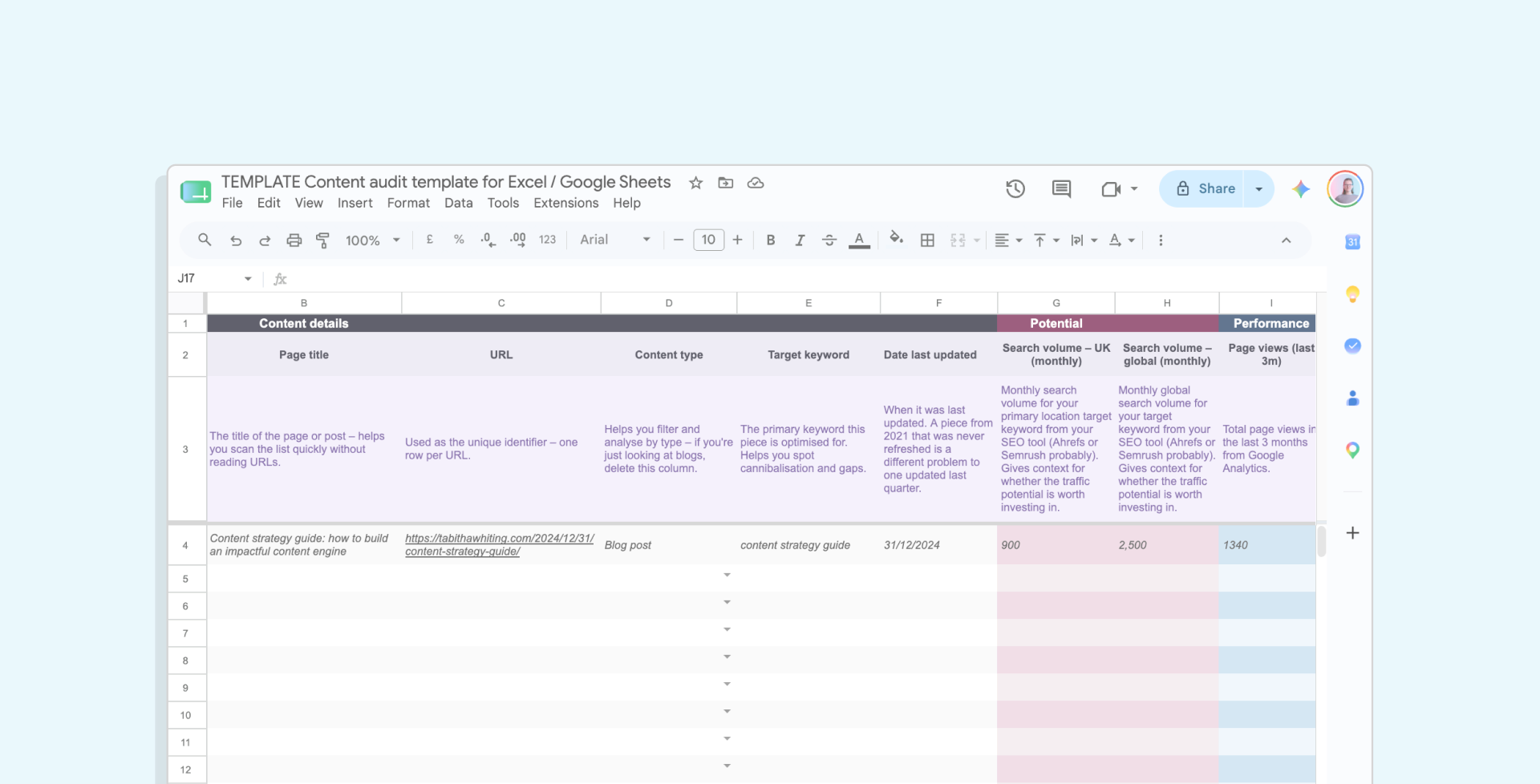
![B2B content marketing
strategy templates [free] – header image](https://tabithawhiting.com/wp-content/uploads/2026/05/b2b-content-marketing-e280a8strategy-templates-free-e28093-header-image-e1779702539754.png?w=1200)
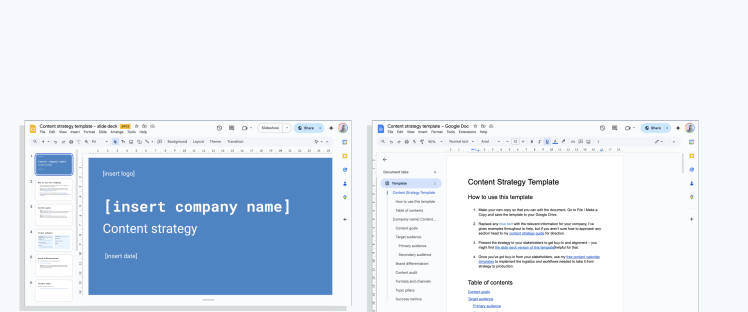
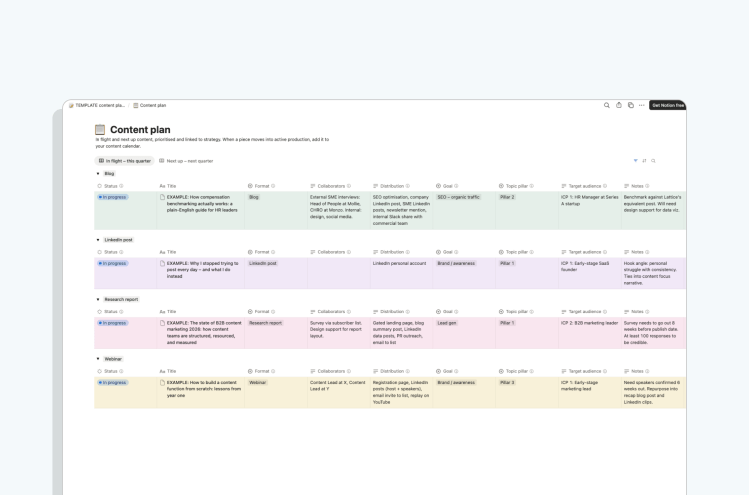

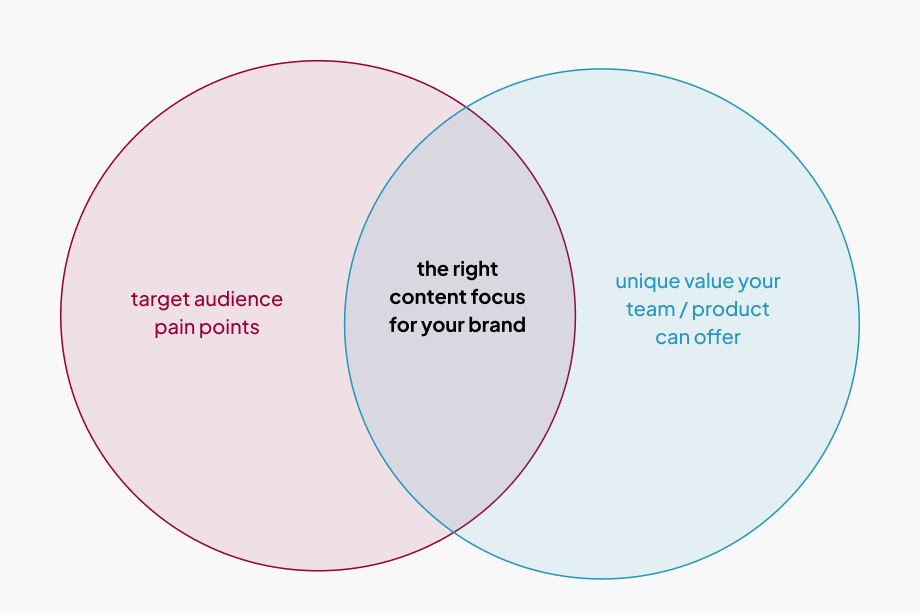
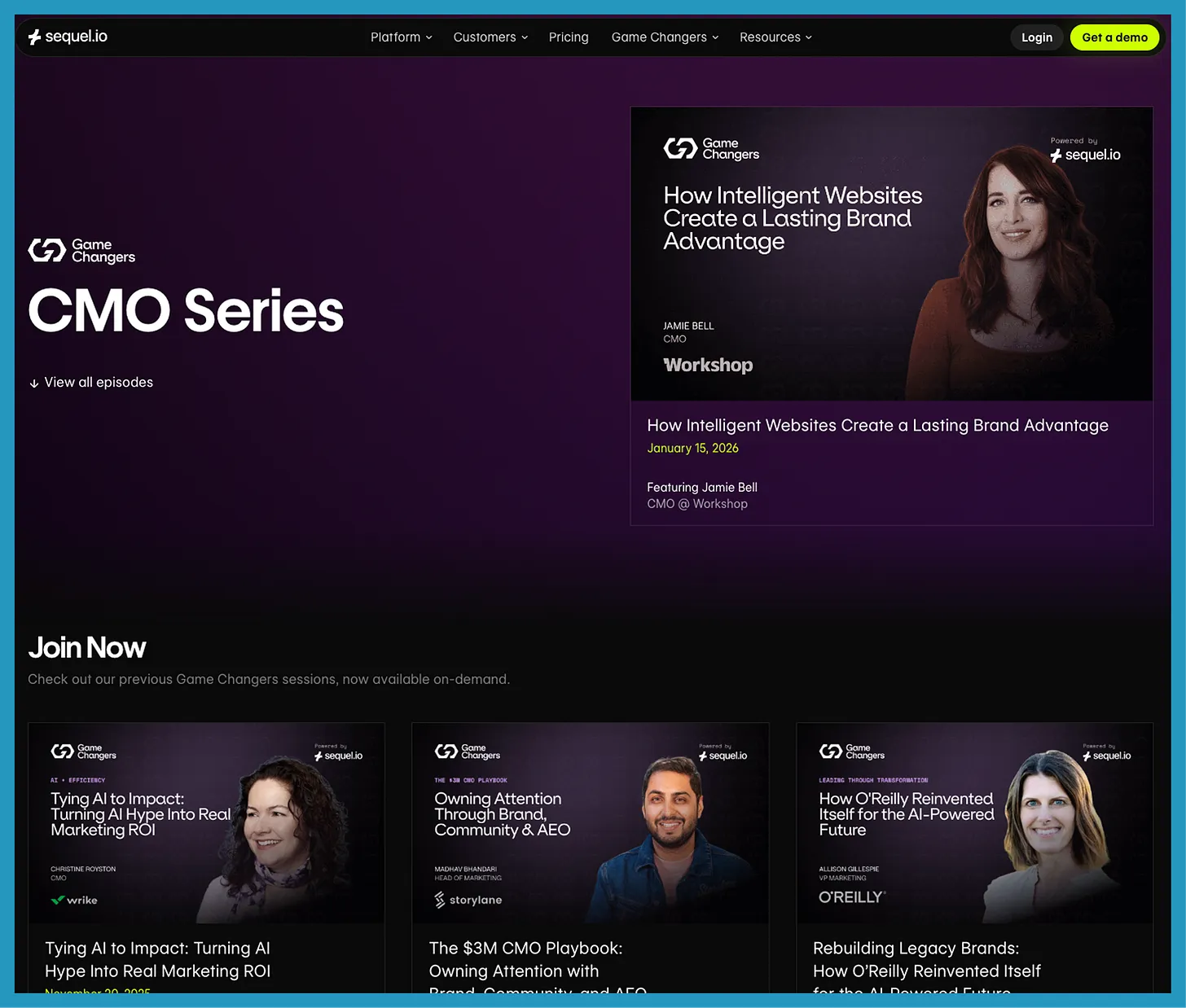


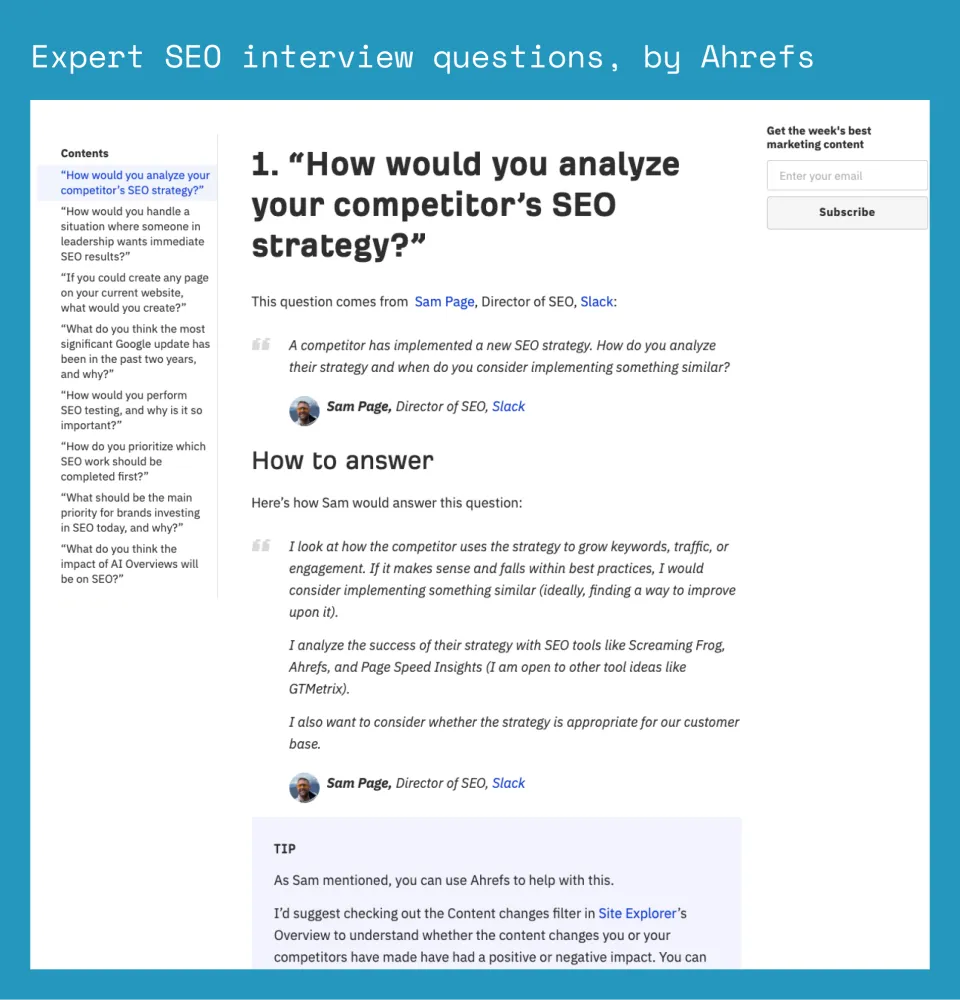


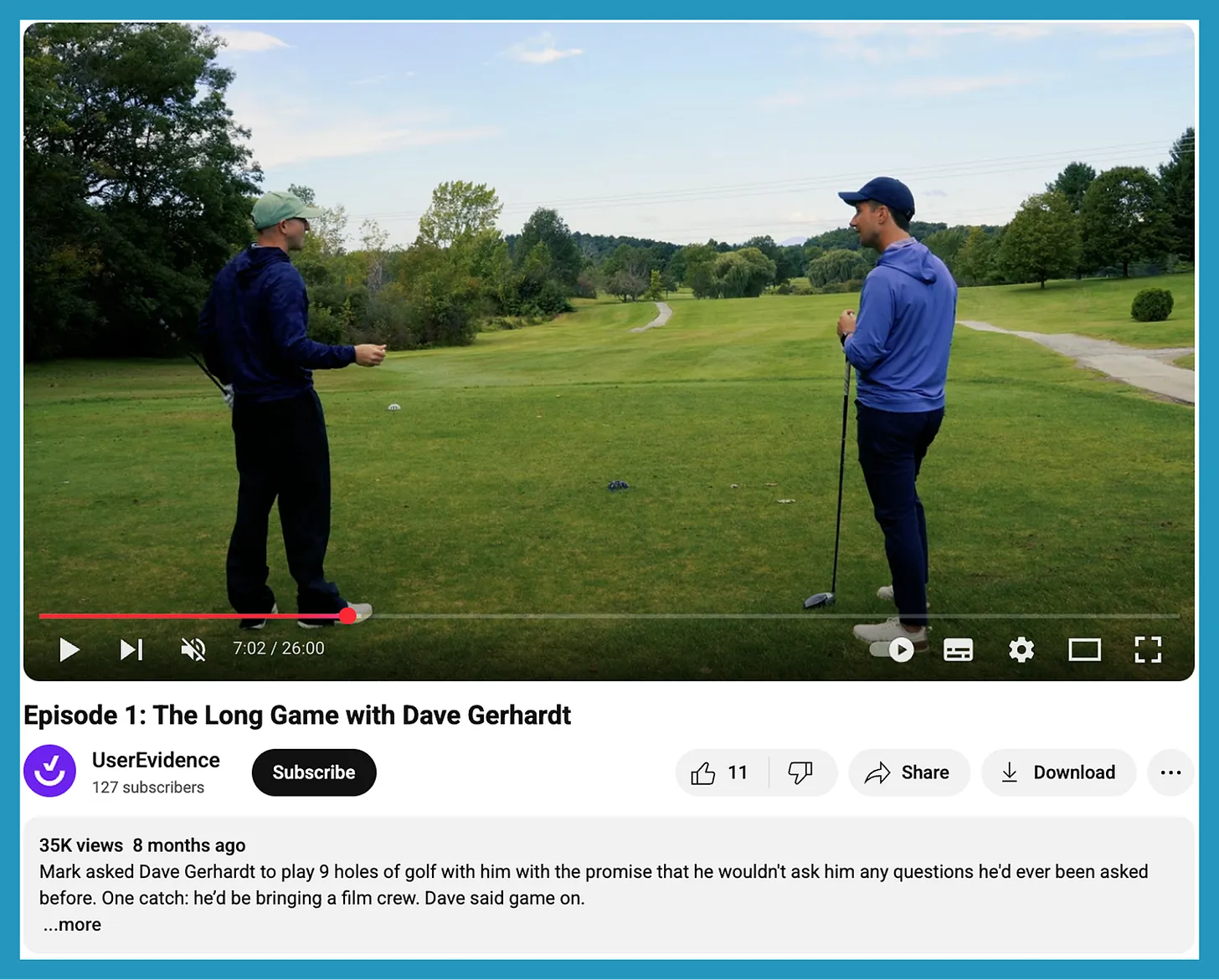

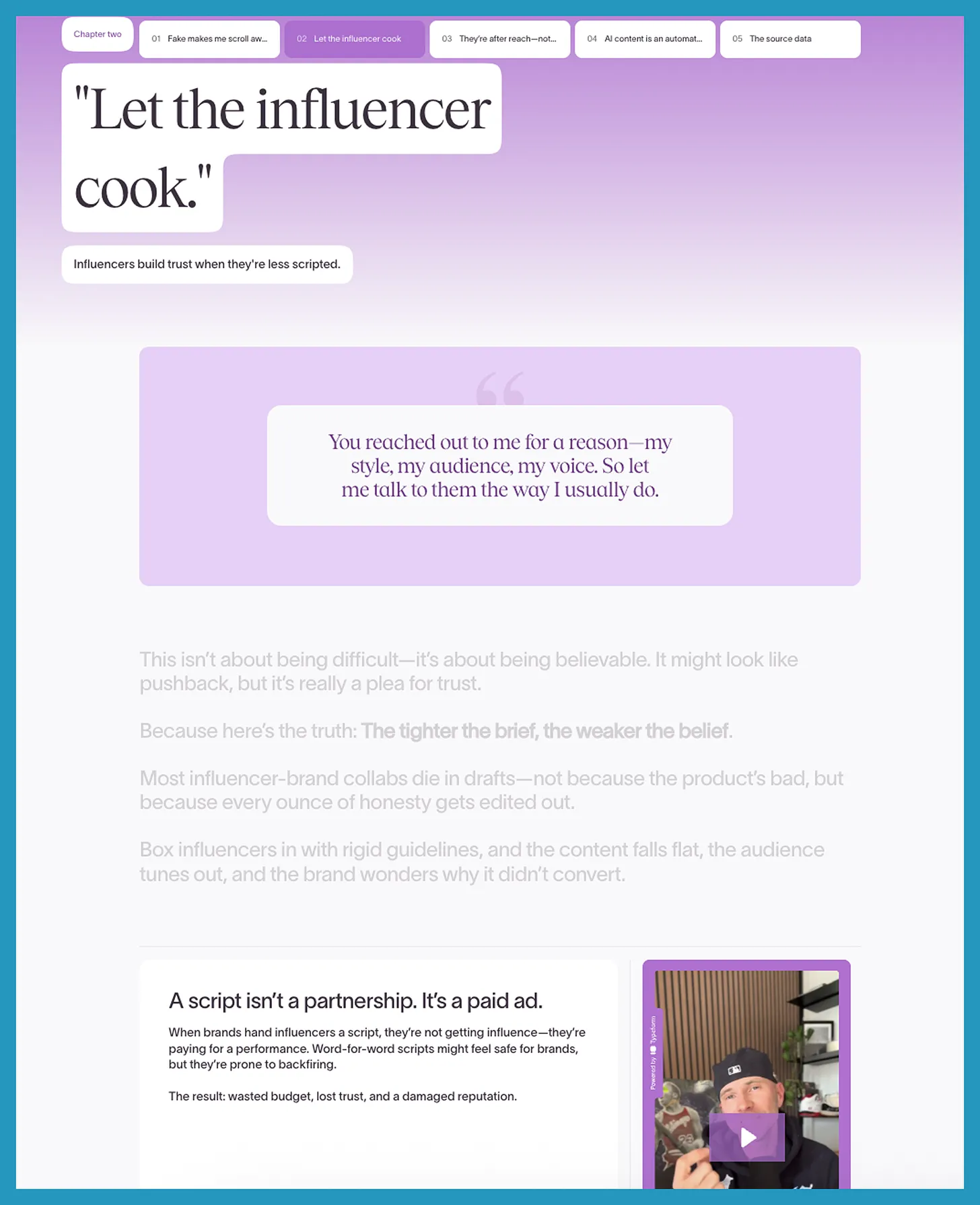




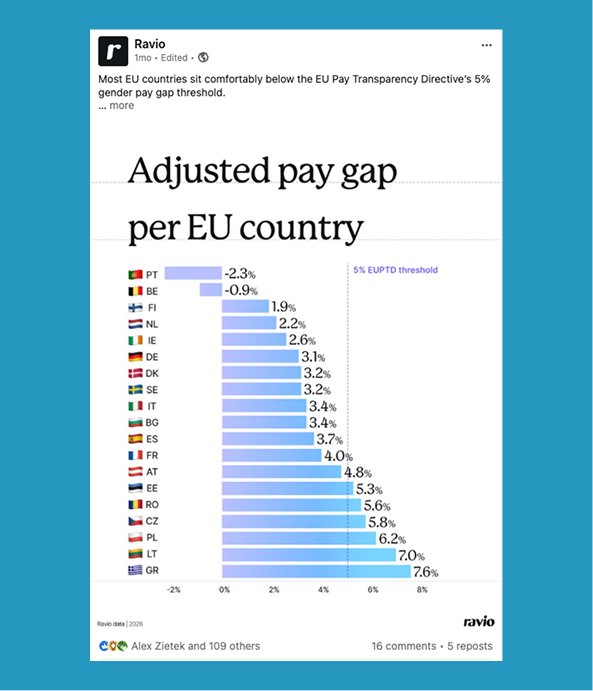


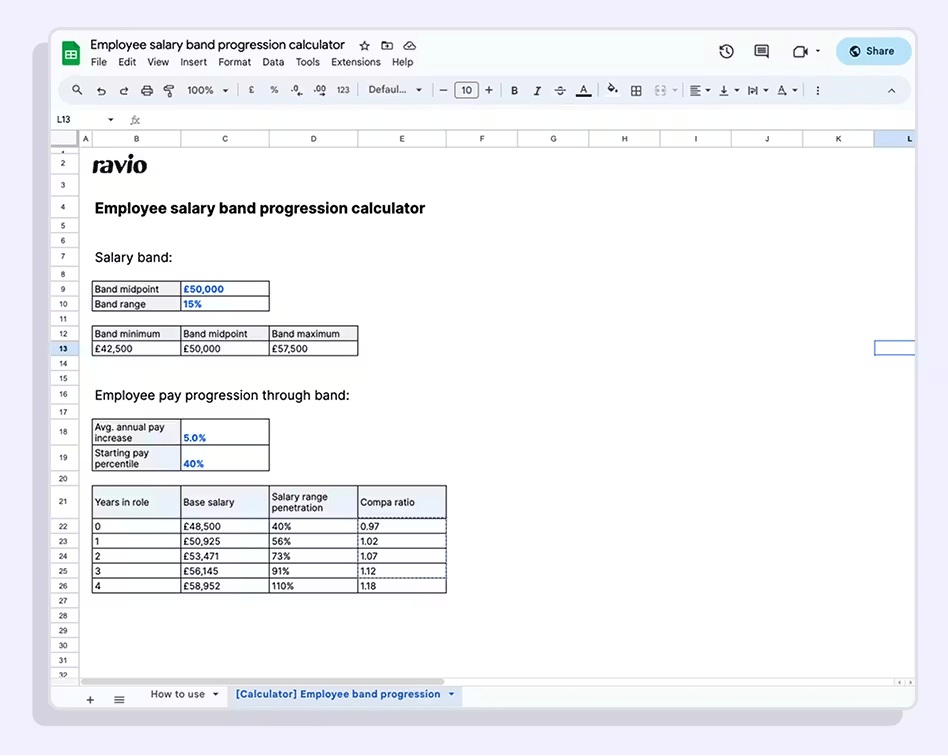



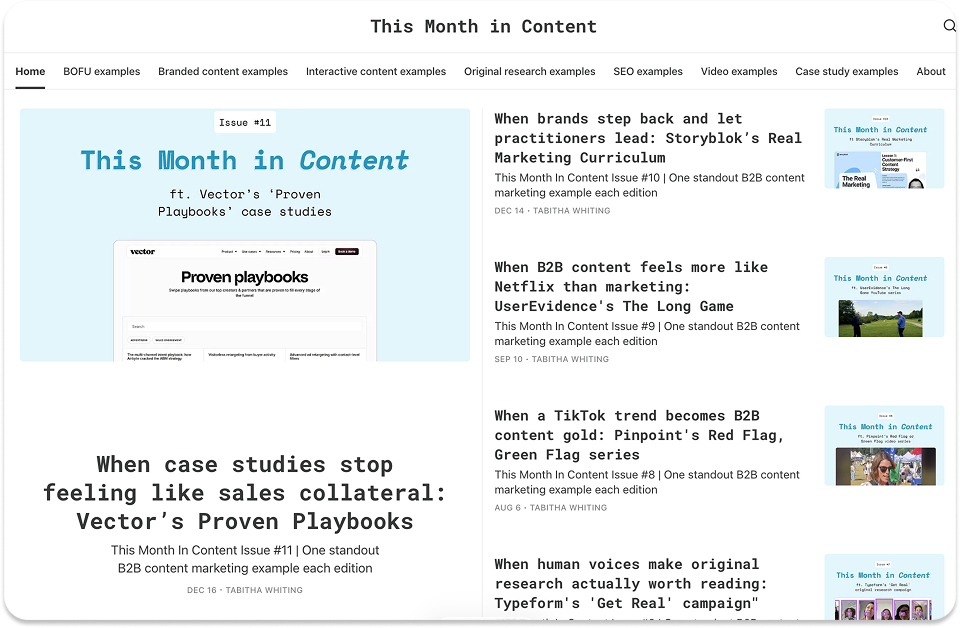


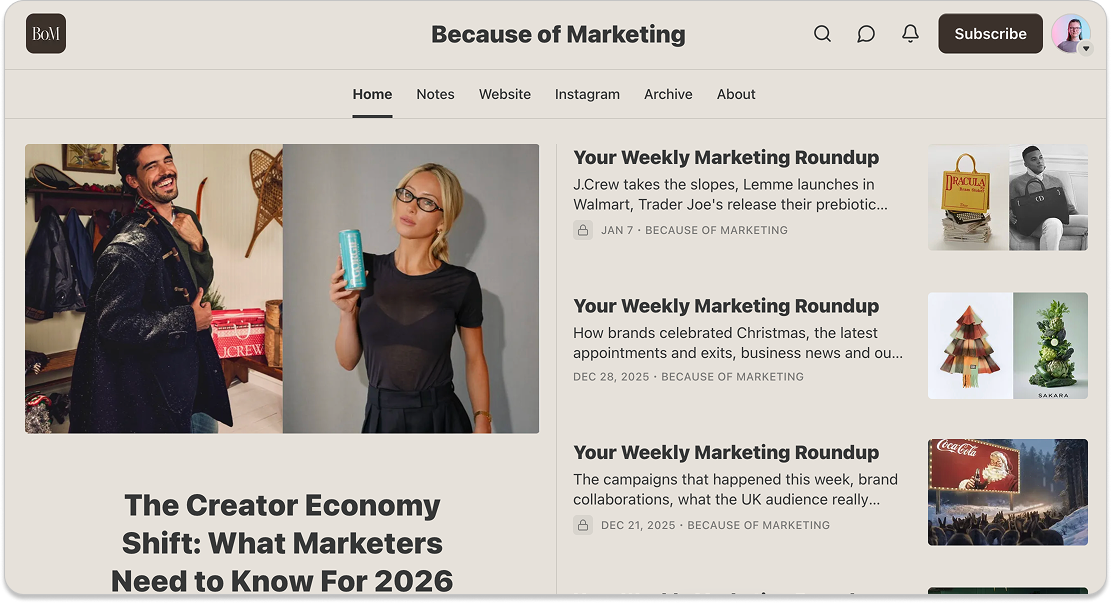
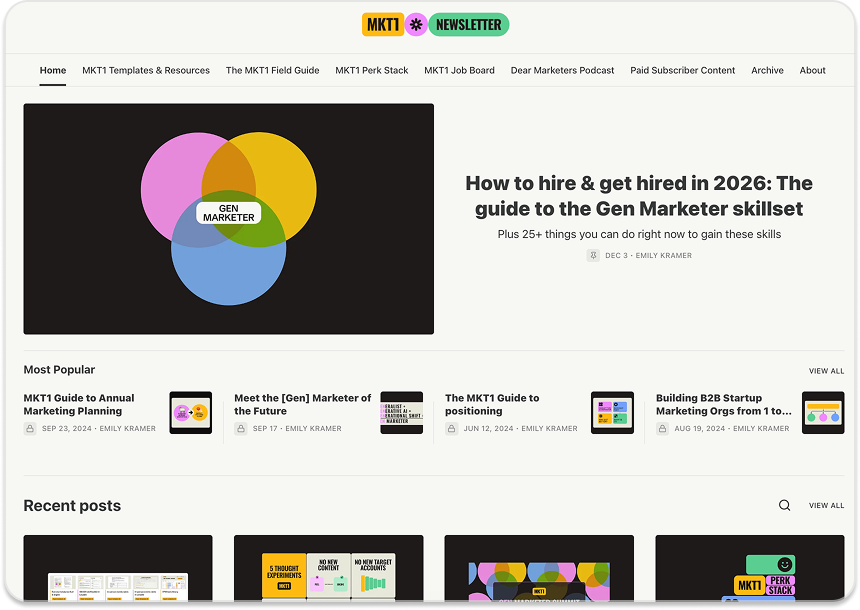
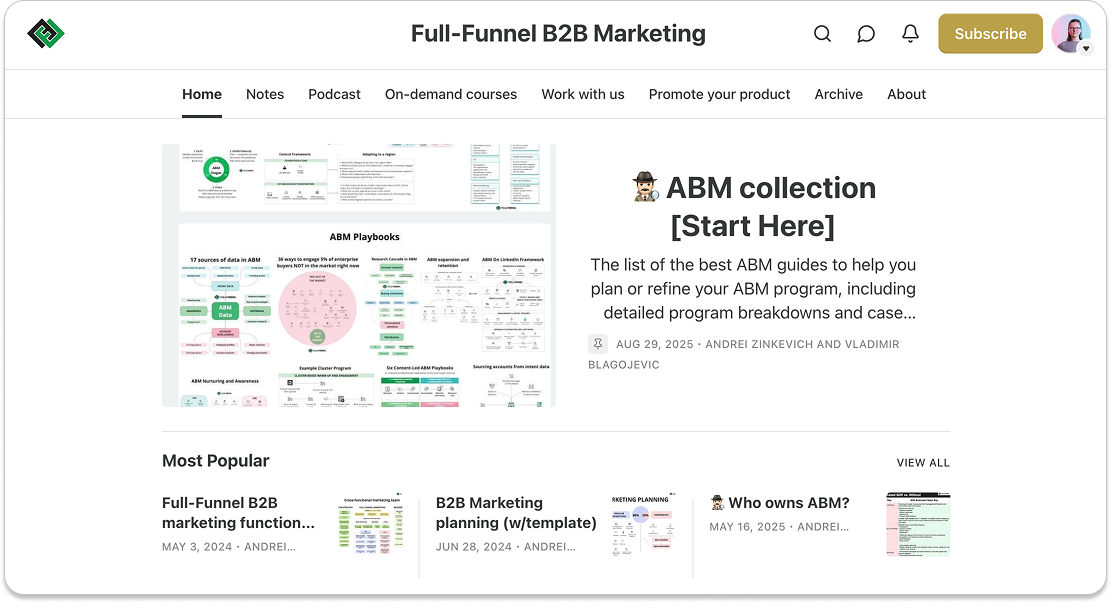

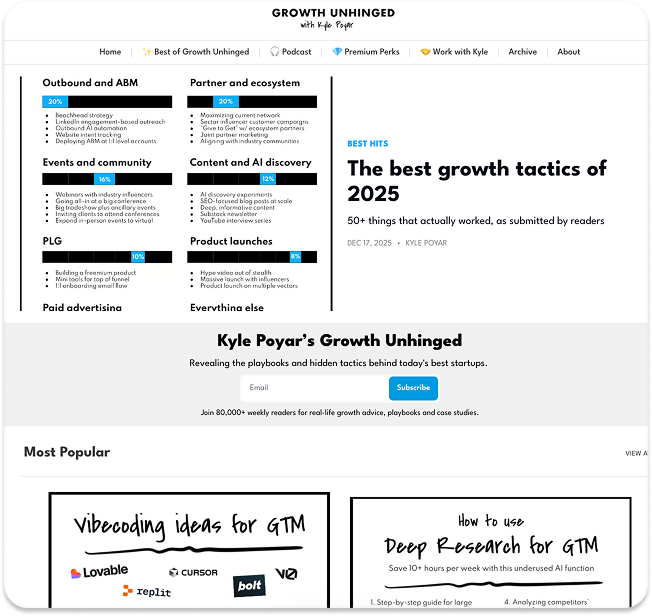

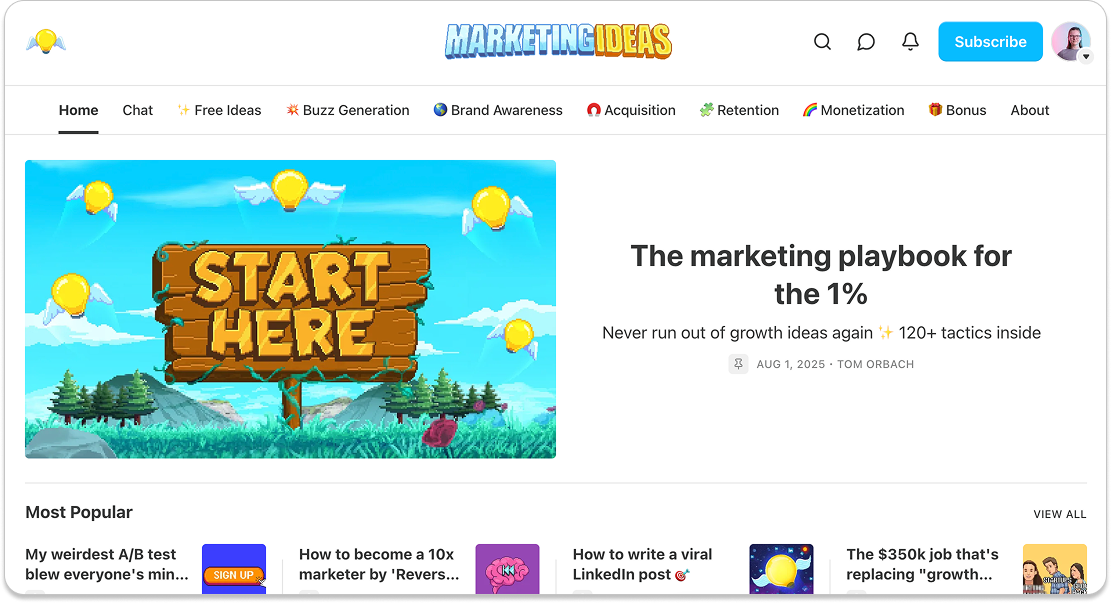
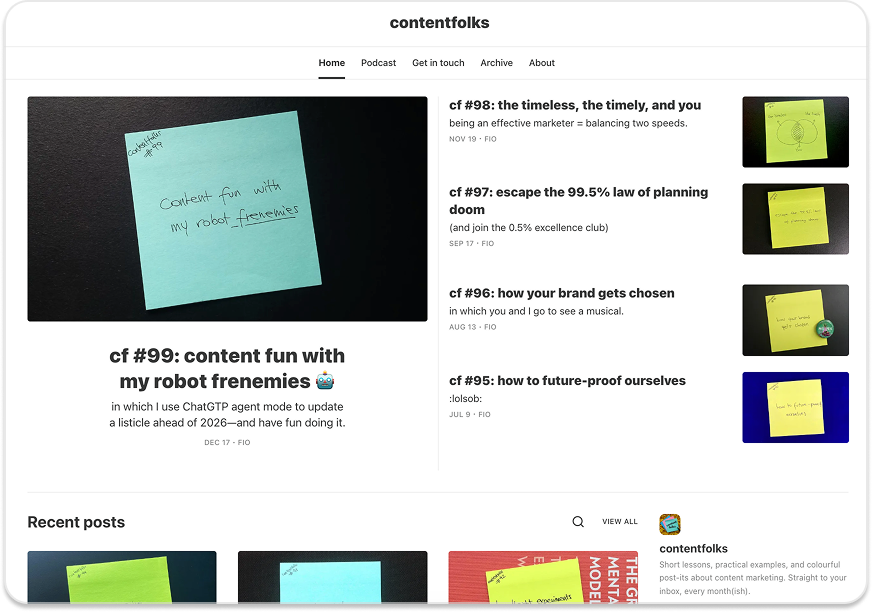

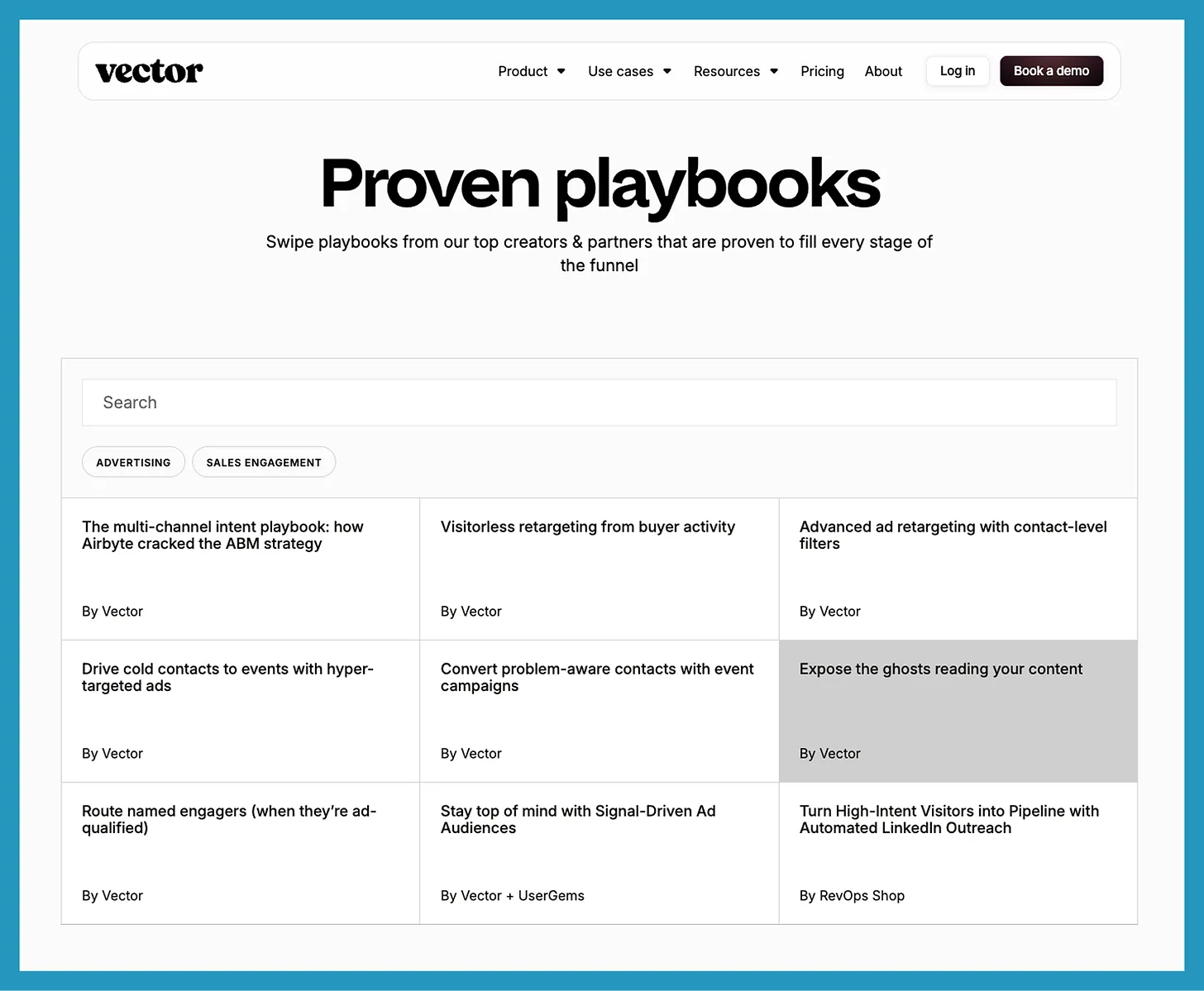
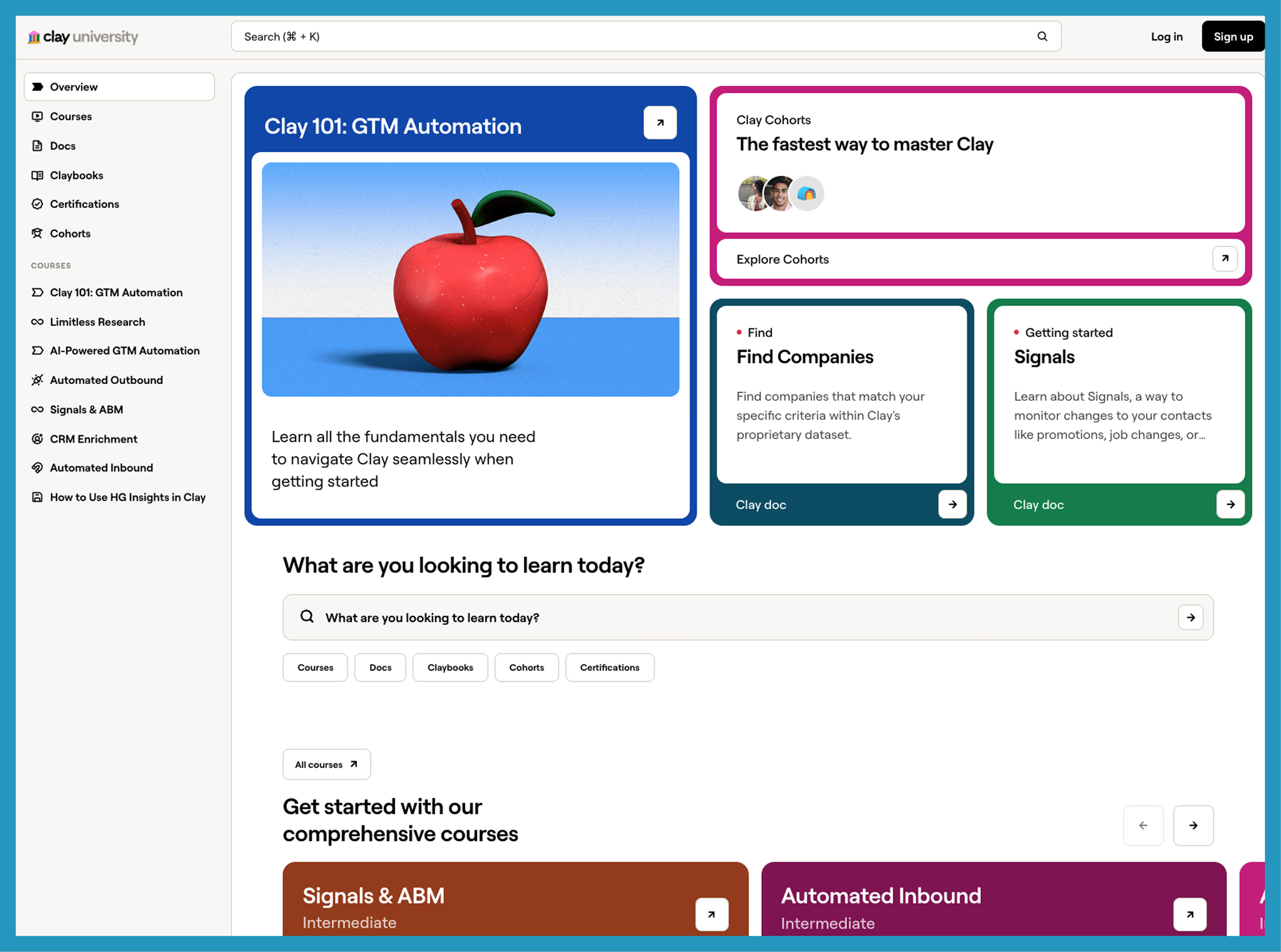
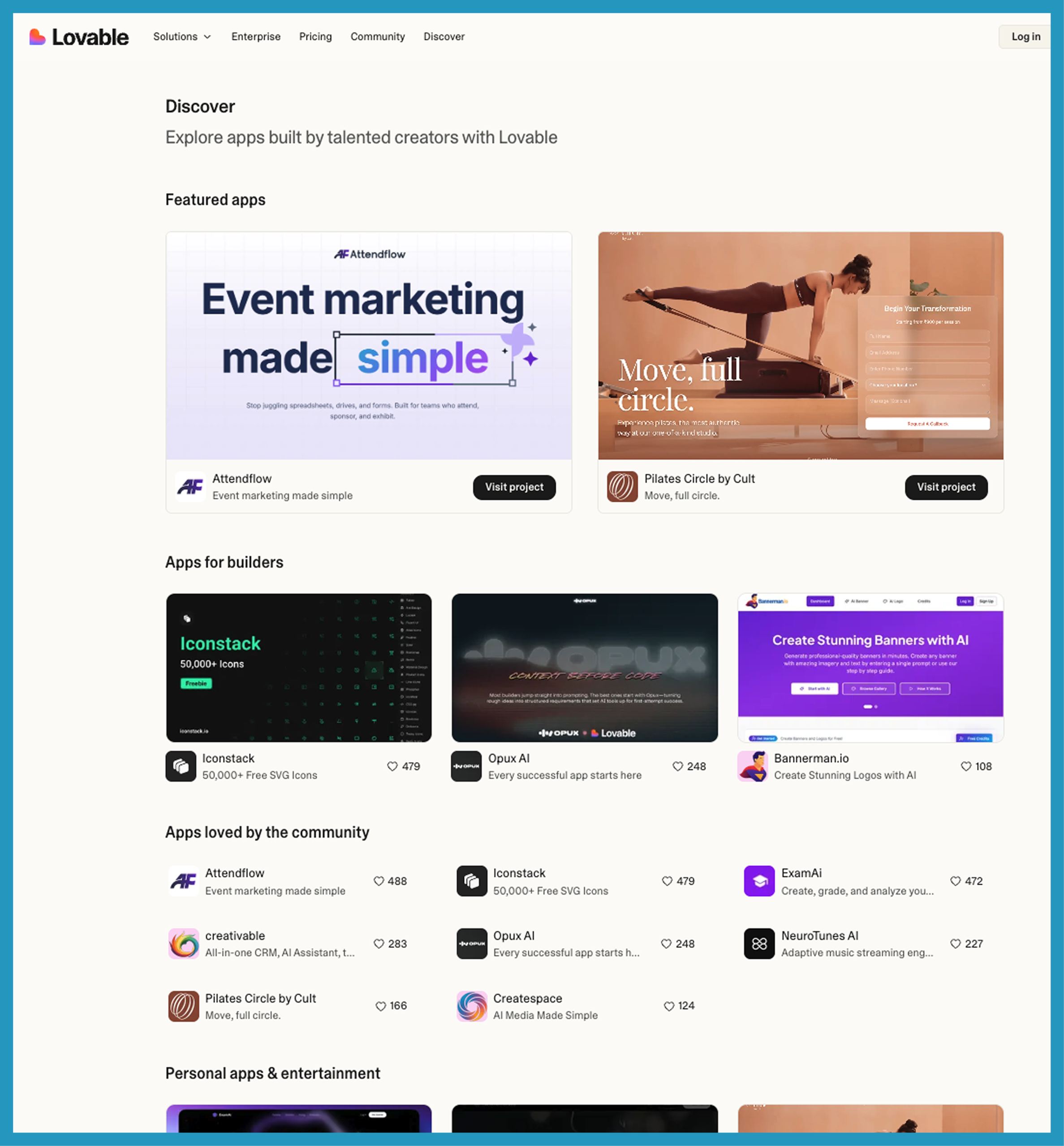
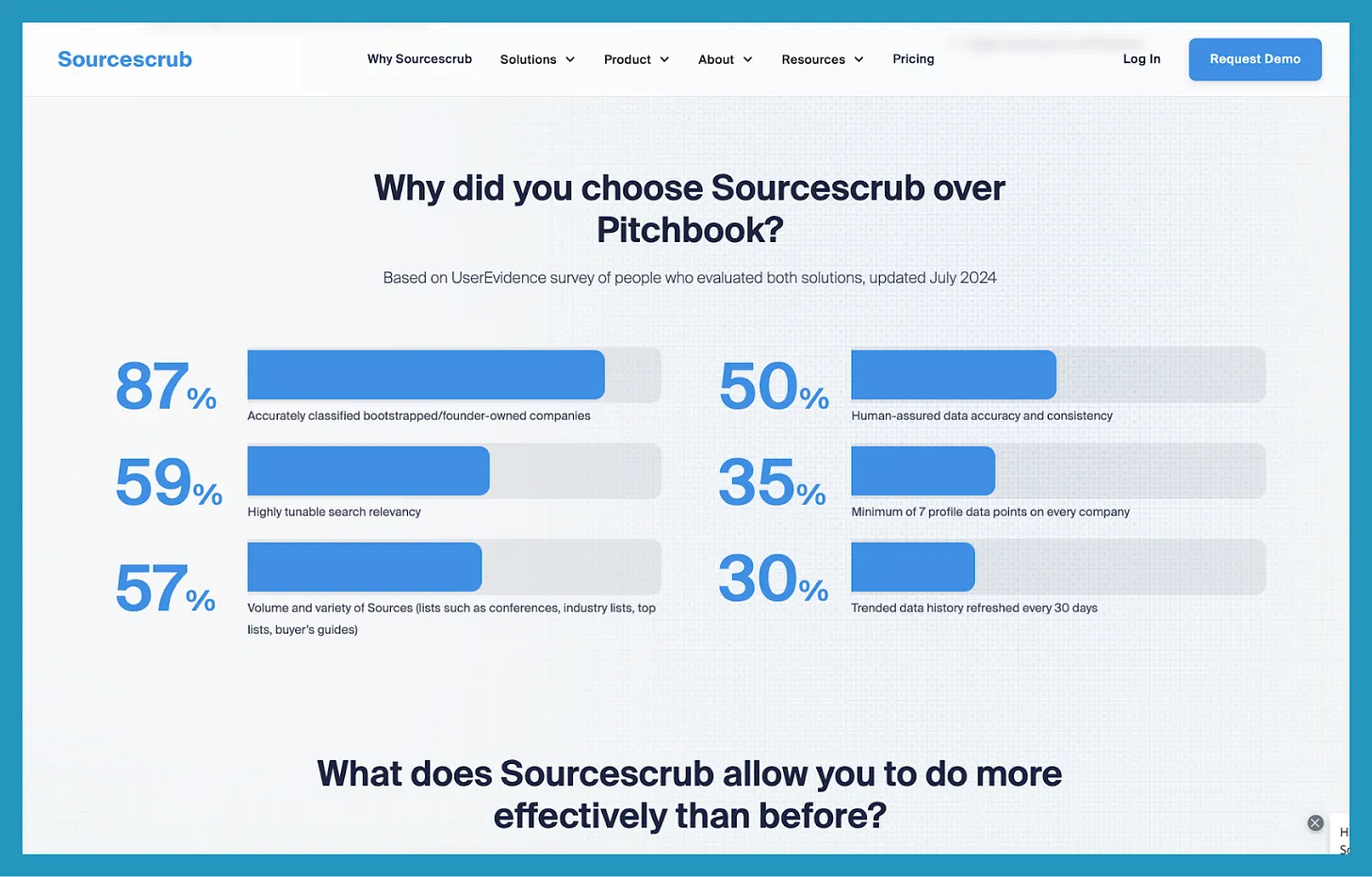
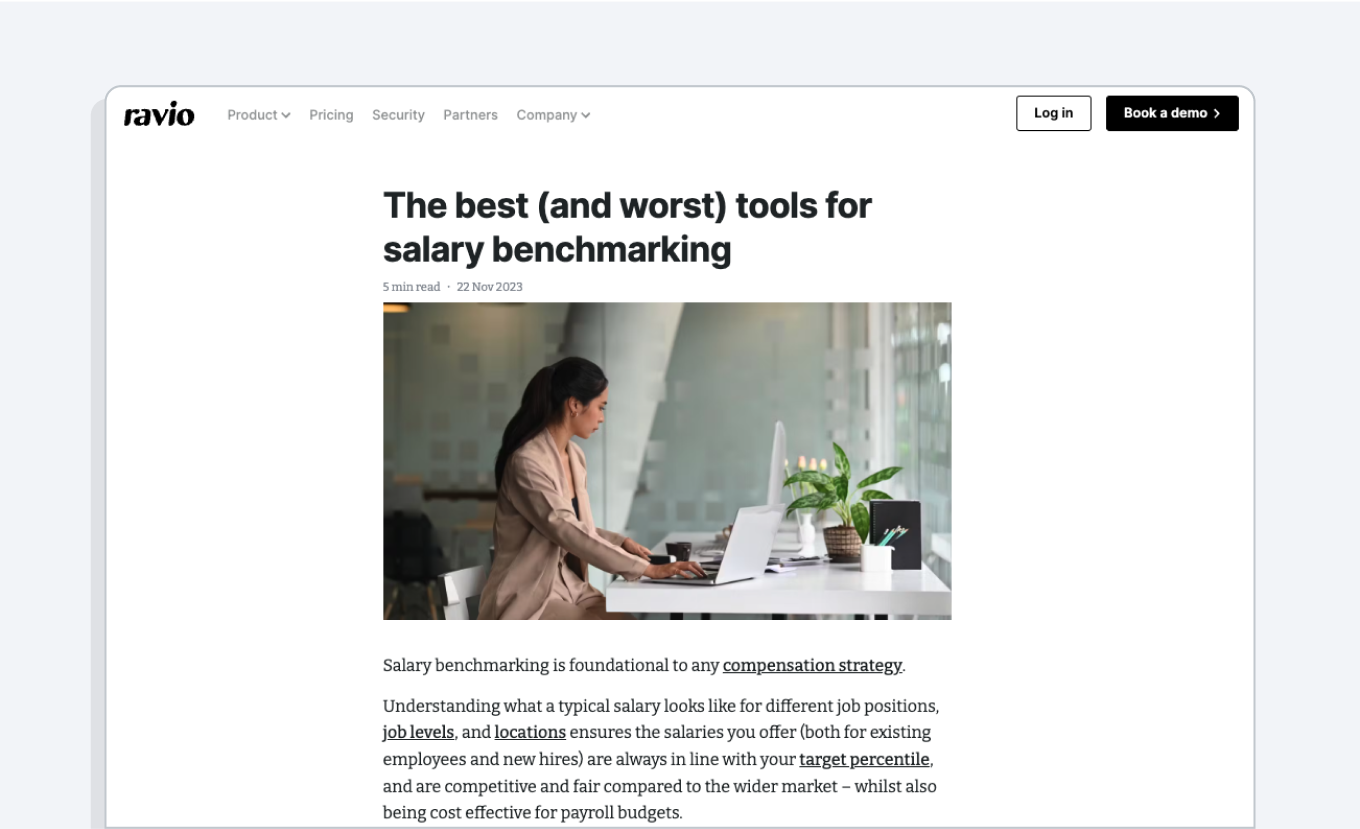
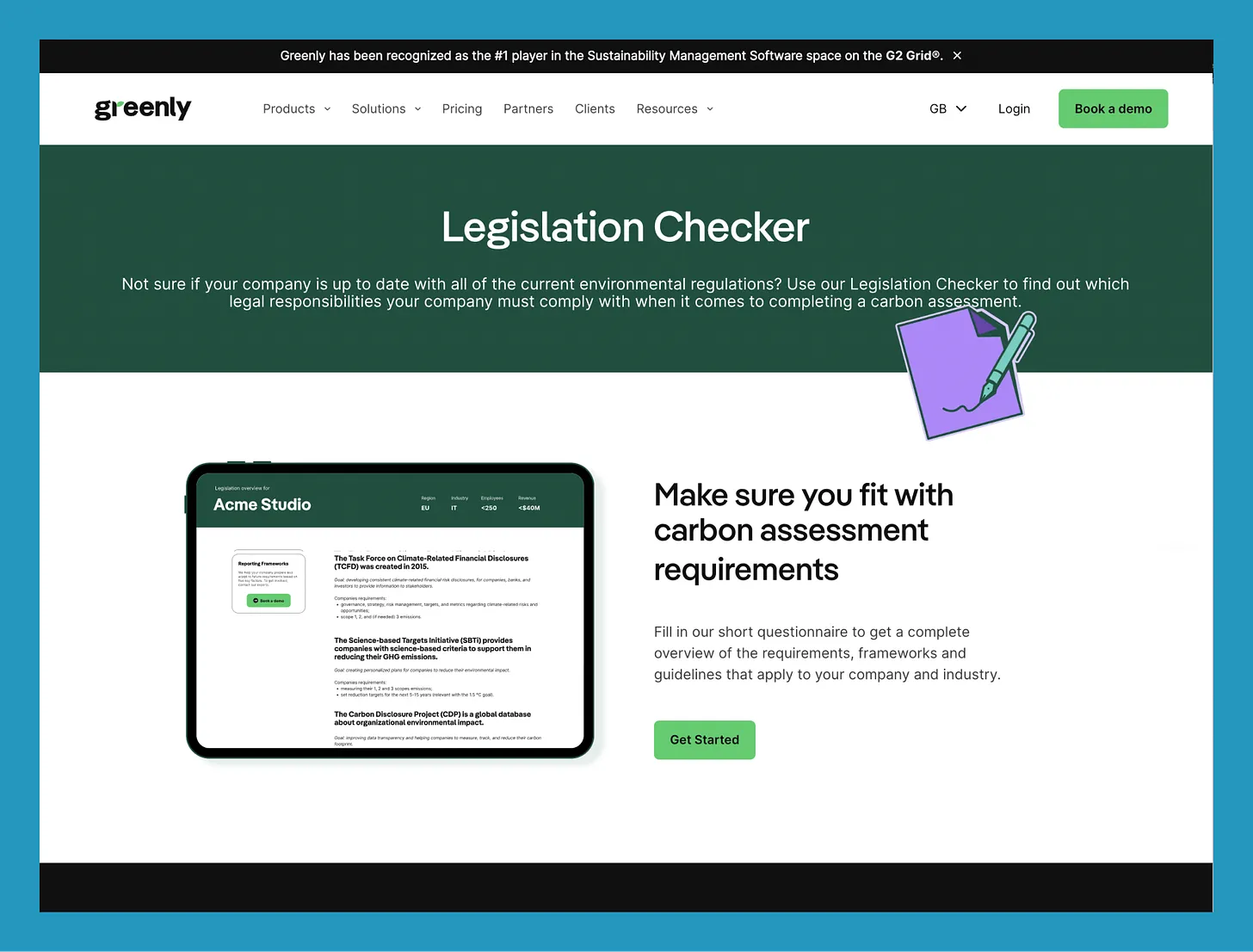
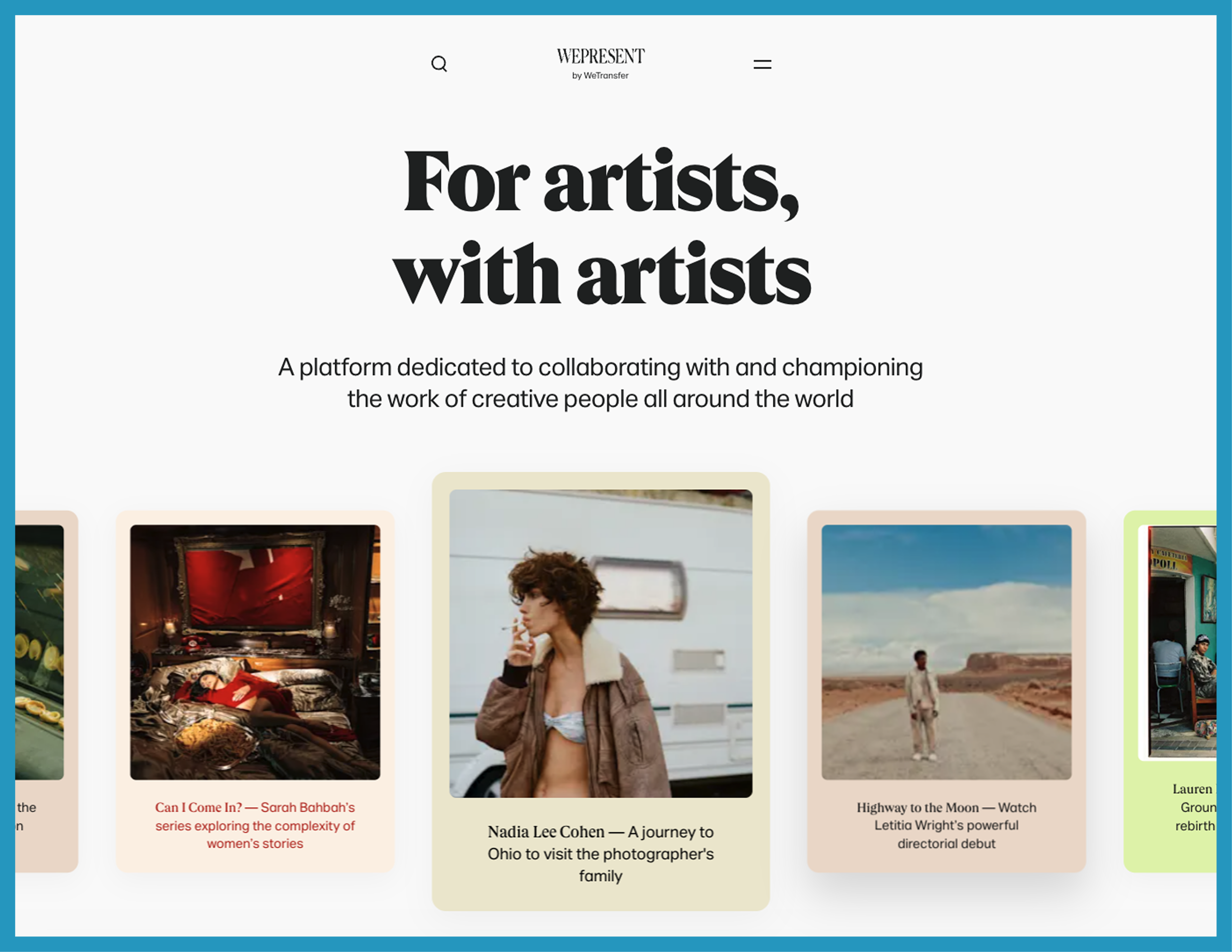
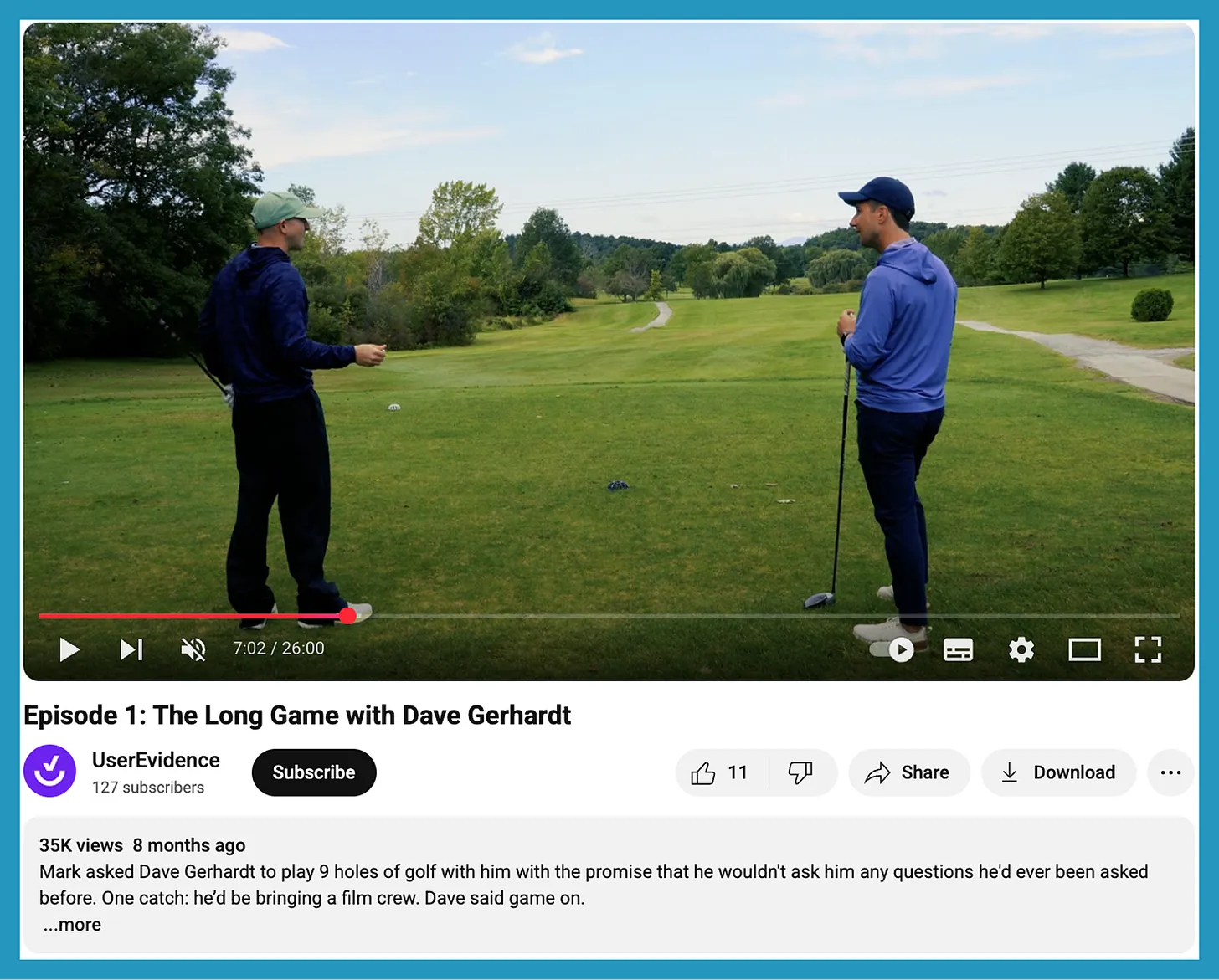
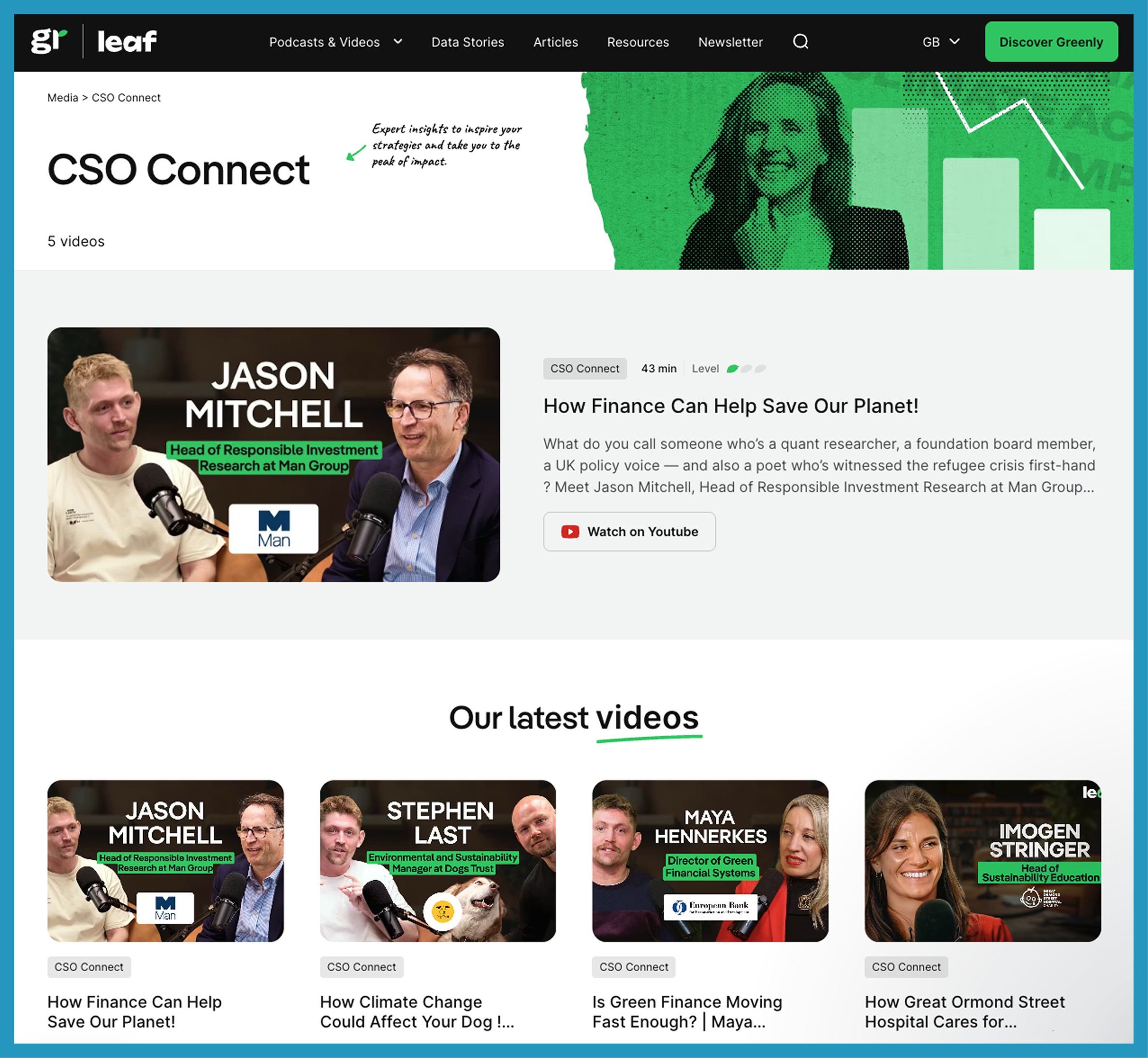
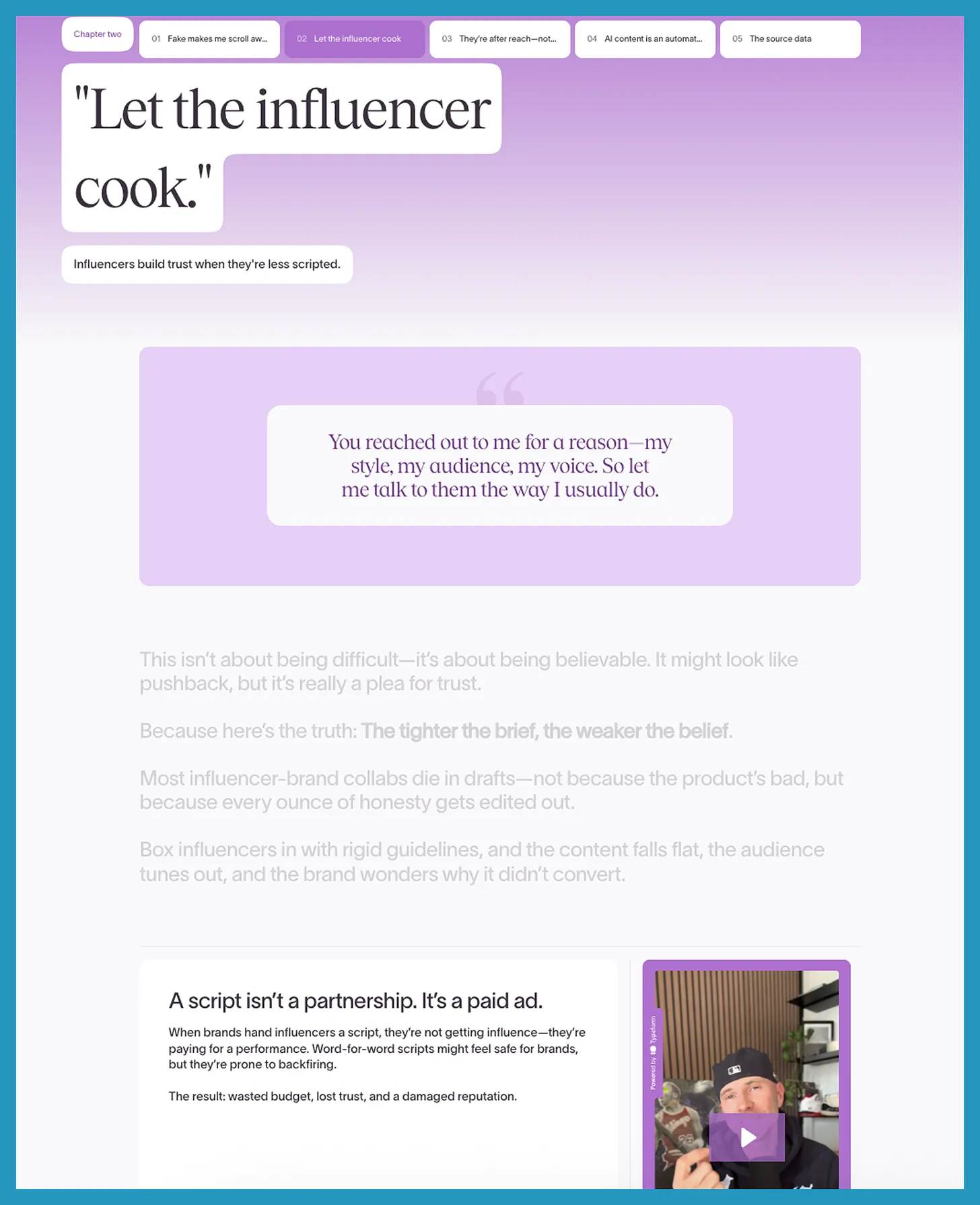

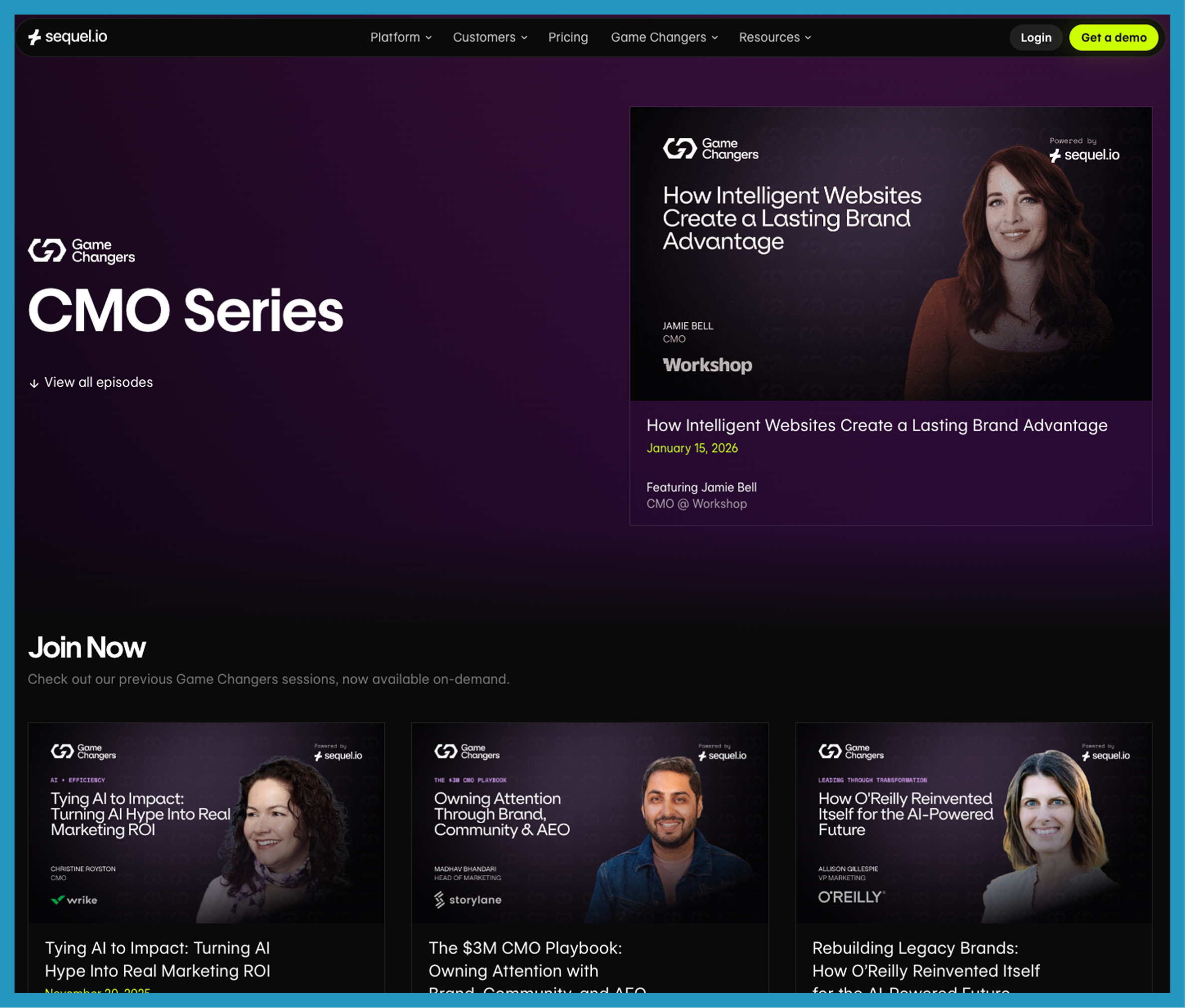
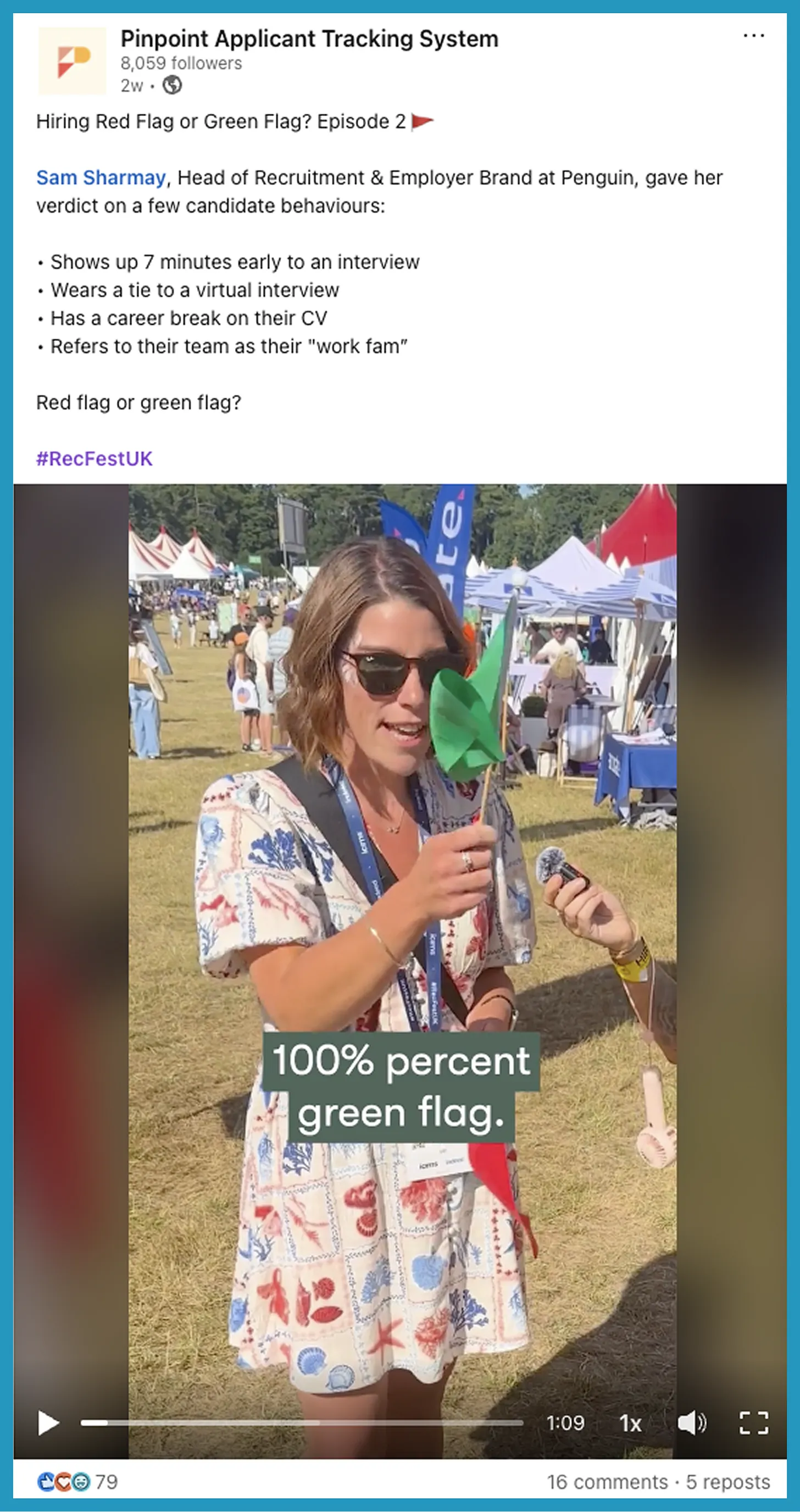

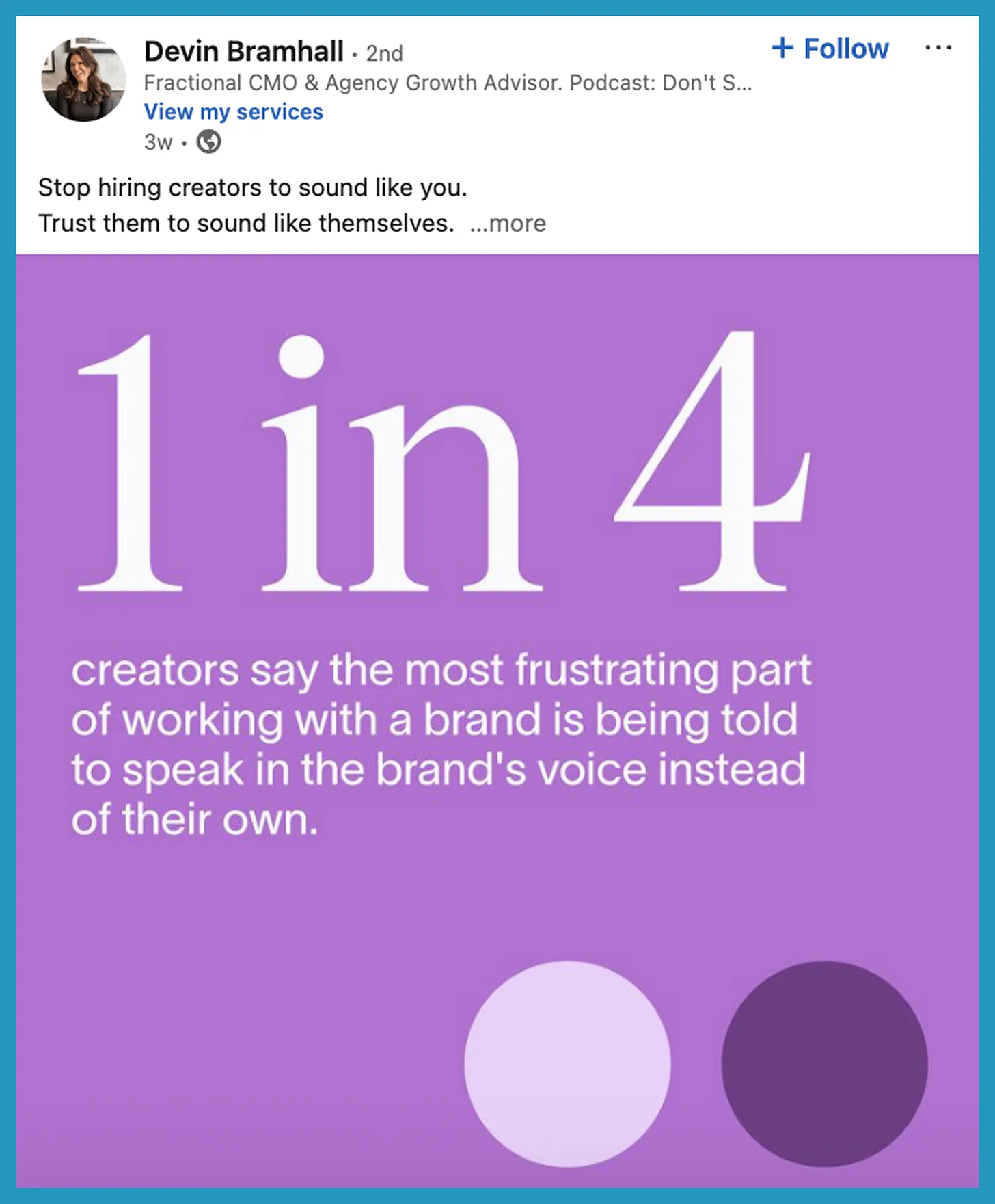
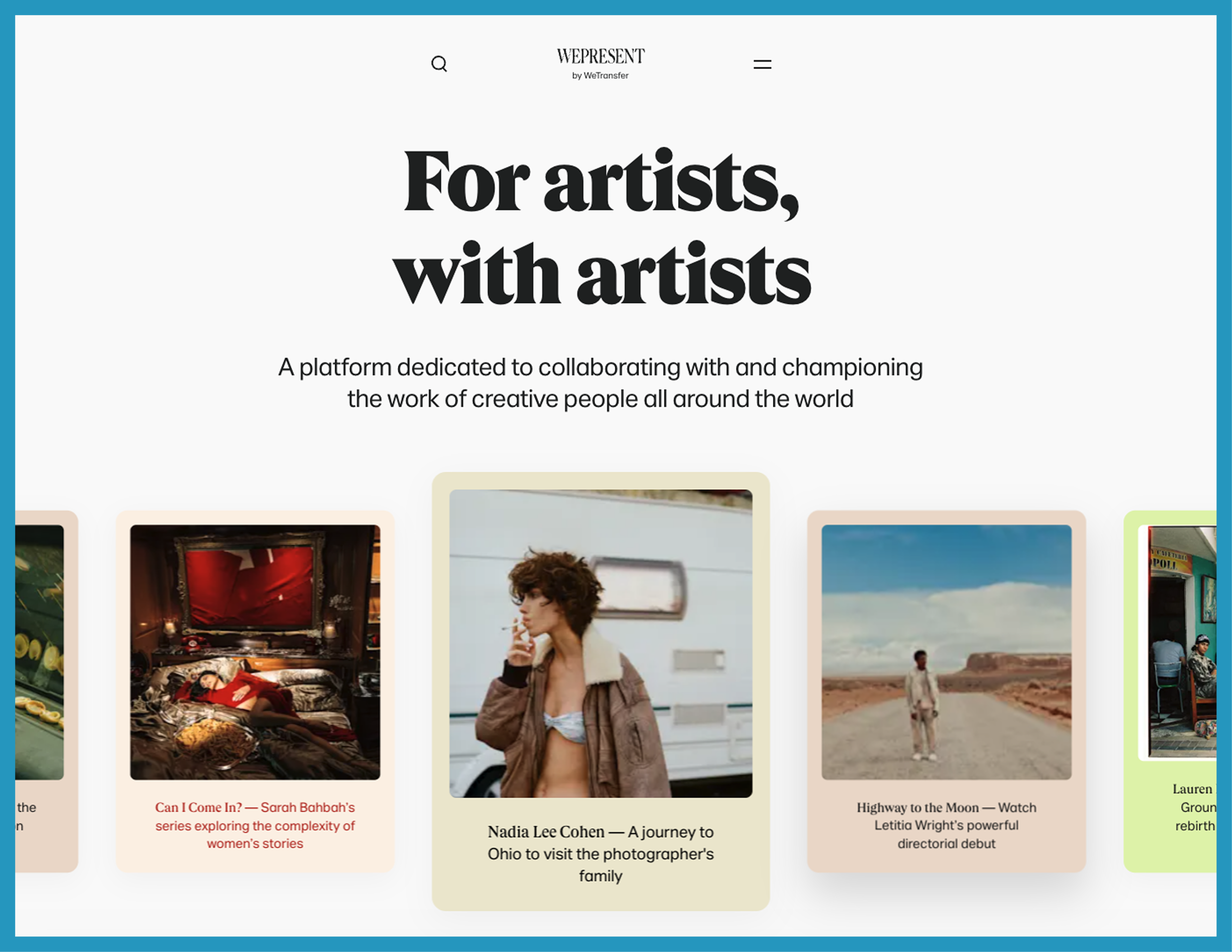
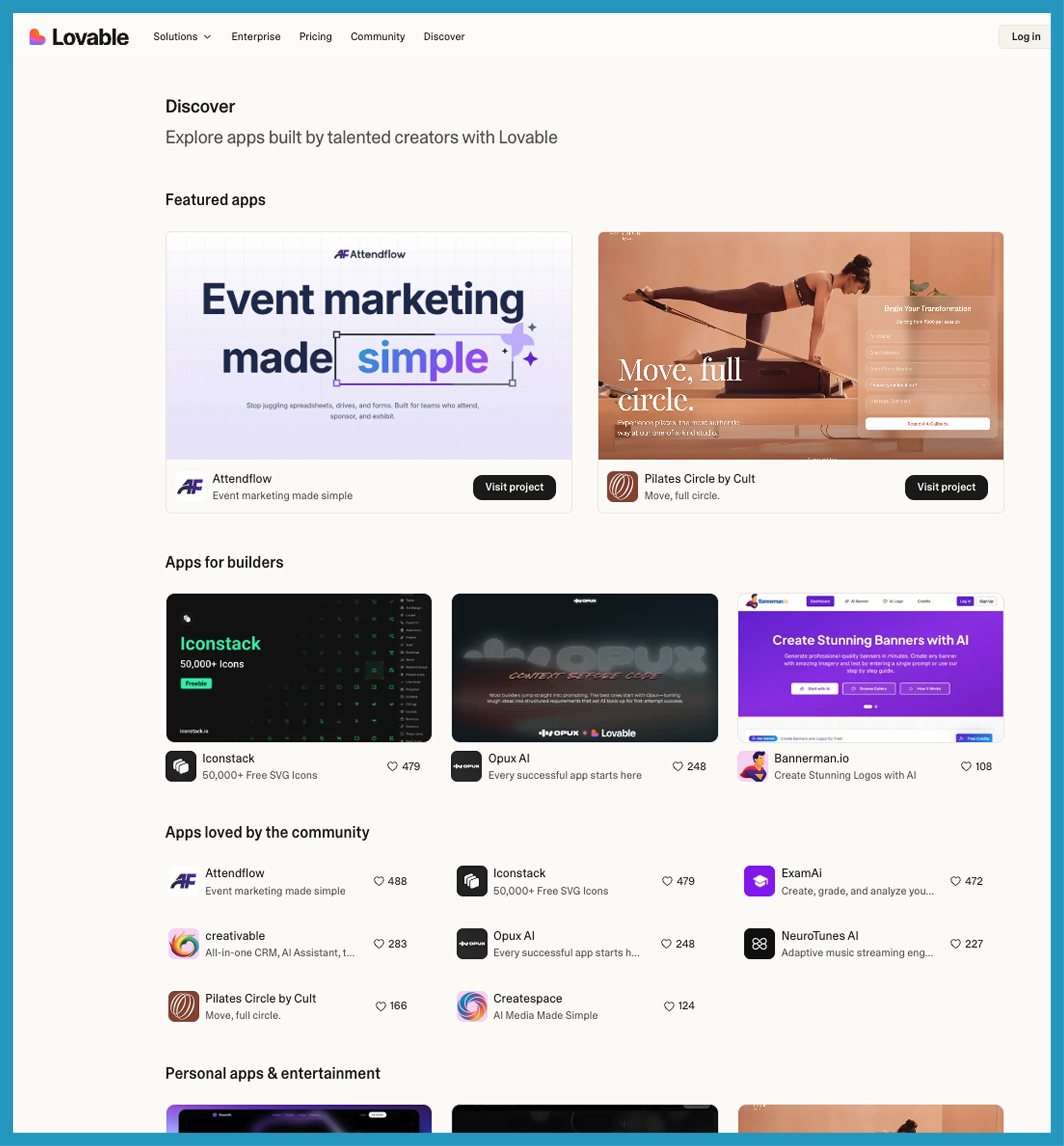
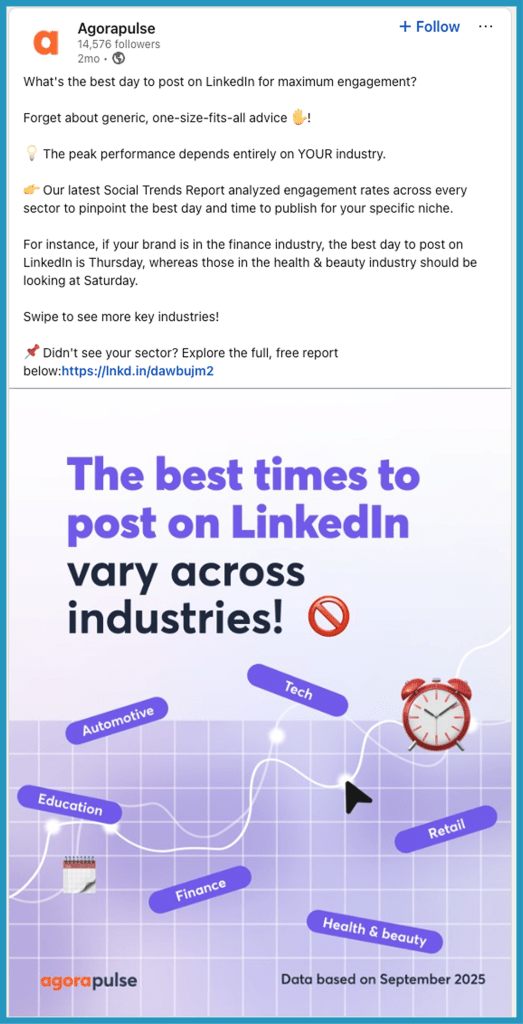
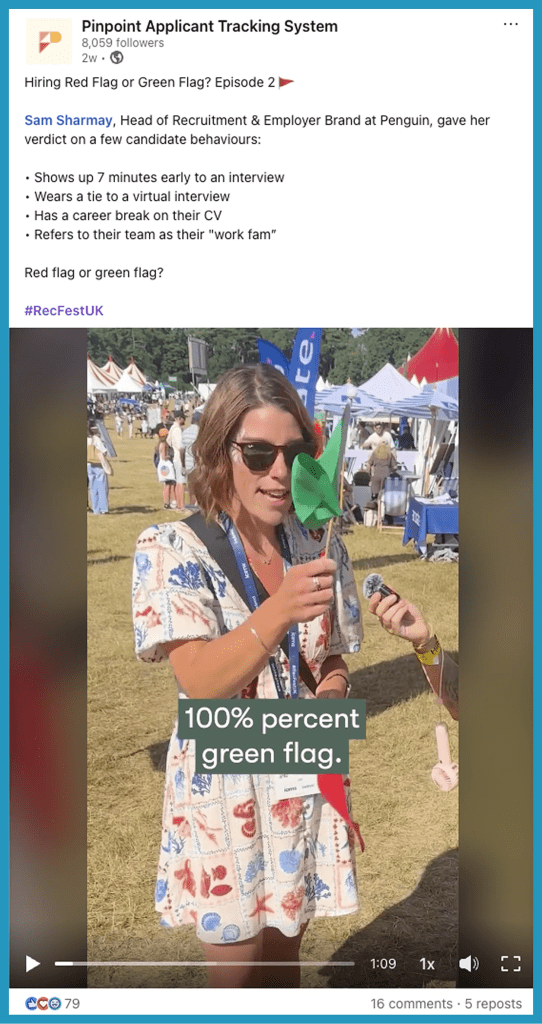
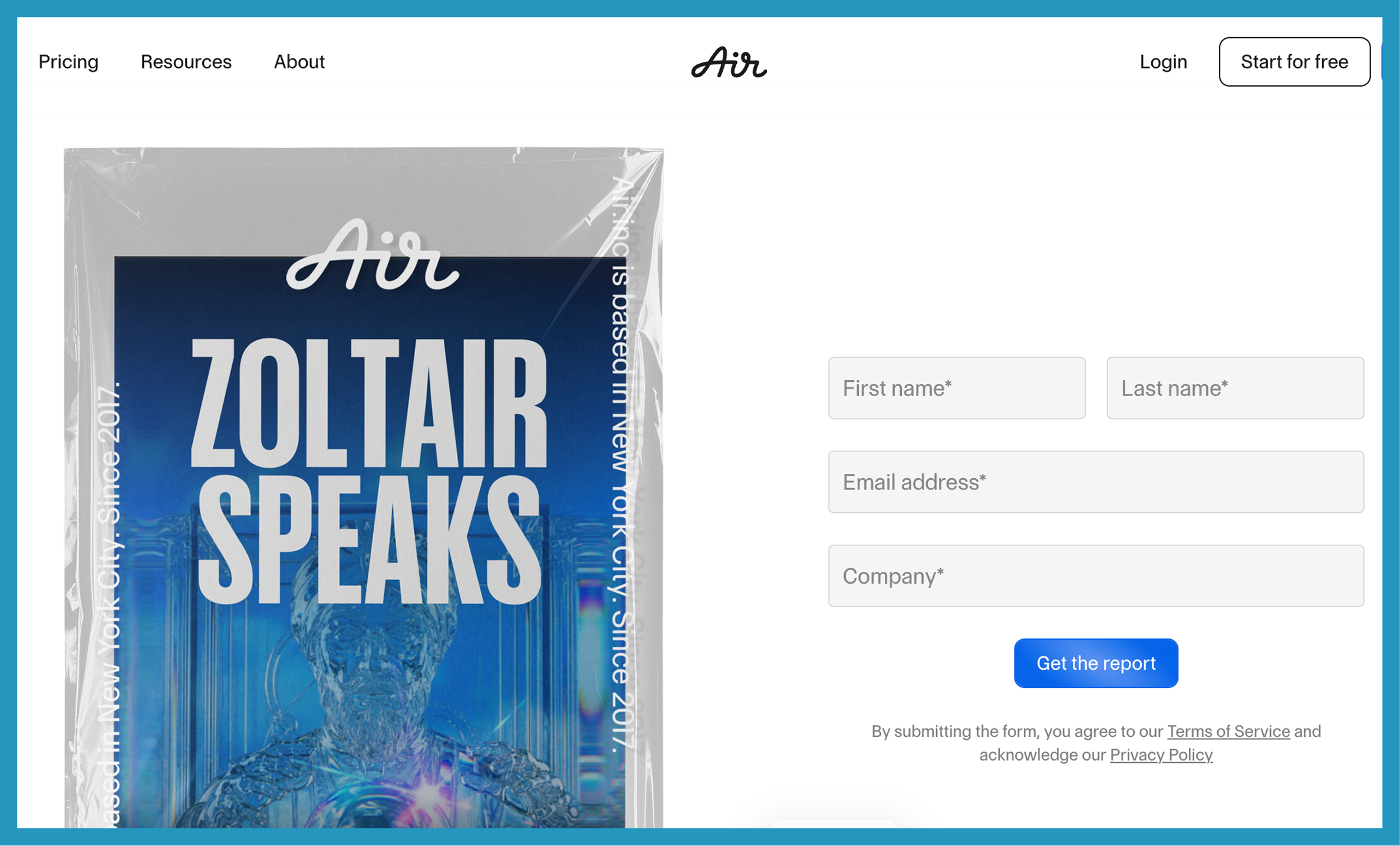
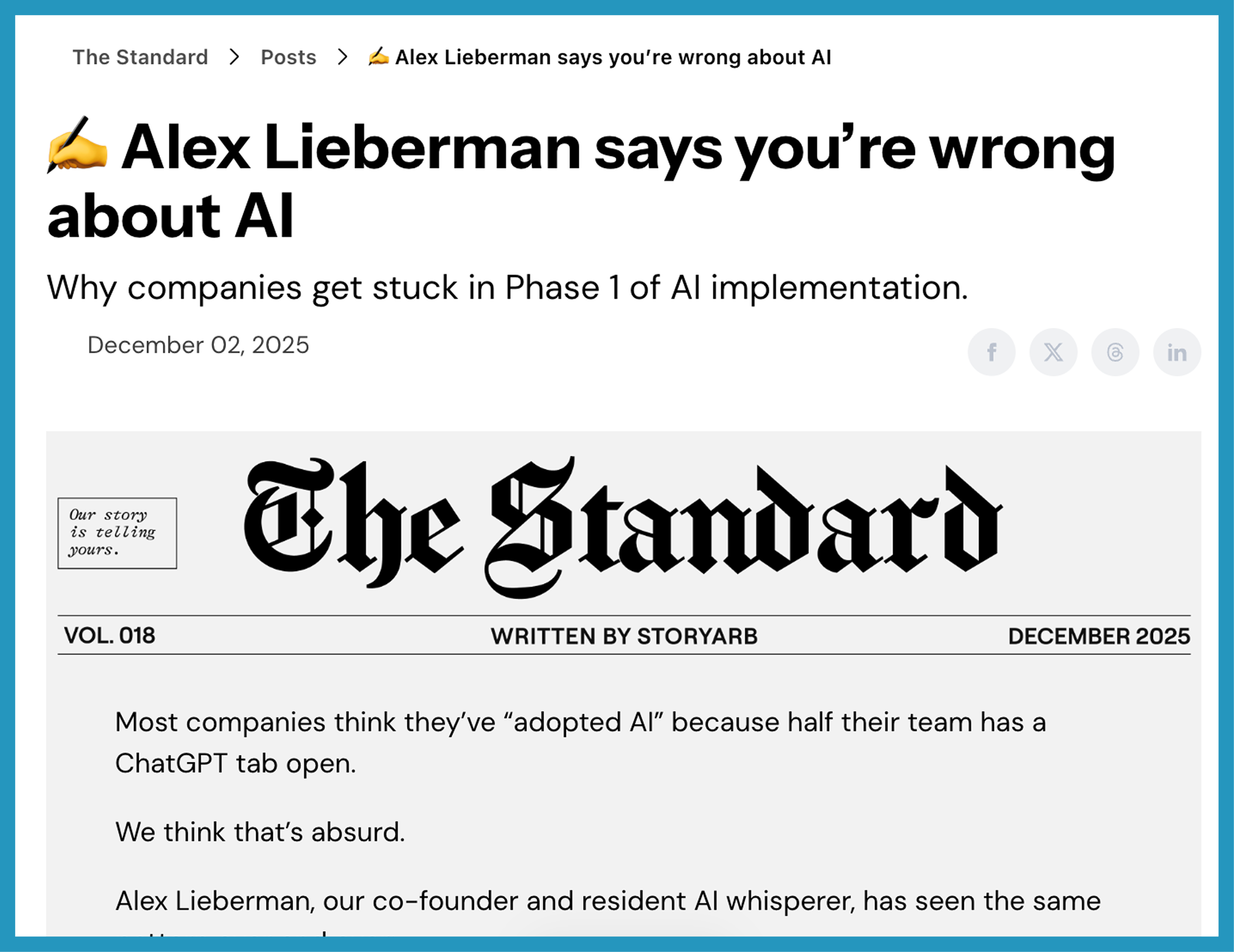
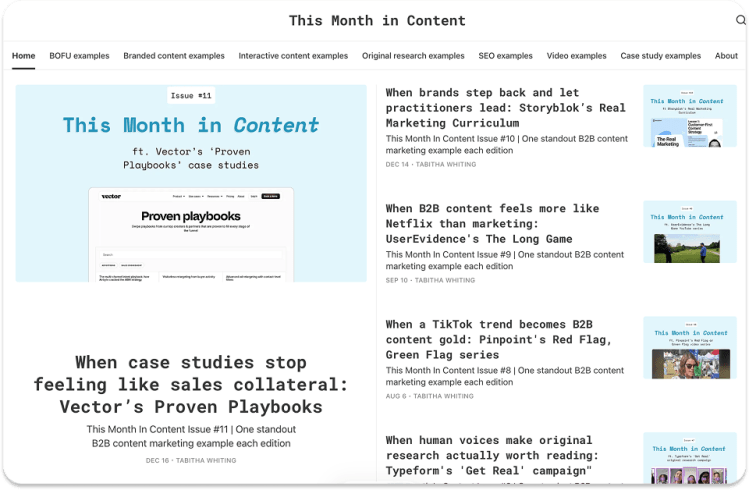
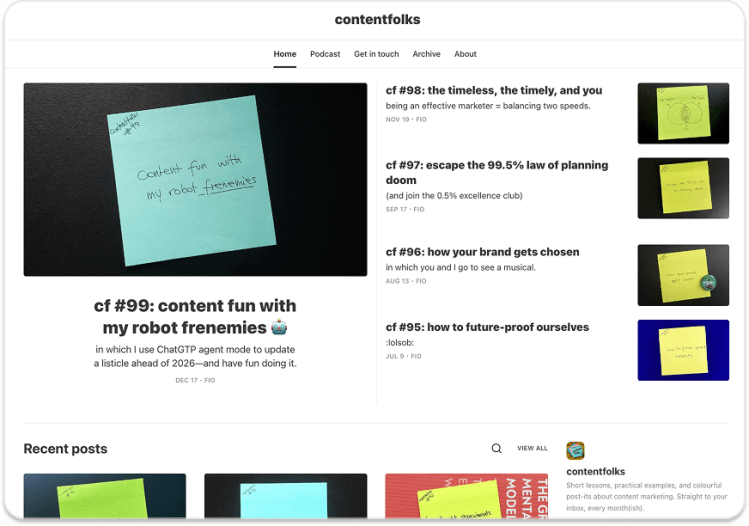
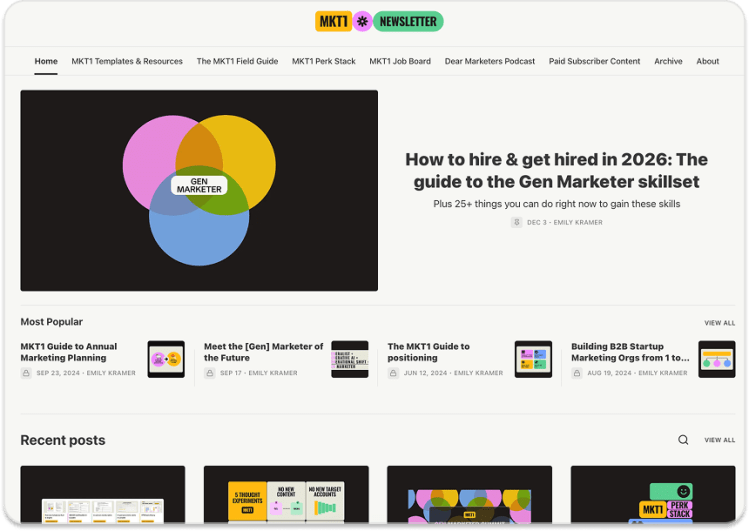
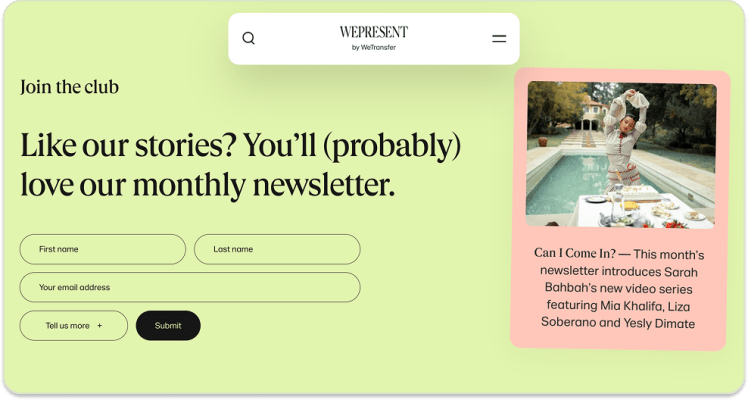
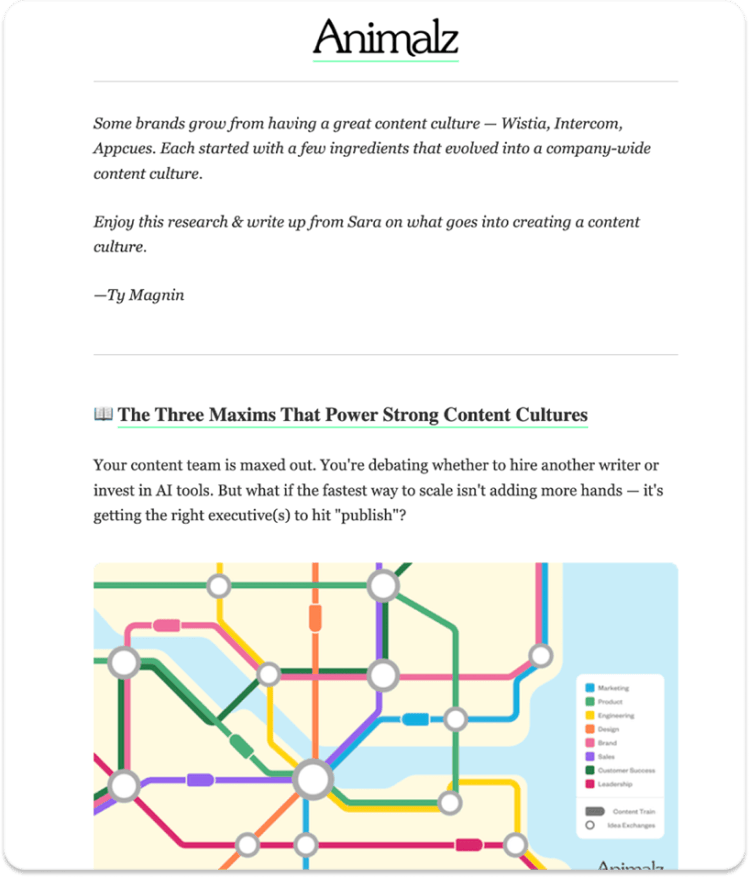
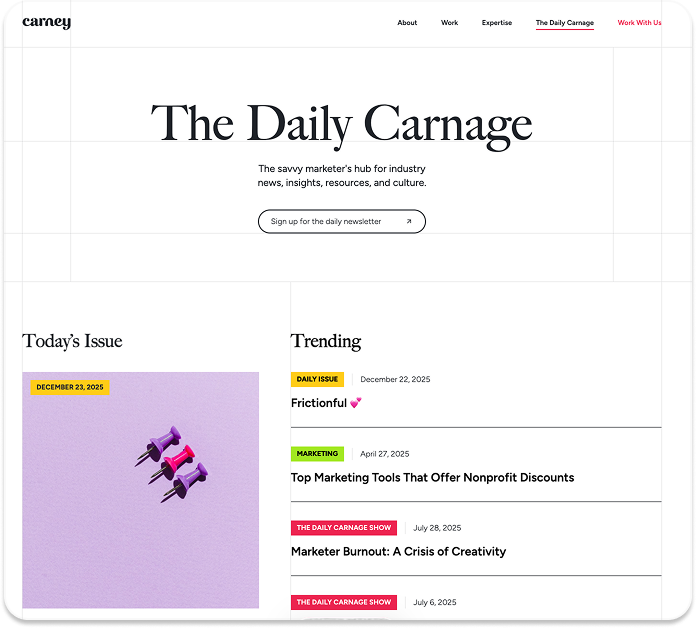



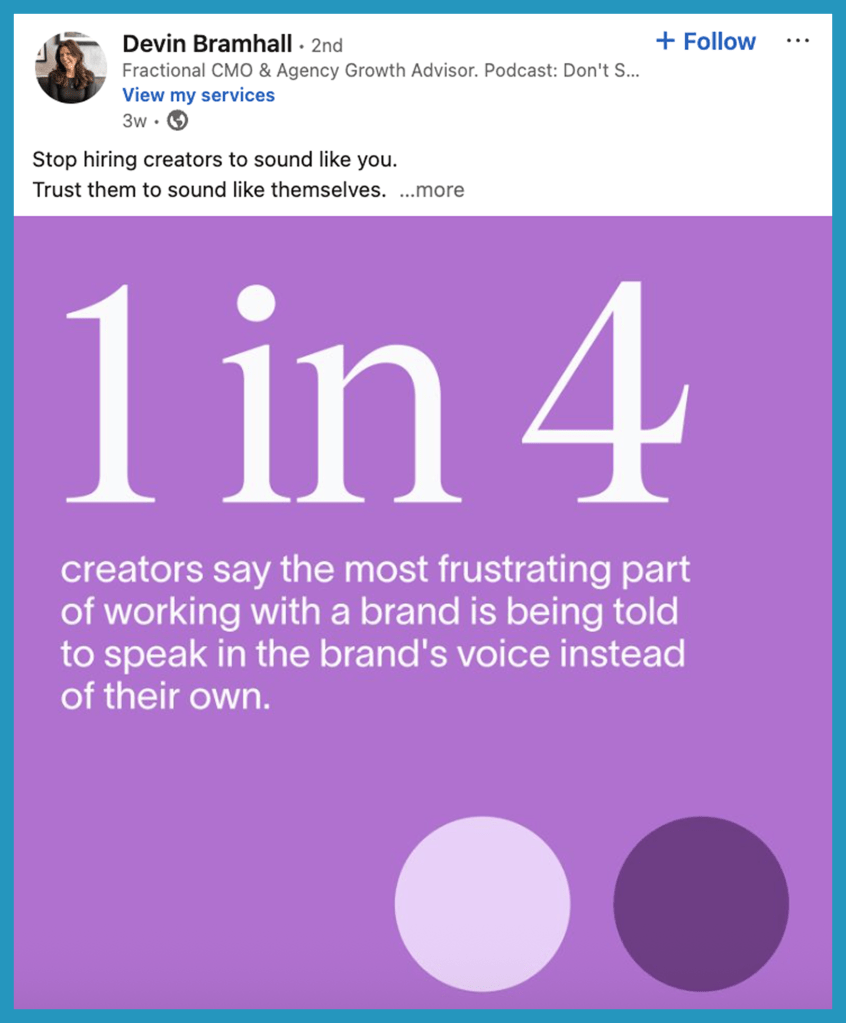
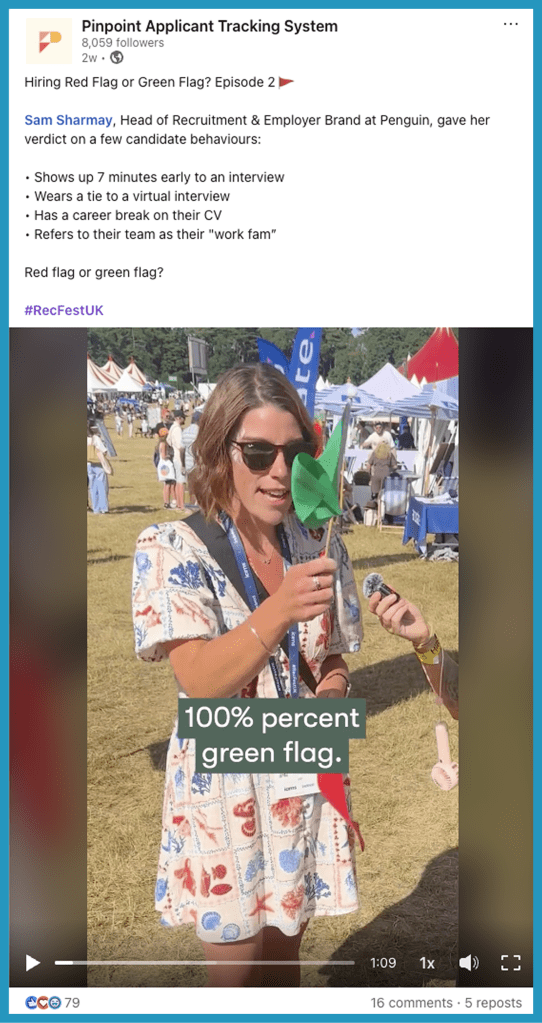
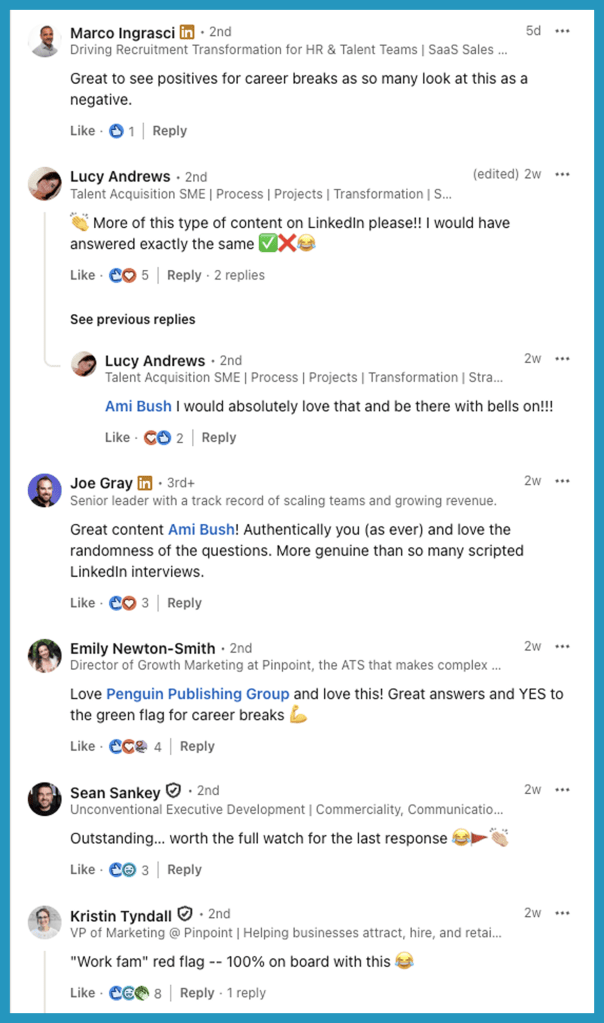

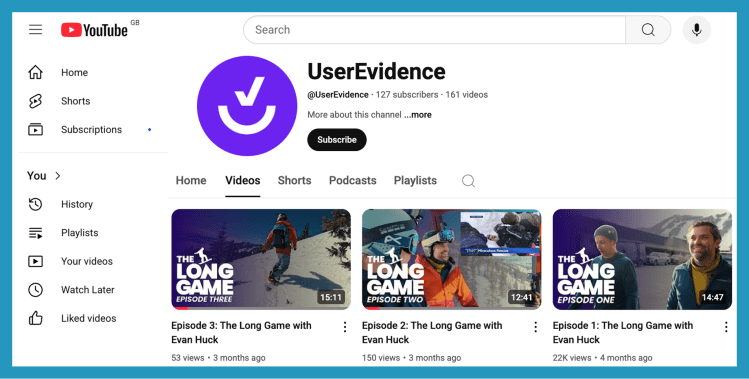

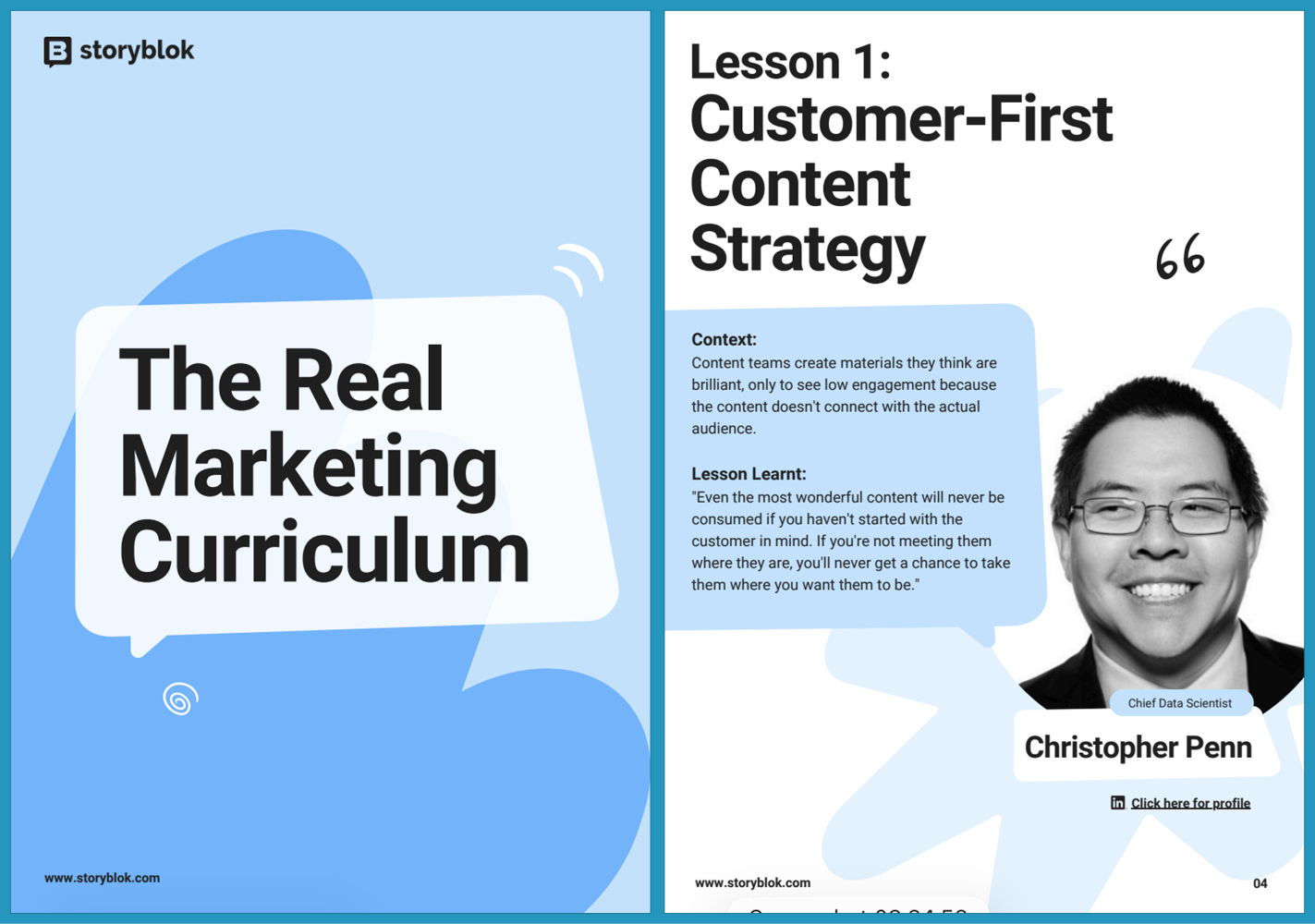
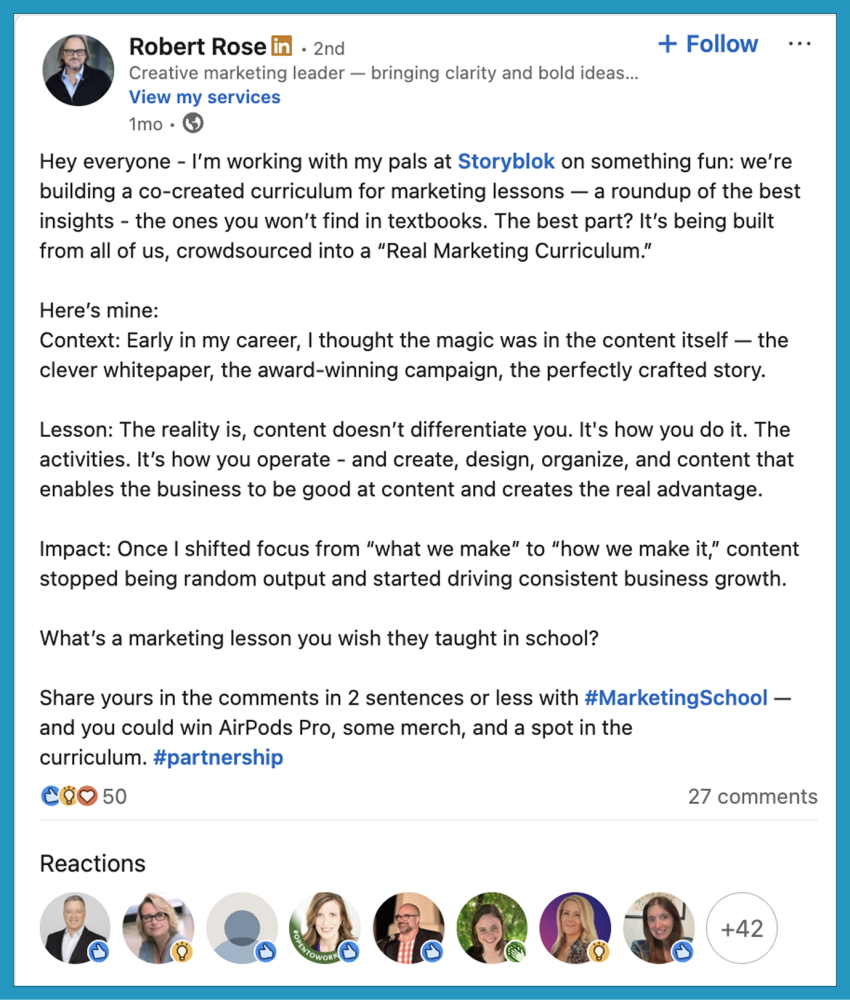
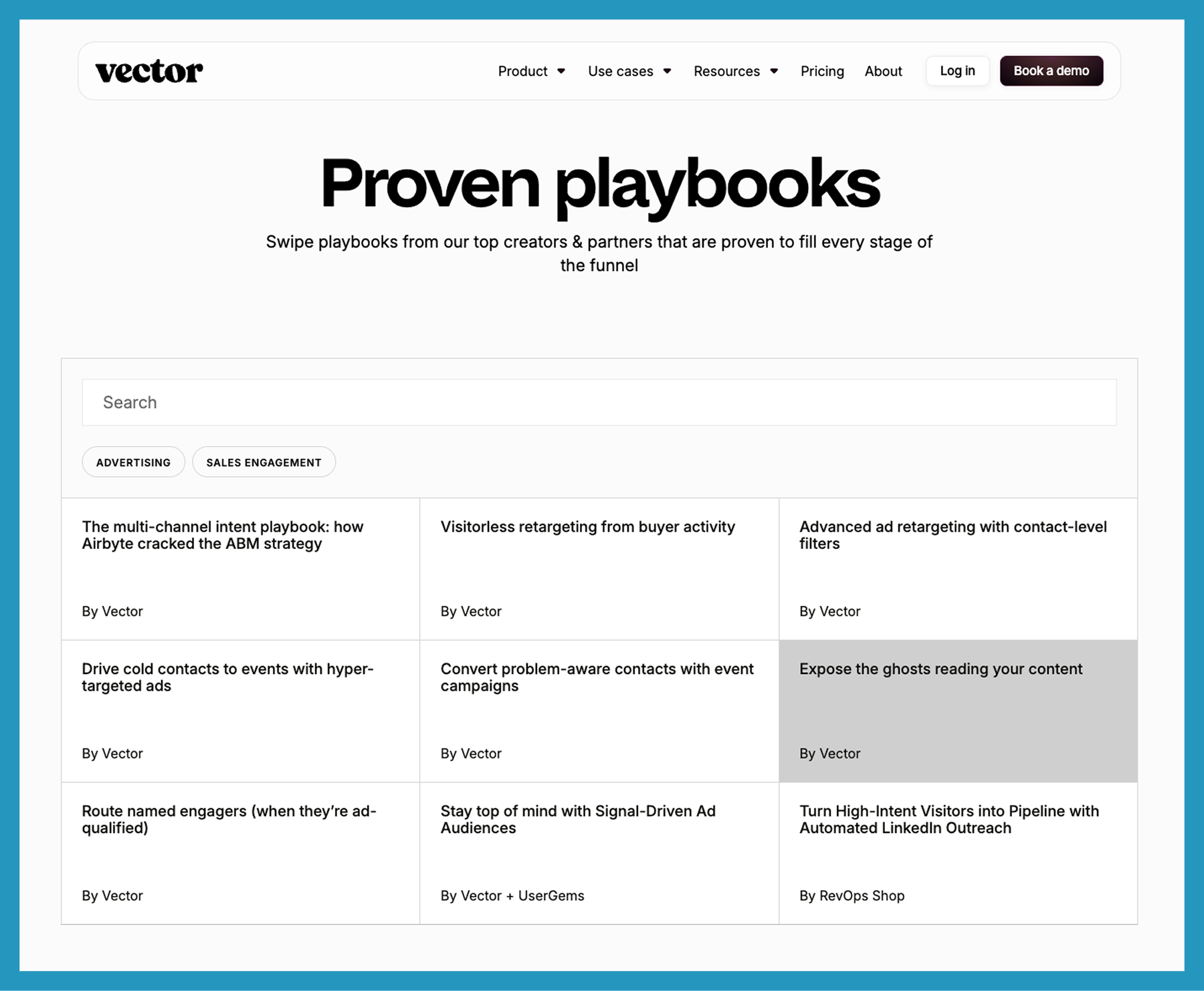
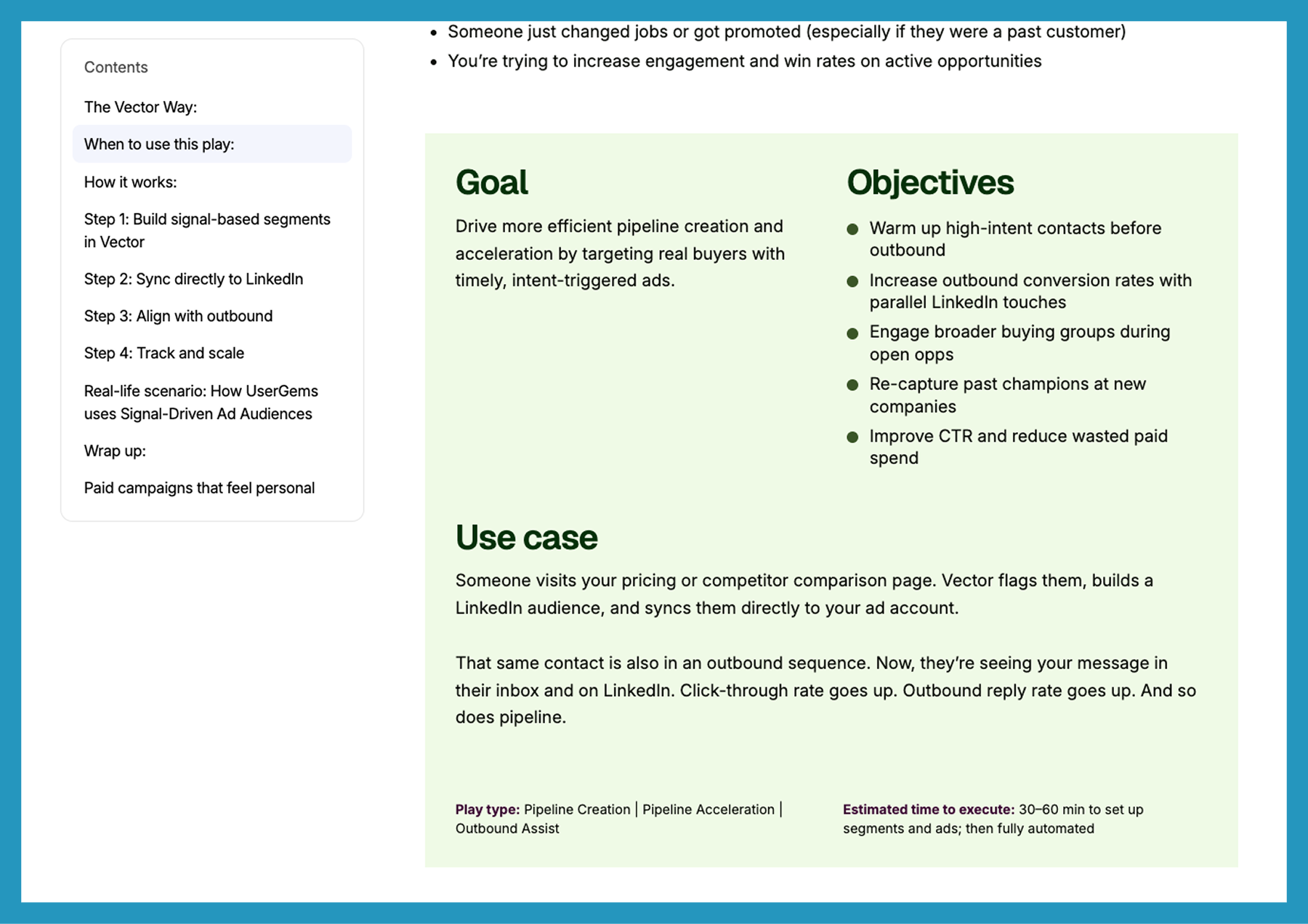
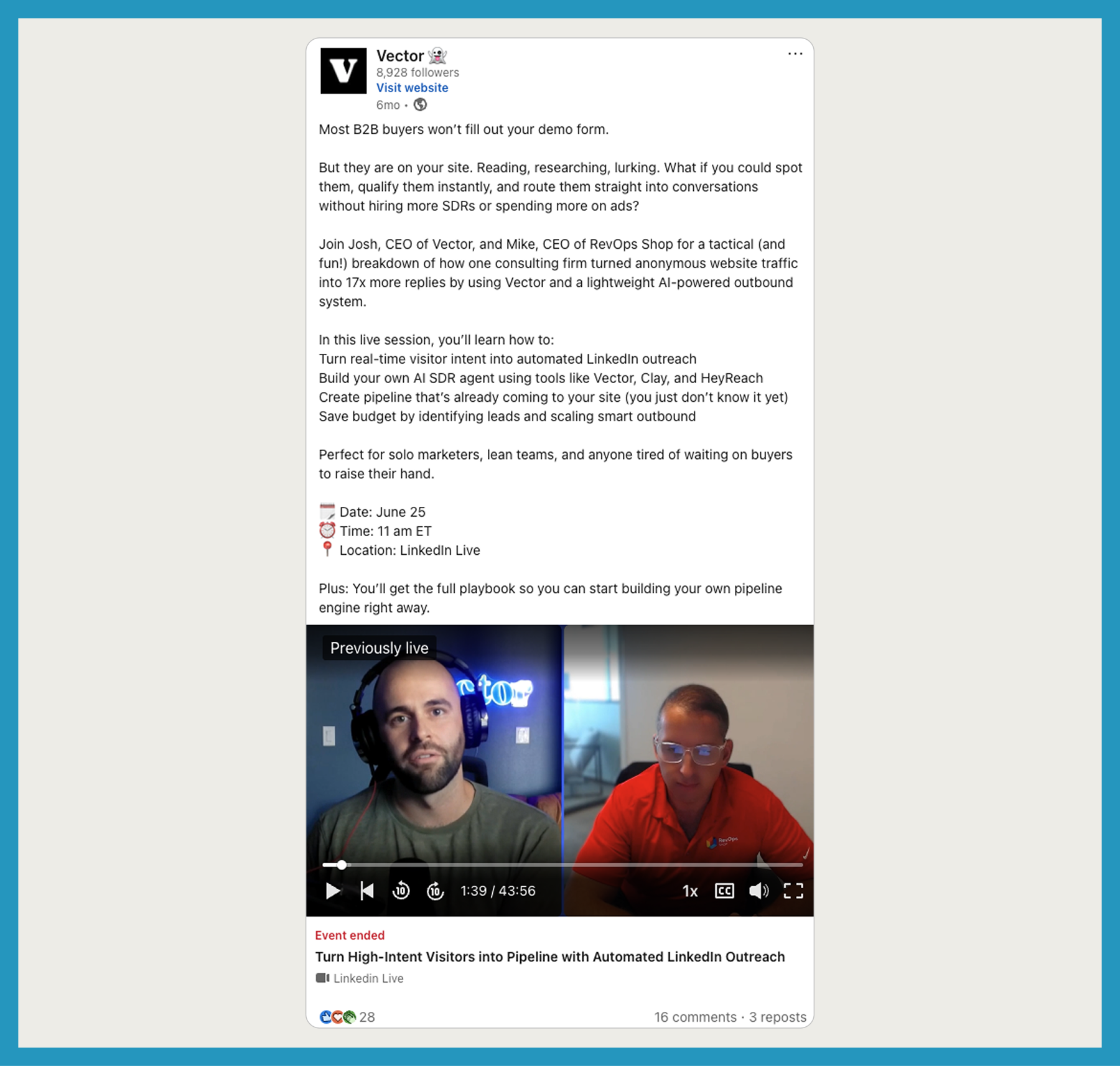
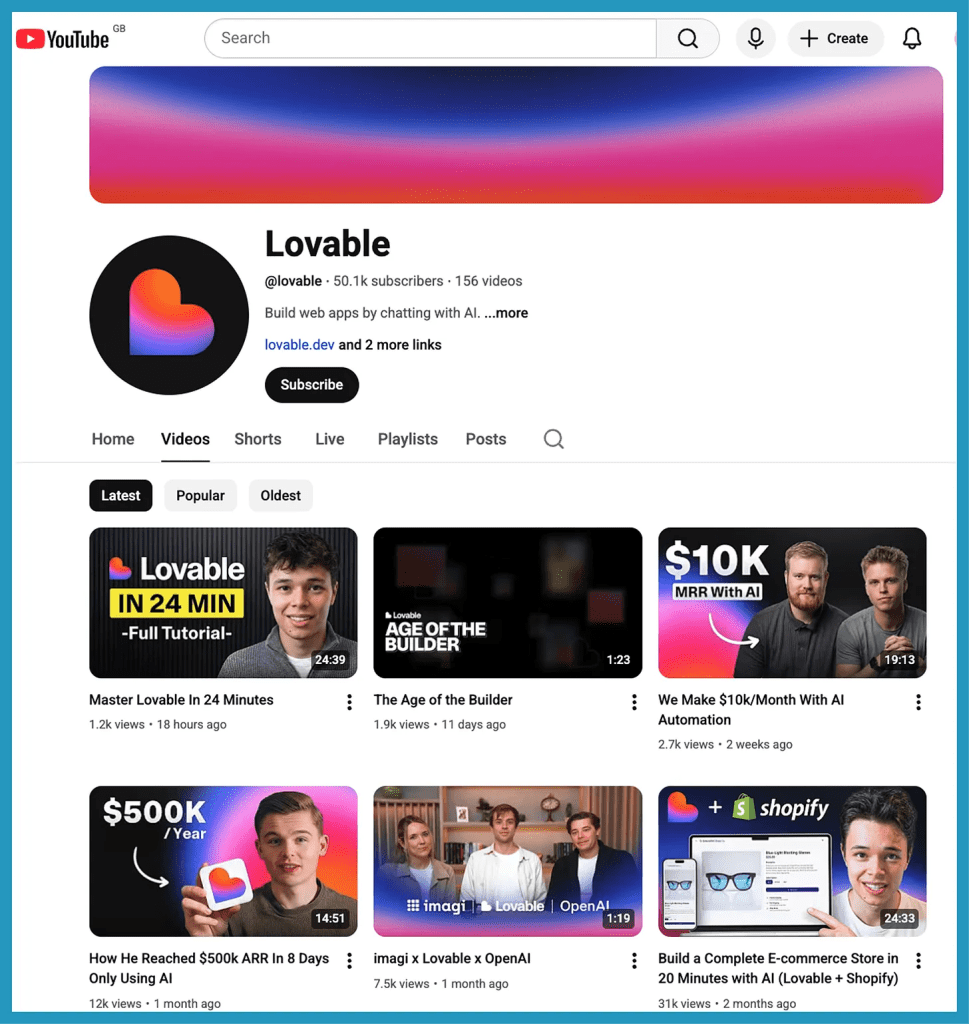
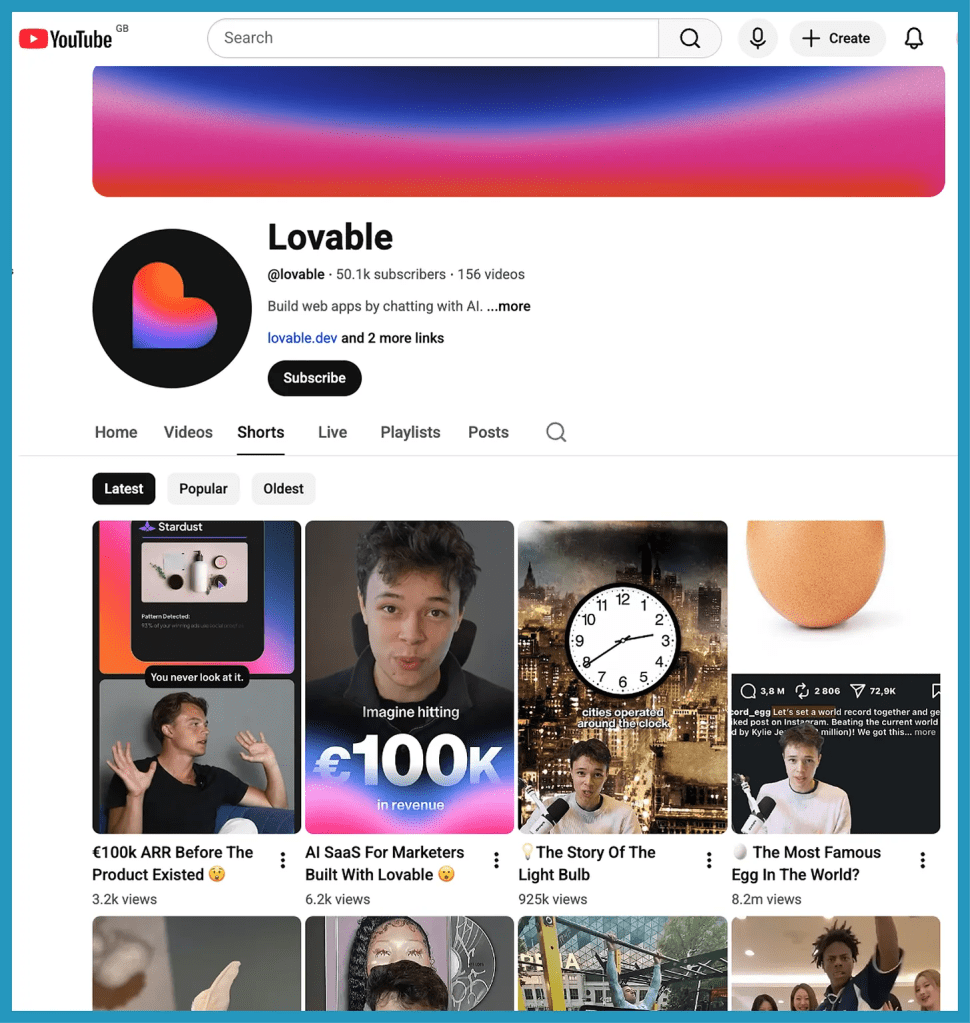
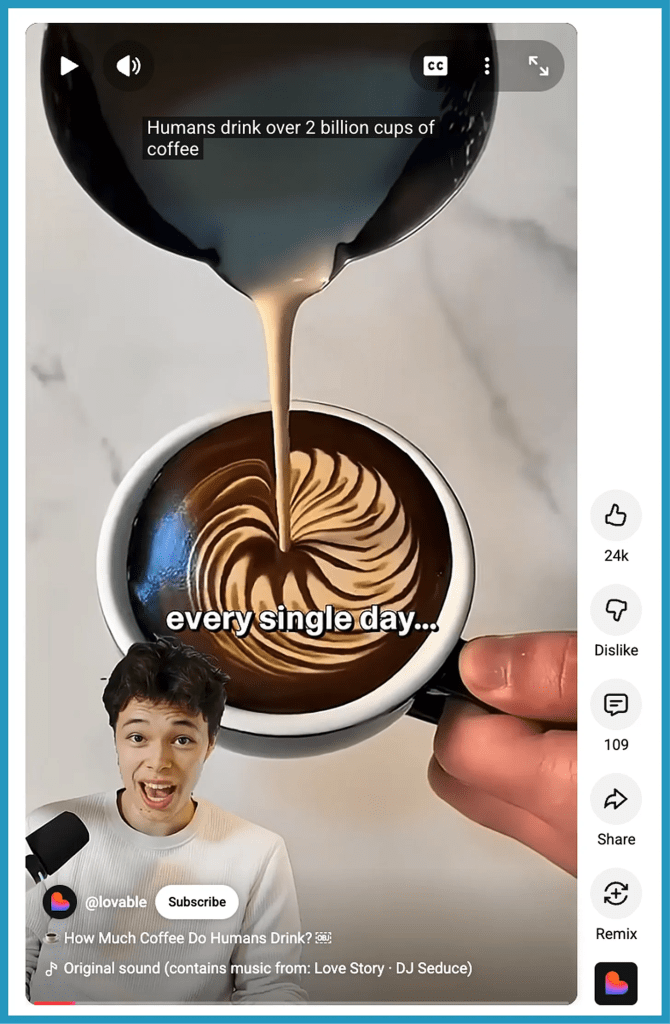
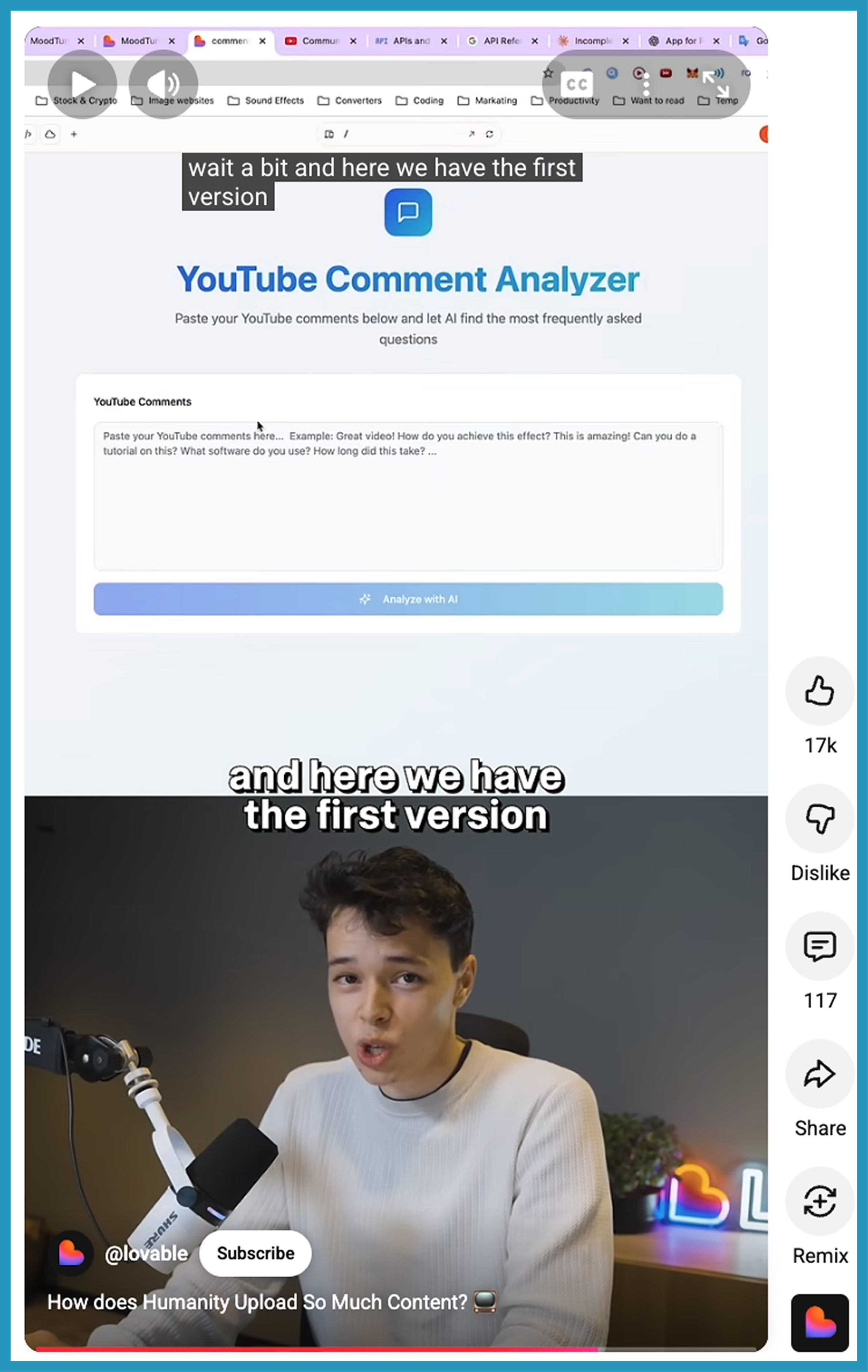
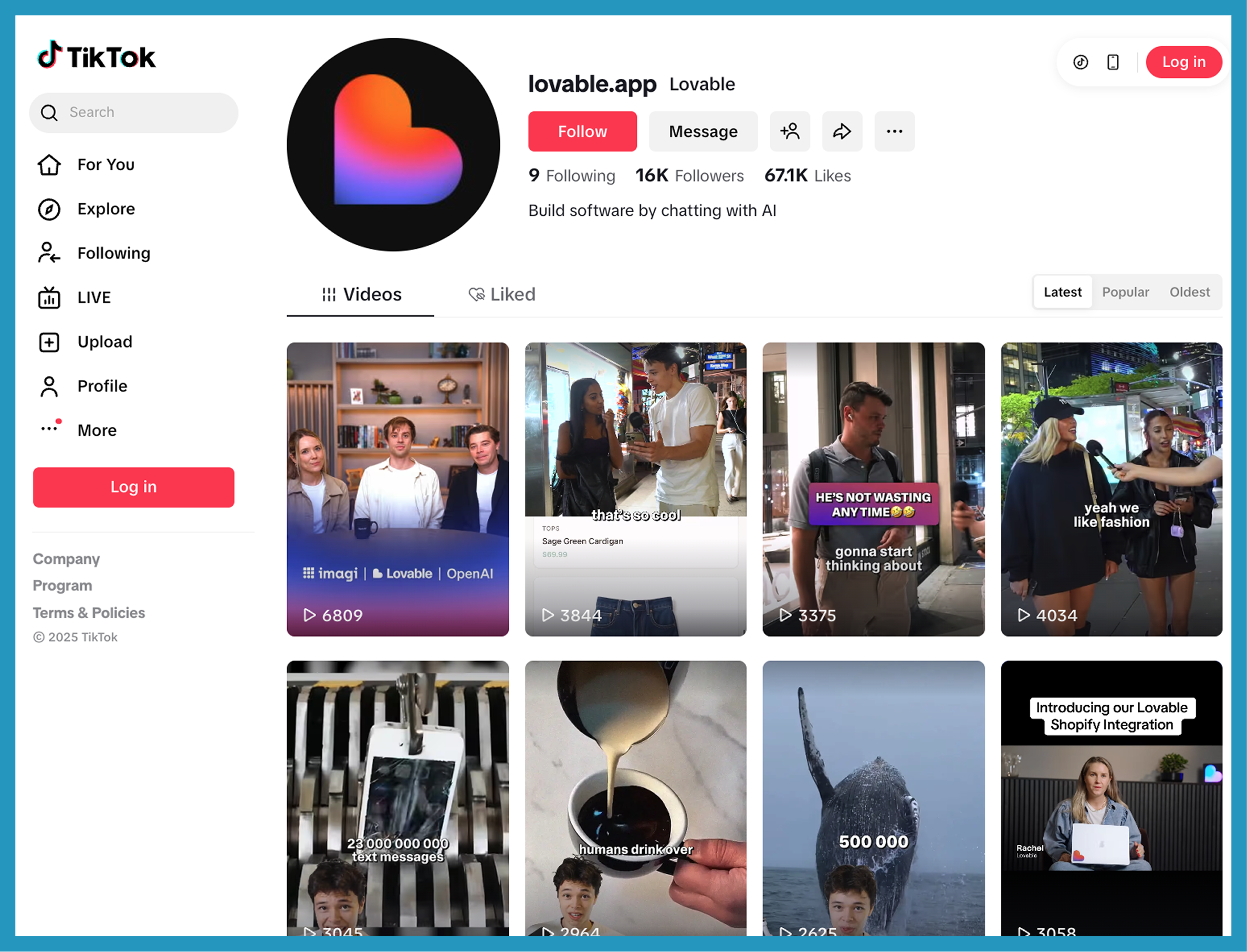
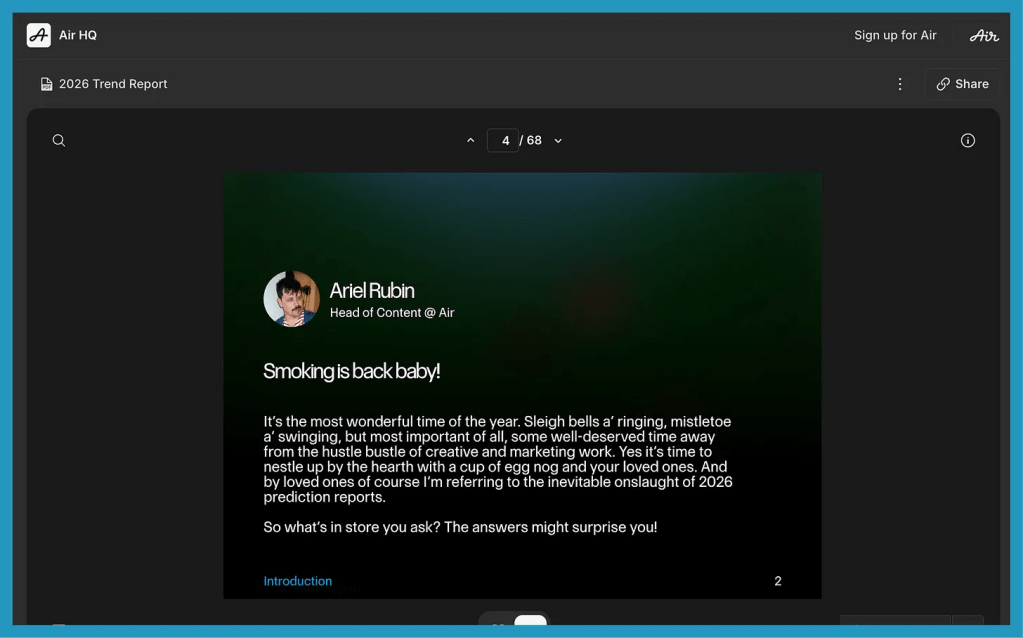
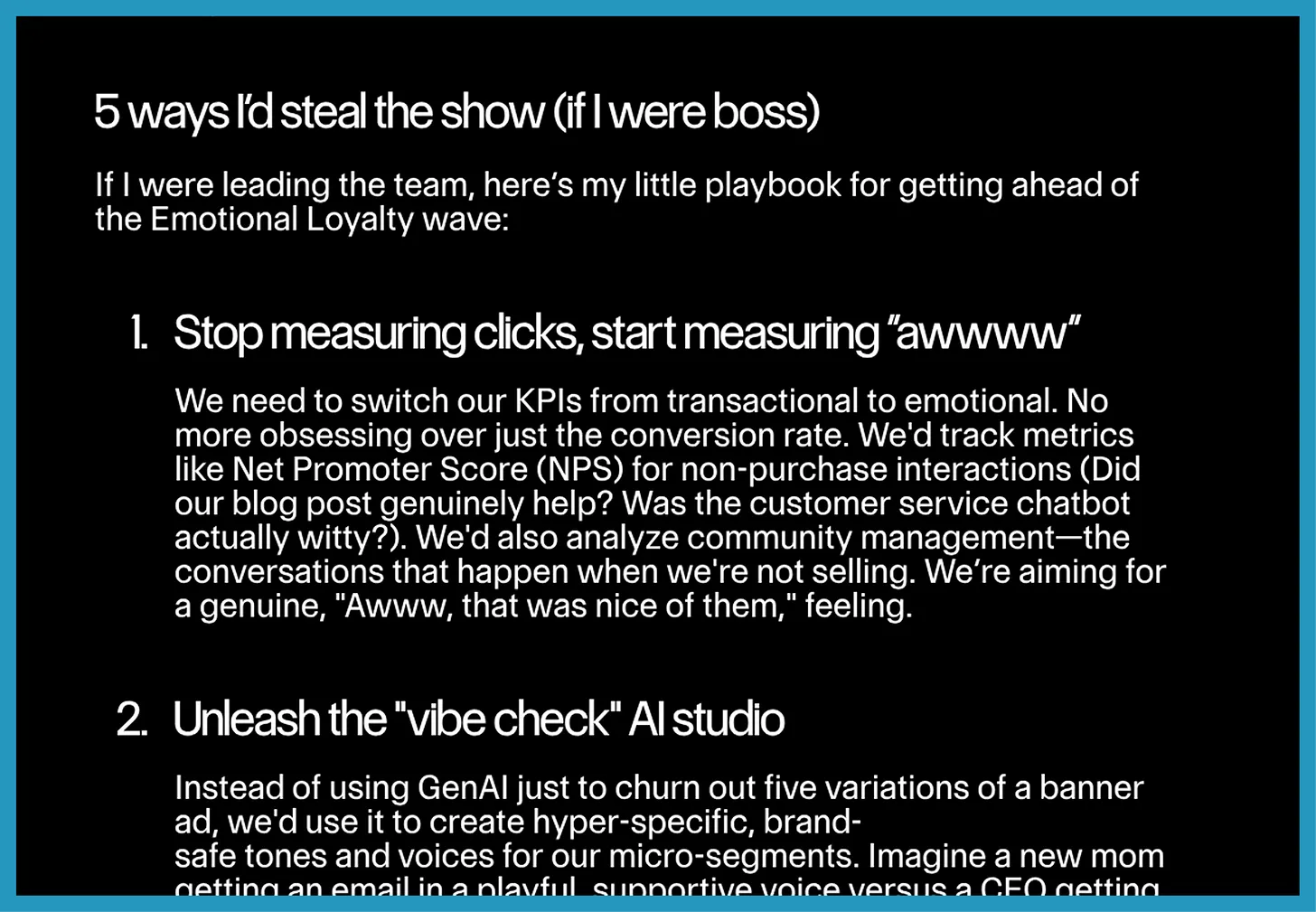
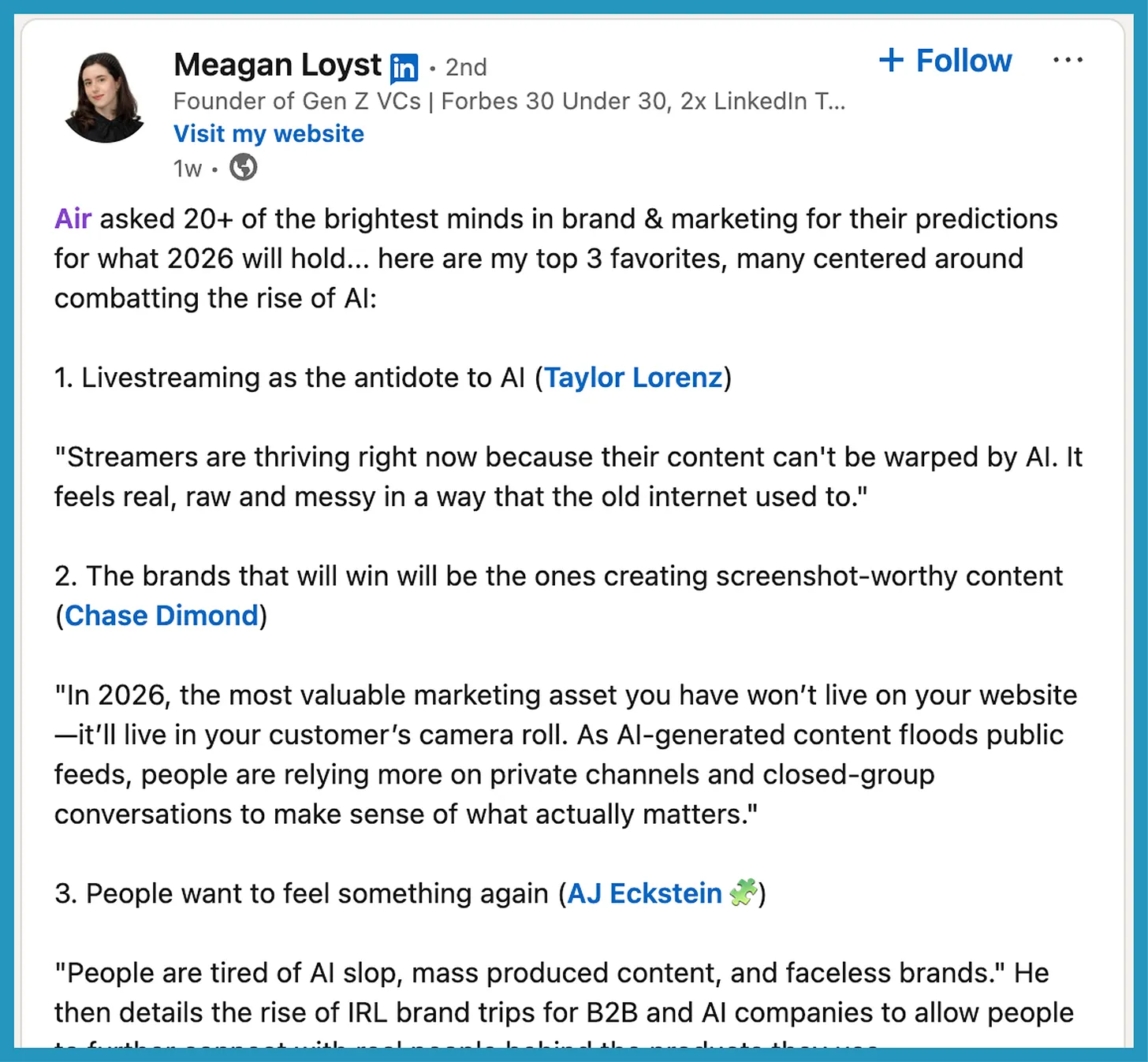
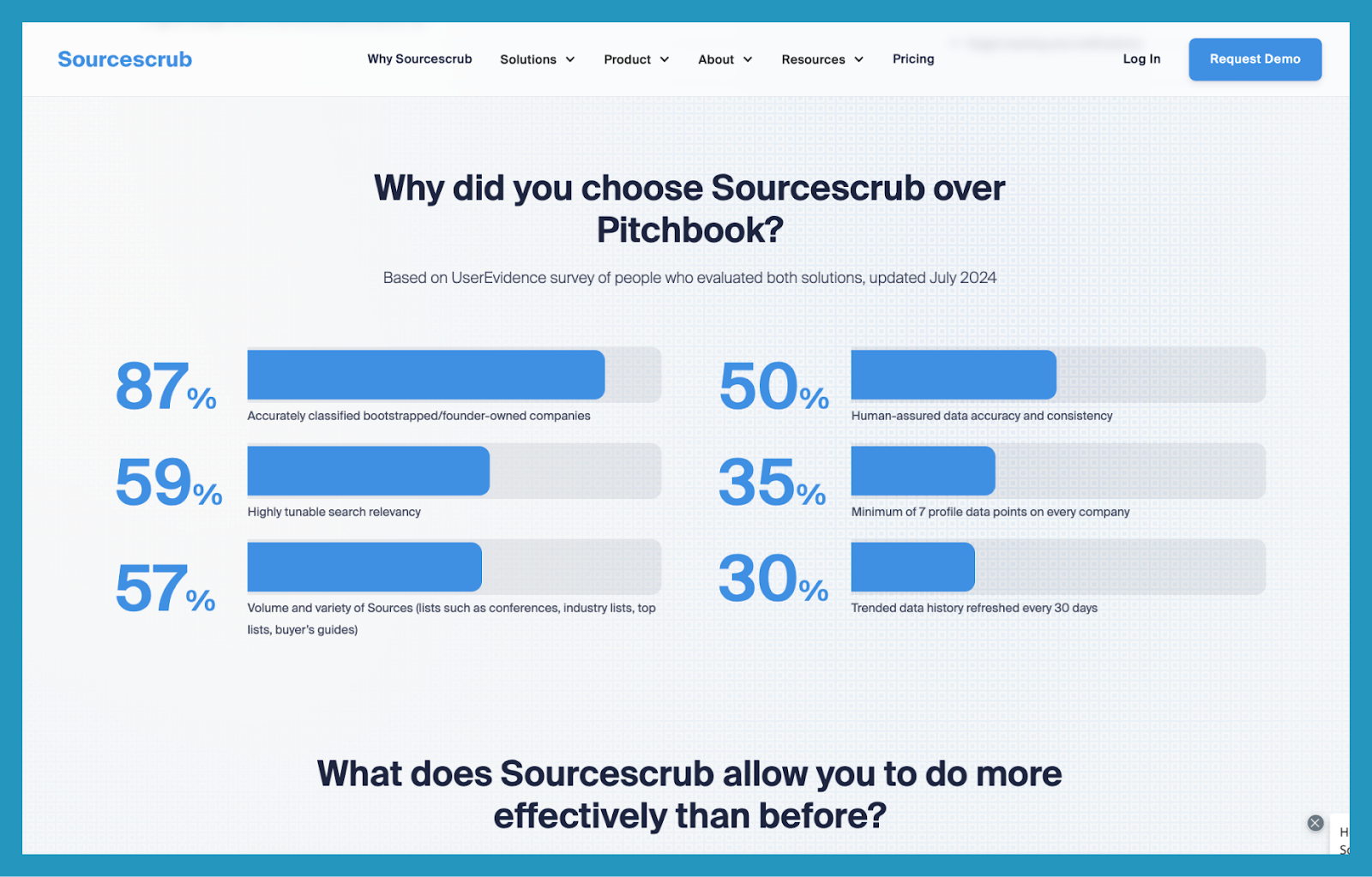
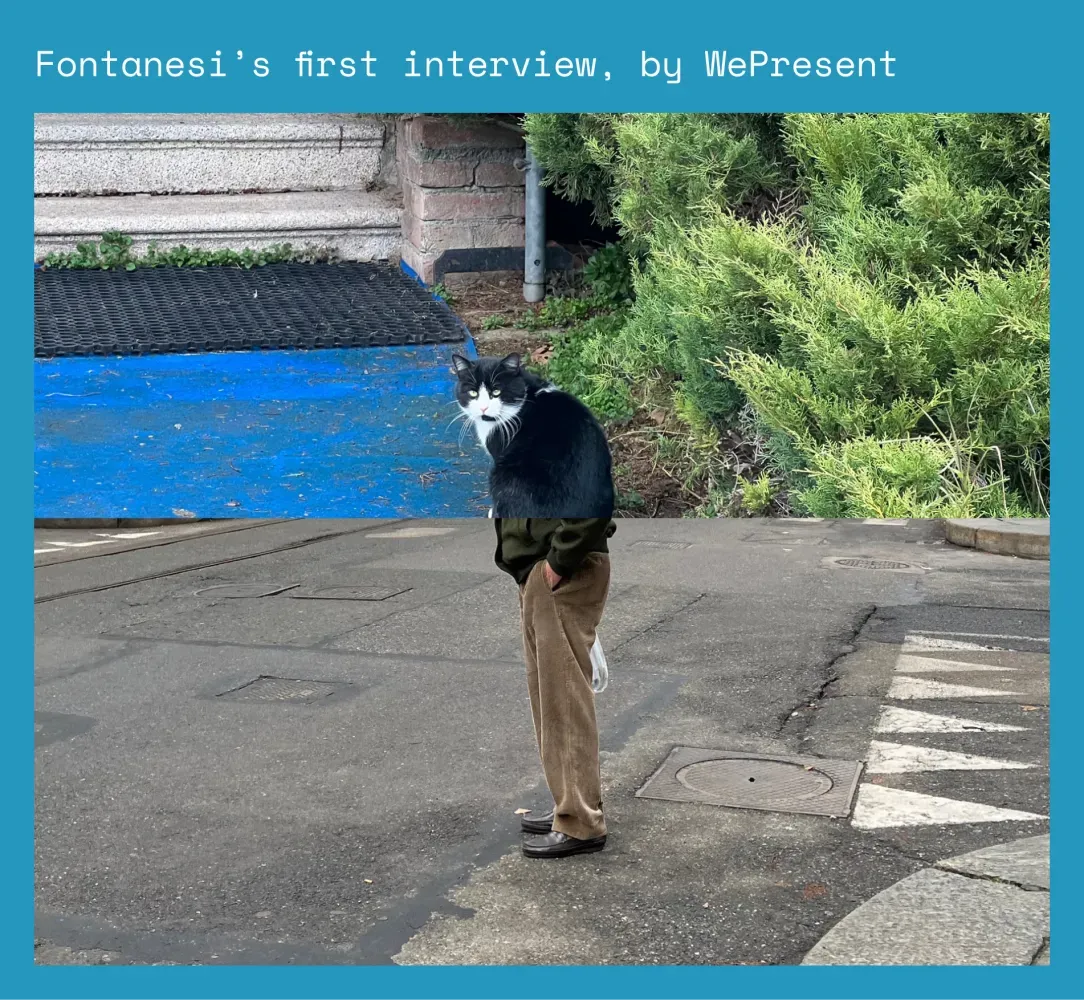


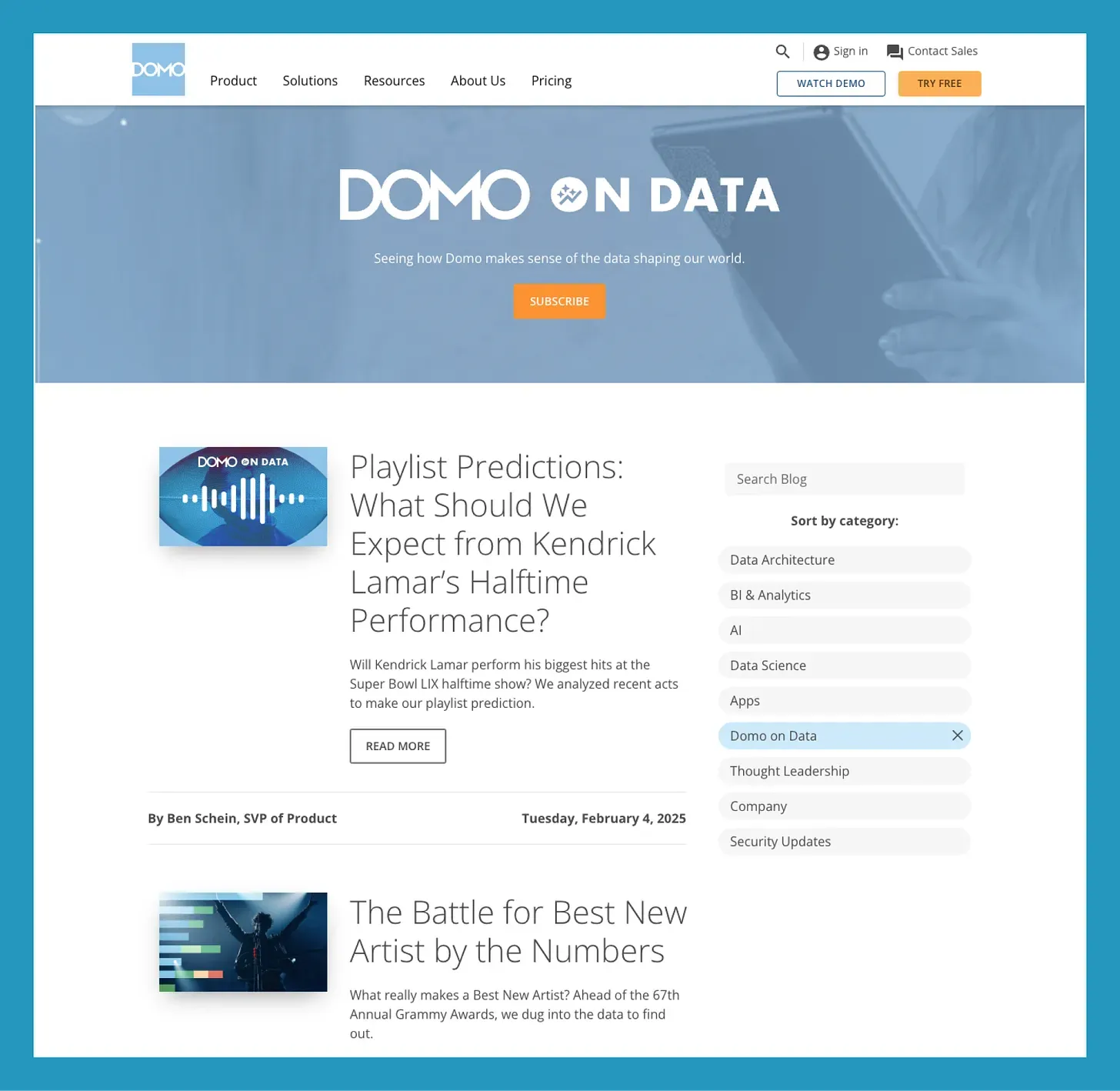




























 Content strategist, writer, advisor for B2B startups