For years, I’ve subscribed to dozens of marketing newsletters, hoping to find the ones that actually make me better at my job.
Most get deleted without reading. Generic advice, recycled LinkedIn posts dressed up as insights, or just thinly veiled pitches for someone’s course.
But the ones I actually read? They’re the ones where someone’s sharing what they’re learning whilst doing the work, not just theorising about it. The ones that make me think differently about a problem I’m wrestling with, or show me what’s actually working for other marketers right now.
If you’re looking for marketing newsletters, Substack is where a lot of the best ones live. It’s become the go-to platform for independent marketing voices – people sharing real lessons without corporate filters, all in one place that’s easy to manage.
Here are the marketing substacks I’ve actually stayed subscribed to.
The 11 best marketing substacks for 2026
This Month in Content for creative marketing inspiration through standout B2B content examples
Customer Focus for accelerating growth by putting customers at the heart of your business
Elena’s Growth Scoop for building predictable, sustainable growth systems for B2B
Because of Marketing for staying inspired by the campaigns shaping cultural conversation
MKT1 for understanding how marketing fits into wider company strategy
It’s bi-weekly, and each edition breaks down not just what they did, but why it works strategically and what you can learn from it.
Whilst it’s largely content marketing focused, it has broader relevance for creative marketing ideas and campaign inspiration – with content typically running through all areas of marketing.
Recent editions, for instance, include UserEvidence’s ‘The Long Game’ YouTube series (vlog-style interviews with marketing leaders on ski slopes and golf courses instead of in a studio) and Typeform’s ‘Get Real’ campaign (interactive research featuring 146 video survey responses about authenticity in influencer marketing).
✍️ Newsletter author: Alicia Carney 🛍️ Type of marketing covered: Product marketing 🎨 Specialism: Startups 🫶 Who it’s best for: Accelerating growth by putting customers at the heart of your business
Customer Focus is written by Alicia Carney, a product marketing expert and now Head of Marketing at Ravio. It’s a newsletter about keeping your customer at the centre of everything – from GTM strategy to product positioning to measuring commercial performance.
Alicia shares tips, hard lessons, and free frameworks from working with startups at every stage. For instance, her edition “From MVP to revenue: What I learned talking to 50+ founders about early GTM” breaks down the three biggest validation mistakes she sees, based on actual conversations with founders navigating that messy early stage.
Another recent edition, “The discipline of being selective”, tackles something every marketer feels – being asked to be everything, everywhere, all at once. She connects this back to product marketing fundamentals: the founders who grow fastest are the most selective about their ICP and focus.
✍️ Newsletter author: Elena Verna 🛍️ Type of marketing covered: Growth marketing, product marketing 🎨 Specialism: Startups 🫶 Who it’s best for: Building predictable, sustainable growth systems for B2B
Elena Verna has over 15 years scaling companies through product-led strategies at places like Miro, SurveyMonkey, Amplitude, and Dropbox. Now she’s leading growth at Lovable, and her newsletter documents that journey alongside frameworks and lessons from her career.
She writes about creating sustainable growth systems for B2B, navigating leadership and career decisions, and the realities of advising versus operating.
✍️ Newsletter author: Rachael Higgins 🛍️ Type of marketing covered: Brand marketing, campaigns, advertising 🎨 Specialism: B2C, ecommerce 🫶 Who it’s best for: Staying inspired by the campaigns shaping cultural conversation
Because of Marketing is a marketing and media brand for people who genuinely love this industry – the work, the ideas, the culture, the creativity behind it all. Founded by Rachael Higgins in 2020, it’s grown into a trusted resource for marketers and entrepreneurs worldwide.
Each week you get a roundup of campaigns worth studying – largely B2C, ecommerce, and big brand advertising – plus thought leadership on where marketing is heading. Recent weekly roundups have covered J.Crew’s ‘The Wishlisters’ holiday campaign, Spotify Wrapped 2025, and Starbucks’ seasonal campaigns.
✍️ Newsletter author: Emily Kramer 🛍️ Type of marketing covered: Growth, marketing leadership, all marketing functions 🎨 Specialism: B2B startups 🫶 Who it’s best for: Understanding how marketing fits into wider company strategy
MKT1 is written by Emily Kramer, who’s led marketing at some of the fastest-growing B2B startups over the past 15+ years. Now she shares what she’s learned about marketing leadership and strategic thinking for B2B startups.
For marketers who want to understand how their work connects to wider business strategy, or who have leadership ambitions, this newsletter shows you how the best marketing leaders think.
✍️ Newsletter author: Andrei Zinkevich 🛍️ Type of marketing covered: Growth, demand generation, ABM 🎨 Specialism: B2B startups 🫶 Who it’s best for: Developing ABM programmes for high ACV, long sales cycles
Full-Funnel B2B Marketing is written by Andrei Zinkevich, co-founder of Fullfunnel.io. They help B2B companies with high deal sizes and long sales cycles develop full-funnel ABM programmes.
This isn’t your typical growth newsletter full of case studies from Figma or Airbnb. Instead, Andrei writes about growing B2B companies with high ACV, long sales cycles, and complex sales – sharing 18 years of experience doing ABM.
✍️ Newsletter author: Masooma Memon 🛍️ Type of marketing covered: Content marketing 🎨 Specialism: SaaS 🫶 Who it’s best for: Naturally weaving your product into content without sounding sales-y
Inside Product-Led Content tackles one of the hardest challenges in SaaS content marketing: how do you feature your product in content without making readers run for the hills?
Masooma Memon is the expert on product-led content, and each edition breaks down real examples done well, plus templates and frameworks to help you scale production even with freelance writers who don’t know your product inside out.
✍️ Newsletter author: Kyle Poyar 🛍️ Type of marketing covered: Growth marketing 🎨 Specialism: SaaS 🫶 Who it’s best for: Connecting marketing to company growth and demonstrating ROI
Growth Unhinged is written by Kyle Poyar, co-founder and operating partner at Tremont, a VC firm backing enterprise SaaS and AI companies. His newsletter covers marketing and growth strategy for B2B, giving you the wider context your marketing work fits into.
If you need to connect your marketing to wider company growth, get a seat at the table, or understand how traffic and engagement metrics are shifting, this newsletter provides the strategic context you need.
✍️ Newsletter author: Eli Schwartz 🛍️ Type of marketing covered: Growth, SEO 🎨 Specialism: Startups 🫶 Who it’s best for: Understanding how SEO and search are evolving with AI
The Future of SEO is Eli Schwartz’s weekly thoughts about the future of marketing, SEO, and growth. With AI search engines changing how people find information, understanding what’s coming next for SEO matters more than ever.
✍️ Newsletter author: Tom Orbach 🛍️ Type of marketing covered: Creative marketing, campaigns, all marketing functions 🎨 Specialism: Startups 🫶 Who it’s best for: Battle-tested, unconventional marketing tactics that actually work
Marketing Ideas is written by Tom Orbach, Director of Growth Marketing at Wiz (a $32B cybersecurity company). Every Thursday he shares one powerful marketing idea that’s battle-tested, unconventional, and actually practical.
Recent editions have covered Timothée Chalamet’s “leaked” internal marketing meeting for his new film – a fake Zoom call that went viral because it feels like you’re seeing something you shouldn’t. Tom breaks down what works and how to apply it to your own marketing (try this with Slack screenshots, internal memos, “accidental” drafts).
Another edition cuts through the noise with his top 9 marketing books actually worth your time – saving you from wasting hours on the other 91. For marketers who want creative tactics without the fluff, this newsletter delivers.
✍️ Newsletter author: Fio Dossetto 🛍️ Type of marketing covered: Content marketing 🎨 Specialism: B2B startups 🫶 Who it’s best for: Practical lessons from someone doing content marketing alongside you
Content Folks is written by Fio Dossetto, Brand & Content Lead at Float, and it reads like getting advice from someone who just figured something out and wants to share it whilst it’s still fresh.
Short lessons, practical examples, and insights about the daily realities of content marketing.
It’s the newsletter for when you need tactical advice from someone in the trenches with you, not theory from someone who hasn’t done the work in years.
Start with the ones that match where you’re working and what you’re wrestling with right now.
If you’re in a B2B startup trying to figure out your GTM, Customer Focus and MKT1 will give you frameworks that actually work. If you’re responsible for growth metrics, Elena’s Growth Scoop and Growth Unhinged show you what’s working for similar companies. If you need creative inspiration or want to understand what campaigns are landing culturally, This Month In Content and Marketing Ideas deliver that weekly hit.
The beauty of Substack is you can try a few, see what resonates, and adjust. Subscribe to 3-5 to start, give them a month to prove their value, then be ruthless about unsubscribing from ones that don’t deliver.
The newsletters worth keeping are the ones that make you better at your job – whether that’s giving you tactical advice you can use tomorrow, strategic thinking that changes your approach, or just reminding you why you chose this industry in the first place.
Most “types of content marketing” lists just dump content formats at you without explaining when you’d actually use them.
Blogs, videos, podcasts, infographics, case studies, social posts – sure, these are all types of content. But knowing they exist doesn’t help you decide which ones to invest in.
The reality is that the right type depends on what you’re trying to achieve.
Content that drives conversions looks different to content that builds brand awareness. Content that educates prospects about your product serves a different purpose to content that positions your brand in the market.
This post organises types of content marketing by purpose, with real examples of each type done well – so you can figure out which ones make sense for your strategy.
Looking for fresh ideas to level up your content marketing?
Subscribe to This Month In Content for one standout content marketing example delivered every two weeks, for your regular bout of inspiration.
When people talk about “types of content marketing,” they usually mean formats – blogs, videos, podcasts, infographics. Or they mean channels – SEO content, social media content, email content.
Those distinctions matter for execution. But they don’t help you decide what to create.
A more useful way to think about content types is by purpose: what are you actually trying to achieve?
Which is why I think distinction between product-led content and branded content types is the most important to delve into:
Product-led content exists to drive conversion and product education. It helps prospects understand your solution, evaluate alternatives, and make buying decisions. This content lives further down the funnel where people are actively researching solutions.
Branded contentexists to build awareness, visibility, and brand warmth. It positions your brand in the market, demonstrates your values and expertise, and creates connections with audiences who might not be ready to buy yet. This content lives higher in the funnel and focuses on building relationships rather than driving immediate conversions.
The same format can serve either purpose depending on how you approach it.
A video series could be product demos (product-led) or it could be interviews with industry leaders discussing broader challenges (branded).
A research report could compare solution categories to help prospects evaluate options (product-led) or it could analyse industry trends to position your brand as a thought leader (branded).
Most effective content strategies include both – just in different proportions depending on your goals, company context, ICP audience.
Below, I’ve organised 12 more specific types of content marketing under these two umbrellas. Each type includes what it is, when to use it, and real examples of brands doing it well.
Product-led content (for conversion and product education)
Product-led content exists to move prospects closer to buying.
Users are already aware they have a problem and are evaluating solutions, and your job is to help them make an informed decision (ideally in your favour).
Case studies showcase how real customers use your product and the results they achieved.
They work because prospects want proof that your solution actually delivers – not just features and promises, but evidence from someone like them who succeeded.
The strongest case studies focus on the customer’s story and challenges rather than your product features, with specific metrics that demonstrate impact.
Product education content teaches prospects and customers how to get value from your product.
This includes product demos or how to tutorials showing different ways to apply your solution, how-to guides for specific workflows, and educational resources that help users level up their skills.
Video or interactive demos work particularly well because they let prospects see the interface, explore workflows, and understand the user experience before committing.
The best demos focus on solving specific problems rather than touring every feature, and tutorials that teach prospects how to achieve something create value whilst showcasing your product’s capabilities.
This content serves prospects evaluating whether your product can solve their specific problem, and customers wanting to get more value from what they’ve already bought.
Examples:
Notion shares super short product video clips as LinkedIn posts highlighting specific features like keyboard shortcuts or workflow automations – each solving one problem in under 30 seconds.
Clay University is an entire educational platform with courses, tutorials, and use case examples teaching users what’s possible with Clay whilst naturally demonstrating the product’s capabilities.
User-generated content
User-generated content showcases what your customers create or achieve using your product. It works because prospects trust other users more than they trust your marketing, and seeing real people succeed with your product provides social proof that’s hard to replicate.
The strongest user-generated content makes customers the heroes, celebrating their work whilst naturally demonstrating what’s possible with your product.
Example: Lovable’s Discover page is a gallery of real projects people have built using their AI builder – you can browse and actually interact with functioning apps, whilst community members like projects to surface the most popular ones, creating a flywheel where user creations become the content library.
Competitor comparison content helps prospects evaluate you against alternatives they’re considering.
This includes “[Your product] vs [Competitor]” pages, “[Competitor] alternatives” listicles, and comparison guides that break down differences in features, pricing, and use cases.
These pages target high-intent prospects who are actively researching options, making them valuable for conversion – but they need to be credible rather than one-sided sales pitches.
Category education content helps prospects understand the solution category itself – not your specific product, but the broader options available for solving their problem.
This includes guides like “What is [category]” or “How to evaluate [solution type]” or “[Category] buyer’s guide.”
This content targets prospects earlier in their research, before they’ve narrowed down specific vendors. It builds trust by helping them make informed decisions rather than pushing your product immediately.
Free tools and calculators provide immediate value whilst capturing prospects who are showing early signs of the problem you solve. They work because they’re genuinely useful for a specific task right now – but that task often signals a bigger need developing.
The best tools solve problems your audience faces at the moment they’re starting to think about the broader challenge, creating natural touchpoints before they’re actively looking for paid solutions.
Examples:
Ravio created salary benchmark landing pages for every country, industry, and job role – when someone searches “UK salary benchmarks” or “India salary benchmarks“, they’re likely hiring and looking for data. Ravio gives them the free benchmark they need whilst introducing them to the product, and the programmatic SEO approach means they can scale these pages across every relevant search term.
Flow Agency released a free Looker Studio dashboard tracking traffic from ChatGPT and other LLM sources in Google Analytics – when marketers start tracking LLM traffic, they’re showing early interest in optimizing for AI search before they’re actively looking for services.
Greenly’s Legislation Checker helps companies understand which sustainability regulations apply to them – the moment they’re figuring out compliance requirements is exactly when they’re starting to realize they’ll need proper sustainability software to actually manage reporting and compliance.
Get fresh content marketing inspiration for your strategy – product-led, branded, and everything in between.
Branded content (for awareness, visibility, and brand warmth)
Branded content exists to build awareness and position your brand in the market.
It’s not about moving prospects to buy right now – it’s about creating connections with audiences who might not be ready to buy yet, demonstrating your values and expertise, and building the kind of brand warmth that eventually drives inbound interest.
Editorial content is journalism-style articles, essays, and stories. It could be industry analysis, cultural commentary, or explorations of topics your audience cares about.
The strongest editorial content could exist as an independent publication – it’s that good. It builds brand authority by demonstrating your perspective and values rather than promoting your features.
Example: WePresent by WeTransfer is a digital arts platform profiling artists across photography, film, music, design, and writing – with its own editorial team, commissioned work from established writers, and recurring series. It operates like genuine journalism rather than branded content, positioning WeTransfer as patrons of the arts through sustained investment in creative work.
Video content
Video content spans everything from short-form social clips to long-form documentary-style series. It works because video is highly engaging, lets you showcase personality, and creates stronger emotional connections than text alone.
The best branded video content entertains or educates first, with brand integration feeling natural rather than forced.
Examples: is a YouTube series where they film conversations with marketing leaders whilst doing activities they love – golfing in Vermont, skiing in Jackson Hole. The environment changes the conversation, creating episodic content viewers actually want to watch rather than typical business podcast footage. Read the full breakdown in This Month In Content – September 2025
UserEvidence’s ‘The Long Game’ is a YouTube series where they film conversations with marketing leaders whilst doing activities they love – golfing in Vermont, skiing in Jackson Hole.
Pinpoint’s Red Flag, Green Flag series filmed talent acquisition professionals giving reactions to common candidate scenarios – creating distinctive short-form video for LinkedIn and YouTube Shorts, using a trending TikTok format for awareness.
Typeform’s Get Real campaign includes video responses from survey participants woven throughout their interactive landing page – making human voices the content itself, and lending itself to distribution via social media.
Podcast content
Podcasts let you have in-depth conversations that build deeper connections with your audience. They work well for demonstrating expertise, platforming interesting voices, and creating content people consume during commutes or workouts.
The strongest branded podcasts focus on topics your audience cares about rather than making every episode about your company.
Example: Greenly runs two separate climate podcasts under Leaf Media – CSO Connect for tactical insights from Chief Sustainability Officers, and Eco Echoes for inspirational conversations with climate activists.
Original research content
Original research content uses proprietary data from your product or surveys you’ve conducted to surface unique insights. It positions you as a thought leader whilst providing genuinely valuable data your audience can’t get elsewhere.
The strongest research focuses on insights that matter to your audience rather than just data that makes your product look good.
Examples:
Typeform’s ‘Get Real’ campaign surveyed 1,300 people about influencer marketing, then created an interactive landing page with video responses from 146 contributors woven throughout – making human voices part of the research itself whilst those contributors became natural distribution advocates for the findings.
Air’s Zoltair Speaks asked 20 marketing leaders for one prediction each about 2026, keeping it simple whilst using contributors as a distribution engine through paid partnerships sharing their takes on LinkedIn.
Ravio’s annual Compensation Trends report analyses hiring, attrition, salary changes, and shifts in benefits like equity using data from their platform. They collaborate with compensation experts, VCs, and consultants to bring human commentary into the data, supporting LinkedIn distribution through partnerships. The annual campaign has become a known moment HR teams plan around, repurposed into SEO blogs targeting trends keywords, and it’s something the brand is recognised for – whilst subtly demonstrating what their compensation data product can do.
Interactive content
Interactive content requires user input or participation, creating more engaging experiences than static text or images. This includes quizzes, assessments, interactive data visualisations, or tools that let users explore information dynamically.
It works because people engage more deeply with content they can interact with, it provides a memorable experience that links with the brand, and it often provides personalised value based on defined inputs.
Interactive formats can also enhance other content types – original research presented as an interactive experience rather than a static PDF creates more engagement and makes insights easier to explore.
Examples:
Agorapulse’s Social Trends dashboard updates monthly with fresh social media performance data that’s filterable by region and industry – giving social media managers real benchmarks they can return to regularly, whilst matching how their audience actually wants to consume data rather than releasing a static annual PDF.
Typeform’s ‘Get Real’ campaign presented their research as an interactive landing page where users could explore findings across five chapters with embedded video responses – creating a more engaging experience than a traditional report whilst making the insights easier to navigate.
Webinar series
Webinars are live or recorded sessions featuring conversations with industry experts, educational content, or deep-dives into research and insights. They work for building relationships with your audience whilst platforming voices they want to hear from.
Webinars can be one-off events tied to specific launches or campaigns, or recurring series with consistent formats and regular schedules that audiences come to expect – more like a TV show than scattered events.
Examples:
Sequel’s Game Changers has been running weekly since September 2022 – one recurring format with CMO conversations, repurposed into replays, written summaries, and LinkedIn clips. It’s their entire content focus, with its own logo and spot in the main navigation, plus they’ve expanded with a Masterclass Series underneath the same brand showing how companies use webinars in their marketing, and published several guides explaining how they built their CMO webinar series too.
Newsletter content is email-based content that delivers value directly to inboxes. The strongest newsletters provide value on the page itself rather than just being link roundups to content elsewhere.
They work because they land in a space people already check regularly, building ongoing relationships through consistent delivery of useful or entertaining content.
Examples:
Storyarb’s The Standard is designed like an old-school newspaper – each edition features a marketing leader sharing career-defining projects or trending topic takes, with repeatable sections like “From our marketing-inspo file to yours.” The newspaper aesthetic and “by Storyarb” framing creates editorial distance, making it feel like industry publication rather than vendor newsletter.
This Month In Content breaks down one standout B2B content marketing example every two weeks – analysing what they did, why it works, and what you can learn from it. The consistent format helps content marketers stay sharp on creative approaches whilst building a library of inspiration they can reference when planning their own strategies.
Social media content
Social media content builds visibility and makes your brand feel human through regular presence on platforms your audience uses. This includes founder or employee posts, short-form video, influencer partnerships, or user-generated content campaigns.
The strongest social content feels native to the platform and provides entertainment or value rather than just promotional messages.
Examples:
Pinpoint’s Red Flag, Green Flag series filmed talent acquisition professionals at RecFest giving reactions to common candidate scenarios – creating distinctive short-form video content based on a trending format.
Beehiiv’s CEO Tyler Denk posts regular ‘building in public’ content whilst other team members post frequently, creating a flywheel where brand visibility makes users want to share their own Beehiiv experiences. From This Month In Content #1 – October 2024
Typeform worked with influencers who participated in their ‘Get Real’ research to distribute findings to their audiences through paid partnerships, turning contributors into authentic advocates.
Which types of content marketing should you use?
The types you choose depend entirely on what you’re trying to achieve.
If you need pipeline now, focus on product-led content that moves prospects closer to buying – case studies, product demos, competitor comparisons, tools that provide immediate value.
If you’re building for long-term brand recognition, invest in branded content that creates awareness and trust – editorial platforms, video series, original research, social presence (and choose based on a pre-defined content strategy that guides your decision-making).
The key is understanding the purpose each type serves, so you can make strategic decisions about where to invest rather than just copying what everyone else is doing.
Get fresh content marketing inspiration for your strategy – product-led, branded, and everything in between.
Subscribe to This Month In Content for one standout example of content that actually drives results, delivered every two weeks.
Content marketing is creating and sharing information or entertainment that provides genuine value for your target audience. This includes blogs, videos, research reports, social media posts, podcasts, and more. The primary goal is typically to build brand awareness and relationships with an engaged audience – so when they eventually need what you offer, you’re the first company they think of. However, content marketing can also have a direct impact on revenue, educating target users on a product, targeting high intent SEO keywords to raise visibility with in-market buyers, and supporting larger-scale campaigns.
Why is content marketing important?
Content marketing builds relationships that eventually drive revenue. Unlike paid ads that stop working when you stop paying, effective content continues delivering value over time – attracting prospects through search, demonstrating your expertise, and building trust before anyone’s ready to buy. When someone finally needs what you offer, you’ve already established yourself as the obvious choice.
What are the different types of content marketing?
Most people think of content types by format – blogs, videos, podcasts, infographics, case studies, webinars, and so on. But a more useful way to categorise content is by purpose: what you’re actually trying to achieve.
Product-led content (like competitor comparisons, product demos, and case studies) exists to drive conversions by helping prospects evaluate solutions.
Branded content (like editorial platforms, video series, and original research) builds awareness and positions your brand in the market. Understanding this distinction helps you choose the right formats for your goals rather than just copying what everyone else creates.
How many types of content marketing are there?
There’s no definitive number – content marketing includes dozens of formats from blogs and videos to podcasts and interactive tools. What matters isn’t counting every possible format, but understanding what you’re trying to achieve so you can choose the types that actually serve your goals. Some frameworks organise content by format (blog vs video), others by channel (SEO vs social), but the most useful approach is organising by purpose – whether you’re trying to drive conversions (product-led content) or build brand awareness (branded content).
How do you know which content marketing types to use?
Start with what you’re trying to achieve. If you need pipeline now, focus on product-led content that moves prospects closer to buying. If you’re building long-term brand recognition, invest in branded content that creates awareness and trust. Most effective strategies include both types in different proportions depending on your business goals, audience, and where prospects are in their buying journey.
Most “creative content marketing examples” lists show you the same tired examples.
Spotify Wrapped. Duolingo’s TikTok account. Share a Coke.
These are the go-to examples for a reason – they encapsulate personalisation, humour, and shareability in B2C content marketing.
But what if you want fresh examples you haven’t come across a dozen times? The kind that make you think “oh, I hadn’t considered approaching it that way”? Or examples that work if you aren’t already a household name for consumers?
That’s what this list is for. Lesser-known creative gems that drive real impact and will spark ideas you can actually apply to your own content strategy thinking.
Here are 10 examples that made me rethink what’s possible with content marketing.
Want examples like these delivered to your inbox?
With This Month In Content you’ll get one creative content marketing example straight to your inbox every two weeks, for never-ending inspiration.
🔷 Brand name: Typeform 🏭 What they do: Survey and form software 📝 Content type: Original research, interactive content 📢 Core distribution channel(s): LinkedIn (organic and paid)
Original research content usually follows a predictable pattern: conduct a survey, create a comprehensive PDF report, gate it behind a form – and the risk is that users flick through once and it disappears into their download folder forever.
They surveyed 1,300 influencers, marketers, and content consumers about the reality of influencer marketing – what actually works, what feels fake, where the industry’s biggest challenges lie. And instead of a static report, they created an interactive landing page presenting key themes across five ‘chapters’, featuring quotes and even little video clips from survey respondents.
The survey itself created shareable moments – video responses and data insights that readers would naturally want to share on social media.
And contributors became natural advocates because they were featured in the content too, with Typeform also working with influencers to distribute the report to their audiences, whilst employees amplified it too.
Why it’s a great example of creative content marketing
The format mirrors Typeform’s product – their tool is a survey platform with interactive capabilities, so their content is an interactive experience too. That consistency reinforces what their product offers whilst matching how audiences actually want to consume data.
Instead of sterile charts and graphs, you’re hearing directly from the people surveyed. The way they designed their survey – asking for video responses – created shareable moments from the start. Those 146 contributors would naturally want to share content they were featured in, so distribution became built-in. Typeform then amplified that organic momentum through influencer partnerships, turning contributors into a distribution engine that felt authentic rather than forced.
Actionable insight for your next campaign
When you’re gathering research or insights, could you make the human voices part of the content itself rather than just becoming a data point in the analysis?
🔷 Brand name: WeTransfer 🏭 What they do: File sharing software 📝 Content type: Editorial content, branded content 📢 Core distribution channel(s): Newsletter, events, partnerships, social media
When I first discovered WePresent years ago, I genuinely didn’t realise it was content marketing. It looked like an independent culture magazine – stunning photography, interviews with artists across every creative medium, stories from creators all over the world.
Then I noticed the “by WeTransfer” in the corner.
WePresent launched in 2018 as WeTransfer’s digital arts platform, profiling artists from across the world – photographers, filmmakers, musicians, designers, writers. Every feature includes interviews delving into the thinking behind their work.
It operates like genuine journalism, not like a company blog. WePresent has its own editorial team led by Editor-in-Chief Holly Fraser, creating editorial content, commissioning original work, and running recurring series like “Learn from the Best” with manifestos from well-respected creatives.
Why it’s a great example of creative content marketing
WeTransfer positions themselves as patrons of the arts through sustained commitment to this project.
WePresent could exist as an independent publication. The editorial quality, the depth of artist profiles, the commissioning of original work – the content stands on its own merit.
That builds brand authority in a way product content never could – proving your values and relevance through investment in the work that matters to your audience.
Actionable insight for your next campaign
If you completely forgot about product connection and focused purely on what your audience cares about, what content would you create just to entertain, educate, or inspire them?
3. Lovable’s Discover page
🔷 Brand name: Lovable 🏭 What they do: AI development tools 📝 Content type: User-generated content, interactive content, BOFU content 📢 Core distribution channel(s): Community sharing, SEO
Lovable is an AI builder that lets non-coders create apps, tools, and websites through conversation with AI. Their monumental growth over the past year has been driven by content and community – and their Discover page embodies both.
Instead of a traditional blog or resource centre, their main website navigation has just one content destination: Discover. Click in and you’re browsing real projects people have built – an event marketing platform, a personal finance tracker, a restaurant booking site, organised into sections like “apps for builders” or “most loved by the community.”
And you can actually interact with each one. Click into Attendflow’s “event marketing made simple” website, for instance, and you’re using a functioning website someone built with Lovable.
Why it’s a great example of creative content marketing
Lovable’s product is inherently shareable – people want to show off what they’ve created. The Discover page surfaces those creations directly on their website, reinforcing what’s already happening organically. When users see their projects featured publicly, it validates the community they’re part of, and when new visitors see what others have built, they want to create their own. Builds inspire more builds, which get shared, which inspire even more.
Plus, the examples are the product in action.
Instead of blog posts explaining what Lovable can do, you’re seeing real user projects you can actually interact with. Seeing someone else’s functioning event platform makes you think “I could do that too” – you’re seeing proof that someone like you already succeeded.
Actionable insight for your next campaign
If you have a product that produces something (reports, designs, websites, whatever), could you create a “built with [your tool]” showcase that turns user output into your content library?
4. UserEvidence’s The Long Game
🔷 Brand name: UserEvidence 🏭 What they do: Customer evidence platform 📝 Content type: Video content, branded content 📢 Core distribution channel(s): YouTube, LinkedIn
Most business podcasts feel like two people reading from scripts in a studio. UserEvidence ditched that format entirely for ‘The Long Game’ – a YouTube series where Mark Huber films real conversations with marketing leaders whilst they’re doing activities they love.
Season 1 featured Dave Gerhardt golfing in Vermont. Season 2 saw Mark hitting the slopes with UserEvidence’s own CEO, Evan Huck. Each season spans 4-5 episodes, creating an episodic journey viewers follow from start to finish.
When you’re in someone’s hometown, walking between ski runs or waiting for them to tee off, the conversation flows differently. An avalanche story comes up because you’re literally on the mountain where it happened – you’re not just listening to an anecdote in a studio, you’re there reliving it with them.
Why it’s a great example of creative content marketing
There’s a big difference between asking a marketing leader to do another podcast interview versus asking if you can come film them playing golf in Vermont or skiing in Jackson Hole. One feels like work, the other feels like an experience worth bragging about. So when Dave or Evan share these episodes on LinkedIn, they’re not sharing yet another podcast appearance – they’re sharing this cool, creative project they got to be part of.
Plus, the episodic structure makes people come back. Most content is one-off pieces – a blog, a report, a webinar. When you create a series with multiple episodes per season, viewers get invested and want to see what happens next, more like a TV show than typical branded content.
Actionable insight for your next campaign
What would it look like to take your content format somewhere unexpected – literally and conceptually – where the environment itself changes the conversation?
🔷 Brand name: Agorapulse 🏭 What they do: Social media management software 📝 Content type: Original research, interactive content 📢 Core distribution channel(s): SEO, LinkedIn
The typical approach to original research is one-and-done: release an annual report, promote it briefly, then let it gather dust until it’s time for the next edition.
Agorapulse takes a different approach with their Social Trends landing page, updating the same dashboard monthly with fresh social media performance data from their platform – average engagement rates, top-performing content types, best posting times, all filterable by region and industry across Facebook, LinkedIn, Instagram, and Twitter.
You can view data from the last 4 weeks or look back further to see trends from any month in the past year. And they create social content off the back of it too – like LinkedIn carousels on the best day to post for maximum engagement, using fresh data from the dashboard.
Why it’s a great example of creative content marketing
Social media managers constantly ask “what’s typical performance?” or “are my engagement rates normal for my industry?” Agorapulse answers that question with real benchmarks that are genuinely useful, which means people bookmark it and return to it.
Every month when they update the dashboard, they can create new social posts pulling the latest findings. “Best day to post on LinkedIn this month” feels timely because it is – not repurposing the same report over and over, but genuinely fresh insights each time.
Plus, the format mirrors the product. Most original research becomes a static PDF report, but Agorapulse is a social media management platform with real-time insights – so their content is a dashboard too. That consistency reinforces what their product offers whilst matching how their audience actually wants to consume data.
Actionable insight for your next campaign
If you have original data in your product, would an always-on dashboard that updates regularly be more valuable to your audience than a one-time report?
Want creative content examples like these, on the regular?
Subscribe to This Month In Content for one standout content marketing example straight to your inbox every two weeks.
🔷 Brand name: Pinpoint 🏭 What they do: Applicant tracking software 📝 Content type: Video content, social media content 📢 Core distribution channel(s): LinkedIn, YouTube Shorts
With more brands using AI to churn out generic educational content, creative content series are becoming one of the few ways to build a defensible brand moat.
Pinpoint’s Red Flag, Green Flag is exactly that kind of creative series thinking. The Pinpoint team filmed talent acquisition professionals during the RecFest conference giving their ‘red flag or green flag’ reactions to common candidate scenarios – like “asks about salary in the first 5 minutes” or “refers to their team as ‘work fam'”.
The result is a set of videos containing genuine and unscripted responses – ranging from thoughtful analysis to visceral “big red flag” reactions.
They’re situations that Pinpoint’s audience can instantly relate to, with the comments making it clear the discussions are resonating.
Why it’s a great example of creative content marketing
This series hits the sweet spot of offering educational insights into how others approach hiring challenges whilst also being genuinely entertaining. It addresses daily frustrations, validates experiences, and provides insider knowledge that only industry practitioners would fully appreciate – the content equivalent of overhearing colleagues discussing work problems, immediately engaging because it’s so relatable.
And the videos were filmed at RecFest UK (a large-scale event for talent acquisition professionals), which means the Pinpoint team were able to leverage their audience already being in-person, build relationships through a fun activity rather than a sales-focused stall, and create natural content momentum through linking to the event.
Actionable insight for your next campaign
What would a short-form video series that aimed to entertain through relatable, resonant scenarios look like for your audience?
🔷 Brand name: Air 🏭 What they do: Creative operations platform 📝 Content type: Original research, branded content 📢 Core distribution channel(s): LinkedIn, influencer partnerships
Every year we see ‘2026 predictions’ or ‘2026 trends’ reports by a myriad of brands. Most are forgettable – the same regurgitated trends you’ve seen everywhere else, dressed up with slightly different statistics.
Air’s Zoltair Speaks does it differently. The name alone – a reference to the fortune-telling machine from the film Big – tells you they’re not taking this too seriously. In the introduction, Head of Content Ariel Ruben jokes about “the inevitable onslaught of 2026 prediction reports.” They know it’s overdone, and they’re leaning into it.
But what I really like is how simple they kept the actual content – asking 20 marketing leaders for one honest take each on what they’ll be focusing on in 2026, with those contributors then becoming their distribution engine through sharing their take on LinkedIn in a paid partnership.
Why it’s a great example of creative content marketing
By acknowledging upfront that predictions reports are overdone, Air immediately differentiates themselves. The Zoltar reference reinforces this – it’s whimsical and nostalgic (appeals to marketers who appreciate creative references), thematically perfect (fortune teller = predictions), and shows Air’s brand voice is playful rather than corporate.
Plus, amplifying diverse voices builds more credibility than claiming to have all the answers yourself. By featuring 20 marketing leaders, Air created 20 people incentivised to share the report with their own audiences, turning contributors into natural advocates.
Actionable insight for your next campaign
Are you overcomplicating your thought leadership content – have you got the right interesting voices to truly influence your audience?
🔷 Brand name: Storyarb 🏭 What they do: Content agency 📝 Content type: Newsletter content, editorial content, branded content 📢 Core distribution channel(s): Email, LinkedIn
If we’re really honest with ourselves, most company newsletters end up feeling like thinly veiled promotion. They exist to nudge readers towards services or products, and readers can smell it from the subject line.
Storyarb’s The Standard is a company newsletter done differently. They designed it like an old-school newspaper – a choice that immediately signals what this is: editorial content, not marketing collateral. Each edition follows a consistent format with a headline piece from a marketing leader weighing in on trending topics or hard-won lessons, followed by repeatable sections like “From our marketing-inspo file to yours.”
Some editions feature Storyarb’s own team discussing topics like AI implementation, but the strongest ones bring in external marketing leaders to share career-defining projects. Take their edition featuring Morgan Selzer, Chief Content Officer at Headspace, sharing the inside story of their Sesame Street collaboration – it’s the kind of practitioner insight you might expect from an industry publication, not a vendor newsletter.
Why it’s a great example of creative content marketing
The newspaper aesthetic speaks directly to who their audience is. Naming it “The Standard” and designing it like a newspaper immediately signals editorial content for people who appreciate that format. For a content agency whose business is editorial newsletters and thought leadership, this alignment is perfect – but it also taps into something deeper, with plenty of content marketers having journalism backgrounds or growing up dreaming of working on publications like that.
Plus, the “by Storyarb” framing creates crucial editorial distance. It’s not “The Storyarb Newsletter” – it’s The Standard, brought to you by Storyarb. The content stands on its own as valuable even if you never engage with Storyarb as a vendor.
Actionable insight for your next campaign
Does your content format and branding reflect what your business does and who your audience is – or does it look like every other company newsletter?
9. Sequel’s Game Changers
🔷 Brand name: Sequel 🏭 What they do: Webinar software 📝 Content type: Webinar series, video content, BOFU content, branded content 📢 Core distribution channel(s): Email, thought leader partnerships, LinkedIn
Most content teams are drowning in the hamster wheel – trying to be everywhere, doing everything, barely keeping up.
Sequel took the opposite approach with their Game Changers series: one recurring webinar format with conversations with CMOs and marketing leaders, same structure each time, same type of guest, running weekly (ish) since September 2022 and repurposed into replays, written summaries, and LinkedIn clips.
For a webinar software company, this makes perfect sense as the place to double down – it provides genuine value for their marketing audience whilst naturally demonstrating their product working.
And Game Changers now has its own logo, its own spot in the main navigation, its own recognisable identity. From the CMO webinar series, they expanded by adding the Masterclass Series underneath the same Game Changers brand – mid-funnel content showing how other companies use webinars in their marketing.
They’ve also published multiple guides explaining how they built Game Changers itself, providing genuine value to their audience whilst naturally showcasing their expertise.
Why it’s a great example of creative content marketing
Instead of spreading themselves thin trying to be present on every platform with every content format, they focused on building one recognisable, valuable series and making it excellent.
That focus means they can keep improving it, keep showing up consistently, and keep building momentum rather than constantly starting from scratch with new formats.
Plus, by establishing Game Changers as its own brand identity rather than just “Sequel webinars,” they created space to add more series underneath that umbrella. The CMO Series and Masterclass Series feel connected but serve different purposes – top-of-funnel thought leadership and mid-funnel demand generation working together under one recognisable content mini-brand.
Actionable insight for your next campaign
What would happen if you stopped trying to be everywhere and just focused on doing one content series exceptionally well?
10. Greenly’s Leaf Media
🔷 Brand name: Greenly 🏭 What they do: Business sustainability software 📝 Content type: Video content, podcast content 📢 Core distribution channel(s): YouTube, Spotify, LinkedIn, TikTok
Most content teams struggle to maintain one podcast consistently. So when I saw Greenly running two separate climate podcasts under the same brand, I was sceptical – I’m a big believer in focus, doing less, doing it well.
But in this case, the separation actually serves their audience better.
CSO Connect interviews Chief Sustainability Officers about strategy, challenges, career paths – the tactical, career-focused podcast.
Eco Echoes features leading voices in the climate space like Clover Hogan and Mike Berners-Lee sharing their vision for global change – the inspirational, personal podcast.
They could’ve combined them into one “Greenly’s Climate Podcast” – but a CSO discussing compliance deadlines and an activist sharing their vision for systemic change serve completely different needs.
Both podcasts live under Leaf Media by Greenly – a mini-brand with its own microsite, social channels, and editorial identity distinct from their core product.
Why it’s a great example of creative content marketing
One is a career podcast you listen to for tactical insights during work hours. The other is for inspiration during your commute or downtime. Different purposes, different emotional spaces, different value propositions – keeping them separate means each can serve its specific audience moment better.
The separated mini-brand also creates editorial distance. Leaf Media by Greenly positions the content as educational media first, company marketing second.
Actionable insight for your next campaign
Do your content series have a clear purpose, or are you trying to cover everything in one podcast/blog/webinar series?
Which creative content marketing example should inspire your next campaign?
The examples here span different formats, channels, and approaches – from editorial platforms to interactive dashboards to video series to crowdsourced research reports.
What they share is creative thinking that goes beyond “let’s write another blog post” or “let’s chop up our webinar into clips.”
These brands found formats that genuinely serve their audience, align with their product or values, and create something memorable in a sea of forgettable content.
Looking for more content marketing inspiration?
Subscribe to This Month In Content for creative content marketing examples that’ll inspire your next campaign, delivered every two weeks.
Creative content marketing goes beyond standard blog posts and generic social media content to create memorable experiences that genuinely engage your audience – fresh formats and unexpected approaches that cut through the noise. It’s content that makes people think “oh, I hadn’t considered approaching it that way” – like Typeform’s interactive research landing page instead of a static PDF report, or UserEvidence filming marketing conversations on ski slopes rather than in a studio.
What are examples of content marketing?
Content marketing includes everything from blogs and videos to podcasts, research reports, newsletters, interactive tools, and social media content. Strong examples include WePresent’s editorial platform profiling artists worldwide, Lovable’s Discover page showcasing real user projects you can interact with, Agorapulse’s monthly-updated social trends dashboard, and Pinpoint’s Red Flag, Green Flag video series filmed at industry events. What makes content marketing effective isn’t the format itself – it’s whether it provides genuine value to your audience whilst building trust in your brand.
What is an example of a creative marketing strategy?
Sequel’s Game Changers strategy is a brilliant example of creative focus. Rather than spreading themselves thin across multiple formats and channels, they built one recurring webinar series with CMO conversations that’s been running since 2022. They gave it its own logo and navigation spot, expanded it into a mini-brand with a Masterclass Series underneath, and published guides showing how they built it. The strategy works because they committed fully to one format that aligns with their product (webinar software) and consistently delivers value to their audience – proving that doing less but doing it exceptionally well often beats trying to be everywhere at once.
What are some examples of successful content marketing?
Successful content marketing delivers value whilst naturally showcasing what makes a brand different. Typeform’s Get Real campaign surveyed 1,300 people about influencer marketing and created an interactive landing page with embedded video responses, sparking organic LinkedIn conversations whilst demonstrating their survey platform’s capabilities. Air’s Zoltair Speaks asked 20 marketing leaders for one prediction each about 2026, keeping it simple whilst using contributors as a distribution engine. Greenly runs two separate climate podcasts under Leaf Media serving different audience needs. What makes these successful is that they provide genuine value for a specific target audience, even if you never become a customer – which is exactly what builds long-term brand trust and awareness.
What are some video content marketing examples?
UserEvidence’s The Long Game films conversations with marketing leaders whilst they’re golfing or skiing, creating episodic content viewers actually want to watch rather than typical business podcast footage. Pinpoint’s Red Flag, Green Flag series filmed talent acquisition professionals at an industry event giving reactions to common candidate scenarios – creating distinctive short-form video for LinkedIn and YouTube Shorts. Both examples show how video content works best when the environment or format itself changes the conversation, making it more engaging than standard talking-head interviews.
What are some evergreen content marketing examples?
Evergreen content remains valuable and relevant over time. Agorapulse’s Social Trends dashboard is evergreen infrastructure that updates monthly with fresh data – the page itself continues driving consistent traffic whilst the data stays current. Lovable’s Discover page showcases user-created projects that demonstrate what’s possible with their platform, with new examples added regularly whilst older ones remain accessible. The key to evergreen content is creating resources people return to repeatedly, whether that’s through genuinely useful information or a format that stays relevant even as specific examples within it change.
What are some branded content marketing examples?
Branded content builds awareness and positions your brand rather than driving immediate conversions. WePresent by WeTransfer operates like an independent culture magazine profiling artists worldwide, with its own editorial team and commissioned work from established writers. Storyarb’s The Standard newsletter is designed like a newspaper featuring marketing leaders sharing career-defining projects, creating editorial distance through the “by Storyarb” framing. Greenly’s Leaf Media runs two climate podcasts under a separate mini-brand with its own microsite and social channels. These examples show how effective branded content could exist independently whilst still building authority for the company behind it.
What are some interactive content marketing examples?
Interactive content requires user participation, creating more engaging experiences than static text or images. Typeform’s Get Real campaign presented research as an interactive landing page where users could explore findings across five chapters with embedded video responses – far more engaging than a traditional PDF report. Agorapulse’s Social Trends dashboard lets users filter social media performance data by region and industry, making insights easier to explore than a static report. Lovable’s Discover page allows visitors to actually interact with functioning apps and websites that users built with their platform. Interactive content works because people engage more deeply with content they can explore or manipulate themselves.
For years, whenever I asked friends and colleagues for content marketing newsletter recommendations, the answer was always the same.
HubSpot’s newsletters or Seth Godin’s daily blog.
Both are solid.
But what if you want more than that?
What if you want the real lessons – how your peers are dealing with the same problems you’re wrestling with, or what creative approaches are working for them?
That’s what I’m looking for in a newsletter that’s allowed to take up valuable real estate in my inbox.
If you’re the same, I’ve compiled for you the 12 content marketing newsletters I actually read when they land, the ones that make me a better content marketer.
Superpath for tapping into a community of practitioners
Growth Unhinged for startup content marketers who need to demonstrate ROI
This Month in Content
Best for: Creative content examples for regular inspiration
This Month In Content is my own pet substack project, and I started it because I’m constantly looking for great content marketing examples myself.
How are my content peers approaching their work? What cool, creative things are brands doing? How could I level up what I’m doing in my own work?
Every edition covers one standout B2B content marketing example – everything from creative video series to original research campaigns to SEO content that actually works.
It’s bi-weekly, and each edition breaks down not just what they did, but why it works and what you can learn from it – building a library of the best content examples out there, so you’ve always got inspiration on-hand when you need it.
Best for: Learning from someone doing the hard work alongside you
Content Folks is a newsletter by Fio Dossetto, Brand & Content Lead at Float and it reads like getting mentorship from someone who’s in the trenches with you.
Short lessons, practical examples, and post-it note insights about content marketing.
Recent editions have covered everything from how to approach competitor comparison listicles and how often to update them for SEO (edition 99) to finding content/market fit as a startup brand (edition 91).
It’s the kind of advice that feels like it came from someone who just figured something out and wanted to share it whilst it was still fresh.
Contentious
Best for: Content marketers navigating the realities of working in-house at a startup
Contentious is a newsletter by Lauren Lang, currently Marketing Director at Uplevel. It tackles the messy, real scenarios we all face working in content, with actionable takeaways based on what she’s found works across the course of her career.
Her recent edition on content stakeholders was one I immediately saved – we’ve all been in that meeting where stakeholders say content matters but won’t actually engage when you need their expertise. Her advice? “Reverse engineer for conversion” i.e. stop explaining why collaborating on content is important and start showing them what’s in it for them.
Inside Product-led Content
Best for: Creating product-led content that doesn’t feel salesy
Masooma Memon is the expert on product-led content for SaaS, and her newsletter tackles one of the hardest challenges in content marketing: how do you naturally weave your product into content without making readers run for the hills?
Each edition breaks down real examples of product-led content done well, plus templates and frameworks to help you scale production (even with freelance writers who don’t know your product inside out).
MKT1 is a newsletter by Emily Kramer, who has been leading marketing at some of the fastest-growing B2B startups over the past 15+ years.
Now she shares what she’s learned through MKT1 – and whilst it’s not content marketing specific, it’s essential reading if you want to understand how content fits into the wider marketing organisation, especially if you work in the startup space.
WePresent isn’t a content marketing newsletter – it’s WeTransfer’s digital arts platform showcasing creative work from photographers, designers, filmmakers, writers, and artists worldwide.
But that’s precisely why I’m including it.
The WePresent monthly newsletter shares the latest stories with a different theme each month. It’s an absolute joy to get in your inbox – the design, the editorial writing, the creativity on display.
If you’re a content marketer with creative tendencies, or you just need regular reminders that marketing content can be more than SEO blogs, subscribe to this one.
Animalz Content Marketing Newsletter
Best for: Insider insights from an agency working with top B2B brands
Animalz is a content agency for B2B SaaS, and their newsletter shares what they’re learning from working with some of the world’s best startups and tech companies.
It’s the kind of perspective you’d get if you had a content team to bounce ideas off – so it’s particularly valuable if you’re a team of one wanting to get peer perspectives on what works.
The Daily Carnage
Best for: Staying current without spending hours reading
If you’re the type who needs a quick daily hit of what’s happening in marketing, The Daily Carnage is your newsletter.
It lands several times a week with a consistent format that makes it easy to scan. You’ll always get “Be in the Know” (the latest content news and developments), a tactical lesson or strategy, an audience poll showing how the community is approaching things – then plus rotating sections like campaign examples worth studying or tools to check out.
Perfect for reading between gym sets or during that mid-afternoon slump.
Copyblogger Newsletter
Best for: Content marketers who see writing as their craft
Copyblogger has been around since 2006, helping people master using words to drive business results.
Their weekly newsletter keeps you up to date with content across their platforms – personal blogs from Tim Stoddart and Charles Miller covering topics like becoming a better copywriter or growing a social media following from scratch.
It’s particularly useful if you’ve got ambitions to freelance or if you’re the kind of content marketer who always wanted to be a writer first – and with a backlog of 3,000+ blogs, if you haven’t heard of them yet, there’s a lot to sink your teeth into.
Content Marketing Institute newsletters
Best for: Staying current on industry shifts and developments
CMI is the stalwart of content marketing – they run certifications and have been publishing content marketing resources for years.
They offer three newsletters: daily (their latest article), weekly (roundup of recent articles), and monthly (CCO Monthly with in-depth articles for content leaders).
This is the one for knowing what all the other content marketers know. How-tos, examples from experts and peers, new trends and approaches, content news. It’s the base-level knowledge you probably should have.
Superpath Newsletter
Best for: Content marketers who want to tap into a community of practitioners
Superpath is a community for content marketers, and their newsletter (written by Eric Doty, Community Manager and Content Lead at Dock) gives you a window into what’s happening in that community.
You’ll get updates on open roles, events, AMAs, the best Slack conversations from the past month, surveys, and new blog posts.
It’s less about one person’s perspective and more about collective knowledge – what are content marketers actually talking about and working on right now?
Growth Unhinged
Best for: Startup content marketers who need to demonstrate ROI
Kyle Poyar is co-founder and operating partner at Tremont, a VC firm backing enterprise SaaS and AI companies. His Growth Unhinged newsletter isn’t content-focused – it’s broader marketing and growth context – but that’s exactly why it’s valuable for content marketers working in startups.
If you need to connect content to wider company growth, get a seat at the table, or understand how traffic and engagement metrics are shifting, this one’s essential reading.
Which content marketing newsletter should you subscribe to?
Honestly? Try them all.
I know that sounds excessive, and your inbox will hate you for it. But different perspectives and experiences make you better at what you do. Subscribe, give each one a few editions to prove itself, then be ruthless about unsubscribing from the ones that don’t deliver.
The newsletters that you don’t unsubscribe to are the ones teaching you something, making you think differently, or giving you ideas you can actually use – and there you have it, you’ve got your ones worth keeping.
FAQs
What are the best newsletters to subscribe to for content marketers?
The best content marketing newsletters depend on what you need. If you want practical lessons from someone doing the work, try Content Folks or Contentious. For creative inspiration and standout examples, This Month In Content breaks down one brilliant campaign every two weeks. If you’re after strategic thinking for B2B startups, MKT1 covers marketing leadership. And if you just want to stay current without spending hours reading, The Daily Carnage delivers quick snapshots several times a week. Subscribe to a few, give them a month to prove their value, then ruthlessly unsubscribe from ones that don’t deliver.
How many content marketing newsletters should I subscribe to?
Start with 3-5 and adjust from there. You want enough variety to get different perspectives and avoid echo chambers, but not so many that you’re drowning in unread emails. The right number depends on how much time you actually have to read them – it’s better to genuinely engage with three newsletters than skim ten and retain nothing. If you’re consistently deleting newsletters without reading them, you’re subscribed to too many.
What’s the difference between a content marketing newsletter and a blog?
A newsletter lands directly in your inbox on a regular schedule, whilst a blog lives on a website that you visit when you want. Newsletters feel more personal and create ongoing relationships through consistent delivery, whilst blogs are better for evergreen content you can search for and reference later. The best newsletters provide value on the page itself rather than just linking to blog content elsewhere – though many brands use both formats to serve different purposes in their content strategy.
Are newsletters content marketing?
Yes. Newsletters are a form of content marketing when they’re used to build relationships with an audience, demonstrate expertise, or drive business goals. They deliver value directly to subscribers’ inboxes, building trust and staying top of mind. Whether a newsletter is content marketing depends on its purpose – a purely promotional email isn’t content marketing, but a newsletter that educates, entertains, or provides genuine value to subscribers absolutely is.
You scroll through endless LinkedIn posts from content marketing thought leaders and somehow always end up looking at the same handful of ‘innovative’ Hubspot content campaigns that have been doing the rounds for years.
It’s why I started keeping a personal swipe file of the most creative, unique, smart B2B content marketing examples I come across – so I always have a bank of ideas and inspiration to draw from for my own work.
Example 1: Typeform’s ‘Get Real’ influencer marketing research
Original research reports are one of my favourite formats for B2B content marketing – using proprietary data from your product or conducting a survey to find unique insights on the problems your audience is wrestling with.
The classic approach is to turn those insights into a downloadable PDF (I’m guilty of this myself with our latest Ravio report).
This can be a good fit for some audiences, but the risk is that the user flicks through the PDF once and then it disappears into their download folder, never to be seen again, no matter how good the insights.
Typeform’s ‘Get Real’ campaign takes a different approach. They surveyed 1,300 influencers, marketers, and content consumers about the reality of influencer marketing – what actually works, what feels fake, and where the industry’s biggest challenges lie.
But instead of hiding insights behind a gated PDF, they created an interactive landing page that presents the key themes across five ‘chapters’ centred around key quotes from the survey respondents.
The most interesting aspect to me is that they gathered 146 video responses as part of the survey, meaning they’ve been able to weave that video throughout the landing page (and use it for the wider campaign – that’s an instant 146 LinkedIn posts right there).
This, plus the heavy use of quotes throughout the landing page too, ensures that human voices are front and centre – it isn’t just showing the data findings, it’s highlighting the stories and evidence behind the data too.
So what makes this a great example of B2B content marketing?
1. Real voices, not just data points. Instead of sterile charts and graphs, you’re hearing directly from the survey respondents with videos and quotes peppered throughout the landing page. Chapter titles like “Let the influencer cook” come straight from respondent quotes, making the insights feel authentic rather than manufactured. The LinkedIn campaign also focused on working with both respondents and other creators, again centring human experiences.
2. Interactive storytelling over static report. Rather than hiding insights behind a form, Typeform made the findings easily digestible and shareable. Each chapter includes actionable takeaways for marketers, influencers, and consumers right there on the page – turning research into genuinely useful guidance that users can come back to again and again.
3. Natural distribution built in. Distribution is often the hardest part of an original research report – you’ve got some great findings, but how are you getting people talking about them? By asking 146 people to submit video responses, Typeform essentially created 146 potential brand advocates who would naturally want to share their thoughts when the report launched.
4. Tapping into industry frustration. The findings on over-briefing and micromanaging creators clearly struck a nerve. The campaign sparked loads of organic conversation on LinkedIn, with creators and marketers sharing their own experiences around creative control and authentic partnerships – like Devin Bramhall, Isabelle Hasslund, and Christina Le, for instance.
5. Brand and product all-in-one campaign. Original research via surveys is perfectly aligned with Typeform’s product. The example of showcasing video responses also brings a beautifully subtle way to highlight Typeform’s own survey capabilities, with the option to gather video and audio responses built into their survey tool. It’s a brand campaign, but it’s a product campaign at the same time.
The result is a campaign that moves industry conversations forward whilst also showcasing Typeform’s survey capabilities.
Example 2: Pinpoint’s Red Flag, Green Flag LinkedIn video series
Creative content series are having a moment in B2B marketing – they’re becoming one of the few ways to build a defensible brand moat in an era where AI can churn out generic ‘educational’ content at lightning speed.
Pinpoint’s Red Flag, Green Flag is a great example of this creative series thinking. It’s a distinctive, audience-aligned, ownable content format that’s impossible to replicate without looking like a copy.
The Pinpoint team filmed talent acquisition professionals giving their ‘red flag or green flag’ reaction to common candidate scenarios – like “asks about salary in the first 5 minutes” for Lewis Wilson (TA Lead at Telefónica) or “refers to their team as ‘work fam'” for Sam Sharmay (Head of Recruitment & Employer Brand at Penguin).
The result is a set of videos containing genuine and unscripted responses to common hiring scenarios – ranging from thoughtful analysis to visceral “big red flag” reactions. They’re situations that Pinpoint’s audience can instantly relate to, and the comments make it clear that the discussions are resonating.
So what makes this a great example of B2B content marketing?
1. Audience-first edutainment that actually serves. This series hits the sweet spot of being offering educational insights into how others approach these challenges, whilst also being genuinely entertaining. It addresses daily frustrations, validates experiences, and provides tribal knowledge that only industry insiders would fully appreciate. It’s the content equivalent of overhearing colleagues discussing work problems – immediately engaging because it’s so relatable.
2. Human voices in an AI-saturated world. Whilst competitors churn out generic “5 Tips for Better Hiring” blog posts, Pinpoint is showcasing real practitioners sharing nuanced opinions, with authentic reactions that no AI tool could generate.
3. Smart distribution and relationship building. The videos were filmed at RecFest UK (a large-scale event for TAs) which means the Pinpoint team were able to leverage their audience already being in-person, build relationships through a fun activity rather than a sales-focused stall, and create natural content momentum through linking to the event. Plus, it’s an efficient use of time for a team that were already at a large, likely costly, event.
4. Earned brand integration. By demonstrating deep understanding of hiring complexities through the content, their tagline “the ATS that simplifies complex hiring” which shows at the end of every video starts to feel less like marketing speak, and more like the answer to those frustrating day-to-day scenarios that the video speaks to.
5. Strategic positioning beyond product features. This content does something most B2B marketing fails to achieve – it positions Pinpoint not as “another ATS with good features” but as the brand that genuinely understands the human reality of hiring. They’re competing on empathy and industry insight, which builds a lot more brand warmth than functionality.
Hats off to the Pinpoint team for this one 👏 🎩
Get one standout content marketing example like this to your inbox each month, with the This Month In Content newsletter.
Forget the usual business podcast polished studio background. Mark Huber of UserEvidence is out there filming real life conversations with marketing leaders – while they’re doing the activities they love.
UserEvidence created “The Long Game” – a YouTube vlog-style series interviewing marketing leaders about their career journeys, leadership philosophies, and what actually drives growth at their companies.
Each season spans 4-5 episodes, creating an episodic journey that viewers follow from start to finish.
Instead of another talking-heads business podcast, we get the unscripted reality of how the personal and professional lives of leaders really play out – with tons of anecdotes, career stories, and marketing lessons along the way.
The series has run two seasons so far. Season 1 featured Dave Gerhardt, founder of ExitFive. Season 2 saw Mark hitting the slopes with his own CEO, Evan Huck.
So what makes this a great example of B2B content marketing?
1. It’s unique, it’s memorable, it’s not what every other B2B brand is doing. Most business podcasts feel like two people reading from scripts. But when you’re in your hometown, walking between ski runs or waiting for someone to tee off, the conversation flows differently. An avalanche story comes up because you’re literally on the mountain where it happened. It might be a planned talking point – but it doesn’t feel like it.
2. They centred voices their audience actually cares about. Dave Gerhardt isn’t just any marketing influencer – he’s someone B2B marketers genuinely follow and learn from. Getting him for season 1 meant their exact target audience would naturally tune in. Then following that with their own CEO for season 2. Evan Huck is pretty well known in his own right, but it also sends a message: we’re not just chasing big names, we’re also confident enough in our own story and insights to put our leadership front and center.
3. Episodic structure that makes people come back. We mostly think about B2B content as one-off pieces – a blog, a report, a webinar, done once published. But when you create a series with multiple episodes per season, viewers get invested. They want to see what happens next, more like a TV show than a business podcast. It becomes a recognisable, memorable series – building the brand recognition we’re all looking for.
4. Built-in amplification that doesn’t feel forced. There’s a big difference between asking a marketing leader to do another podcast interview versus asking if you can come film them playing golf in Vermont or skiing in Jackson Hole. One feels like work, the other feels like an experience worth bragging about. So then when Dave or Evan share these episodes on LinkedIn, they’re not just sharing yet another podcast appearance – they’re sharing this cool, creative project they got to be part of, and something they genuinely want their audience to see. And that makes distribution a breeze.
5. The format reinforces their core belief. UserEvidence exists to help B2B brands harness authentic customer voices. So of course their content marketing follows the same principle – real conversations with real people, not another polished corporate production. Just like they help brands feature authentic customer stories, they’re creating their own content that centres genuine human experiences over polished messaging. The medium is the message.
Yes, the production value is high – this isn’t something that every team can knock out with a phone and a ring light. But that’s kind of the point. It’s creative, it’s unique, and it makes sense for UserEvidence’s audience and positioning. It’s about finding the formats and stories that genuinely connect with your specific audience.
Example 4: Storyblok’s Real Marketing Curriculum
Storyblok partnered with established marketing voices to crowdsource the hard-won lessons that only come from actually doing the work – the kind of wisdom you’d share with a trusted colleague, not write in a textbook.
The concept was simple: ask marketing thought leaders to share their biggest lesson with their networks, incentivise contributions with a competition, then compile the best responses into a single resource – The Real Marketing Curriculum.
The result is 29 marketing lessons from practitioners across the spectrum – CMOs, copywriters, marketing ops, strategists – all sharing the real failures, breakthroughs, and “finally, someone said it” moments that shape how we actually do marketing.
Each contribution keeps the original voice and context of the person who shared it – no corporate polish, just genuine insight from people who’ve been in the trenches.
So what makes this a great example of B2B content marketing?
1. Storyblok is positioned as facilitator, not expert. Storyblok didn’t try to be the authority on marketing – they enabled the community to teach each other. That’s a fundamentally different brand relationship. Instead of “here’s what we think,” it’s “here’s what your peers have learned.” It still builds trust and credibility for Storyblok, but without them needing to manufacture expertise. And by framing it as “lessons you won’t find in textbooks,” Storyblok acknowledges what we all feel: the best marketing education comes from practitioners, not polished corporate wisdom.
2. It taps into the universal B2B question: “How are others like me doing this?” Every marketer wants to know how their peers are solving the same problems they’re facing. Are we tracking the right metrics? How do other teams get stakeholder buy-in? What actually works? This resource answers that question with real voices and real stories. Plus, the diversity of contributors means different audience segments find someone they relate to – whether you’re a marketing ops person drowning in attribution models or a content lead trying to prove ROI.
3. Built-in distribution through 29 brand advocates. Every contributor has a reason to share this resource – they’re featured in it. That’s 29 people with established audiences who’ll naturally want to promote something they contributed to. Smart distribution strategy, and community building at the same time.
4. Timing is everything: the antidote to AI-generated everything. Right now, we’re drowning in generic, AI-generated marketing content. Positioning around authentic practitioner wisdom and messy, real human experience cuts through.
5. It feels like a starting point for something bigger. Each lesson could become a video with the contributor expanding on their story, a peer-to-peer community space, workshops where practitioners unpack their lessons, video series diving deeper into specific themes, an annual tradition of collecting new insights to see what’s top of mind each year. The possibilities for taking this concept further are endless – and the foundation is already there.
Example 5: Vector’s Proven Playbooks
I don’t know about you, but Vector’s been popping up all over my LinkedIn feed this year – and providing some serious inspiration when they do.
There are plenty of things I’ve admired – the create-your-own-ghosty generator, Jess Cook sharing their marketing strategy in real-time (via her LinkedIn posts, the bi-weekly Vector newsletter, and the ‘This Meeting Could Have Been a Podcast’ podcast), the influencer posts for new features, the comedy brand ads. Plenty to admire.
But the one I want to call out in this month’s edition is their ‘Proven Playbooks’.
With that list of fun brand content examples, it might be surprising that this is the one I picked.
Don’t get me wrong, I love a brand marketing campaign as much as the next marketer – but I also have huge respect for product content done well, because it’s definitely not a given.
And Vector took what could’ve been bog standard case studies and use cases and turned them into tactical, educational playbooks instead.
Each playbook takes a known problem that demand gen and growth marketers face, suggests a specific tactic to solve it, and then proves it works by showing how real companies have implemented it.
Take their “Stay top of mind with Signal-Driven Ad Audiences” playbook as an example.
The problem: wasted ad budgets because you’re stuck with broad campaign audiences.
The tactic: target contact-level audiences instead of company-level, and when a contact does take a specific, high intent action, automatically build them into a LinkedIn audience and add them to outbound.
The proof: sharing howUserGems does this using Vector.
Some playbooks feature partners or customers, others are Vector themselves sharing different ways to use their platform.
It’s a mix between product-led use case content, case studies, tools and templates, and educational content – blurring all the lines in the best way. It doesn’t feel like a traditional case study – it feels like learning from peers who’ve figured something out.
So what makes this a great example of B2B content marketing?
Educational first, product second. Each playbook gives genuinely useful tactical advice and examples of what works, even if you weren’t planning to use Vector to do it. But they naturally weave in Vector’s product value and show real customers using it to achieve results. That builds brand affiliation whilst also building product understanding – you’re learning something valuable, and Vector’s the helpful guide making it happen.
Escapes the case study sameness trap. Most B2B case studies follow the same tired format and feel painfully sales-y. These playbooks feel tactical and useful – something you’d actually bookmark and come back to, whilst also offering that much-needed social proof.
Formatted for how their audience actually works. Each playbook is structured the way a growth or demand gen marketer would need it: clear goal, specific objectives, time to execute, framed as an experiment to test – it’s a subtle way to show they know their audience well.
A strong foundation for multi-format distribution. The playbooks also act as foundational content, which can become the jumping-off point for other formats and channels – like the RevOps Shop case study on automating LinkedIn outreach which was turned into a LinkedIn Live workshop, with Josh Perk (Vector’s CEO) talking through the playbook with the CEO of RevOps Shop.
Plus, they get extra brownie points for the “Wanna booooo-k a demo?” CTA that pops up in the bottom right of the website.
Most B2B brands are pretty bland, and those that do try to have personality often go too far the other way towards painfully try-hard. Vector found the sweet spot with their distinct and memorable ghost mascot, which lets them bring little touches of personality without forcing it.
Example 6: Lovable’s tech history YouTube Shorts
Lovable is an AI builder – founders, designers, marketers, product managers chat to AI to build landing pages, tools, product prototypes.
They’ve had massive growth over the past year, and cite “community and content were key” – specifically X (Twitter), TikToks, YouTube, and partnerships.
Their entire YouTube channel is worth studying.
They’ve got how-to videos with partners (”Build a complete e-commerce store in 20 minutes with AI”), tool tutorials, founder case studies with storytelling angles (”we make $10k/month with AI automation”), short product videos used for ads, and clips from longer interviews.
But one aspect that particularly caught my attention is their YouTube Shorts series on tech developments.
The format: share a fascinating fact about technological scale, explain the tech that made it possible, then draw the parallel to what’s happening with development today.
Example 1: “How much coffee do humans drink?” – 13 million views
The story:
Humans drink over 2 billion cups of coffee daily.
Here’s the tech that makes that possible.
The same thing is happening right now with design – using Lovable.
All this content of course lives on TikTok too – they’re cross-posting to maximise reach.
So what makes this a great example of B2B content marketing?
It’s designed for YouTube, not repurposed for it. Short snappy content, intriguing titles and thumbnails, fast-paced editing, a presenter who feels like a YouTuber, not a brand spokesperson. Lovable’s content aligns with what actually performs on YouTube Shorts, TikTok, Instagram Reels – just because we’re B2B doesn’t mean what engages people on short-form platforms changes.
Top-of-funnel entertainment leads naturally into product. The first 15 seconds don’t feel like branded content at all – you’re learning about coffee consumption or content creation. Then it transitions into Lovable’s value proposition in a way that still feels engaging because they’re showing something being built (like the YouTube comment analyser), not just talking about features.
It’s creative in a way that makes sense. My first thought on seeing the coffee clip was “why is Lovable doing Shorts about coffee facts?” – but the connection is instant once you watch. They’ve thought creatively about the stories that relate to their brand positioning (the next era of tech development), and identified that facts, history, and technological development stories work well in short format, and presumably resonate with their builder-type persona too.
They found a format that works, and they’re repeating it. You can see their experiments over the past year – street interviews, product demos (”how to do X with Lovable”), rebuilding trending things like the game 2048. Some performed well, others less so. Then they hit on the tech development facts format. The first one, “This technique is 4000 years old,” got 24 million views. From there, they doubled down. They still post street interviews and interview clips occasionally, but you can see the focus shifting to what’s actually working.
Example 7: Air’s ‘Zoltair Speaks’ 2026 predictions report
Every December and January, B2B brands flood LinkedIn with annual predictions. Most blend together – the same trends you’ve heard a dozen times, dressed up with slightly different statistics and quotes.
Air’s ‘Zoltair Speaks’ report does something different.
It’s self-aware of how overdone the format is – something their audience of marketers knows only too well. The name alone – a reference to the fortune-telling machine from the film Big – signals they’re not taking this too seriously. And in his introduction, Ariel Ruben (Head of Content at Air) jokes about “the inevitable onslaught of 2026 prediction reports.”
But what I really like is how simple they kept the actual content. Many research reports result from months of survey collection and data analysis.
Air focused it down to asking 20 marketing leaders for one honest take each on what they’ll be focusing on in 2026 – it’s stacked with value from real, trusted expert voices.
Those contributors then became their distribution engine – 20 people with built-in reasons to share, and paid partnerships to ensure the most bang.
My only qualm – I don’t think this really needed to be a ‘report’ (and definitely not a gated one). A blog, or just the series of LinkedIn posts, would have been just as good.
So what makes this a great example of B2B content marketing?
Self-awareness cuts through the noise. Every brand publishes predictions content this time of year. By acknowledging upfront that the format is overdone, Air immediately differentiates themselves. The Zoltar reference is whimsical, nostalgic, and thematically perfect – it shows their brand voice is playful rather than corporate.
Format makes it actually readable. Most predictions reports are dense documents that get skimmed once and forgotten. Air’s approach – one prediction per person, actionable advice, clear formatting – makes it something you’d actually read through. The bite-sized format and space given to each contributor feels more like genuine thought leadership than crowdsourced trends.
Crowdsourced authority over manufactured expertise. Instead of positioning themselves as the prediction experts, Air let practitioners speak. Amplifying diverse voices builds more credibility than claiming to have all the answers yourself.
Built-in distribution through contributor network. By featuring 20 marketing leaders, Air created 20 people incentivised to share the report with their own audiences. When contributors like Maegan Loyst shared their top 3 favourite predictions from the report, it felt authentic because they were genuinely highlighting insights they found valuable.
Simplicity as strategy. Air asked 20 marketing leaders for their one honest take, compiled it, shipped it. Sometimes the simplest format with interesting voices is the most effective approach to thought leadership content.
Example 8: Sourcescrub’s social proof-led competitor comparison pages
Competitor comparison pages are a classic SEO play – blogs targeting high-intent keywords like “[competitor name] alternatives” or “[your product] vs [competitor]” to convince readers that your product is the better choice when they’re in buying mode.
There’s a fine line to tread here, because often these comparisons can descend into competitor bashing that reflects poorly on your brand. We saw this play out publicly with the recent PagerDuty vs Incident.io scenario, which ended up in a brand win for Incident.io and a brand loss for PagerDuty.
Deal sourcing platform Sourcescrub takes an approach that I haven’t come across before. Instead of subjective claims, they build their comparisons with competitors like Grata or Pitchbook around user survey data.
So what makes this a great example of B2B content marketing?
Instant credibility boost. When visitors land on Sourcescrub’s comparison pages, they’re not reading marketing copy, they’re seeing what real users said when surveyed about why they chose Sourcescrub over alternatives. It’s instant trust, instead of scepticism about how truthful the content is.
Avoids the competitor bashing trap. Rather than criticising competitors, Sourcescrub simply showcases why users preferred their solution. There’s no negativity, no exaggerated claims – just social proof from people who’ve actually made the decision the prospect is considering.
Short and scannable. Instead of lengthy feature comparisons that nobody reads, they present bite-sized insights that prospects can quickly digest, always backed up by social proof from real users.
Example 9: Fontanesi’s first interview by WePresent
WePresent, WeTransfer’s curated platform of creative stories (which is a great B2B content example as a whole) secured an exclusive first interview with Fontanesi – an anonymous Instagram artist known for combining unconnected photos into surreal collages. Despite having 203,000 followers, Fontanesi had never revealed their identity or given an interview before.
The piece opens with irresistible intrigue: “Fontanesi is a true optical illusionist. The Italian image-maker is entirely anonymous, obscured by the mask of his moniker… and he’s never been quoted in an interview – until now.”
So what makes this a great example of B2B content marketing?
Genuine exclusivity. This wasn’t manufactured scarcity. WePresent actually secured something no other publication had managed to get.
Perfect mystery-to-reveal ratio. The interview satisfies curiosity about the artist while maintaining enough mystique to keep the intrigue alive.
Editorial excellence. The writing quality elevates the content beyond a simple Q&A, demonstrating how editorial standards can transform branded content into genuinely compelling reading.
Example 10: 8 SEO Hiring Managers Share Their #1 Interview Question by Ahrefs
Ahrefs created a blog featuring insights from eight actual SEO hiring managers about their go-to interview questions. Rather than generic advice, they collected real questions that these professionals actually use when evaluating candidates.
So what makes this a great example of B2B content marketing?
Real expert input. These aren’t made-up personas or theoretical scenarios – they’re genuine insights from people who actually hire in the SEO space.
Easy to grasp practical value. The format of asking several experts the same straightforward question creates a library of actionable information that readers can apply to their own job hunting or interview prepping processes.
Example 11: Synthesia’s library of video templates
So what makes this a great example of B2B content marketing?
Double-duty content. The templates serve as both useful resources and product demonstrations, making the value proposition tangible rather than theoretical. Each template demonstrates exactly what’s possible with their platform whilst providing standalone value.
SEO goldmine. Templates capture high-volume searches around ‘[topic] template’ and ‘[topic] example’, driving consistent organic traffic.
Natural product trial pathway. After seeing what’s possible through the templates, trying the platform feels like a logical next step rather than a hard sell.
So what makes this a great example of B2B content marketing?
Product demonstration through entertainment. Instead of dry feature explanations, they show their platform’s data analytics capabilities by analysing topics people actually care about.
PR-ready content. These data stories are perfectly positioned for media pickup, extending reach far beyond their owned channels.
Relevance through trending topics. By tying analysis to current events and cultural moments, they stay part of ongoing conversations rather than shouting into the void.
Example 13: Groobarb’s weekly letters on farm life
This one’s a bit of a false example because it isn’t a B2B brand, but it’s a piece of content marketing that I actually look forward to receiving, and that makes it worth including for inspiration.
Groobarb’s Wild Farm veg box includes a handwritten letter from head farmer David Fryer in every weekly delivery. These don’t read as marketing materials – they feel like genuine reflections on farming life, covering everything from weather challenges and crop failures to business lessons and climate impacts.
So what makes this a great example of B2B content marketing?
Authentic vulnerability. David shares real challenges and failures rather than polished success stories, creating genuine human connection.
Educational without being preachy. Customers learn about farming cycles, sustainable practices, and food production through personal storytelling rather than lectures.
Builds loyalty through transparency. By showing the reality behind their food production, customers feel more connected to the brand and its mission. The letters create an emotional connection between customers and the farm where their food is grown, making readers genuinely invested in the farm’s success.
Example 14: Traffic Scotland’s Gritter Tracker
Traffic Scotland operates a simple webpage that tracks all gritter vehicles across Scotland in real-time. While the practical value for winter travellers is obvious, they elevate the experience by giving each vehicle a brilliant name – from ‘Grit Tok’ to ‘Yes Sir Ice Can Boogie’ to ‘Ready Salted’ to ‘Licence to Chill’.
So what makes this a great example of B2B content marketing?
Utility first, personality second. The tool solves a real problem (understanding road conditions) but in the context of entertainment value too.
Memorable through humour. The vehicle names make what could be dry government content shareable and memorable.
Annual viral potential. Every winter, the tracker resurfaces on social media, giving Traffic Scotland consistent organic reach and positive brand association.
Example 15: The Climate Reality Check by Good Energy Stories
Good Energy Stories adapted the famous Bechdel test (which measures women’s representation in films) to create their own ‘Climate Reality Check’ for movies. Their version uses just two simple criteria: Does climate change exist in the film? Does a character know it exists?
Depressing sidenote: after analysing 250 films from 2013-2022, they found only 9.6% passed their test – climate change existed in just 12.8% of films and was mentioned in only 3.6%.
So what makes this a great example of B2B content marketing?
Familiar framework with fresh application. By borrowing the well-known Bechdel test structure, they made their research immediately understandable and shareable.
Shocking but credible results. The low pass rate creates a compelling headline whilst highlighting the problem their organisation exists to solve.
Perfect brand alignment. The research directly showcases Good Energy’s mission to help creators tell climate-conscious stories, making it content marketing that genuinely serves their business goals.
Example 16: Google’s Year in Search
Google’s annual ‘Year in Search’ compiles the year’s top trending searches across categories like people, sports, news, and entertainment.
While the data compilation is relatively straightforward for a company of Google’s scale, the execution consistently generates widespread media coverage and social sharing.
So what makes this a great example of B2B content marketing?
Effortless content from existing data. Google leverages information they already collect, demonstrating how proprietary data can become engaging original research content with minimal additional effort.
Cultural zeitgeist capture. The trends reflect what people collectively cared about, making the content inherently relevant and shareable – similar to Spotify’s ‘Spotify wrapped’ annual campaign.
Annual reliability. By establishing this as a yearly tradition, Google ensures consistent media attention and reinforces their position every year as the definitive source of search insights.
Example 17: The best and worst cold call openers by Gong Labs
Gong Labs is a series by Gong leveraging their massive dataset of sales calls to create research-driven content.
It’s a fantastic series as a whole, but to showcase one example, in this blog they analysed 300 million cold calls to identify which opening lines achieve the best and worst outcomes, revealing insights like ‘Have you heard our name tossed around?’ as the top performer.
So what makes this a great example of B2B content marketing?
Proprietary data advantage. Few companies have access to this scale of sales conversation data, making their insights genuinely unique and valuable as original research.
Actionable for the target audience. Sales teams can immediately apply these findings to improve their own cold calling success rates.
Perfect product demonstration. The research showcases Gong’s platform capabilities whilst providing value, making it content marketing that sells without feeling salesy.
Example 18: Greenly’s Legislation Checker
Climate tech company Greenly created a legislation checker tool that helps companies understand which sustainability regulations apply to them. Users input their company details and receive a clear breakdown of required reporting and compliance steps.
So what makes this a great example of B2B content marketing?
Solves a complex problem simply. The tool transforms confusing legal requirements into clear, actionable steps that companies can actually follow. It addresses a genuine pain point – sustainability legislation is complex, constantly evolving, and difficult for non-experts to navigate.
Strategic SEO positioning. As sustainability legislation increases, search volume for related terms will only grow, making this valuable long-term content.
Perfect lead qualification. Companies using the tool are self-identifying as needing help with sustainability compliance – exactly Greenly’s target audience.
Example 19: Relato’s expert-fuelled blog on failed content strategies
With AI making content creation easier than ever, much of what’s published feels generic – multiple brands covering identical topics in nearly identical ways.
Relato cut through this noise with their blog ‘Why content strategies fail’, featuring honest insights from seven respected content marketing professionals about their own failures and lessons learned.
The content tackles a vulnerable topic that most brands avoid discussing, opening with refreshing honesty about the challenge of getting experts to share failure stories.
So what makes this a great example of B2B content marketing?
Authentic expert insights. Rather than theoretical advice, readers get real experiences from people who’ve actually navigated these challenges. Featuring well-known industry experts instantly elevates the content’s credibility and shareability.
Vulnerable but valuable topic. By addressing failure openly, they created content that feels genuinely helpful rather than superficially promotional.
Example 20: Pinterest x Thingtesting gift guides
Gift guides flood the internet every festive season, making it challenging to create something that genuinely stands out. Thingtesting cracked the code with their ‘oddly specific’ approach to gift curation, partnering with Pinterest for extended reach.
Instead of generic categories like ‘gifts for dads’, they created persona-driven guides: ‘fashionable foodie friend’, ‘friend who won’t compromise on design and function’, and ‘the cat-obsessed friend’. Each guide features quality items from independent brands that have been tested by Thingtesting’s community.
So what makes this a great example of B2B content marketing?
Weirdly-specific targeting. The persona-driven approach makes gift selection feel genuinely relatable to people in our lives, addressing the real problem people face when choosing presents for our loved ones with specific interests.
Strategic collaboration. The Pinterest partnership expands reach for Thingtesting whilst giving Pinterest association with a trusted, mission-focused brand – both parties win whilst users get genuinely useful content.
Keep up-to-date with the latest and greatest B2B content marketing examples
So there you have it. 18 examples of B2B content marketing that deliver real value to its audience in creative ways.
Subscribe to This Month in Content – a monthly newsletter where I share one standout content marketing example each edition – to stay up-to-date with the best examples of B2B content marketing in the game, as they happen.
Get one standout B2B content marketing example to your inbox each month, with the This Month In Content newsletter.
B2B content marketing is creating and sharing valuable content to attract and engage other businesses as your target audience. Rather than selling directly to consumers, you’re building relationships with professionals who might need your product or service to do their work effectively. This includes everything from research reports and case studies to video series and interactive tools – all designed to demonstrate expertise, build trust, and help prospects make informed buying decisions.
What is an example of B2B marketing?
A strong B2B marketing example is Typeform’s ‘Get Real’ campaign, which surveyed 1,300 people about influencer marketing and presented findings through an interactive landing page with embedded video responses from 146 contributors. Rather than hiding insights behind a gated PDF, they made the research easily accessible whilst naturally demonstrating their survey platform’s capabilities. The content campaign sparked organic conversations on LinkedIn and turned contributors into brand advocates – showing how effective content marketing in B2B educates your audience whilst building credibility for your brand.
What are the best examples of B2B content marketing?
The best B2B content marketing examples deliver genuine value whilst naturally showcasing what makes a brand different. This includes Pinpoint’s Red Flag, Green Flag video series creating distinctive short-form content that positions them beyond just features, UserEvidence’s The Long Game filming conversations with marketing leaders whilst skiing or golfing, and Vector’s Proven Playbooks turning traditional case studies into tactical guides. What makes these examples stand out is that they’re creative, audience-focused, and provide value even if you never become a customer – which is exactly what builds long-term brand trust.
Where can I find ideas and tactics for B2B content marketing?
Subscribe to This Month In Content for one standout B2B content marketing example delivered every two weeks. Each edition breaks down what brands did, why it worked, and what you can learn from it – building your content swipe file with creative approaches you can adapt for your own strategy. Beyond that, follow B2B brands doing interesting work on LinkedIn, save examples you admire when you come across them, and study how companies in adjacent industries approach content differently to your own sector.
Finding the right freelance content writer for your needs can feel like a needle in a haystack situation.
There are SO many content writers in the UK today.
And there are also SO many freelancer platforms that promise you they’ll find you the perfect match (which feels a lot more like dating than supplier sourcing).
Even when you specifically seek out freelancers with B2B SaaS content writing experience, the pool doesn’t get much smaller.
It’s hard to know how to choose the person to work with.
To help you narrow it down, I’ve done the annoying research part for you and found the best B2B SaaS freelance content writers that are available in the UK right now.
I’ve included the services they offer, any particular subject expertise they have, and examples of work – so you can easily get a feel for which feel like a good fit for your content marketing needs.
Article last updated: 16th December 2025
Want to know what great content looks like? Subscribe to This Month In Content for standout content marketing examples that’ll help you plan smarter and brief better.
Here’s the list in brief before we dive on in – complete with links to each section so that you can jump straight to a name if it feels like it ✨ calls out ✨ to you:
My expertise lies in two areas: developing the right strategic content foundations for early-stage startups, and writing in-depth, expert and research-driven content that builds brand authority.
Here are three content writing examples I’m proud of:
If that sounds like what you’re looking for – drop me a line via email or on LinkedIn, and let’s chat about your content goals.
When I’m not writing B2B content, you’ll often find me engrossed in a true crime documentary 🎥 with a crafty project 🧶🎨 and my cat-best-friends Alfie and Betty in my lap 🐈⬛, or you might find me post-yoga class 🧘 sitting in one of Manchester’s indie cafes, oat milk filter in hand ☕, nose-deep in my latest read 📖.
2. Pawel Tatarek
Pawel Tatarek is a freelance content writer, editor and content engineer who works with B2B SaaS companies and SEO agencies to refresh existing content, create new content, and build content workflows that scale. He’s based in Sheffield, UK.
Pawel’s freelance content services:
SEO blog writing
Case studies
Original research reports, whitepapers, and EBooks
Siobhan Keeley is a content writer and editor for purpose-driven brands and agencies that prioritise social responsibility and sustainability. Siobhan is based in Manchester, UK, and has 10+ years of experience in content marketing.
Lauren McKay is a freelance copywriter and content strategist, based in Edinburgh in Scotland. Lauren has particular proficiency in SEO copywriting and content.
Mark Myerson is a freelance content writer with 10+ years of experience in technology writing. He’s based in Devon, in the UK. Mark was originally a tech journalist, before moving into content marketing for B2B SaaS companies.
Stacey Meadwell is a content writer and editor, and also provides training for content and marketing teams. Stacey specialises in property journalism (with 20+ years of experience!) as well as content development for B2B built environment companies. She’s based in London, UK.
Jessica Stronach is a content writer and editor for B2B SaaS companies, based in Dumferline in Scotland. Jessica has 14 years of experience working in content teams, as well as a background in managing editor roles.
Jessica’s freelance content services:
Content writing
Thought leadership content
Case studies
Editing
Jessica’s subject expertise:
Accounting tech
Learning tech
9. Jack Bamfield
Jack Bamfield is a B2B content writer based in Manchester, UK. He has 7+ years of experience across PR, communications, and digital marketing, and specialises in editorial writing for agencies and media teams.
Jack’s freelance content services:
White papers
Content writing
Copywriting
Press releases and media articles
Jack’s subject expertise:
Education
Personal finance
Environmental, Social, and Governance in business (ESG)
Hannah Abbott is an experienced copywriter and content specialist who supports B2B SaaS and technology companies. Hannah has a background in press and media, having worked in print and broadcast journalism as well as PR. She is based in Cardiff, UK.
Lakshmi Puthanveedu is a Digital Communications Specialist with over 8 years of experience crafting compelling narratives and driving brand engagement. Lakshmi is based in Aberdeen, Scotland.
Camille Hogg is a freelance content writer who specialises in content for HR tech companies. Camille is a former journalist and so excels at research-backed, long-form content as well as brand journalism. She is based in London, UK.
Anna Metcalfe is a freelance content writer who supports B2B SaaS and technology companies to build content libraries – especially articles and ebooks. Anna is based in Great Malvern, UK.
In the course of my career I’ve built content marketing from the ground up at B2B startups with very different social purposes: HR tech focused on fair pay (Ravio) and climate tech working on emissions reduction (Lune, Kamma).
All build towards positive change, but the marketing contexts have felt very different.
Ravio tackles pay equity. It’s a mission that matters deeply to the team, but it’s not the primary problem our buyers are trying to solve. HR leaders come to us because they have an urgent need to pay fairly and competitively to attract and retain employees. The social impact is valuable, but it’s the cherry on top.
In climate tech, I found the opposite. The mission was front and centre, and the path from ‘this will save the planet’ to ‘this solves my business problem’ was much less clear.
I reached out to 11 expert marketers who operate in the climate tech space – from positioning consultants to in-house marketing leads to freelance writers – to find out the unique challenges and opportunities that resonate across the sector.
Climate change is an undeniably urgent problem. The science is clear, the impacts are accelerating, and we’re running out of time to act. But this hasn’t yet translated into the corporate world – most businesses aren’t feeling the urgency in their day-to-day operations.
In traditional B2B SaaS marketing, you find your ICP’s deep pain points and create positioning and content that shows exactly how your product overcomes them, with the aim of generating demand – finding those who know they have a problem, and showing them the solution.
In climate tech, you’re a step behind doing demand creation instead: convincing prospects that climate change is a business problem worth spending time and money on now, when they have more pressing issues on their plate. You’re selling the problem before you can sell the solution – and that’s not a position any startup wants to be in.
“In climate tech you’re often marketing a solution to an audience who aren’t yet affected by the problem. It defies the traditional marketing playbook: identify the pain point, pitch the solution. With climate tech it’s more complicated, because the massive disruption of climate change hasn’t quite hit the pockets of those holding the purse strings yet.”
“The uphill battle with skeptics can be tiring. It can feel like you’re constantly converting non-believers who view climate solutions as ‘nice to have’ rather than essential. But I’ve learned that focusing on ROI, tangible benefits, and crystal-clear value propositions cuts through that resistance better than any climate argument.”
“In climate tech, you’re not just marketing a product. You’re marketing a version of the future. The challenge is to help customers see themselves in that future, to make it feel both inspiring and achievable. That means cutting through complexity, building trust and showing how today’s actions lead to tomorrow’s impact. And you have to do all of that while staying laser-focused on your customers – solving real, urgent problems they’re facing right now. It’s not enough to be right. You have to be relevant.”
Greg McEwan Communications Lead at Kaluza Linkedin
“At both Lune and Kamma, I watched lead after lead move to ‘closed lost’ because buyers didn’t see emissions measurement or climate risk analysis as urgent problems worth solving now. We ended up spending most of our marketing time and effort selling the problem, desperately trying to convince doubtful buyers that there was future risk to get ahead of, or profit opportunities in green propositions.”
Tabitha Whiting Content writer and strategist Linkedin | Website
What this means for your climate tech marketing
Stop trying to convince buyers that climate change is an urgent problem for their day-to-day work. It either is, or it isn’t.
Instead, reverse your approach: start with speaking with your ICP buyers to find out the pain points that are keeping them up at night and the frustrating problems they’re actively trying to solve. Then work backwards to see how your climate solution addresses those pain points.
Regulations make terrible foundations for positioning
When you’re struggling to create urgency around climate solutions, regulations seem like the obvious answer. “You’ll need to comply with this new climate regulation next year” feels much more immediate than “climate change will impact your business eventually so start acting now.”
The problem is that climate regulations are frustratingly unstable.
They get announced, delayed, watered down, or scrapped entirely. What looks like a strong compliance driver one quarter can disappear the next, leaving your entire positioning strategy in ruins.
Kamma, for instance, is a property data business originally focused on property licensing. When the Labour UK government introduced strict new Minimum Energy Efficiency Standards (MEES) proposals in 2021, Kamma built a climate tech arm focused around the environmental property dataset they’d already been building – thinking that these new regulations would bring new urgency. The proposal was scrapped two years later, and the company learned the hard way that positioning based on future climate compliance is incredibly risky, even now.
Plus, as Jacob Dowling, Product Marketing Manager at NatureMetrics, pointed out when I spoke to him about climate tech marketing, even when regulations do stick around, the guidance for meeting them is often vague enough that companies can comply with minimal effort. And competing on “good enough for compliance” in that context, is shaky ground.
“For me the biggest marketing challenge is that climate (and especially biodiversity) is an emergent-regulatory environment. This makes positioning incredibly difficult. Positioning against regulations is dangerous because, even when regulations exist, guidance for how to meet them is loose and it’s often possible for companies to tick box these regulations using quite basic tools. So, the positioning has to be about going beyond the regulations to be future-proof, avoid reputational risk, be a market leader, etc. You need to convince them that it’s worth spending more on your solution because your data is more robust and reliable and credible (assuming they even care about those things). This is a much harder sell.”
Jacob Dowling Product Marketing Manager at NatureMetrics Linkedin
“Some of the biggest challenges I’ve encountered are keeping up with changing policies and regulations, and inconsistent budgets (a lot of stopping and starting) due to changes in policies and funding.”
Andrew Copeland Freelance content strategist and writer Linkedin| Website
What this means for your climate tech marketing
Use regulations as supporting evidence, not primary positioning. Build your case around business problems that exist regardless of what politicians decide – operational efficiency, risk management, competitive pressure, cost savings.
But, do monitor regulatory changes. There may come a time where the regulatory environment is much more stable, and will become an important input for positioning and content production.
“We help companies with sustainability” might sound comprehensive, but it’s actually a positioning nightmare. Sustainability means completely different things to different people. The procurement manager worried about supply chain emissions, the facilities director implementing renewable energy, and the CSO building an ESG strategy have almost nothing in common except a vague shared label.
Climate tech founders often fall into this trap because they understand the interconnected nature of climate solutions. Your carbon accounting platform could theoretically help with scope 1, 2, and 3 emissions across any industry. Your energy management software could work for manufacturing, offices, retail, or even homes. But trying to be everything to everyone makes your messaging generic and your sales efforts unfocused.
At Lune, for instance, we started with broad messaging for any company that wanted to buy quality carbon offsets. The positioning was all about the climate benefits and scale of impact. In reality, this was far too broad and the climate impact didn’t resonate as strongly as we’d hoped.
What actually worked was niching down to speak specifically to supplier businesses (logistics, procurement, payments) who were under pressure from their customers to provide emissions information for their supplier scope 3 reporting. Same product, same API, but suddenly our content and positioning could speak directly to the specific pain points that logistics companies face. We could create case studies about delivery companies, write content about last-mile emissions, and build partnerships with logistics platforms. The focused approach made our solution feel purpose-built rather than generic.
The temptation to cast a wide net is there for any startup, but it feels particularly strong in climate tech because you’re often desperate to find any customer who cares about climate impact. But a spray-and-pray approach rarely works, and you end up with messaging that doesn’t strongly resonate with anyone.
“‘Climate’ is a huge, variegated, fragmented space. It’s truly global, and there are SO MANY disciplines and personas and focus areas. It’s tough to reach the right audience. The digital channels you associate with ‘climate’ or ‘sustainability’ are way too broad for almost every company working in this space. If you buy a list associated with climate keywords, it’s probably a lot of people who buy ‘eco-friendly’ consumer goods, maybe job seekers. You have to build and curate the right people over time. I’ve found that some of the old-school B2B tactics really work in this context: email-gated research, webinars, in-person events. People appreciate thoughtful, in-depth, well-researched analysis and are willing to “give-to-get” that, which helps you build that audience over time.”
Matthew Klassen Content Marketing Lead at Patch Linkedin
“It’s surprisingly common that I ask a climate founder who their buyer is, and they have no idea. They want to see sales, and they’ll take a spray and pray approach to get there – it’s almost like climate tech is 10 years behind other tech sectors. The ideas are great, but without focused positioning, they won’t see the commercial success they need.”
Lena Andican Positioning and Messaging Consultant Linkedin| Website
What this means for your climate tech marketing
Resist the urge to cast a wide net, and instead focus on niching down first.
Pick one vertical, one use case, one type of buyer. Write positioning that speaks directly to their specific challenges, not general sustainability concerns. Create content, case studies, and partnerships that establish you as the obvious choice for that specific problem.
Look at which deals are actually being won, and who’s getting the most value from your solution right now, and find out what specific problem you’re solving for them. That’s your starting point.
Once you dominate that niche, you can carefully expand to adjacent ones using your proven positioning framework. But start narrow and go deep.
Climate tech sales rarely involve just one decision-maker: you’re navigating a web of stakeholders with completely different priorities, knowledge levels, and budget authority.
The sustainability manager who discovered your solution is excited about the climate impact and understands exactly why your technology matters.
But the CFO who controls the budget cares about cost savings and ROI, the technical team who’ll implement it wants to know about integration complexity, and the CEO who gives final approval is thinking about risk and competitive advantage.
Whilst your sustainability lead champion might be won over by the climate impact, they often aren’t the person who can actually buy it.
Different messages are needed for different stakeholders. Anything you can do to help your champion sell internally to people who speak entirely different languages and evaluate success by completely different metrics, is going to help increase win rate.
During my time at Lune, for instance, we connected with a Product Marketing Manager at Payhawk who wanted to embed emissions calculations into their payments platform. She was sold on the impact and knew it was something end customers were asking for, but still struggled to get buy-in from leadership. We worked with her to build a business case for introducing a ‘Payhawk Green’ feature (which now exists), including a survey of real Payhawk customers about whether they would pay for the ability to calculate and offset emissions associated with their payments. This data-driven approach to demonstrating business value was what ultimately helped win the deal.
At Kamma, I saw the same theme: ESG Leads who wanted to introduce a green mortgage proposition, but weren’t able to demonstrate commercial success. We needed to coach them with resources like a retrofit messaging toolkit that would help them tap into the actual needs of homeowners and get clear on the market opportunity.
“Multiple stakeholder complexity is challenging. You’re selling to sustainability teams (who care about impact) AND finance teams (who care about cost) AND technical teams (who care about implementation) simultaneously.”
“Time and again at both Lune and Kamma, I saw enthusiastic sustainability champions who couldn’t get budget approval from their leadership teams. The person who understood our value wasn’t the person who controlled the budget. The challenge wasn’t convincing our point of contact – it was helping them convince people who spoke an entirely different language about success.”
Tabitha Whiting Content writer and strategist Linkedin | Website
What this means for your climate tech marketing
Your sustainability champion is excited about your solution, but they need ammunition to convince budget holders who care about completely different metrics. Create bridge materials that arm your champion with what they need to sell internally using business language, not climate language.
That might mean ROI calculators, customer surveys, competitive analysis, or business case slide templates that your champion can use to build internal support and translate climate benefits into business benefits for their colleagues.
Climate founders have a tendency to default to mission-first messaging
The climate tech community comes with a shared sense of purpose that attracts like-minded brilliant colleagues who are genuinely excited about their work.
That mission alignment can bring clarity to strategic conversations, making it easier to find alignment – which tends to be a blocker in any startup environment. This is something that Kait Payne has found in her role as Marketing Lead at Overstory: “alignment on strategy and development comes so much easier when you’re in agreement on the problems you’re trying to solve… we’re asking one question of ourselves ‘what can we do to help the most’”.
However, that mission-above-all focus can also become a major downfall for climate tech marketing and positioning.
Founders and leaders naturally want to lead with the mission, the climate impact, the world-changing potential of their solution, because that’s what drives them and what feels the most important to convey.
But, as we saw in Lesson 1, buyers aren’t feeling that urgency and need to act on climate change in their day-to-day roles in the same way that your team is. And even when the buyer does feel the urgency, their budget-holder often isn’t. We saw that time and time again at Lune – the Sustainability Leads we connected with were keen to introduce climate initiatives, but the CEO they reported to cared only about the ROI vs other projects.
Leading with the mission in your positioning, messaging, content, then, almost always falls on deaf ears.
Plus, as Lena Andican observed of climate tech LinkedIn when I spoke with her, when the majority are positioning themselves in this way, the climate community quickly becomes an echo chamber: “Climate tech marketing right now is interesting only to those working in the space. We’re cheering on climate solutions and impact stories as feel-good content, but there’s no discussion on the commercial success of those solutions – which is what LinkedIn is full of for every other part of the tech industry.”
Your buyers aren’t scrolling LinkedIn celebrating every new climate milestone – they’re worried about quarterly targets, operational efficiency, and keeping their jobs.
“Alignment on strategy and development comes so much easier when you’re in agreement on the problems you’re trying to solve. At Overstory, when we’re considering challenges like powering hospitals during catastrophic storms or protecting communities from devastating wildfire, we’re ultimately asking one question of ourselves: ‘what can we do to help the most?’. That question is behind every product decision and customer conversation.”
“I work a lot with scientist-founders on messaging, and they tend to want to focus on how their solution will drive positive change. For instance, I recently worked with two founders on the VC fundraising pitch for their ocean restoration business. Their initial pitch led with the ocean, climate, and local community benefits of their product – all of which are important, but don’t align with what the audience actually cares about. When we’re speaking to investors or B2B buyers the social impact is secondary: they need to see the ROI potential first. Often my messaging work centres on dialling down the impact side, and dialling up the commercial side.”
Lena Andican Positioning and Messaging Consultant Linkedin| Website
“Climate tech brands sometimes act like the environment is the customer. The value proposition has to be more than just sustainability if you want it to resonate with the actual buyers – especially with the US and EU pulling back on corporate sustainability compliance. As marketers we need to find the day-to-day pain points the customer is actually facing, whether that’s related to ROI, convenience, or performance.”
“Many founders assume environmental impact sells itself, but I’ve found most of the companies I’ve worked with needed to pivot away from climate-first messaging to business-first approaches after market feedback.”
The company’s climate mission absolutely matters, but to find product-market fit and grow as a company, you need to find the real business problems your product solves for your target buyers.
If you’re working with founders who are less commercially minded, it may well be up to marketing and commercial teams to coach on this shift. Audit existing messaging, and survey or interview your ICP audience to find out the real problems they’re facing. Then build new positioning and test it with those real ICP buyers. Use the findings to build the case to your founder of why positioning is key, and why the current mission-focused messaging isn’t cutting it.
The goal isn’t to hide the mission – it’s to lead with value.
Unlike other tech sectors where you’re mainly competing on features and benefits, in climate tech you might be fighting scepticism, greenwashing accusations, and outright distrust before you even get to your value proposition – which means the language that you use matters.
This is compounded by the multi-stakeholder problem we explored in lesson 2.
Your sustainability lead champion might respond well to language about “carbon reduction” and “net zero goals”. But, at the same time, they’re also hyper-aware of greenwashing and will scrutinise every ‘net zero’ claim – as Karen McCandless, a freelance copywriter specialising in climate tech put it when I spoke to her about the challenges of climate tech marketing: “it’s always good to avoid jargon such as ‘carbon neutral’ or ‘net zero’ used without nuance”.
Meanwhile, the CFO approving the budget could see those same terms as vague buzzwords, virtue signalling – and any sense of urgency or disaster framing around climate action can make these business stakeholders feel like they’re being preached to rather than presented with a compelling business case.
As Karen explains, “I’ve been told to not mention the words ‘sustainability’ and ‘climate change’ in marketing comms before, and to instead focus on how the tech can cut costs, boost efficiency, and improve performance, metrics which everyone cares about.”
“Linguistics really does matter when marketing climate tech. One important learning is that you have to be specific about the tech. Used without nuance, jargon like ‘carbon neutral’ or ‘net zero’ over-promise– usually your climate tech solution can’t deliver that without other internal shifts. . Other examples to avoid are “solution” as this implies there is one neat little thing you can do to “solve” emissions, or “eliminate emissions”, again another over-promise.”
“In climate tech, getting the language right isn’t just about avoiding greenwashing accusations, it’s about applying communication principles to make complex climate solutions feel relevant and compelling to all stakeholders. That means adhering to the fundamentals of effective climate change communication, like understanding each stakeholder inside out, finding messengers your buyers actually trust, sharing human stories rather than abstract statistics, balancing fear with hope, and starting conversations rather than lectures.”
Tabitha Whiting Content writer and strategist Linkedin | Website
What this means for your climate tech marketing
Firstly, be specific about what your technology actually does and how it plays a role in the wider world of climate solutions, avoiding broad terms that might feel like exaggerated claims and greenwashing red flags.
Secondly, we saw in lessons 1 and 2 that leading with business benefits tends to be more effective, and that’s true here too – avoid language that will alienate stakeholders who switch off when they hear more ‘preaching’ about the urgency of climate change.
As with any messaging or marketing, be led by the voice of your specific buyer profiles. Speak to them regularly, understand what they’re struggling with, use language that reflects their own, and keep testing and improving your messaging and positioning over time to align with what truly resonates.
Whether you’re explaining carbon markets, direct air capture, or biodiversity credits, you need deep technical knowledge to create credible content and have meaningful conversations with sophisticated buyers who really know what they’re talking about.
Plus, with sustainability marketing being full of greenwashing, dubious claims, and solutions that sound too good to be true, the need for credible content to build brand authority in the space is even more important.
But, as we’ve seen in earlier lessons, the people who understand the technology also aren’t always the people who approve the budget. So whilst your point of contact might be a Sustainability Lead who wants detailed methodology and peer-reviewed research, but your budget holder might be a CFO who needs to grasp the basics.
All of this means building two levels of content: expert-level materials that prove your credibility to technical buyers, and accessible explanations that help decision-makers understand why they should care. As a content marketer, that means levelling up your subject matter expertise fast, and having the skills to translate those complexities into clear language that’s accessible for any level of understanding – which can be demanding.
“Climate tech is very technically complex and the founders and subject matter experts are often very technical and committed to technical detail and precision. On one level this is great, but it can make it challenging to step back and tell an engaging story to different audiences. My approach is to relentlessly ask and remind about the target audience and what they are actually looking for.”
“At Climate Investment, I focus on translating complex science into clear, credible stories. It’s essential to incorporate factual, data-driven content —especially for audiences who may pilot or deploy the technologies. But I also strive to keep it accessible for those simply looking to understand.”
Jason Dela Cruz Marketing & Comms at Climate Investment Linkedin
“There are so many layers of messages to consider. Before I started at Patch, I thought I was well-read on climate change, but there was another level of sophistication (emissions scopes, trading systems, claims policy, marginal abatement costs, etc). And within that there are levels of expertise too – new CSOs from a marketing or legal background, longtime climate experts with an academic background, etc. You HAVE to speak the language at a level that meets your audience where they are.”
Matthew Klassen Content Marketing Lead at Patch Linkedin
“There are issues around the technical language, complexity and the interconnected nature of climate solutions which are difficult to translate into punchy copy. But having a solid grasp of the landscape of climate threats and solutions, and communicating their necessity in a direct and human way goes a long way to solve this.”
“The curse of knowledge is extreme. When you’ve spent years developing carbon capture technology, it becomes incredibly difficult to remember what it’s like to not understand molecular processes. My biggest takeaway is that people don’t buy the best climate solutions. They buy the ones they can understand fastest. Superior technology fails because customers don’t ‘get’ it, not because it doesn’t work.”
The insights throughout this piece are drawn from conversations with 11 expert marketers who operate in the climate tech space.
Each was asked the same question: “What makes marketing in climate tech uniquely different from other industries you’ve worked in, and how has this shaped your approach with the companies you’ve worked with?”
Below are their full, unedited responses. If you’re interested in connecting with any of these contributors or learning more about their work, their LinkedIn profiles and websites are included too.
Andrew Copeland | Freelance content strategist and writer
In climate tech, you’re not just marketing a product. You’re marketing a version of the future.
The challenge is to help customers see themselves in that future, to make it feel both inspiring and achievable. That means cutting through complexity, building trust and showing how today’s actions lead to tomorrow’s impact.
And you have to do all of that while staying laser-focused on your customers – solving real, urgent problems they’re facing right now. It’s not enough to be right. You have to be relevant.
Jacob Dowling | Product Marketing Manager at NatureMetrics
IMO, the biggest challenge is that climate (and especially biodiversity, where I focus) is an emergent-regulatory environment. This makes positioning incredibly difficult.
Positioning against regulations is dangerous because, even when regulations exist, guidance for how to meet them is loose. And it’s often possible for companies to tick box these regulations using quite basic tools.
So, the positioning has to be about going beyond the regulations to future-proof, avoid reputational risk, be a market leader, etc. You need to convince them that it’s worth spending 10x more on your solution than is strictly needed to be compliant, because your data is more robust and reliable and credible. (But do they really care?) This is a much harder sell.
A couple years ago, many companies built commercial strategies around the concept of ‘Purpose’ (there’s a lot of literature on this from Deloitte, in MarketingWeek etc). Brands like Unilever and Pepsico etc. really pushed having an environmental/social purpose to their products in the belief that this would generate growth.
They’ve since discovered this was a false hypothesis and many brands are now rolling back on their social and environmental commitments in favour of a renewed, traditional focus on P&L, efficiency, etc. This has impacted marketing climate/esg/biodiversity solutions, because these no longer automatically align with company strategies and culture. Many of these companies are also scaling down their sustainability teams as a result, who are the main point of contact and heroes for our solutions; smaller, more stressed sustainability teams with less weight in the boardroom has a knock-on effect on our ability to sell.
As I said, I believe these are true of climate in general but especially true of biodiversity / nature impact reporting, which many commentators believe is tracking about a decade or more behind climate in terms of its maturity. So for biodiversity, you have the additional challenge of not just selling product or building brand, but also building the category and educating your target customer.
Jason Dela Cruz | Marketing and Communications Manager at Climate Investment
Marketing in climate tech is unique because you’re not just promoting a product—you’re communicating a mission.
At Climate Investment, I focus on translating complex science into clear, credible stories. It’s essential to incorporate factual, data-driven content – especially for audiences who may pilot or deploy the technologies. But I also strive to keep it accessible for those simply looking to understand. This balance has made me more strategic and mission-driven in how I craft narratives that inspire action.
Working in climate tech is uniquely exciting because alignment on strategy and development comes so much easier when you’re in agreement on the problems you’re trying to solve. At Overstory, when we’re considering challenges like powering hospitals during catastrophic storms or protecting communities from devastating wildfire, we’re ultimately asking one question of ourselves: “what can we do to help the most?”.
That question is behind every product decision and customer conversation. It guides the decisions we make about how we grow our business and the story we tell in the market. It makes the wins feel even better when we can see real impact on real people.
Compared to other industries, climate tech feels much more community-based. It’s about bringing people and stories together to solve pressing global issues, which is the dream from a marketer’s perspective. It’s simpler to convince people that what we’re doing matters when we’re literally saving lives.
In a moment when people around the world are suffering so much, it feels meaningful to get to spend my time working on something important alongside a wonderful community of mission-driven folks.
Karen McCandless | Freelance copywriter specialising in climate tech
Climate tech is still a controversial topic. Climate tech companies are worried about greenwashing and being seen as jumping on the bandwagon. The target audience sometimes isn’t fully on board with the idea of climate change. I’ve been told to not mention the words “sustainability” and “climate change” in marketing comms and to instead focus on how the tech can cut costs, boost efficiency, and improve performance, metrics which everyone cares about. In some more traditional industries, the idea of “climate tech” gets push back from the people that are using it. And rightly so. Sometimes companies do implement climate tech just to appease shareholders or to tick regulatory boxes. There is a fair amount of distrust.
If you’re marketing climate tech to consumers, you have to be careful not to lecture or alarm them, or be sensationalist. In eco linguistics, we talk about something called the “Disaster Frame”. This is when you say things like, “We’re running out of time”, or “The ice caps are melting”, or even “It’s too late”. It can make people feel powerless but it also plays into the idea that many people feel such a sense of fatigue. They’ve heard it all before and they don’t want to hear this scaremongering again.
Linguistics really does matter when marketing climate tech. This is one area more than any other I’ve worked in (maybe other than healthcare) where you need to be specific when you’re talking about the tech. In healthcare, companies generally stay away from talking about a “cure”. Climate tech is a similarly specific and technical industry. It’s always good to avoid jargon such as “carbon neutral” or “net zero” used without nuance. Those words over promise on what is usually not something climate tech can deliver without other internal shifts. It’s also important to avoid talking about a “solution” as this implies there is one neat little thing you can do to “solve” emissions. “Eliminate emissions” is another over promise as that’s often something climate tech can’t do.
If talking to consumers, avoid anything too over the top like, “save the planet. Instead use gain-framed language (“live better,” “save money,” “protect what you love”), activate agency (“you can help,” “we are building solutions”), and localise and personalise (“in your neighbourhood,” “your children’s future”).
Key insights discussed in a video call – full transcript available upon request.
“Intellectual arrogance” and lack of marketing appreciation: Climate tech founders often exhibit what one VC calls “intellectual arrogance” – believing scientific expertise is superior to commercial understanding. Unlike B2B SaaS founders who value marketing as a strategic function, climate tech founders see marketing as a “colouring in department” and often ask about channels without understanding basic buyer personas.
Extreme marketing fundamentals gap: When asked “who is your buyer?”, climate tech founders often have no answer. They lack awareness of needing marketing fundamentals in place before pursuing sales, instead taking a “spray and pray” approach. The sector is years behind B2B SaaS in marketing sophistication and playbook awareness.
Mission vs. commercial messaging challenges: Working with founders on messaging often requires “dialling down the impact side and dialling up the commercial side.” Example: ocean restoration funeral business founders wanted every slide focused on social impact, but investors need to see ROI potential first. Climate tech’s political sensitivity means leading with climate benefits rarely works commercially.
Problem awareness is low: It’s difficult convincing founders they have a marketing problem, which makes consulting challenging. Many resist considering messaging changes, preferring to focus on tactics or saying they’ll address fundamentals “once sales get going” – backwards thinking that perpetuates the problem.
Content quality and community issues: Climate tech LinkedIn content is mostly Instagram-style feel-good posts about impact rather than strategic business discussions. Unlike B2B SaaS feeds full of growth tactics and strategic advice, climate tech content adds little commercial value and represents a missed opportunity for meaningful professional discourse.
Market timing and funding reality: The climate tech funding boom allowed companies to avoid commercial fundamentals, but with declining investment and questions about second rounds, startups must mature their approach. Many founders still expect 10+ year R&D periods before commercialization, showing disconnect from current market realities.
I’d say I had a couple key takeaways as I got to know our audience (largely corporate sustainability leaders, as well as some on the supply side, and the larger carbon market ecosystem).
‘Climate’ is a huge, variegated, fragmented space. It’s truly global, and there are SO MANY disciplines and personas and focus areas – some of them never intersect with each other, really. I went to a conference and met a person working in regulatory compliance for a regenerative agriculture company. I met a VC for reforestation projects. I met an economics student. There’s science, business, tech, academia, etc. The digital channels you associate with ‘climate’ or ‘sustainability’ are WAY too broad for almost every company working in this space. If you buy a list associated with climate keywords, it’s probably a lot of people who buy ‘eco-friendly’ consumer goods, maybe job seekers; it’s tough to get at the right audience. You have to build/curate the right people over time.
On a similar note, there are so many layers of messages to consider. Before I started at Patch, I thought I was well-read on climate change, but there was another level of sophistication (emissions scopes, trading systems, claims policy, marginal abatement costs, etc.). And within that there are levels of expertise – new CSOs from a marketing or legal background, longtime climate experts with an academic background, etc. You HAVE to speak the language at a level that meets your audience where they are. You don’t have to convince anyone that climate change is actually happening.
Because of those 2 things, I’ve found that some ‘old-school’ B2B tactics really work. Email-gated research, webinars, in-person events. People appreciate thoughtful, in-depth, well-researched analysis and are willing to ‘give-to-get’ that. Brand really helps.
I think climate tech marketing sits at this complex intersection of technical complexity, urgent global need, and business pragmatism.
Here are my thoughts on what makes climate tech marketing uniquely challenging:
The translation gap is massive. I’ve found that 87% of founders I’ve interviewed struggle to translate technical concepts for non-technical buyers. You’re explaining breakthrough science to procurement teams who just want to know ROI.
Many founders assume environmental impact sells itself, but I’ve found 62% had to pivot away from climate-first messaging to business-first approaches after market feedback. I’m not saying to green-hush your message, but lead with user benefits and ROI.
Multiple stakeholder complexity is challenging. You’re selling to sustainability teams (who care about impact) AND finance teams (who care about cost) AND technical teams (who care about implementation) simultaneously.
The curse of knowledge is extreme. When you’ve spent years developing carbon capture technology, it becomes incredibly difficult to remember what it’s like to not understand molecular processes.
The uphill battle with skeptics can be tiring. It can feel like you’re constantly converting non-believers who view climate solutions as “nice to have” rather than essential. But I’ve learned that focusing on ROI, tangible benefits, and crystal-clear value propositions cuts through that resistance better than any climate argument.
My biggest takeaway is that people don’t buy the best climate solutions. They buy the ones they can understand fastest. Superior technology fails because customers don’t ‘get’ it, not because it doesn’t work.
What makes marketing and communications for climate tech uniquely different from other industries is that, oftentimes, you’re marketing a solution to an audience who aren’t yet affected by the problem. It defies the traditional marketing playbook: identify the pain point, pitch the solution. With climate tech it’s more complicated. We know the climate crisis is here. We know massive disruption to life, the ecosystem and the economy is inevitable if we don’t act. But, as of today it hasn’t quite hit the pockets of those holding the purse strings yet, so it’s more difficult to attract buy-in.
There are other issues around the technical language, complexity and interconnected nature of climate solutions which are difficult to translate into punchy copy. But having a solid grasp of the landscape of climate threats and solutions, and communicating their necessity in a direct and human way goes a long way to solve this.
Essentially, in the future, all products and services will have to consider climate effects and limitations by necessity. So those that incorporate this now are leading by default.
Climate tech marketing is unique in that brands sometimes act like “the environment” is the customer.
Especially now — with both the US and the EU pulling back on corporate sustainability compliance — climate tech marketers have to think hard about their value proposition and make sure it’s resonating with their customers.
In other words, the value proposition has to be more than just “sustainability.” It needs to address day-to-day pain points the customer is facing in their industry — whether that’s related to ROI, convenience, or performance.
Basically we want to make sure that aside from climate benefits, there’s a clear value prop & messaging that resonates with their target audience and solves real problems.
The biggest thing that comes to mind is I think climate tech is very technically complex and the founders and subject matter experts are often very technical and committed to detail and precision, which is great but it can make it challenging to step back and tell an engaging story. In most content and copywriting, being able to simplify complexity into accessible, human terms is really important. I guess this isn’t unique to climate tech but I think it’s particularly challenging as leaders/clients can be very wedded to the technical detail.
My approach is generally to relentlessly ask/remind about the target audience and what they are looking for. Because in some cases it does make sense to go into the weeds for niche audiences, but other times it really doesn’t, and they need to see that.
The world of B2B content marketing moves fast – new tactics, frameworks, channels, tools, and strategies emerge constantly.
Keeping on top of it and sifting through the noise to find genuinely useful content marketing insights and advice from truly knowledgeable content thought leaderes can feel overwhelming when you’re trying to build or refine your own content strategy.
In this blog, I’ll walk you through the content marketing insights from industry experts I’ve bookmarked in my swipe file this year so far, with my thoughts on how each one could inform your own content plans.
17 content marketing insights from true industry experts in 2025
Insight 1: Ashley Segura’s take on author bios as your secret SEO weapon
Gone are the days when you could slap “Written by our team” on a blog post and expect Google to take notice.
With Google’s increasing focus on E-E-A-T (Experience, Expertise, Authoritativeness, Trustworthiness), the quality of your author bios has become a genuine ranking factor.
This isn’t just about ticking Google’s boxes – detailed author bios also build trust with readers who are increasingly sceptical of generic company content in an AI-saturated landscape.
The suggested solution? Think about author bios as an opportunity to demonstrate expertise and credibility, which could include:
Pack them with relevant credentials. Include specific qualifications, years of experience, notable achievements, and industry certifications that directly relate to the content topics your authors cover.
Link to external validation. Reference published work, speaking engagements, industry contributions, and media mentions that showcase your authors’ (or contributor’s) expertise beyond your own website.
Make them accessible site-wide. Don’t bury author bios at the bottom of blog posts. Feature them prominently on your About page, link to full bio pages from every piece of content, and ensure they’re easily discoverable across your site.
Keep them current. Regularly update bios with new achievements, publications, and credentials to maintain their SEO value and accuracy.
Insight 2: Sam Browne’s strategy for generating real leads on LinkedIn over vanity metrics
LinkedIn engagement feels addictive. The dopamine hit of likes, comments, and shares makes it tempting to optimise every post for maximum visibility.
But as Sam Browne revealed in a recent edition of his ‘Nice Work’ newsletter, this approach misses the point if your goal is business growth rather than vanity metrics.
Sam’s research into his own LinkedIn performance showed that his most viral posts generated thousands of followers but zero leads. Your most profitable LinkedIn content won’t get the most engagement. Instead, it connects with a small fraction of your audience who happen to be in-market for your solution to address their pain point at exactly the right moment.
The key to his success was focusing first on building a foundation of personal brand through that engagement-focused content, and only then start weaving in targeted lead generation content:
Build familiarity through consistent, valuable content that helps your audience get to know your personality and approach
Establish authority by sharing insights, frameworks, and expertise that position you as a credible expert in your field
Develop trust through personal stories, behind-the-scenes content, and authentic vulnerability that humanise your brand
Only then aim to convert by sharing case studies, testimonials, and social proof that demonstrate your track record of results on the problems you’ve been consistently discussing.
Insight 3: Erica Schneider’s MP3 framework that gets away from building content pillars for the sake of content pillars
Content pillars have become a default approach to content planning, but, approached wrong, they often create more confusion than clarity.
In her ‘Cut the Fluff’ newsletter, content strategist Erica Schneider recently introduced the MP3 framework as a much more strategic alternative that focuses on the purpose of each piece of content rather than arbitrary topics:
Market the Problem: Content that articulates your buyers’ struggles better than they can themselves. This includes pain point identification, industry challenges, and problem-focused research that helps prospects understand what they’re dealing with.
Market the Process: Content that shares your experience, frameworks, and methodologies. This demonstrates your expertise whilst providing genuine value through actionable insights and strategic guidance.
Market the Proof: Content that validates your insights with tangible results. Case studies, testimonials, data-driven outcomes, and transformation stories that prove your approach works.
As Erica explains, “When you stop seeing content as one homogenous blob and start seeing it as three distinct categories with different strategic functions, everything changes.”
Before creating any piece of content, you choose which category it serves – eliminating the decision fatigue that can come with vague content pillars.
Even better, one topic can generate content across all three categories. Take “email marketing strategy” as an example:
MP1: “Why 73% of B2B email campaigns fail to drive pipeline”
MP2: “The 5-step framework we use to build high-converting email sequences”
MP3: “How this email strategy generated 47% more qualified leads in 90 days”
Insight 4: Tomek Rudzki’s research on why traditional SEO is still crucial for AI search
The narrative that “SEO is dead” because of AI search tools like ChatGPT and Perplexity is everywhere right now – a prime example of how difficult it is to cut through the noise to find genuine insights on effective content marketing.
Recently, SEO expert Tomek Rudzki decided to test this assumption with hard data.
His analysis of 25,000 AI search queries revealed that if your content ranks #1 in Google’s traditional search results, you have a 25% chance of being cited in AI overviews and responses – so traditional SEO tactics are still important.
However, he did find one important difference which is key for any content marketer wanting to optimise for AI search too.
Whereas traditional SEO optimised for the “best page” with comprehensive content that covered everything someone might want to know about a topic, AI search optimises for the “best answer” i.e. precise, relevant responses to specific questions.
As Tomek puts it, this means a shift in focus: “Instead of asking ‘How do I rank for this keyword?’ start asking ‘How do I provide the best possible answer to this specific question?'”
Insight 5: Eli Schwartz’s take on GEO being the new SEO
The hot topic of the moment is, of course, AI search optimisation (or whatever term we end up landing on) – it’s all over my LinkedIn feed and in basically every content newsletter I subscribe too. Including Eli Schwartz’s ‘Future of SEO’ newsletter.
His take is that with AI engines answering basic informational queries directly, top-of-funnel content for SEO purposes is becoming less and less effective. Instead, the new battleground is mid-funnel content – those users who know what category of solution they need but haven’t chosen specifics. Think comparison guides, case studies, and solution-focused content that could get your brand mentioned in AI responses.
Insight 6: James Allen’s data on how to get cited by AI
It turns out there’s quite a lot of difference – ChatGPT loves Wikipedia and authority sources, Google’s AI embraces Reddit and community content, whilst Perplexity favours expert review sites.
But, the main theme is that being present in community forums, industry publications, and third-party review content might matter more than your own company blog for AI citations.
Insight 7: Beam Content’s approach to product-led content without the sales pitch
This month Beam Content published an article on ‘How to create product-led content without sounding like sales’. It’s packed full of interesting insights from product marketers, but the most interesting point to me was the importance of continuing to centre the customer and their problems even in bottom-of-funnel, product-led content.
As Growth and Product Marketing Advisor Nicole Silver puts it: “I’ve always taken the perspective that the customer is the hero, not the product.” Instead of creating content that aims to show what your product can do, start with the pains that your audience are feeling, and weave the product naturally into that.
I also thought that Sam Brenner’s observation that “Your audience’s eyes glaze over when they see CTAs. They’re thinking, ‘Oh, this company is always putting their trash in the CTA box, but the advice is good. Just ignore the product.'” was an astute one. When we do talk about the problems our product solves, we’re tempted to add a ‘book a demo to see how we’ve fixed this’ style CTA. But we should just be showing there and then exactly how our product addresses that particular problem, in a way that showcases the real value of the product – interactive demos or sandbox environments, rather than hiding everything behind “book a demo” walls that create barriers instead of building trust.
Insight 8: Emily Kramer’s ‘shows vs feeds’ framework for company blogs
Recently Emily Kramer’s MKT1 newsletter explored the question of ‘is the company blog dead’. It’s an interesting question that very much depends on the context of the company and their content aims.
One idea I thought was worth bookmarking was switching from creating “feeds” (random streams of forgettable blogs), to “shows” – intentional, episodic content where each piece builds on the last to create a full series. These recurring themes and formats could be a great way to build deeper audience connections with the content being produced.
Insight 9: The new T-shaped marketer is independent and autonomous
Superpath’s recent piece on how AI is evolving the T-shaped marketer highlights how marketers are about to become weirdly self-sufficient.
“Just a few years ago, getting time from a developer to make a small website change was a hassle. Now we each have a shop full of power tools.”
The breadth axis now includes skills we were never expected to have – basic coding, design, data analysis. That doesn’t mean we all need to ditch content specialisms and become generalist marketers, but it does mean that we have the chance to finally be able to bring those half-formed creative ideas to life without waiting for other teams to make them a priority.
Insight 10: Building content for wildly different expertise levels
I wrote a piece on climate tech marketing this month, and one frustration that kept coming up was the need to create content for both technical buyers with PhD-level knowledge on climate science, and stakeholders who don’t know the difference between ‘carbon neutral’ and ‘net zero’ and just want the business impact explained in two minutes.
This isn’t just true in climate tech – any product that has a sales cycle that includes multiple stakeholders has likely felt this pain of varying levels of subject knowledge.
Do you create the 101 content? Or head straight for the expert-level?
It’s tempting to go for “Goldilocks content” that’s detailed enough for experts but simple enough for executives. But that satisfies nobody.
What actually works is accepting you need completely separate content streams – in climate tech that might look like technical deep-dives that build trust in your methodologies for Sustainability Leads, and executive summaries in a handy slide deck for CEO budget holders.
I finally cleared my podcast backlog this month and caught up on an April episode of Content Briefly featuring Carly Baker on Hubspot’s podcast and YouTube network
HubSpot’s Media Network does something clever – instead of fighting for ad slots, they partner with creators for exclusive, long-term podcast sponsorships on topics the creator actually cares about.
The bit that made me think “why isn’t everyone doing this?” – instead of fighting for ad slots, they find creators who have a relevant audience, co-create a podcast with them that fits their niche, and have Hubspot as the exclusive, long-term sponsor (purely for positive brand association, the product is barely mentioned).
Creators get reliable income without losing creative control, whilst HubSpot gets airtime with no other brands mentioned. Rather than competing in crowded ad spaces, they’re building their own creator ecosystem.
Insight 12: Elena Verna’s framework for starting new roles: protect, optimise, bet, strategise
Elena Verna’s recent newsletter on her first 90 days as Growth Lead at Lovable is a masterclass in balancing learning with delivering from day one. She breaks it down into four phases: protect what’s working, find quick wins, tackle one big bet, then shape strategy.
At Lovable, this meant first figuring out why they were growing organically and protecting that, then fixing obvious issues with key pages and flows, (like making collaboration free so users could invite teammates without hitting paywalls) and finally planning bigger strategic moves (like building community or building a founder ecosystem).
Insight 13: The AI writing structure that’s now completely ruined: “It’s not just X, it’s Y”
Content strategist Bani Kaur wrote something that made me go “oh god, YES” – AI tools have completely killed the “it’s not just X, it’s Y” structure for her.
I’ve started noticing this everywhere. Those opening hooks that used to feel punchy now scream ChatGPT.
If your writing sounds like it could’ve come from an AI tool, it probably won’t cut through anymore – so it’s time to reflect on those go-to structures we all lean on, use them sparingly, and find fresher ways to make our points.
Insight 14: Exit Five’s virtual event production insights: make it feel like an experience, not a meeting
I’ve sat through enough terrible virtual events in my time, so when Exit Five wrote about their approach to running virtual events this month, I clicked instantly.
Their philosophy: “Most meetings aren’t special. And your event needs to be.”
They treat virtual events like an experience, not another meeting – branded intros, smooth transitions, coffee break codes for the first 50 people, strategic giveaways tied to specific content rather than random swag.
Insight 15: Contentoo’s State of Content Teams 2025 report – the shift from more content to better content
Contentoo surveyed 150 content professionals about what’s working for them right now.
There’s a ton of interesting findings in the full report, but the ones that resonated most with me are:
Leading teams are measuring activation, not creation. Instead of tracking how much content gets published, they’re looking at how deeply it integrates into sales processes and looking for success in how much it supports their sales team. One respondent nailed it: “Content doesn’t scale if you’re just feeding the beast. It scales if it creates leverage – across sales, onboarding, and product.”
The human backlash is building. Despite 86% of teams using AI, respondents predict a “flight back to humanity” – teams focusing on “more FUN B2B content” that AI simply can’t create. After months of AI-generated sameness flooding our feeds, the appetite for genuine human perspective is only growing stronger, and I absolutely love to see it – let’s get creative y’all.
The strategic power of saying NO. Several teams found their breakthrough came from what they stopped doing. No more trying to be across every platform or saying yes to every ad hoc request that comes through to us. Doing fewer things, but doing them exceptionally well, is the new strategy. I know this resonates with our team at Ravio – we’re dead set on finding our focus, and then protecting it at all costs.
Insight 16: Exit Five’s newsletter philosophy is ‘write letters to one member of your audience’
I loved Grizzle’s breakdown of how Exit Five built their newsletter – partly because I’m a fan of Exit Five’s newsletter myself, but mostly because I love content that reveals the process behind successful strategies, it’s always a winner in my eyes.
One takeaway is that Head of Content Danielle Messler writes each Exit Five newsletter as if she’s writing a letter to one specific reader from their subscriber base. “Today I’m writing for Chelsea. Tomorrow, it’s for Amruta, who just started managing an 80-person marketing org.”
They get 30-40 replies per email (basically unheard of in B2B), and Danielle reads and responds to every reply. So when she writes for Chelsea, she’s not imagining her struggles, she knows them from their actual conversations.
When you write for “B2B marketers” you can easily end up with generic advice that could apply to anyone.
When you write for Chelsea who you interviewed last week and you know is struggling with attribution at her Series B startup, you naturally include the specific details and nuanced perspectives that make content actually useful.
Insight 17: Why “let’s get all our employees to post on LinkedIn” rarely works
In a recent edition of the Superpath newsletter, Eric Doty shared learnings from an episode of their podcast about employee enablement.
“Let’s get our employees to create content!” is what Eric calls the ‘white whale of B2B content marketing’ – sounds so simple in theory, yet anyone who’s tried it knows it’s a nightmare in practice.
The reality is that not every person on your team is going to want to be visible on LinkedIn – or make a great content creator.
Eric breaks down the models that actually work, with the learning of seeking those who are already natural creators:
Founders – telling the company story and building in public.
Practitioner evangelists – subject matter experts whose expertise naturally overlaps with the product (like our Chief People Officer at Ravio, where our audience is HR and Rewards teams)
Operational thought leaders – those existing content creators, who are already sharing their expertise in their space for their own personal brand, not with promoting the company or product in mind.
Marketer/product evangelists – marketers are great at speaking to the company’s positioning, so can be a great conduit for company messages and content because they naturally know how to talk about it in the right way.
Every new insight also gets added to my full Notion swipe file, so bookmark that too for whenever you need strategic inspiration for your content planning.
Scientific reports filled with inaccessible jargon. Greenwashing from fossil fuel giants. Media headlines that swing between “glorious sunny weather” and “fiery apocalypse.”
This is the climate communication that most people receive day to day.
We’re told climate change isn’t real, or isn’t that bad. We’re told it’s all our fault. We’re told it’s just about polar bears and melting ice caps. We’re told it’s too late to act, or that someone else will sort it out.
The result? A murky narrative where understanding what climate change actually means for us and what actions we should be taking feels utterly impossible.
Climate change communication has been, on the whole, pretty abysmal.
But effective climate communication is vital to influence change, because we need a mass of hyper-engaged citizens with clear demands for a different future.
If we want people to care about climate change and act on it (including climate tech buyers), we need to completely rethink how we talk about it.
The climate crisis desperately needs the best communications team we can muster.
So I’ve dived into all the research on climate and science communication, and come up with 5 essential principles for climate communication that actually works:
Find messengers people actually trust
Know your audience inside out (and tailor the message to that understanding)
Share human stories, not abstract statistics
Balance fear with hope
Start conversations, not lectures.
When you apply these principles together, you create climate communication that cuts through the noise, builds genuine trust, and inspires people to act.
Let’s take a closer look at each.
The 5 principles for effective climate communication
Principle 1: Find messengers people actually trust
When it comes to climate campaigns, who delivers the message matters just as much as what’s being said.
For decades, the climate crisis narrative has been dominated by voices that many people simply don’t trust – from politicians who make empty promises to economists with competing agendas. These messengers have muddied the waters, transforming what is truly accepted science into something that feels like an ongoing debate.
Climate scientists have also played a big role in sharing messages about climate impacts and action. But, interestingly, the public generally has lower trust in scientists than we might expect, often due to their use of technical jargon, unwillingness to speak in certain terms, and focus on statistics rather than storytelling.
Our receptiveness to climate messages often has less to do with the facts presented and more to do with who’s presenting them.
A trusted messenger is someone the audience already trusts – and who that is varies dramatically depending on your target audience. It might be local community leaders, religious figures, respected professionals, friends and family members, or social media influencers relevant to specific communities.
The key takeaway: Identify who your specific audience already trusts, and ensure your climate message comes from those voices rather than defaulting to experts or authority figures.
Principle 2: Know your audience inside out (and tailor the message to that understanding)
Climate change means completely different things to different people – and I mean completely different.
A conservative farmer in rural America will interpret the exact same climate message in a totally different way than a progressive student in London. That’s not because one is right and one is wrong – it’s because humans filter everything through their existing beliefs and values.
It’s easy to assume that everyone should care about climate change for the same reasons we do. But people have different priorities, different fears, different dreams for the future.
The magic happens when you take the time to truly understand what your specific audience already cares about, then show them how climate change connects to those things.
Want to reach conservatives? Talk about energy independence and economic opportunity. Speaking to parents? Focus on protecting their children’s future. Addressing a business audience? Highlight the financial risks of inaction.
It’s not about changing your message to tell people what they want to hear – it’s about finding the authentic connection between climate action and what they already value most deeply.
The key takeaway: Stop broadcasting generic climate messages. Start with deep audience research, then frame your message around what they already care about.
Principle 3: Tell human stories, not abstract statistics
Most people think climate change is happening to someone else, somewhere else, sometime else. Not to them, not here, not now.
We’ve spent decades showing people melting ice caps and polar bears on shrinking ice floes. We’ve bombarded them with statistics about parts per million and global temperature averages. And it hasn’t worked.
Why? Because these messages have made climate change feel abstract and distant.
In reality, we care most about protecting the places we’re emotionally connected to – our hometown, our local park, the beach where we had our first kiss. And we prioritise immediate concerns over future consequences.
The moment you put a human story (tailored to your audience) within climate communications – when you share the story of a local farmer whose crops are failing, a coastal community dealing with flooding, a family struggling with extreme heat – everything changes. Suddenly it’s not about polar bears or statistics. It’s about people just like us facing real challenges.
The key takeaway: Use the graphs and statistics sparingly. In their place, find the human stories that make climate change feel personal, local, and solvable.
Principle 4: Balance fear with hope
Most climate communication is absolutely miserable.
We get a constant stream of disasters, extinctions, and corporate greed. Heat domes, wildfires, floods. “We have 12 years to save the planet” headlines that make you want to crawl back into bed and hide.
The problem with that approach is that fear only motivates people when they believe they can actually do something about the threat. When all you hear is doom and gloom, you don’t think “I must act immediately” – you think “this is hopeless, what’s the point?”
People get so overwhelmed by the scale of the climate crisis that they shut down completely. They stop engaging. They turn away.
Yes, it’s important to be honest about the severity of what we’re facing. But then show people the solutions that are already working. The communities that are adapting and thriving. The technologies that are scaling. The policies that are making a difference.
People need to feel both the urgency of the crisis AND their own power to be part of the solution.
The key takeaway: Stop with the doom and gloom and despair narratives. Balance honest portrayals of climate impacts with concrete examples of progress and pathways forward.
Principle 5: Start conversations, not lectures
You know that feeling when someone talks at you rather than with you? That’s exactly how most climate communication feels.
We get scientists lecturing us with technical jargon. We get activists shaming us for our every wrong move. We get politicians making grand speeches about what needs to happen. Everyone’s talking, but nobody’s listening.
We treat climate communication like it’s about transferring information from expert brains into empty public heads. As if people are just waiting around to be educated about climate change, and once they know the facts, they’ll obviously start caring.
That’s not how humans work.
Real persuasion happens in conversation. It happens when you genuinely listen to someone’s concerns, acknowledge their perspective, and find common ground. It happens when people feel heard and respected, not lectured and judged.
The most powerful climate communications I’ve seen aren’t presentations – they’re discussions. They’re spaces where people can ask questions, share their own experiences, and explore how climate change connects to their own lives.
When you create genuine dialogue, people don’t just receive your message, they help shape it. And messages that people help create are the ones they actually care about and act on.
Much of our existing communication about climate change can feel like you’re being lectured at – whether by scientists, climate activists, and fossil fuel executives, they’re always trying to tell you how you should think and what you should be doing better.
But if we’re trying to get a message across and inspire action on climate, one-sided lectures will never work.
We need to be engaging in meaningful climate conversations that recognise diverse perspectives and create space for genuine dialogue.
The problem with one-way climate communications
Climate messaging often falls into the trap of one-sided arguments that fail to engage audiences effectively:
Scientists using technical jargon and relying on the information deficit model
Industry narratives that lecture us on individual guilt while deflecting corporate responsibility
Activist messaging that can appear preachy and media coverage that enforces impossible standards
Polarisation that deepens divides rather than building bridges for collaborative action.
Let’s examine each of these challenges in more detail.
Whilst statistics and scientific jargon make sense in the context of an academic paper or conference, when this is translated into public engagement campaigns it doesn’t always come across in the best light – often feeling like a literal lecture.
In fact, research has shown that using scientific jargon can significantly reduce the effectiveness of climate communications.
For instance, a 2019 study published in the journal Public Understanding of Science found that “using jargon significantly disrupts processing fluency” and increases resistance to persuasion, heightens risk perceptions, and reduces overall support for technological solutions – even when the jargon is explained. The researchers concluded that “initial messaging should strive to facilitate an easy processing experience and eliminate jargon where possible.”
Susan Joy Hassol, Director of Climate Communication, has identified numerous terms that climate scientists use regularly but that mean something completely different to the general public – terms like “theory,” “aerosols,” “enhance,” and “positive feedback”.
She calls this gap the need to “translate science into English”.
When we’re aiming to engage the public, win their trust, and persuade them of our way of thinking or an action that’s needed, a jargon-filled lecture isn’t the way to go.
Key concept: What is the information deficit model?
The “information deficit model” in science communication assumes that the public lacks scientific knowledge, and simply providing more information will lead to understanding and behaviour change.
Research shows this approach is largely ineffective, as people interpret information through their existing worldviews, values, and social contexts. Effective climate communication requires more than just facts – it needs dialogue, storytelling, and connection to people’s lived experiences.
Industry narratives and climate guilt
The fossil fuel industry has dominated the narrative on climate change since it first came to light in the 1960s.
Back then it was largely attempts to deny climate science through advertorials and funding researchers to downplay its findings and promote climate scepticism in the mainstream media.
Today, they’ve shifted to placing blame on individuals in their greenwashing ads, another way that climate communications often feels like a lecture.
Infamously, BP created the notion of a ‘carbon footprint’ to guilt-trip people on the carbon emissions resulting from everyday activities – without accounting for their role in extracting and burning fossil fuels, and building a society reliant on them.
More recently, E.On’s advertising campaign ‘It’s Time’ depicts people going about their lives blissfully aware of raging fires, floods, and melting ice caps, with the message that it’s time for us all to do our part – as if individuals hold the key to fixing this mess.
Research consistently shows that guilt and shame-based approaches in climate communication often backfire rather than inspire action.
For instance, a study published in the Journal of Agricultural and Environmental Ethics found that climate shame responses often lead to “anger, mocking, denial, and other defensive behaviours” rather than productive engagement with climate solutions.
This aligns with public health communication research by Yale physician Dr. Kristen Panthagani, who demonstrated that shame-based messaging about vaccines entrenched people further in their resistance, with corrections using negative language making recipients more defensive about their beliefs.
Both studies emphasise that approaches focused on connection, empathy, and shared values are more effective than those that provoke shame and guilt.
Key concept: What is climate guilt?
Climate guilt is the feeling of responsibility and shame about one’s contribution to climate change through everyday activities.
While personal actions matter, research shows that excessive focus on individual guilt can be counterproductive, leading to defensiveness or helplessness rather than constructive engagement.
Corporate messaging often leverages climate guilt to shift responsibility away from industry and systemic change onto individuals.
Activism and media polarisation
Climate activists are another key communicator, and whilst their personal style can be highly effective, they can also sometimes come across as morally superior or preachy.
Again it’s the climate guilt and shame that becomes an issue – making people feel they’re being lectured at for everyday choices like eating meat or taking flights, especially when many activists are perceived as coming from privileged backgrounds.
The media often exacerbates this problem by holding anyone who mentions climate action to impossibly high environmental standards.
Like when Emma Thompson attended an Extinction Rebellion protest in London and climate-denying media outlets rushed to point out that she flew from LA to attend:
As we’ve seen, shame and guilt aren’t productive emotions when it comes to climate action. In fact, they’re often debilitating – people either get defensive or feel helpless to fix what seems like an overwhelming problem.
‘Us vs you’ lectures about what we, as individuals, should or should not be doing to save the planet only deepen the already existing divides in our increasingly polarised society.
Why two-way climate discussions are more effective
Research consistently shows that dialogue-based approaches to climate communication produce better results than one-way information transfer.
The science behind two-way dialogues for communicating climate change
Multiple studies support the effectiveness of two-way dialogue for science communication:
A comprehensive review study by Cathelijine Reincke et al found that the deficit model of science communication is largely ineffective, and that enabling two-way dialogue and engagement is hugely beneficial for both parties involved.
According to research published in the Journal of Science Communication, public engagement with climate science improves significantly when communication moves from a one-way “telling” approach to a two-way dialogue that acknowledges diverse values and perspectives.
A 2021 study in Environmental Communication found that participatory approaches to climate communication led to greater knowledge retention, higher levels of trust in the information, and increased motivation to take action compared to traditional lecture-style presentations.
“Think of every conversation as being three conversations at once: about facts, feelings, and identity.”
Katherine Hayhoe
Two-way dialogue creates space for all three of those conversations to happen simultaneously – and, importantly, also allows the messenger to gain a better understanding of the worldview and personal factors that go into the audience’s perception of climate change.
“On climate change and other issues with moral implications, we tend to believe that everyone should care for the same self-evident reasons we do. If they don’t, we all too often assume they lack morals. But most people do have morals and are acting according to them; they’re just different from ours. And if we are aware of these differences, we can speak to them.”
Katherine hayhoe
So, with two-way dialogue and conversation-focused climate communications, we can achieve:
Higher information retention: People remember information better when they’ve actively engaged with it through discussion
Greater trust in climate science: When people can ask questions and receive clear answers, their trust in the information increases
More motivation to act: Dialogue that connects climate issues to people’s existing values leads to greater motivation for action
Community building: Two-way discussions create connections between people concerned about climate change, reducing the sense of isolation.
Key concept: What is ‘public engagement’ in climate change communications?
Public engagement refers to meaningful interaction between scientists, communicators, or policymakers and the general public on climate issues.
Research shows that effective public engagement goes beyond passive information delivery to include active dialogue, collaboration, and co-creation of solutions.
The most successful engagement approaches connect climate issues to community values, provide space for diverse perspectives, and enable participants to see themselves as part of the solution.
Example: How Curious Climate Tasmania use two-way dialogue for effective climate change discussions
The Curious Climate Tasmania group provides an excellent example of effective climate change discussions in action.
This ‘public-powered scientific engagement’ initiative aimed to increase public engagement on climate by flipping traditional one-way science communications on its head.
The group conducted an experimental travelling roadshow, complete with radio show, where members of the public were encouraged to ask questions and open discussions with scientists about their work.
The results demonstrated the power of two-way climate dialogue:
Hundreds of attendees aged 10-89 turned up to the roadshow events, with 80% saying they were there specifically to talk to scientists
Attendees left with a high level of trust in the information and research findings discussed at the events
93% of attendees said they would like to attend more events.
As the organisers noted:
“People are crying out for relevant and practical climate dialogue with others they can relate to and trust.”
The study also revealed how local context shapes climate conversations.
Attendees from Tasmania’s west coast were interested in extreme climate events due to their history of strong seasonal weather patterns. Meanwhile, discussions started by attendees from the east coast, where many older retirees live in seaside towns, focused on sea-level rise, farming practices, and alternative energy sources.
“Such high levels of interest would indicate that our project – engaging with communities on climate change, listening to their concerns and ideas, and working together to identify and develop action options – is one that people desire and need to empower community-level action.”
Sticking with the scientific researcher vs member of public example, for instance, not only will the member of public be more engaged and likely to understand and contextualise the information within their own worldview and identity, but the researcher can actually gain a huge amount of insight from understanding how their research is received and interpreted, and the questions that arise from this.
How to bring two-way climate conversations into your climate campaigns
It can sometimes feel unnerving to put dialogue-based communication into practice.
Some interactions might open your work or your brand up to challenging questions or criticism, but we shouldn’t see this as a negative, only an opportunity to learn and discuss.
For brands engaging in sustainability marketing, open dialogue is especially important.
Climate-engaged audiences face an ongoing battle against greenwashing in the corporate world, as brands like H&M and E.on use large-scale marketing campaigns to state their climate credentials, while shutting down any semblance of conversation or debate about the accuracy of those claims.
Instead, being transparent about your own role or knowledge gaps and enabling dialogue establishes trust – the perfect foundation for effective climate discussions.
Practical steps for better climate discussions
Here are a few practical ways to implement two-way climate dialogue in your communications work:
1. Create space for genuine conversation
Host interactive events where climate scientists or experts can engage directly with community members
Use social media for two-way engagement, not just broadcasting information
Incorporate Q&A sessions into presentations, webinars, and published content
Create feedback mechanisms like surveys, discussion forums, or comment sections that allow for meaningful exchange.
2. Listen and adapt to your audience
Conduct audience research to understand existing knowledge, concerns, and values
Adjust your messaging based on what you learn from your audience
Acknowledge diverse perspectives and validate different entry points to climate concern
Follow up on questions and provide additional resources when requested.
3. Make information accessible and relatable
Use clear, jargon-free language that everyone can understand
Connect climate issues to local impacts that people can see in their own communities
Share personal stories about climate experiences and solutions
Provide practical, actionable steps that feel achievable to your audience.
The evidence is clear: two-way climate conversations are more effective than one-way lectures. By creating space for dialogue, we build trust, deepen understanding, and empower more people to take part in climate action.
Ultimately, climate change impacts us all in different ways, and we all deserve to hold space in the conversation – especially those who have historically lacked a voice in climate discussions.
That means opening up climate communications to enable connections, discussions, debates, criticisms, concerns, questions, and suggestions – we can’t just keep shouting climate messages out into the ether and expecting them to resonate.
When we approach climate communication as a conversation rather than a lecture, we create the conditions for genuine engagement, shared understanding, and collective action.

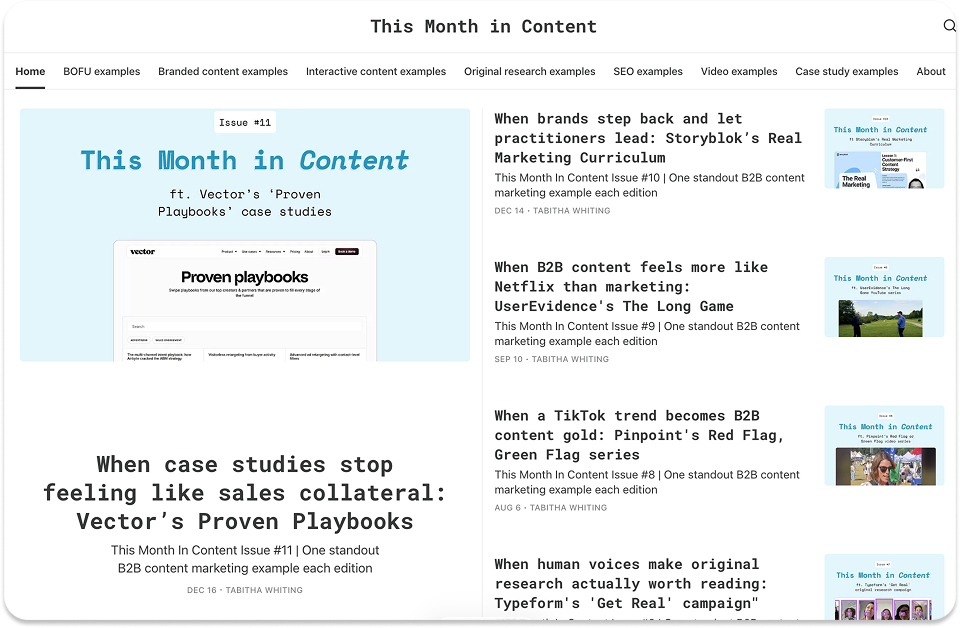


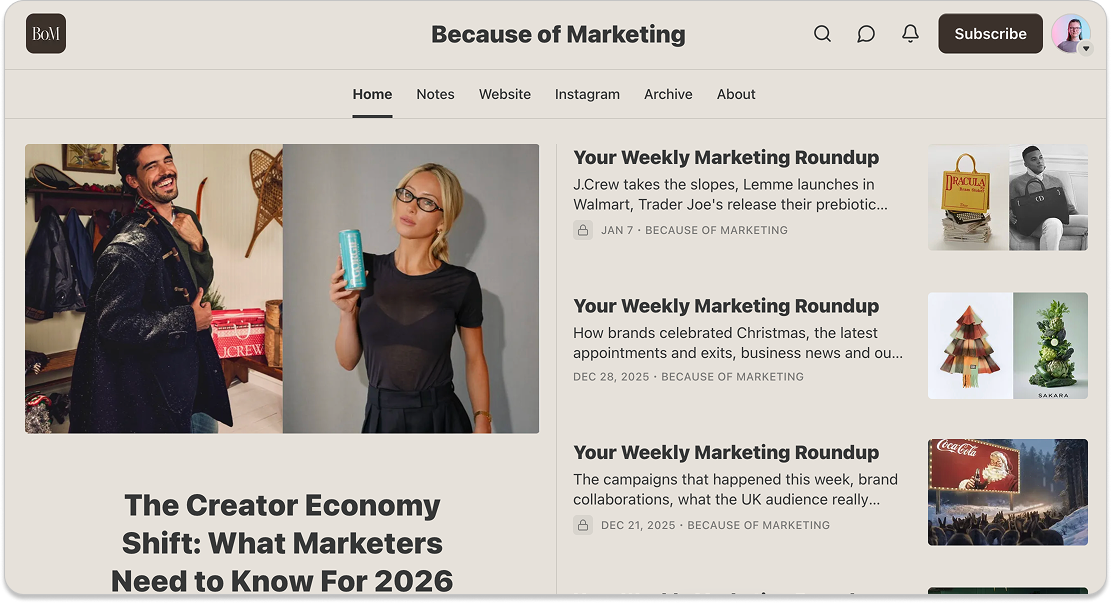
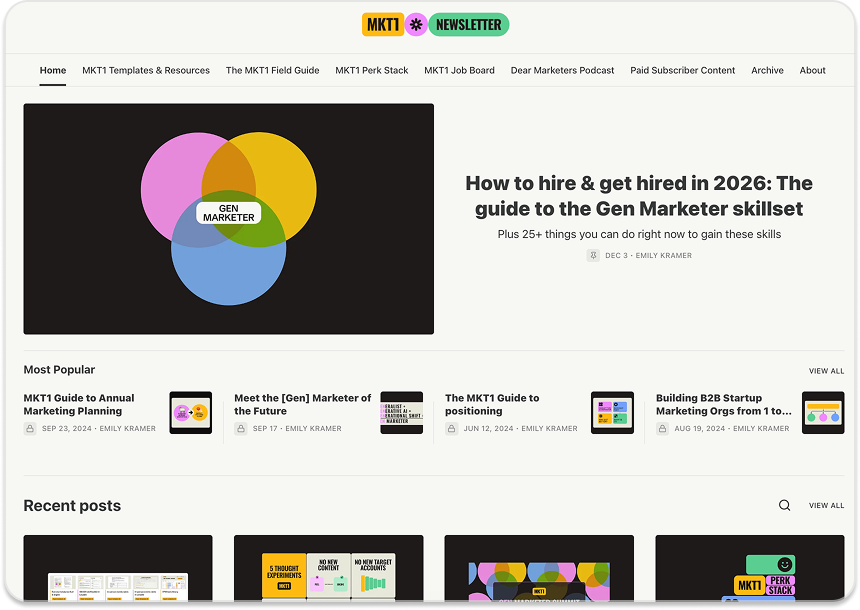
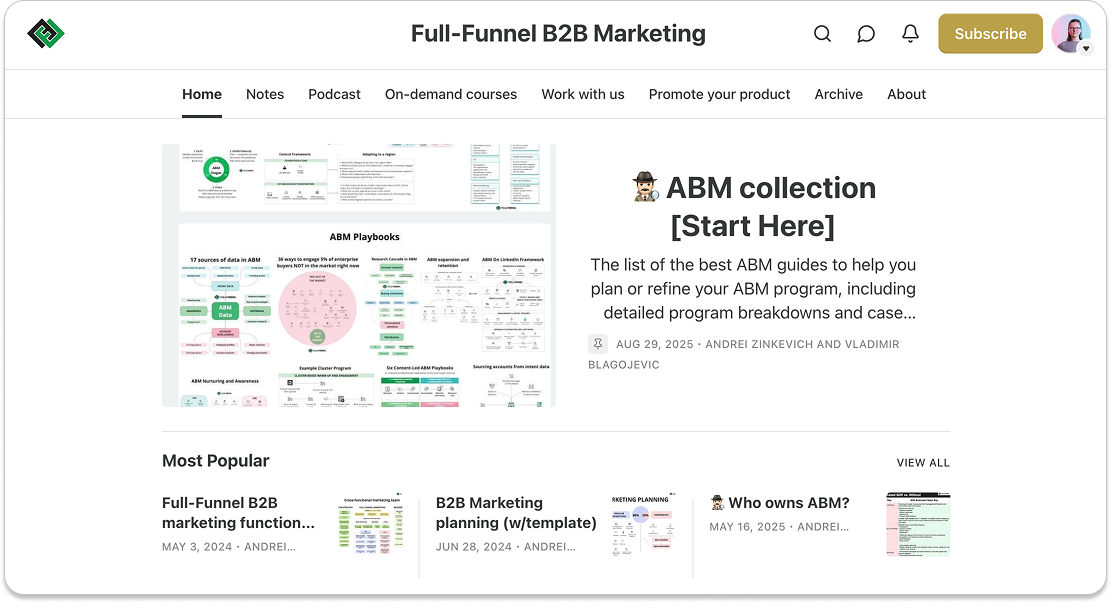

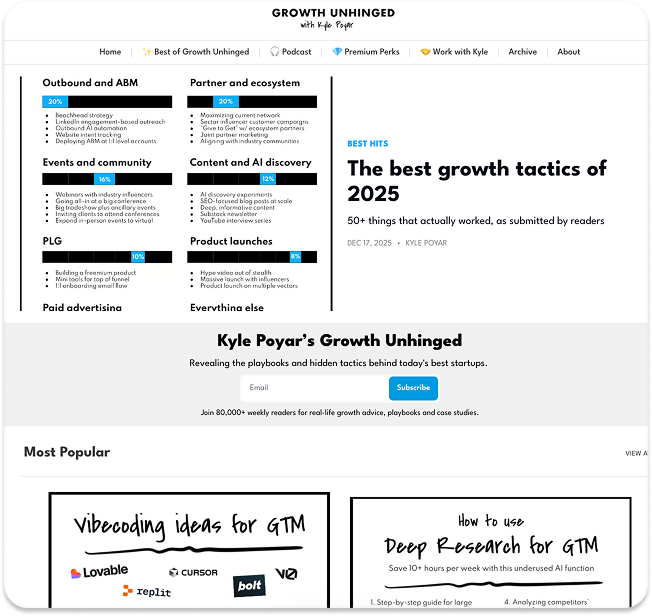

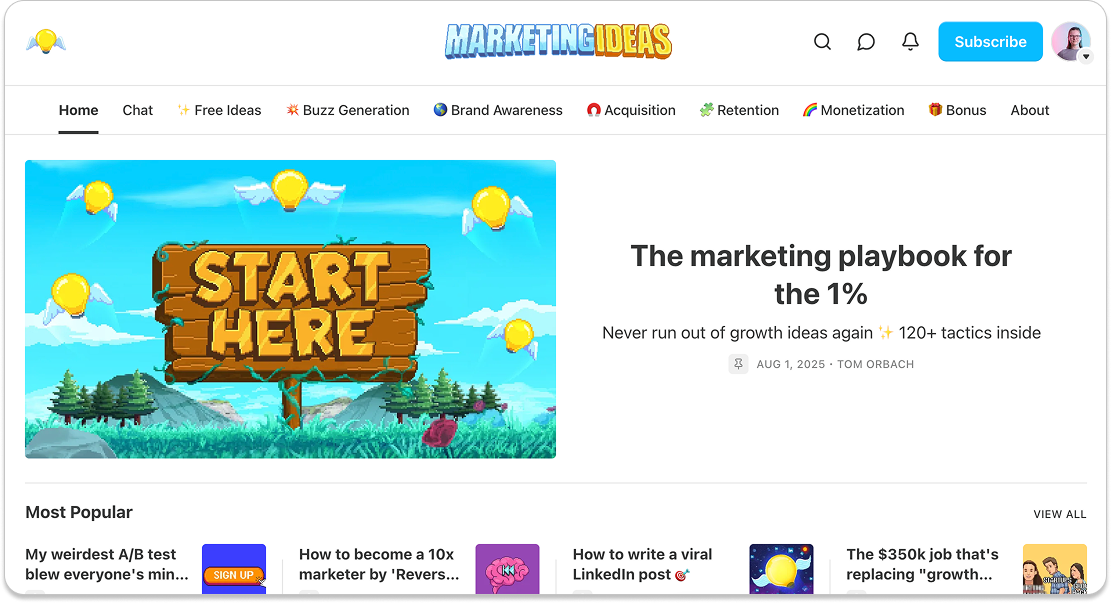
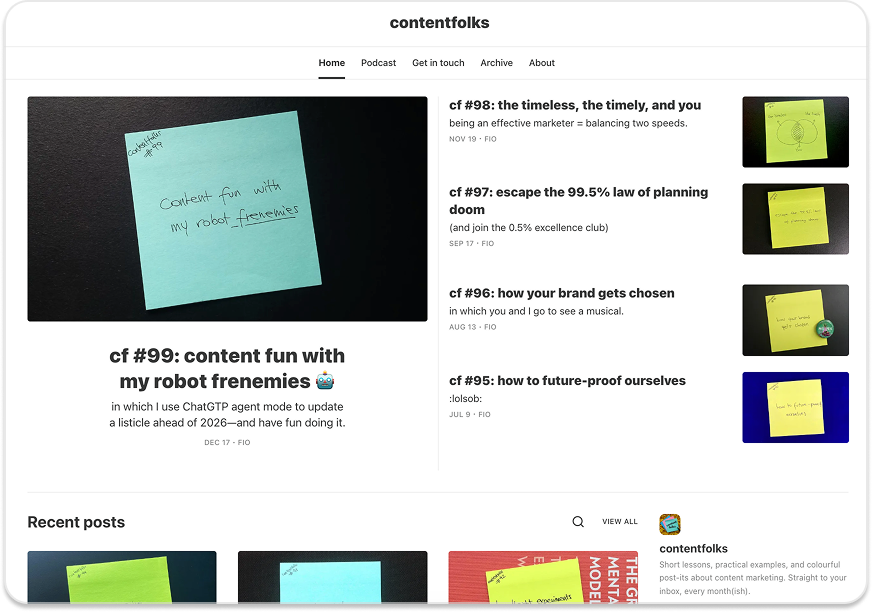

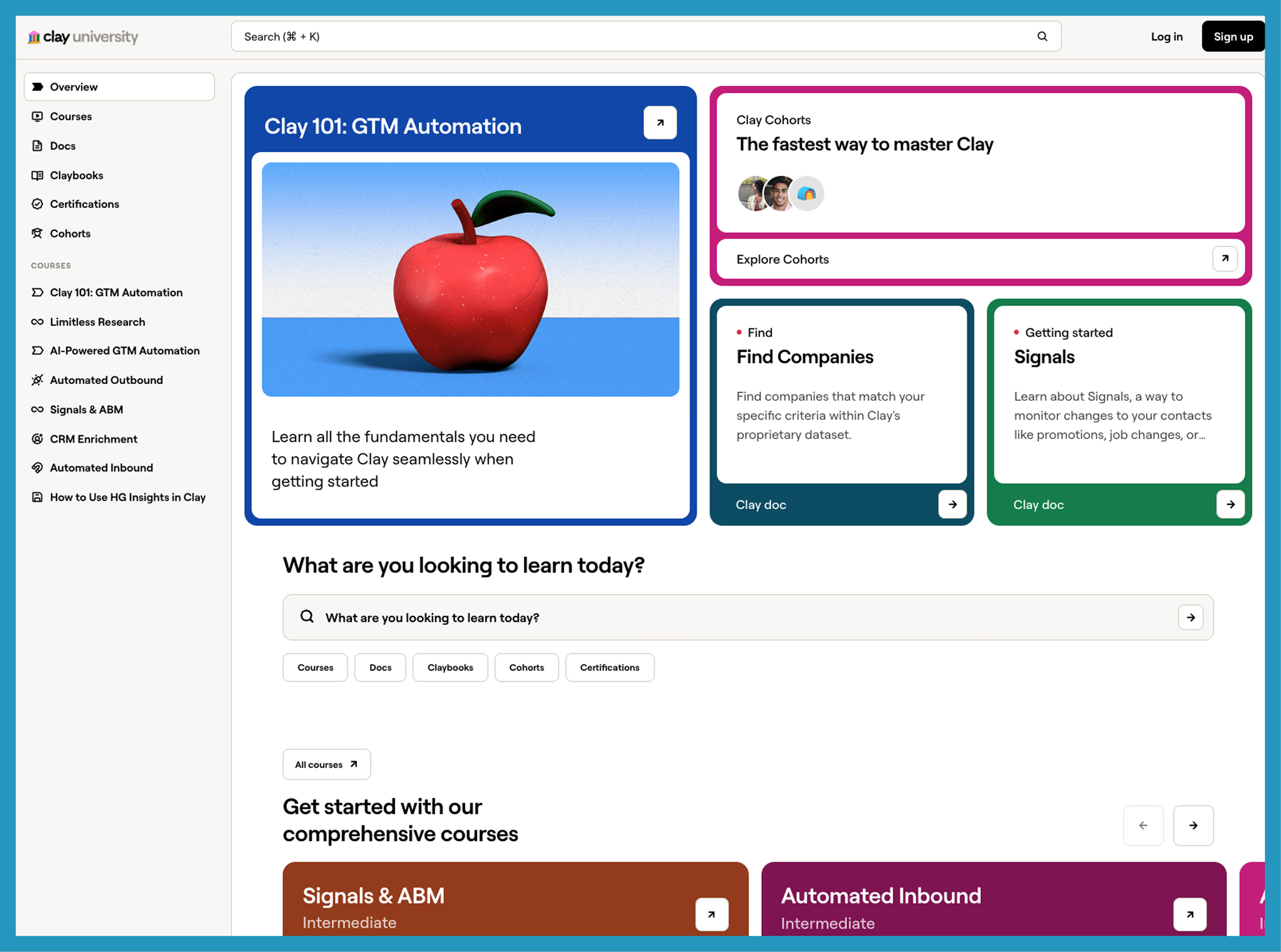
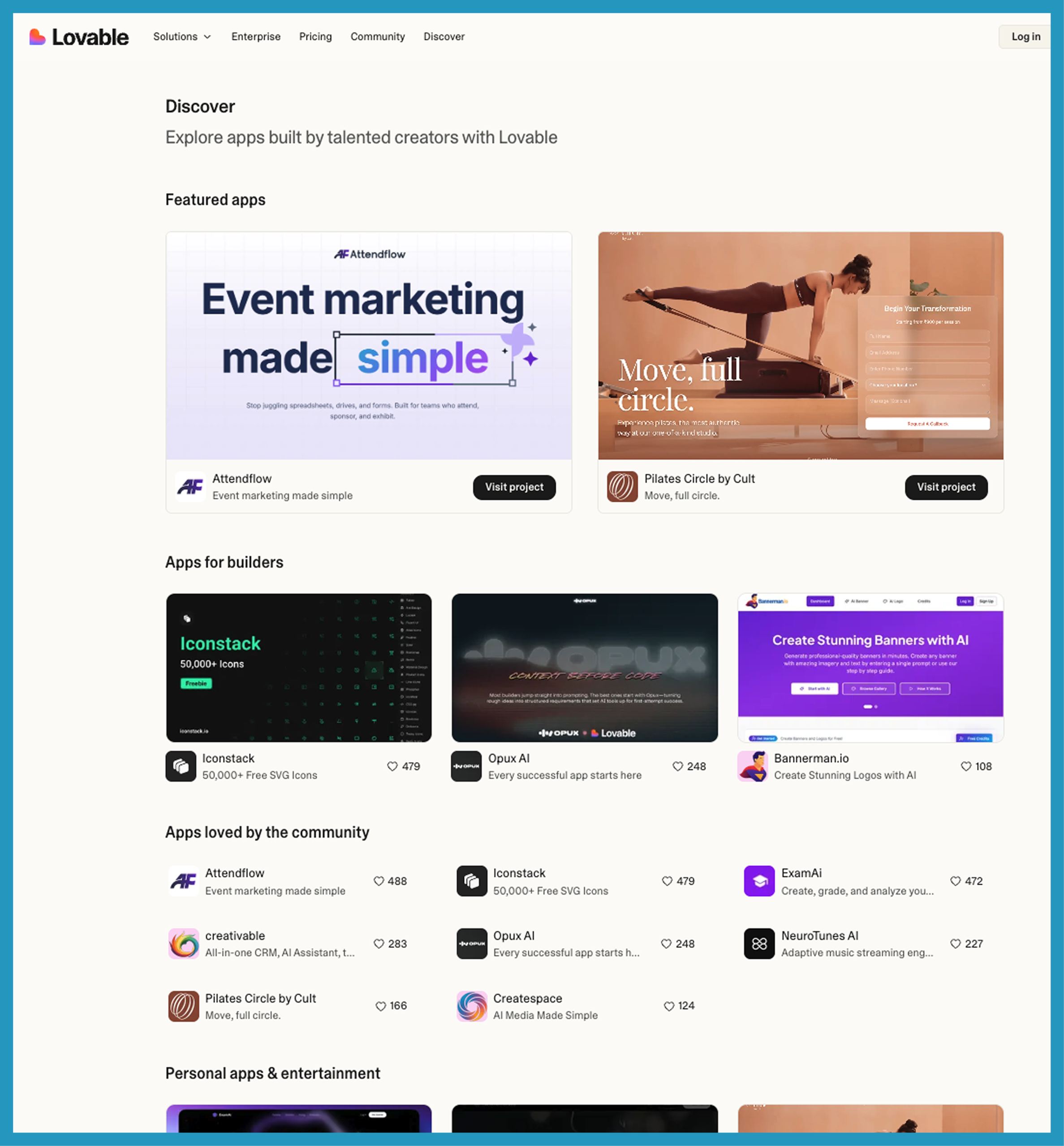
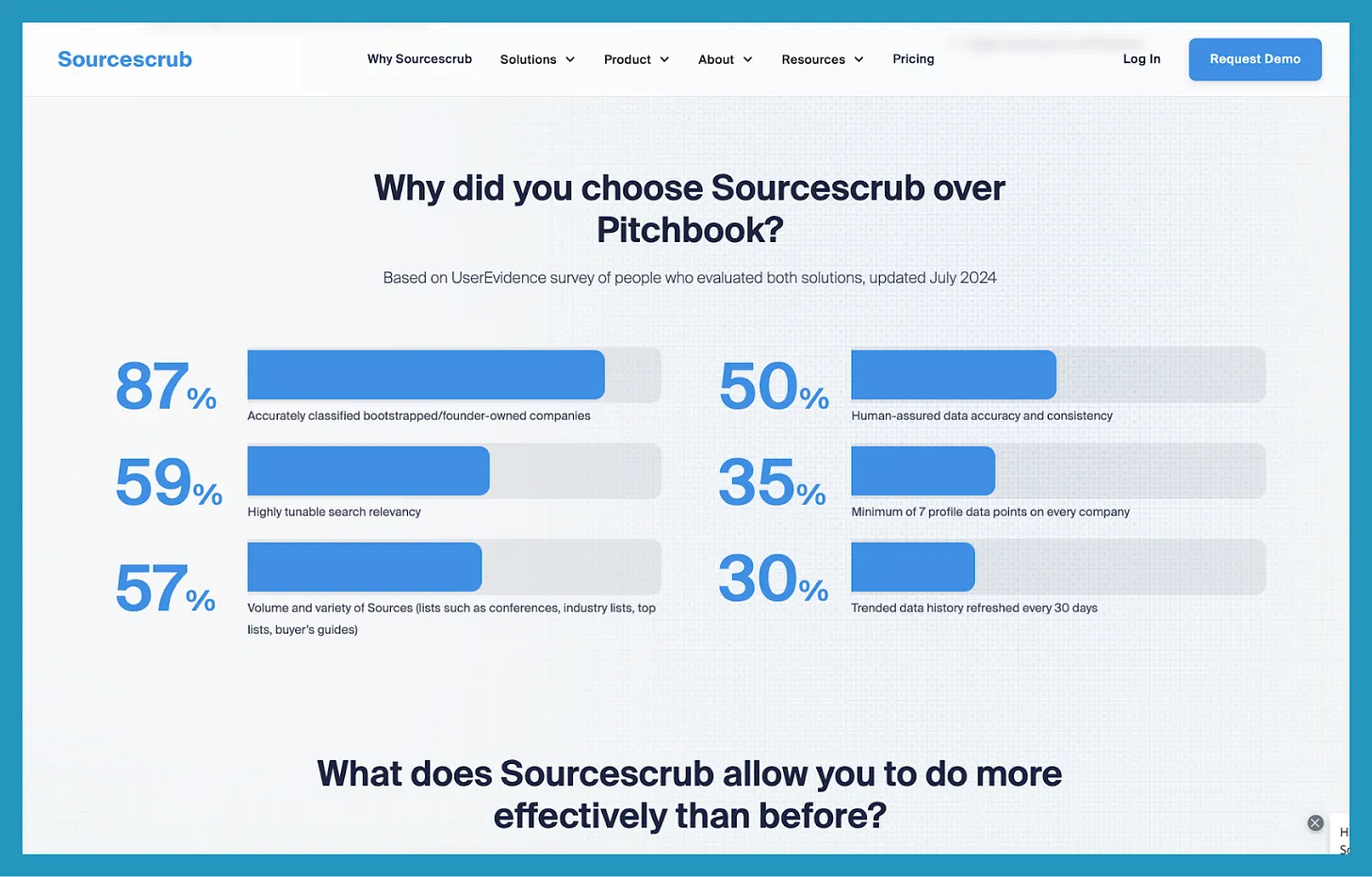
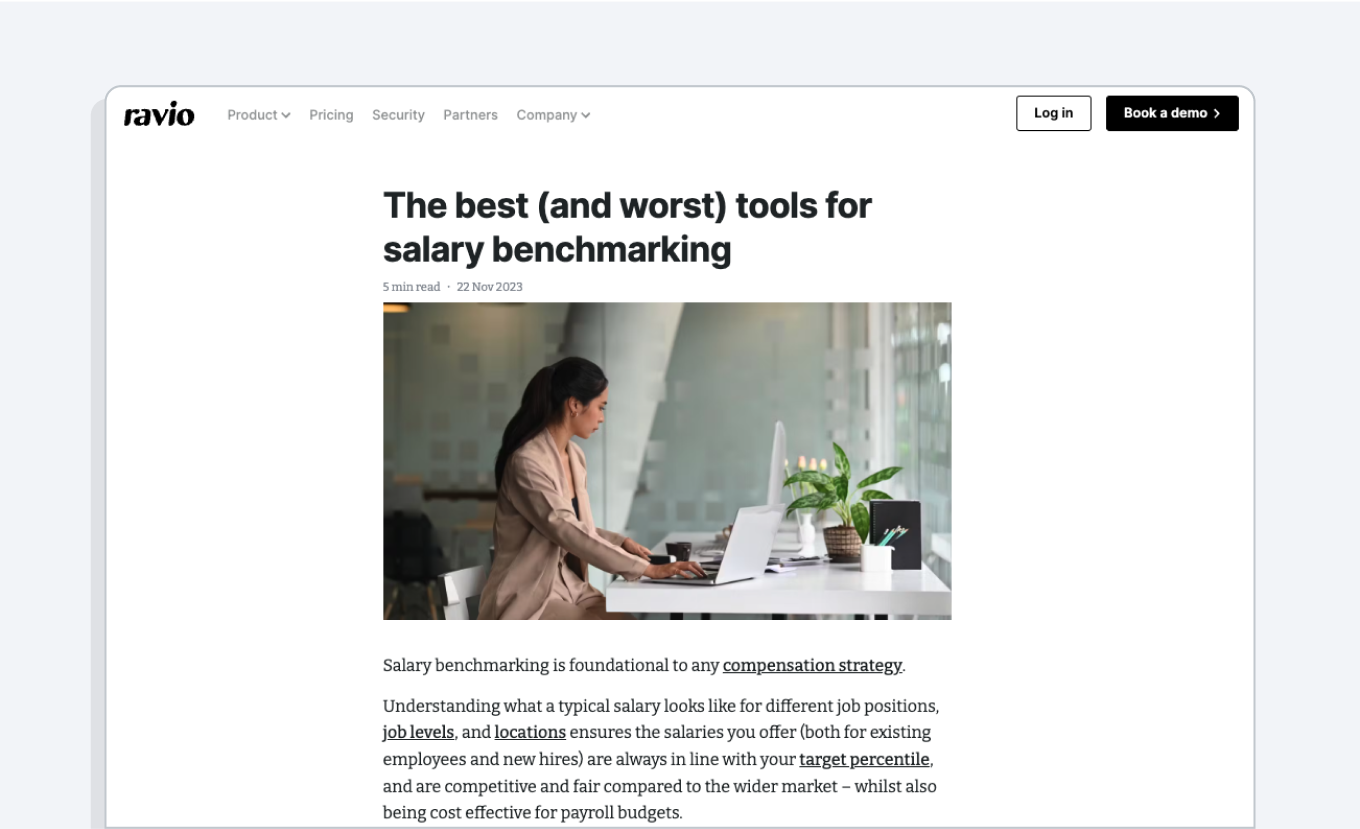
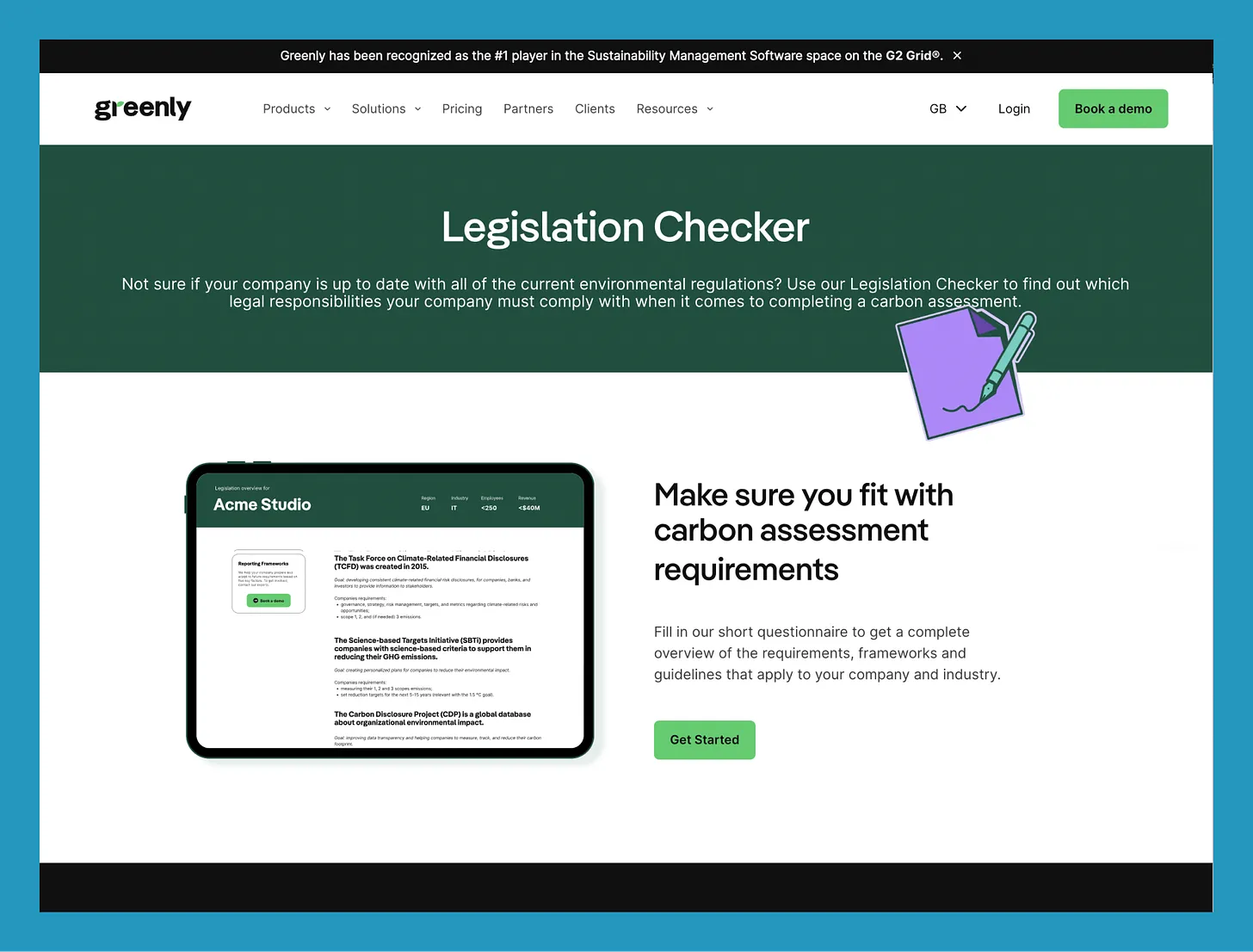
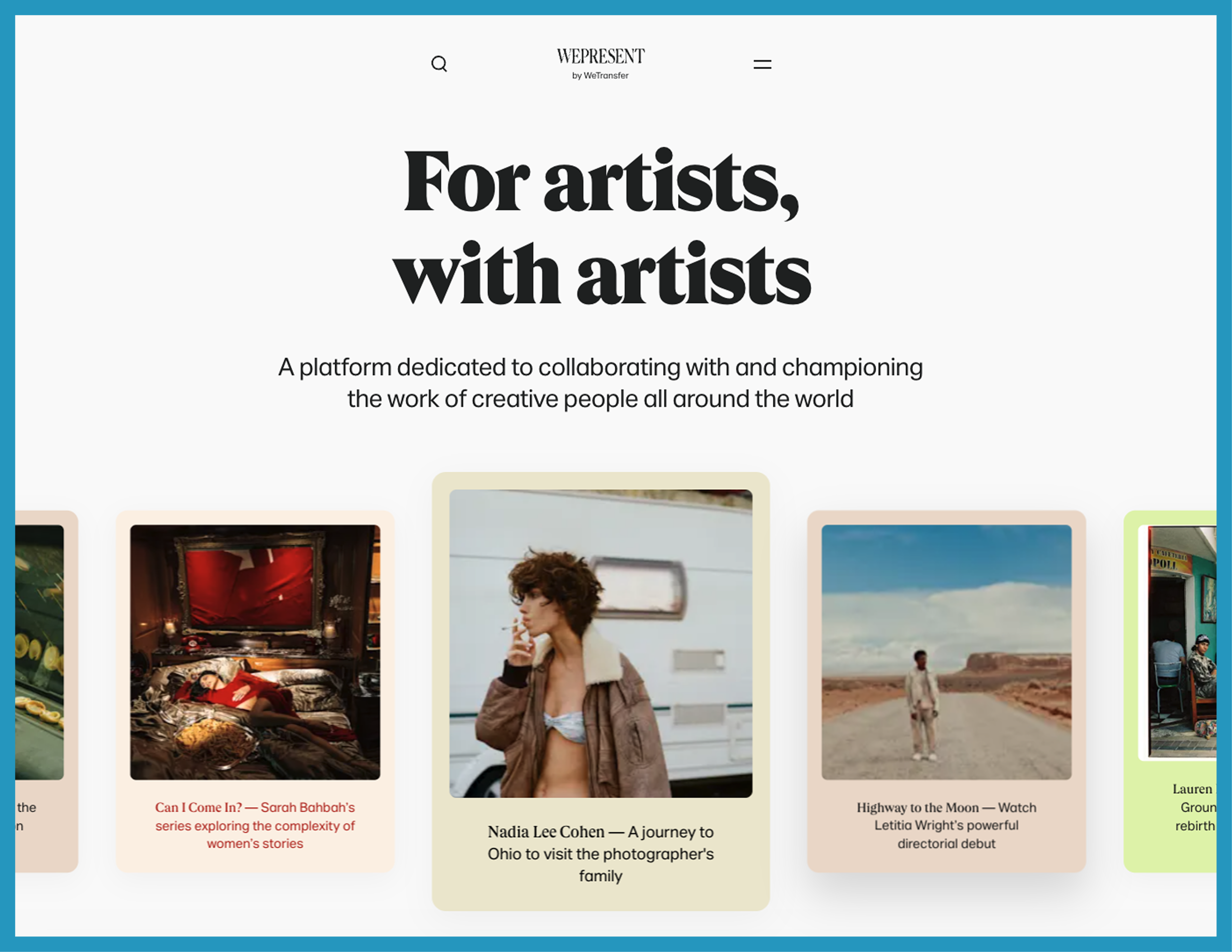
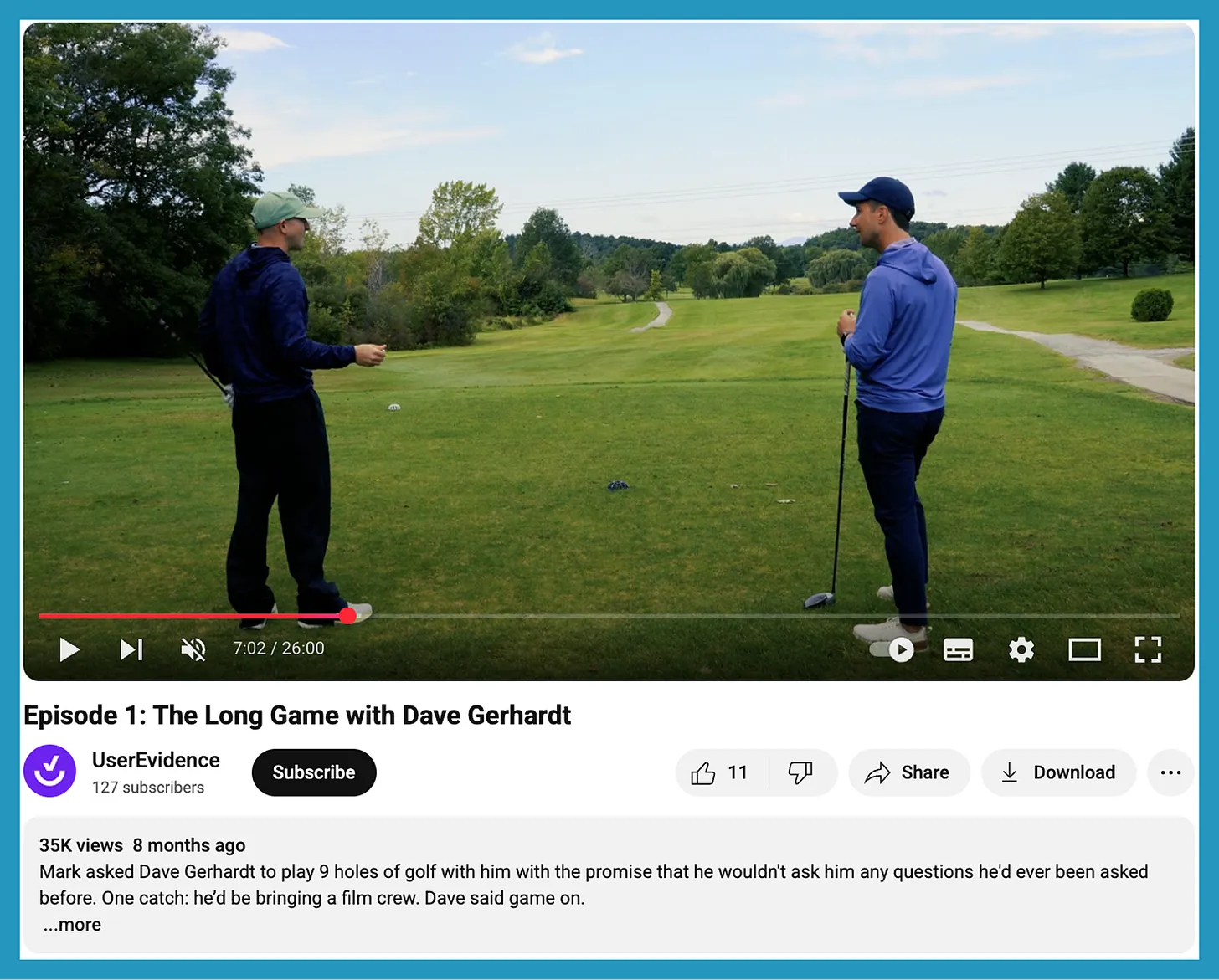
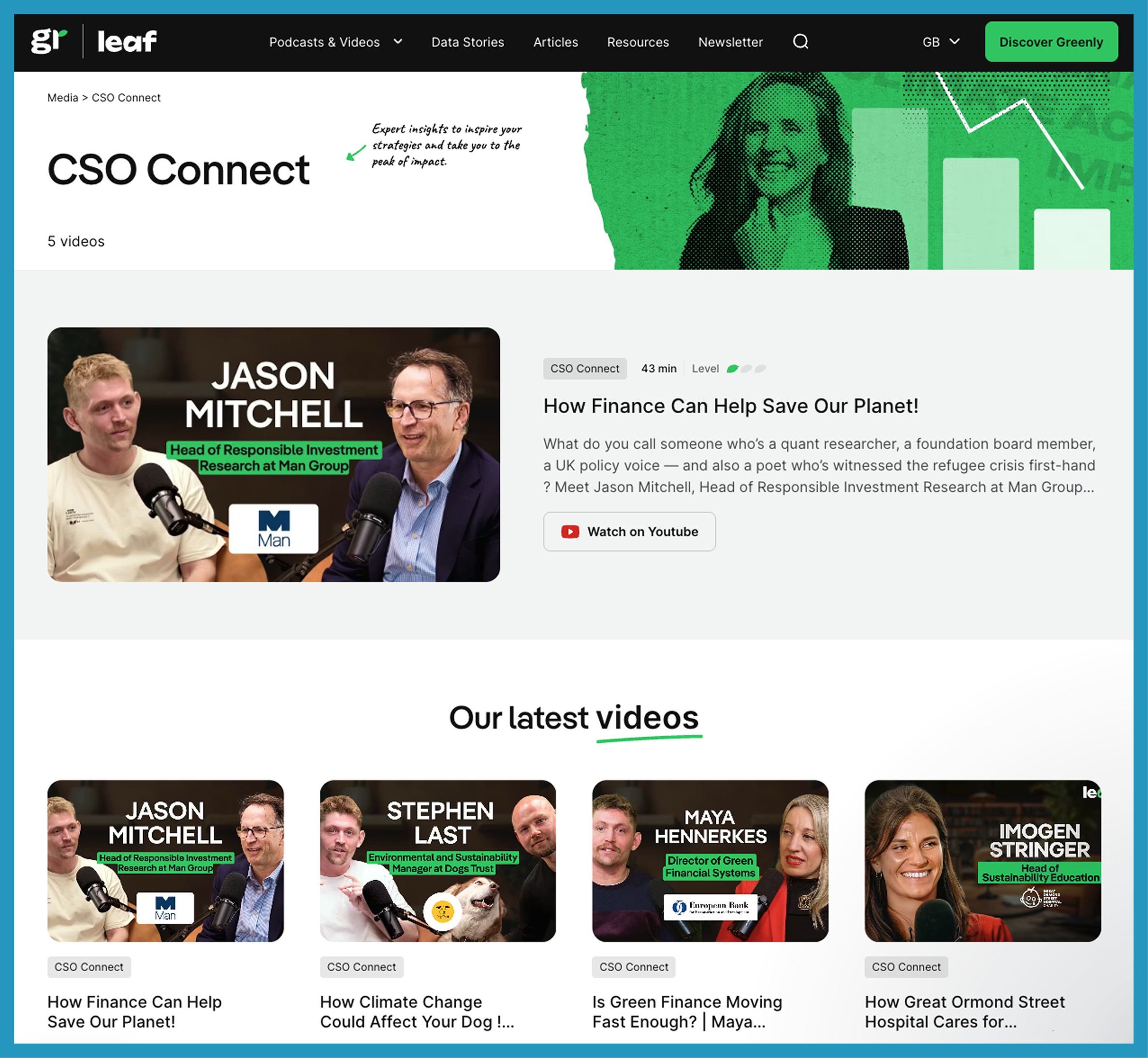
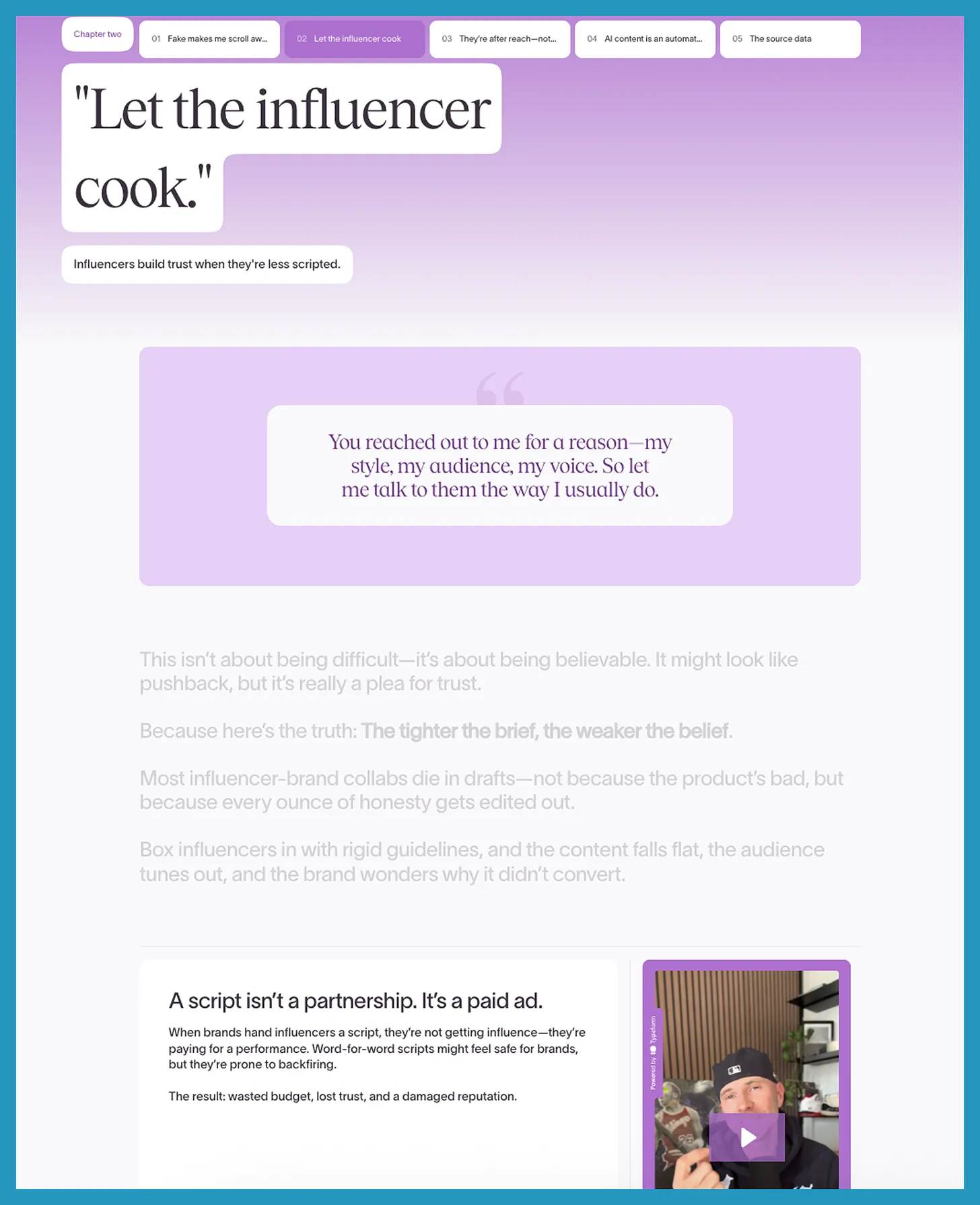
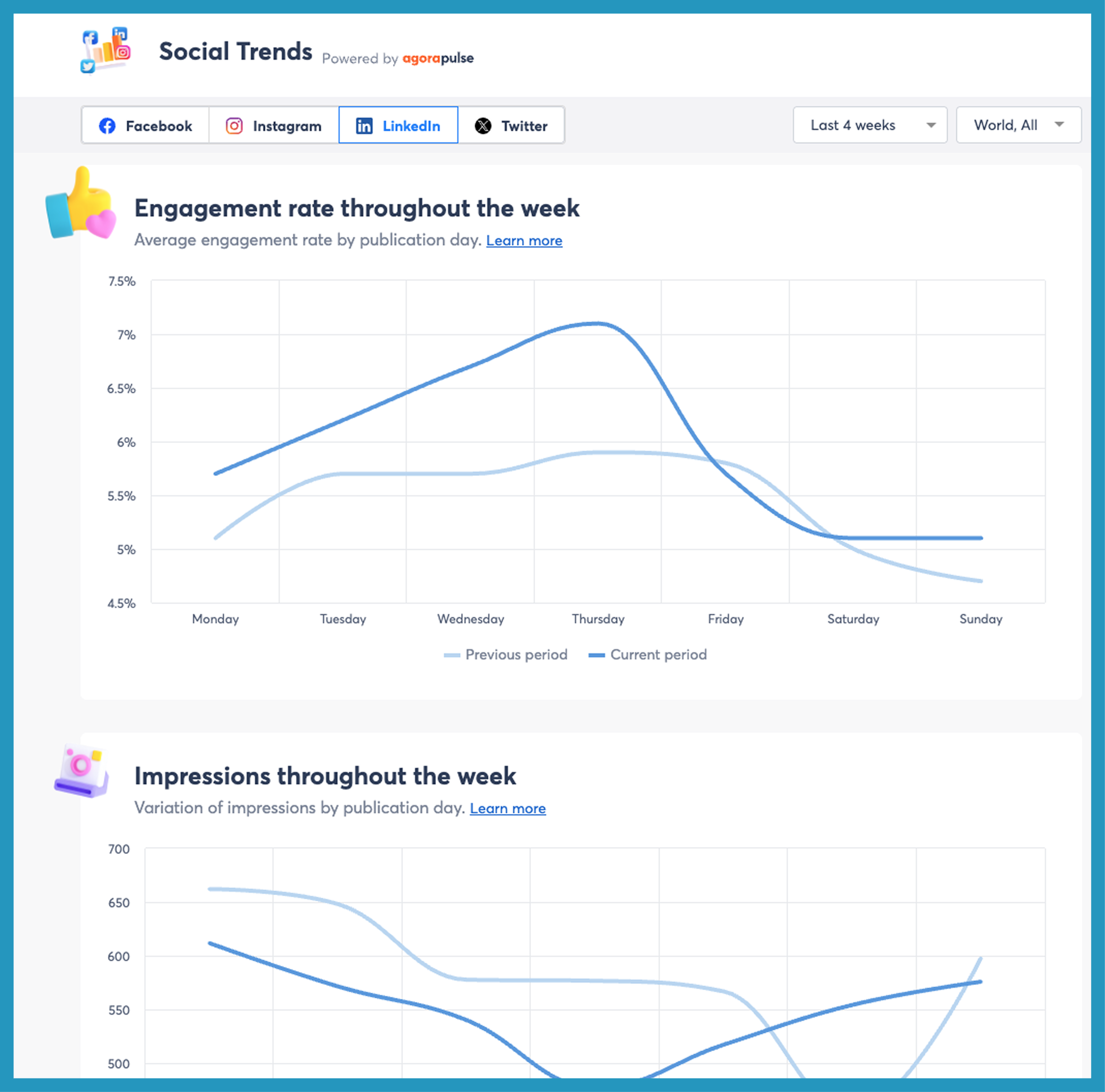
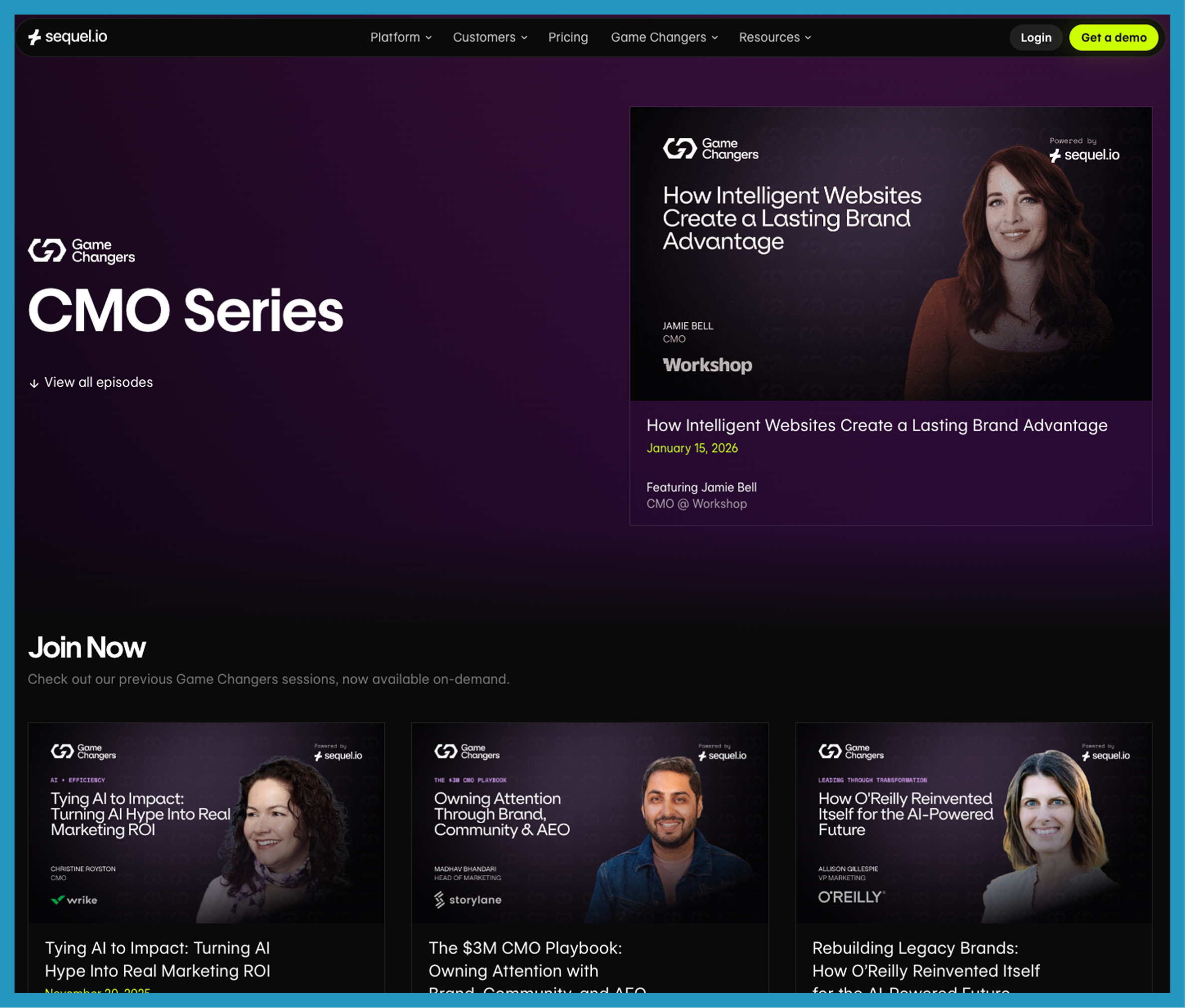
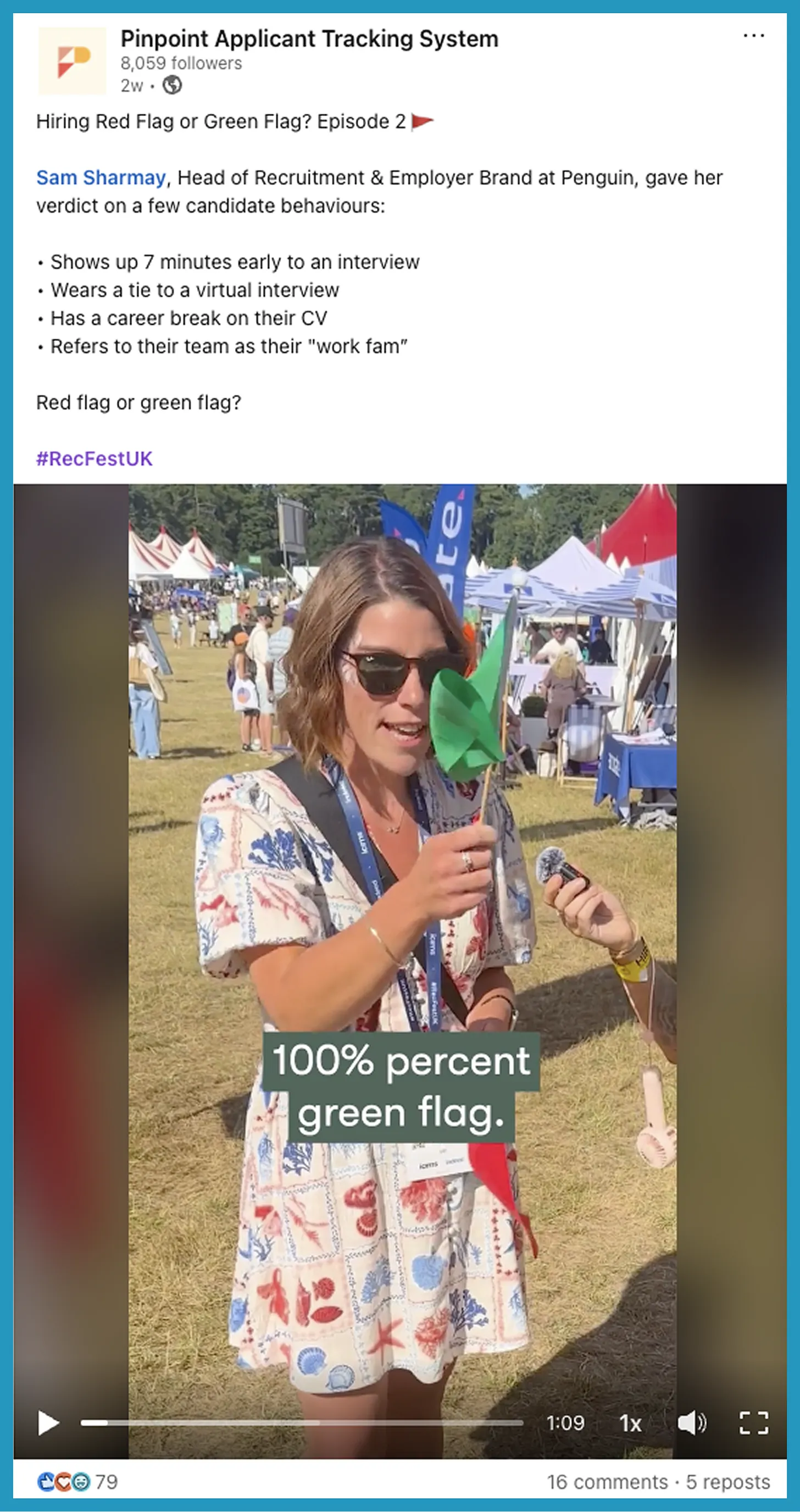

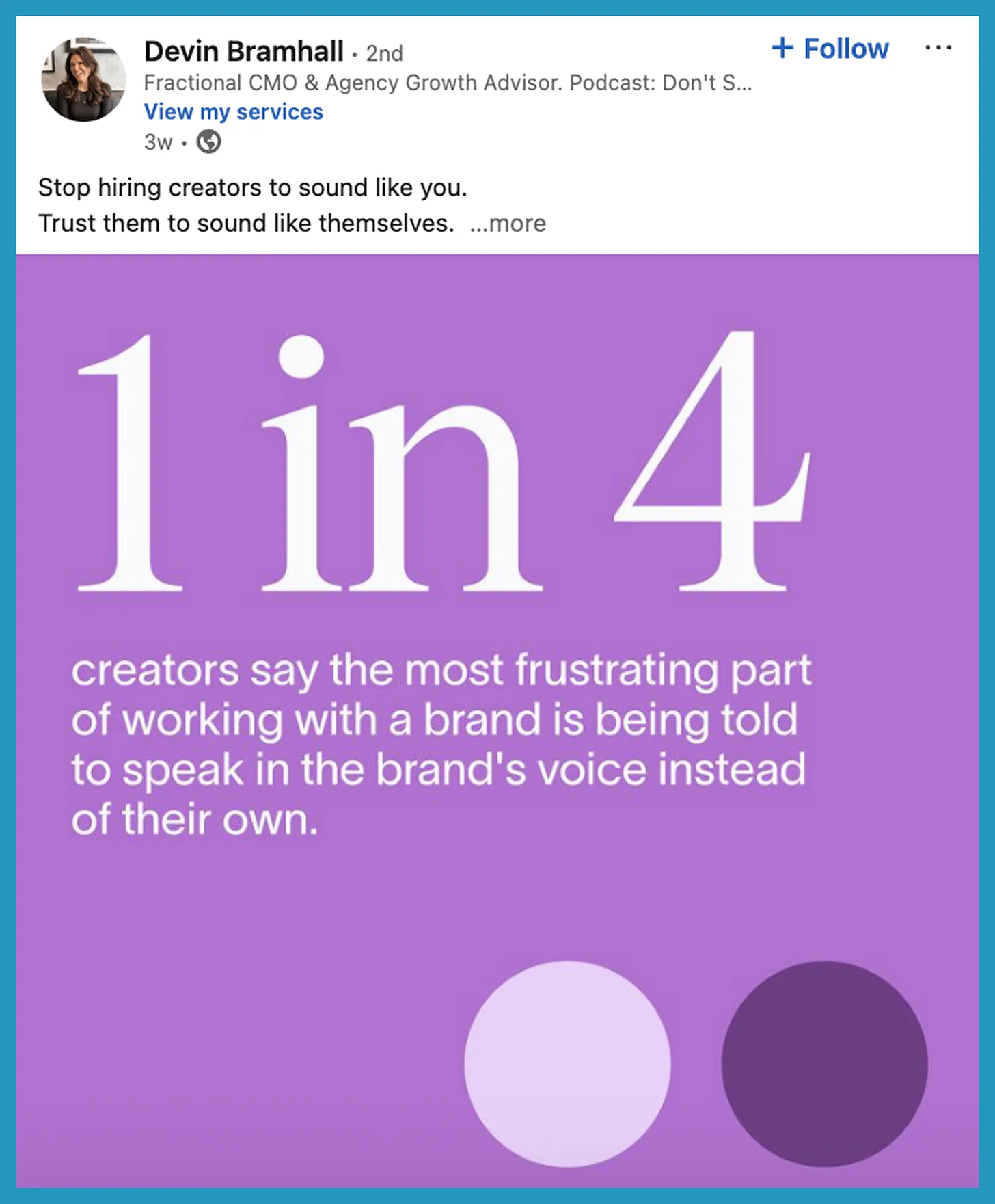
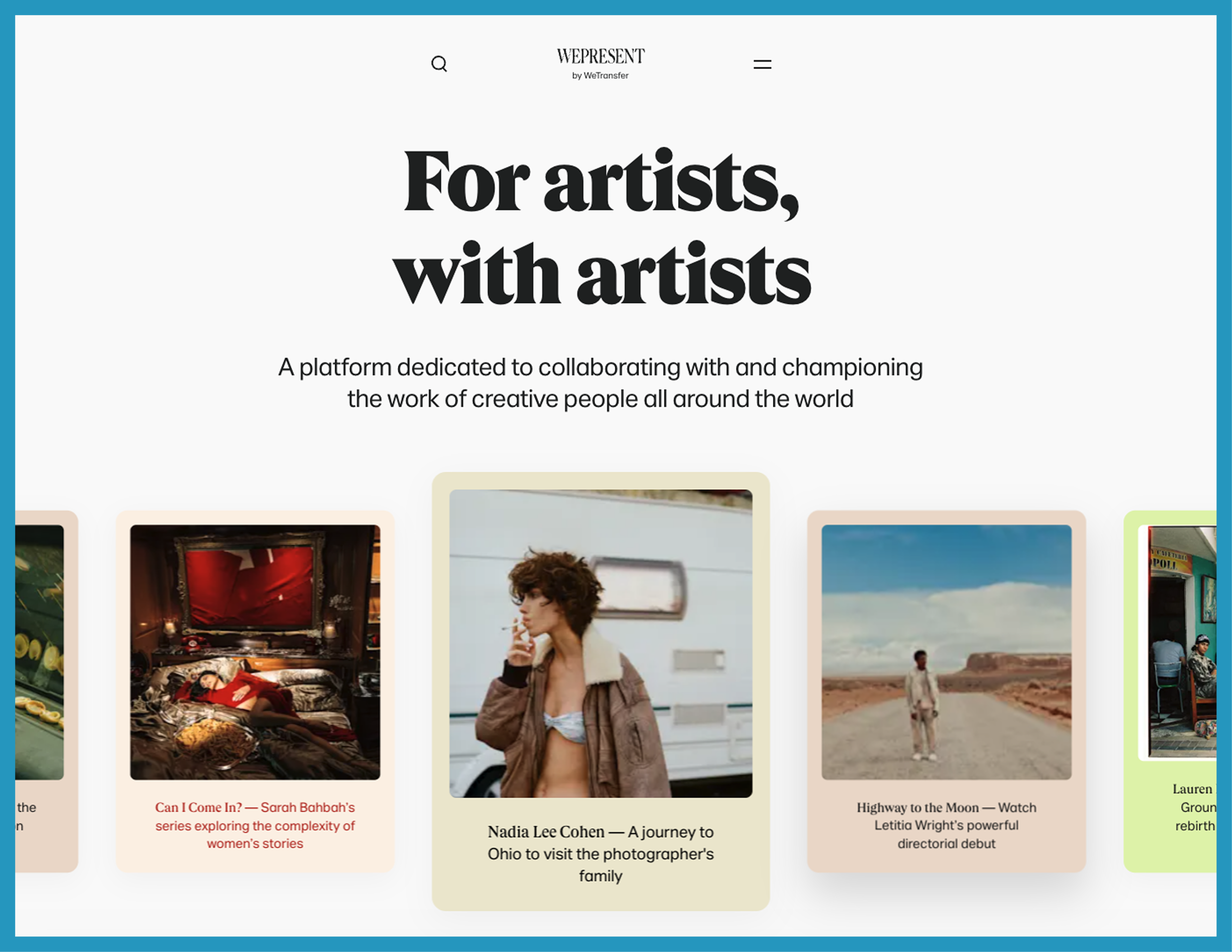
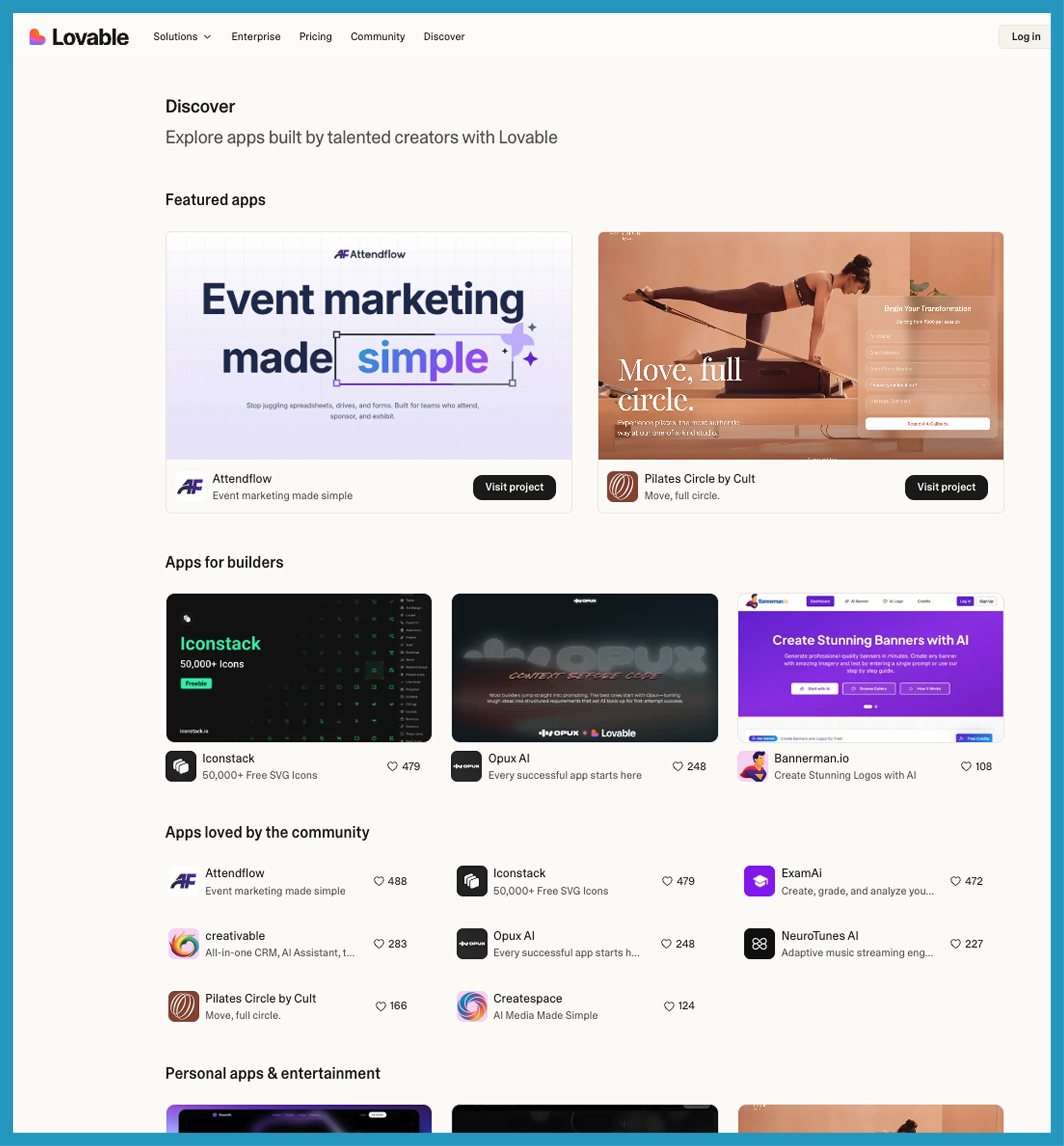
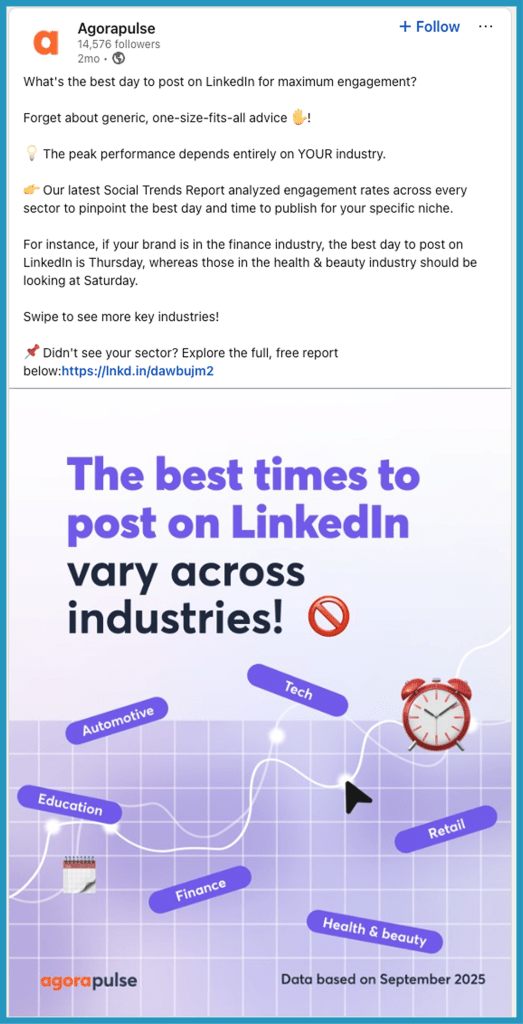
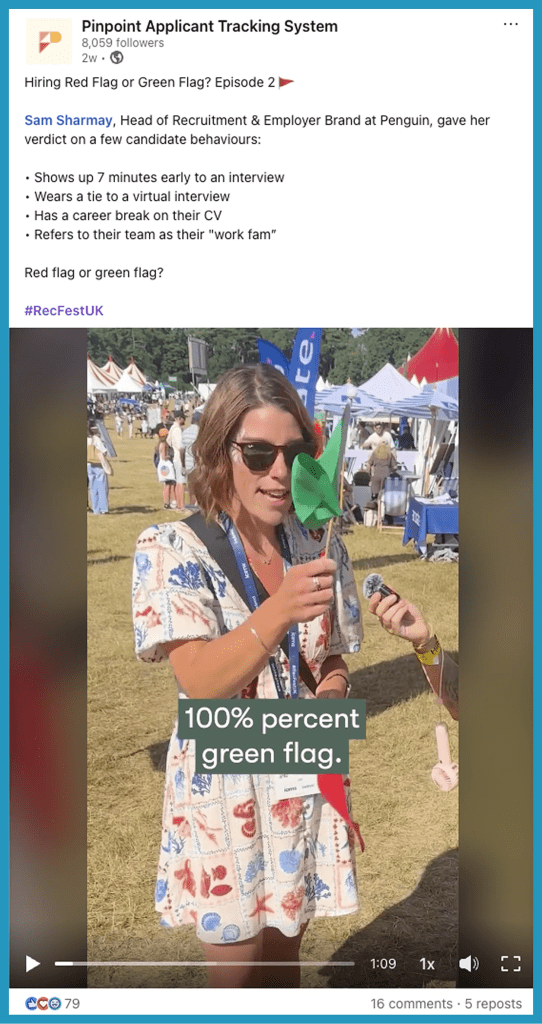
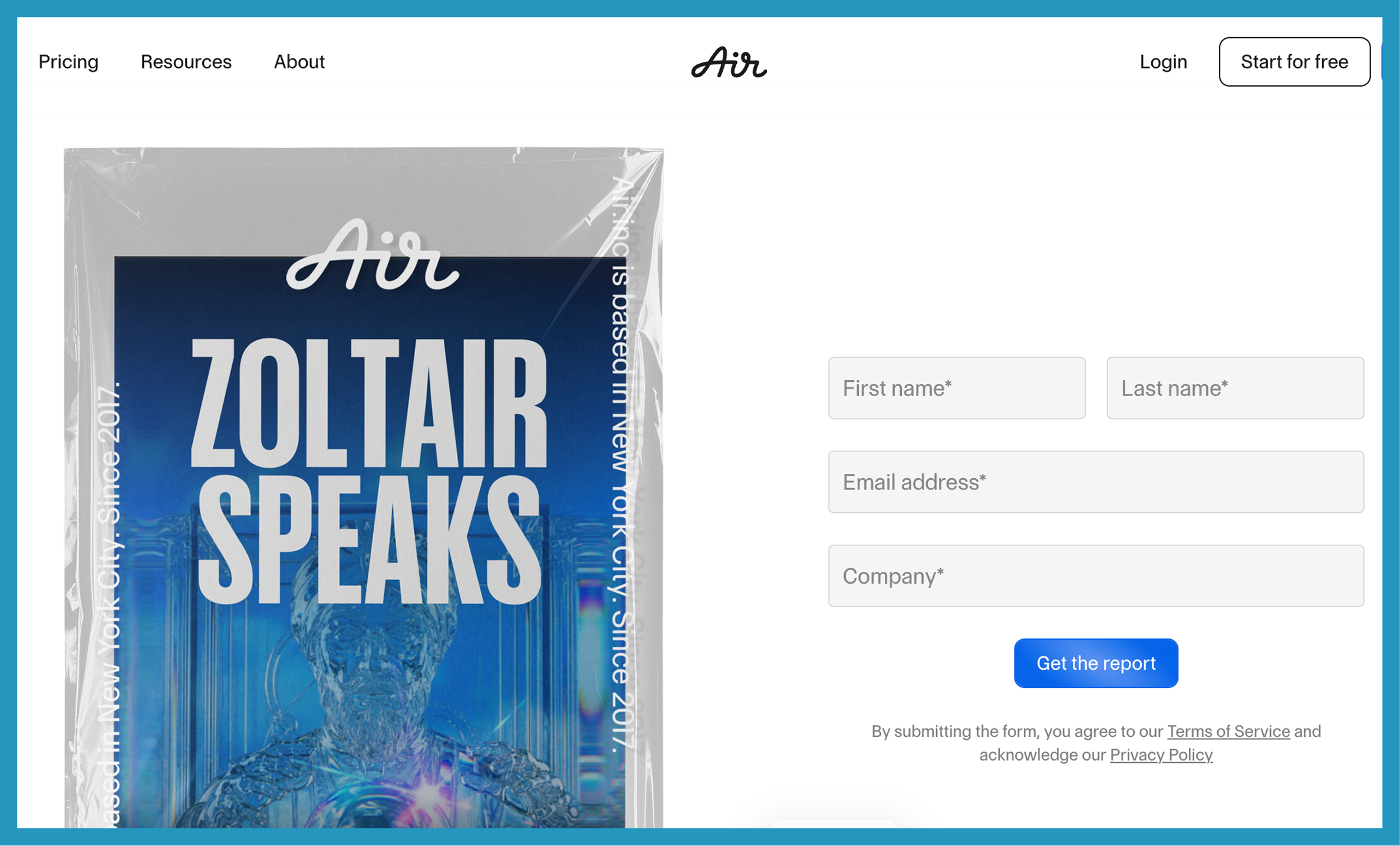
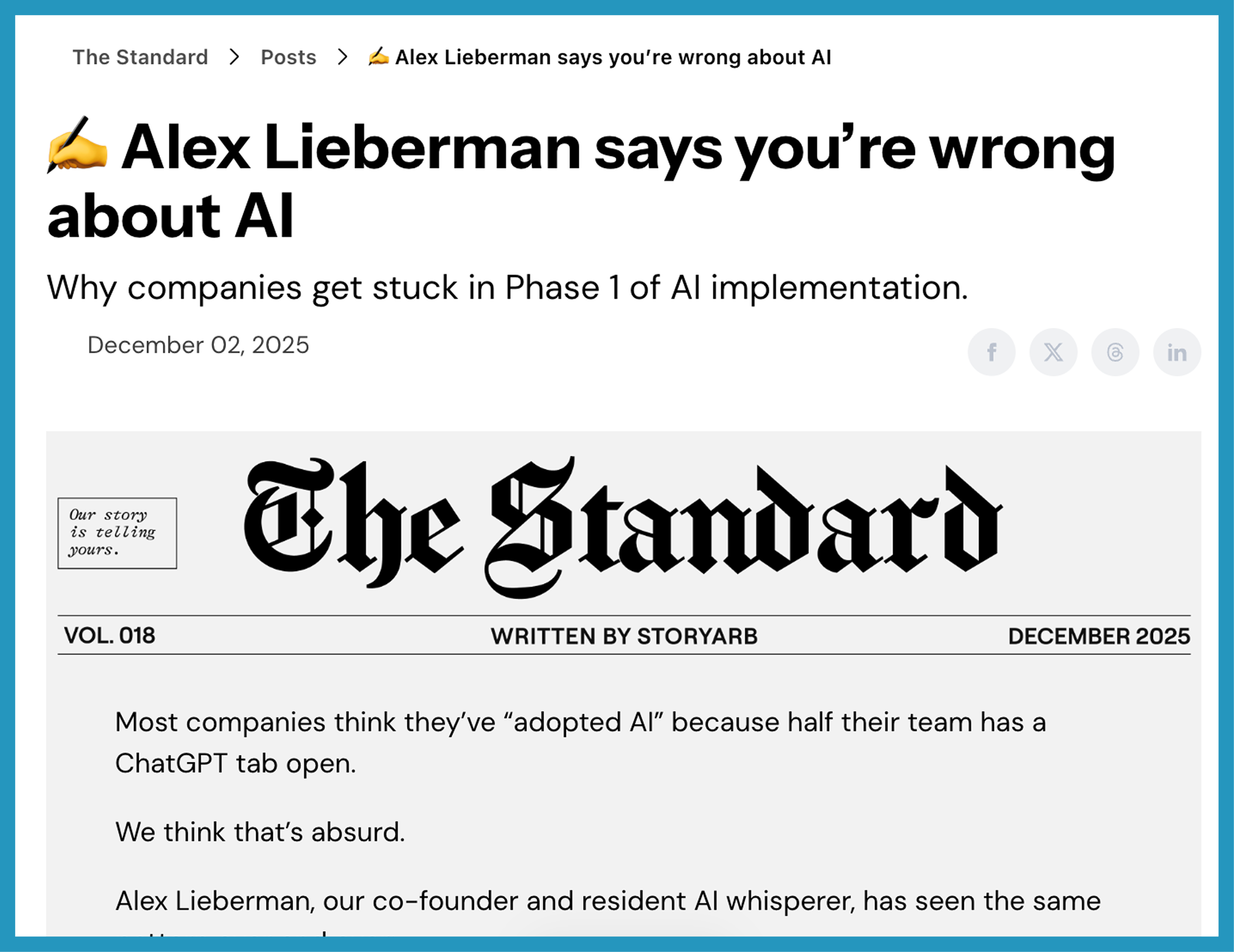

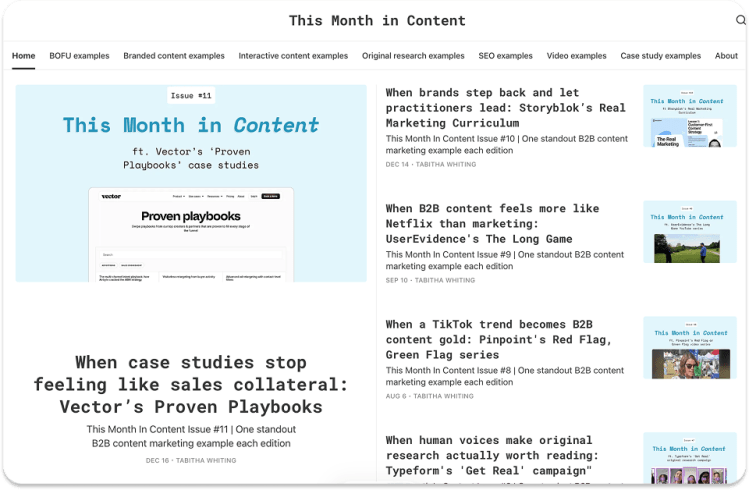
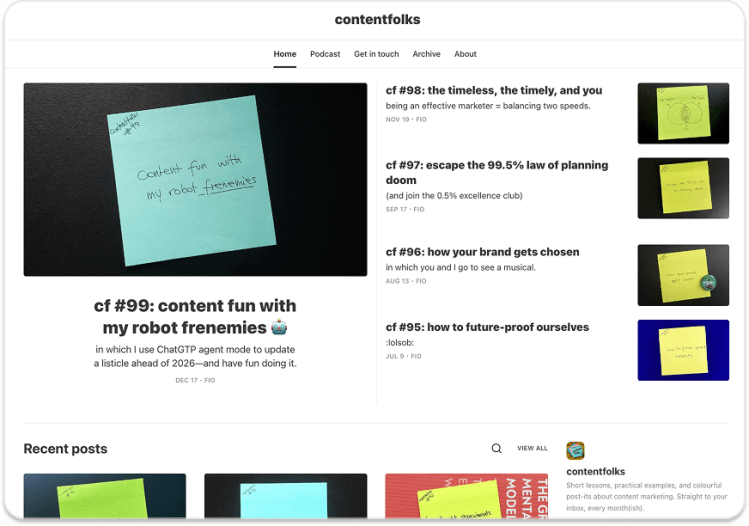
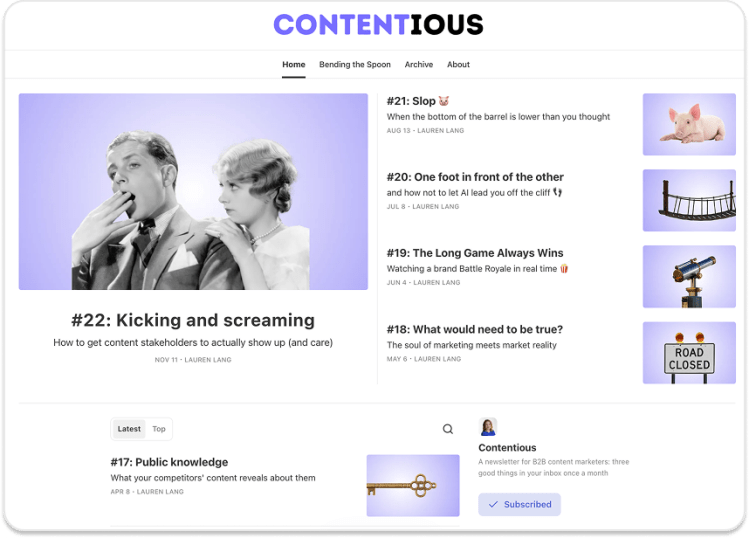
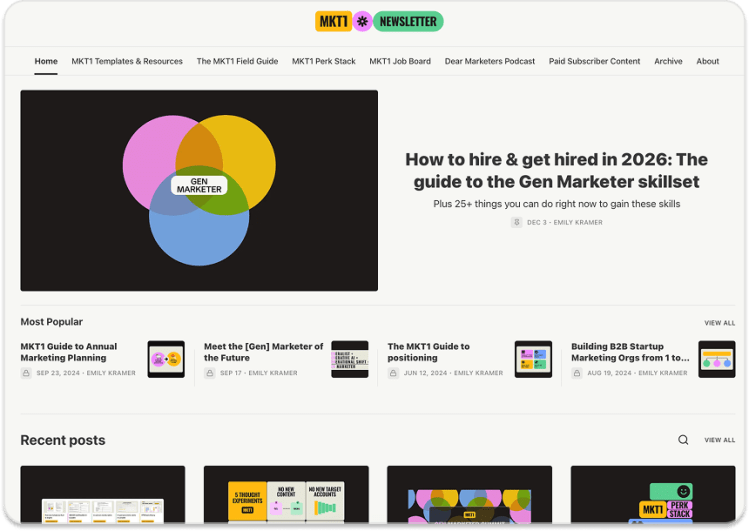
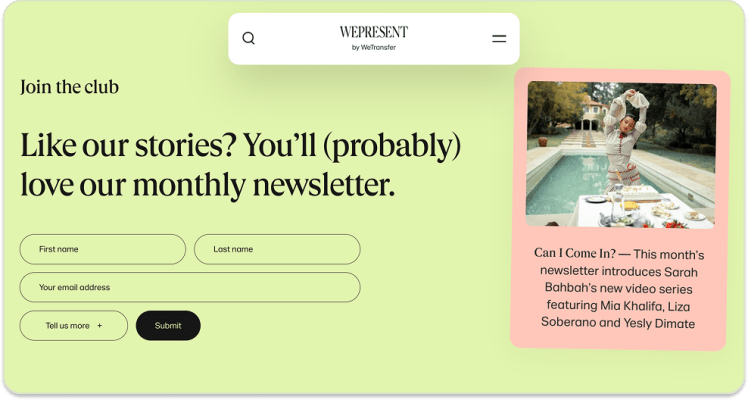
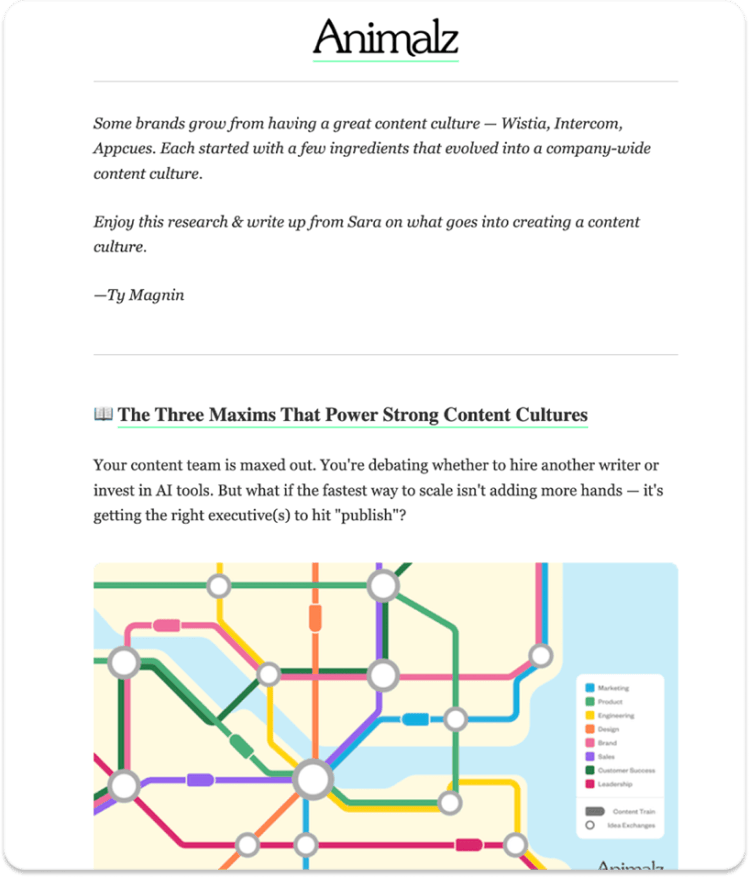
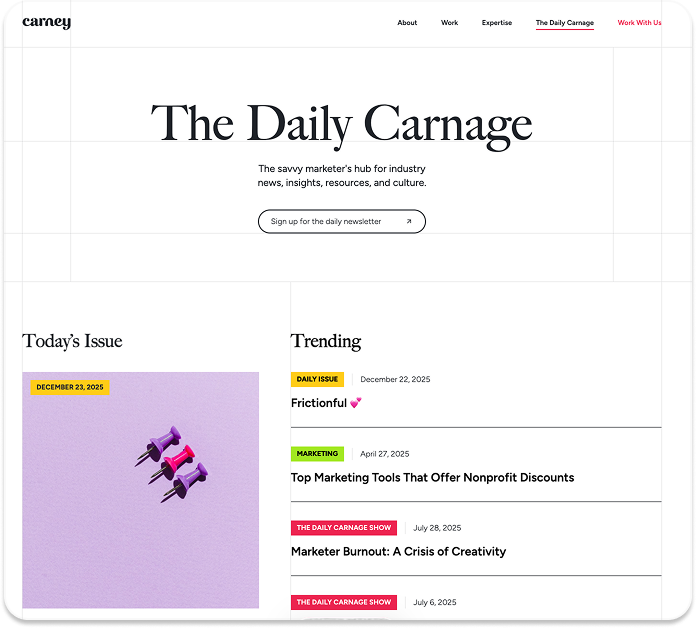
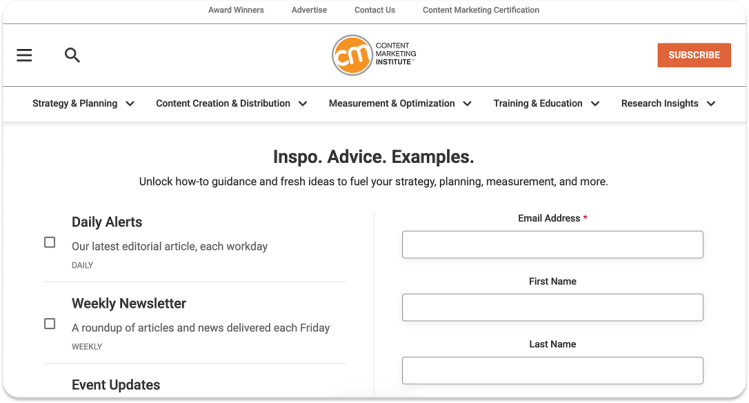



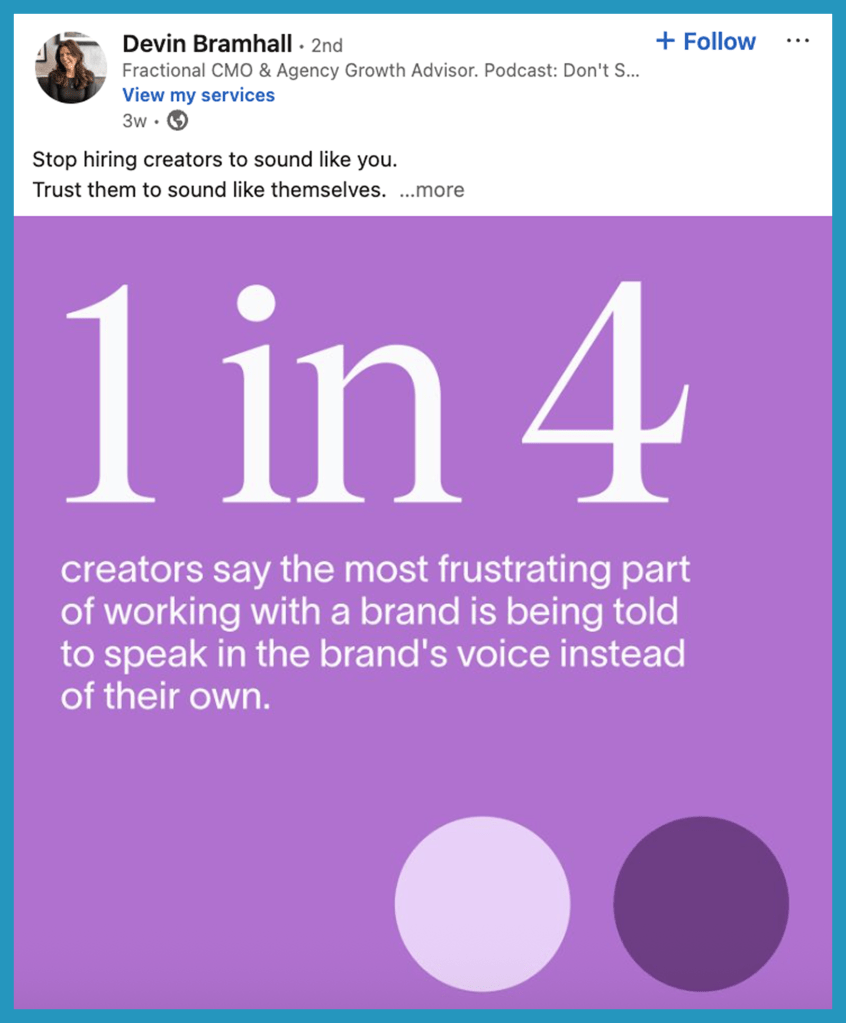
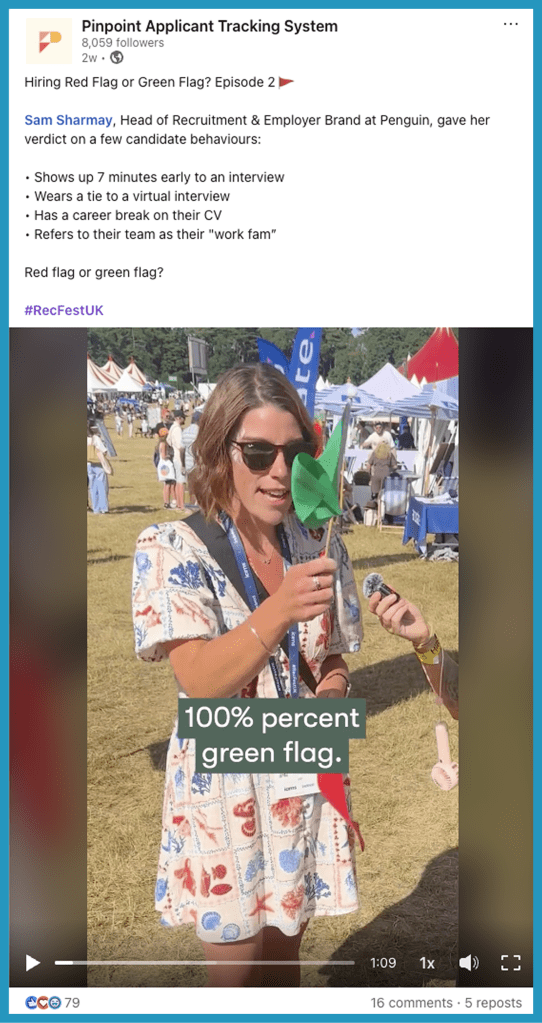
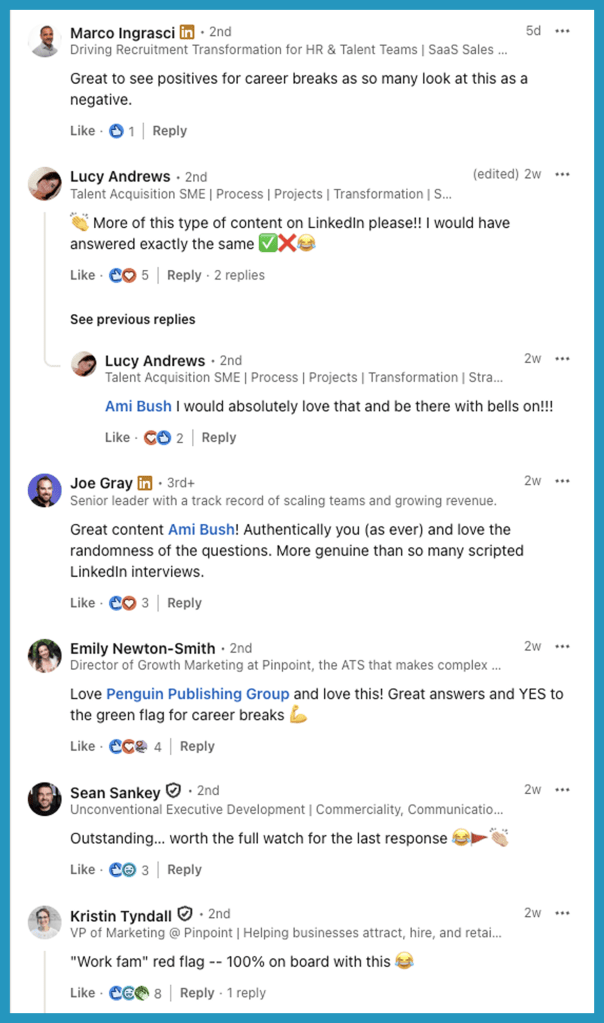

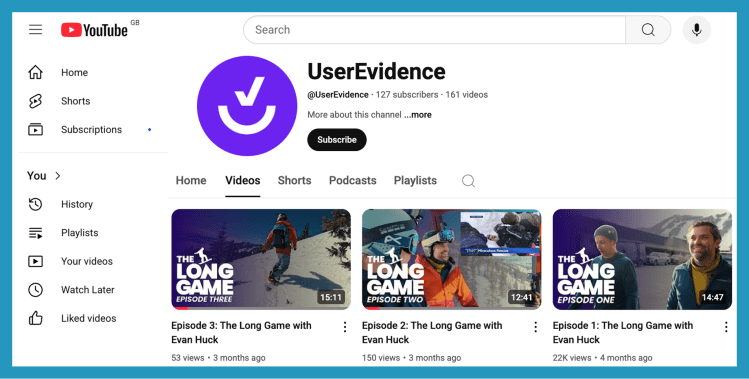

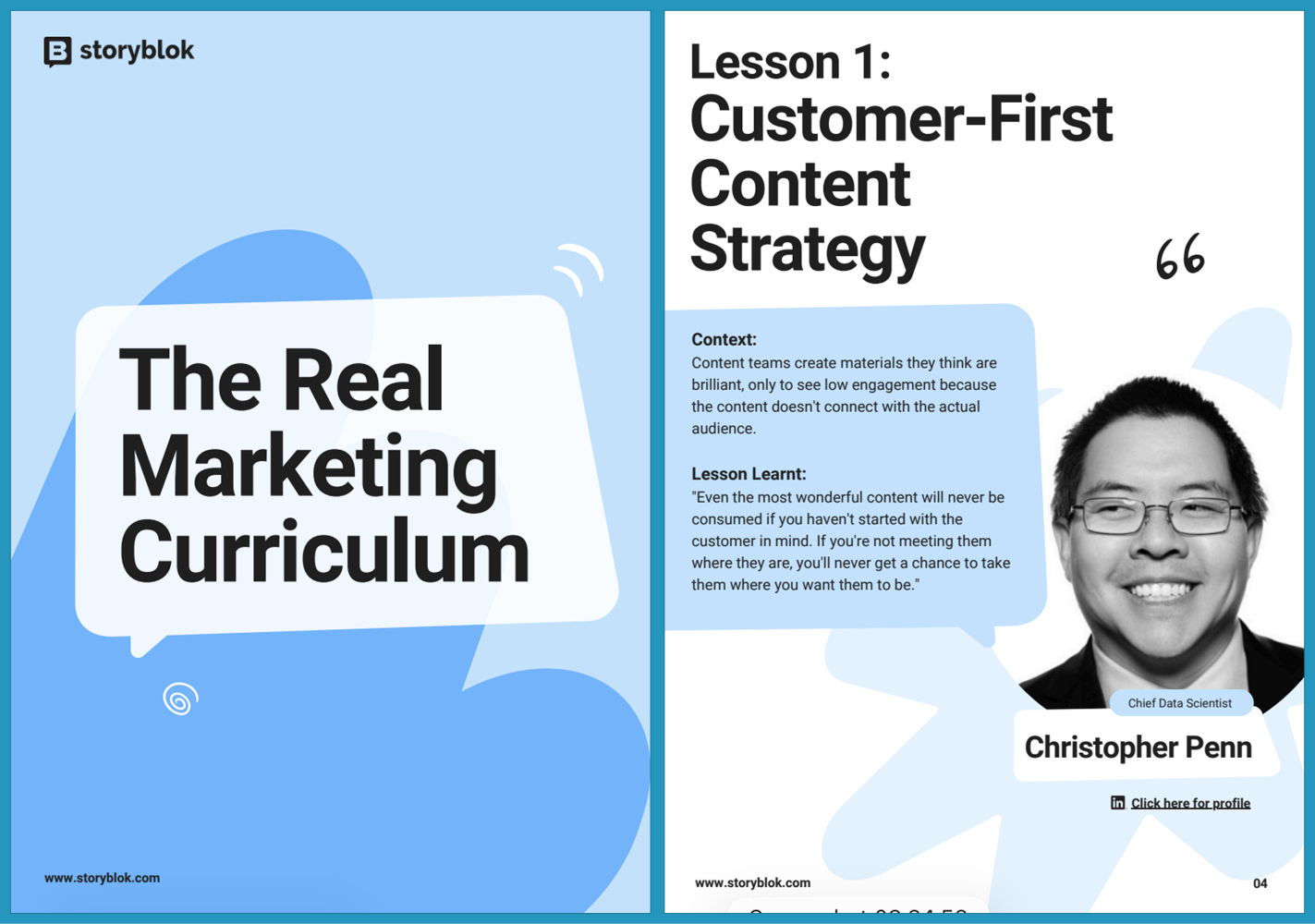
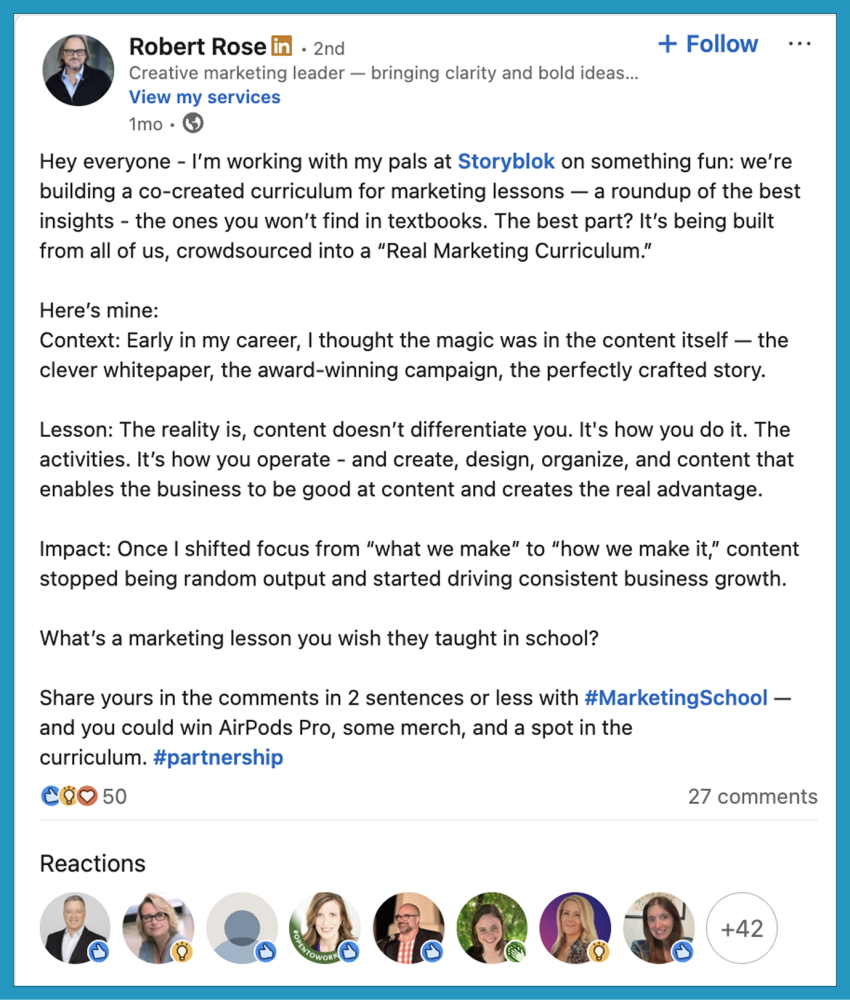
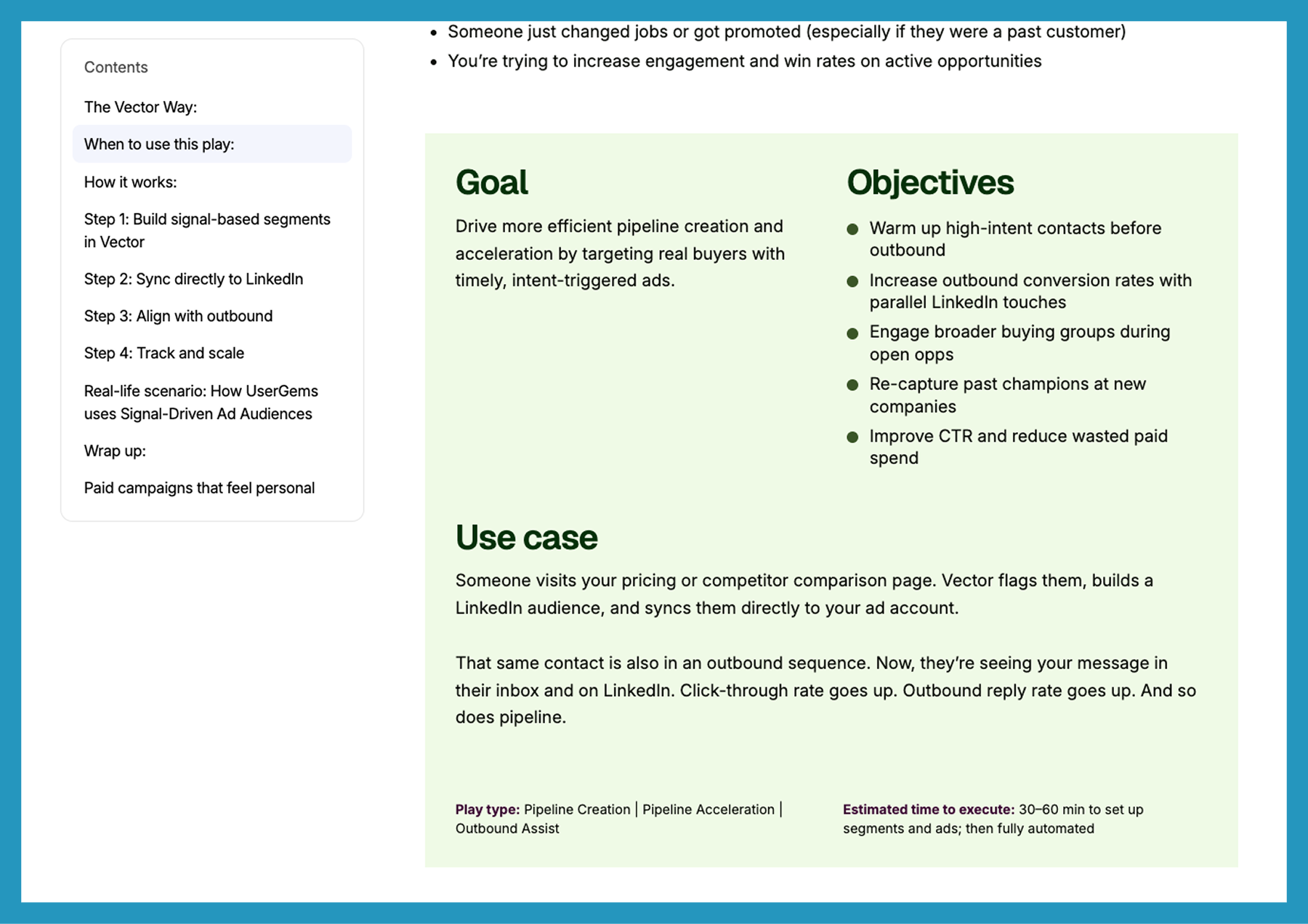
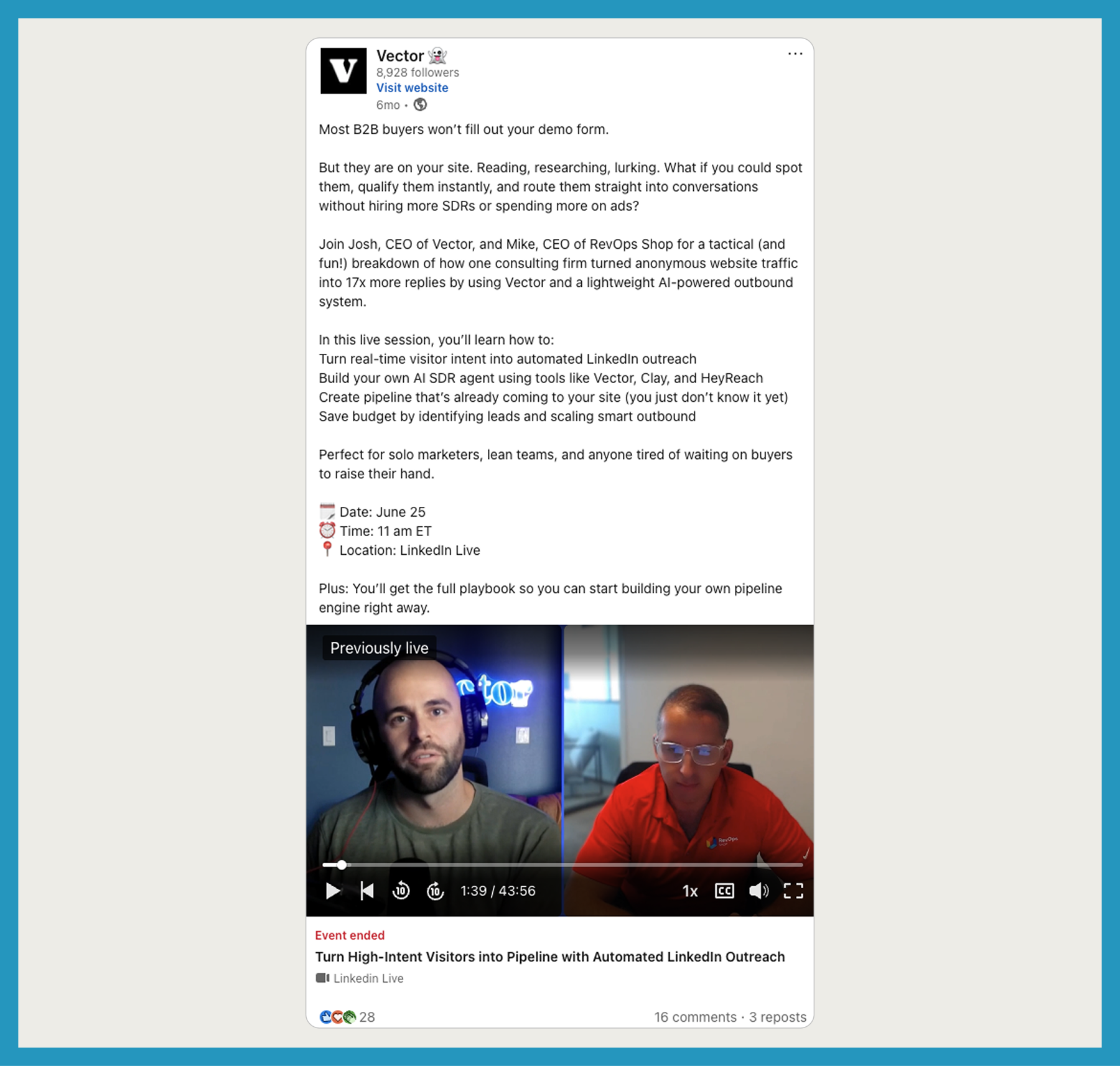

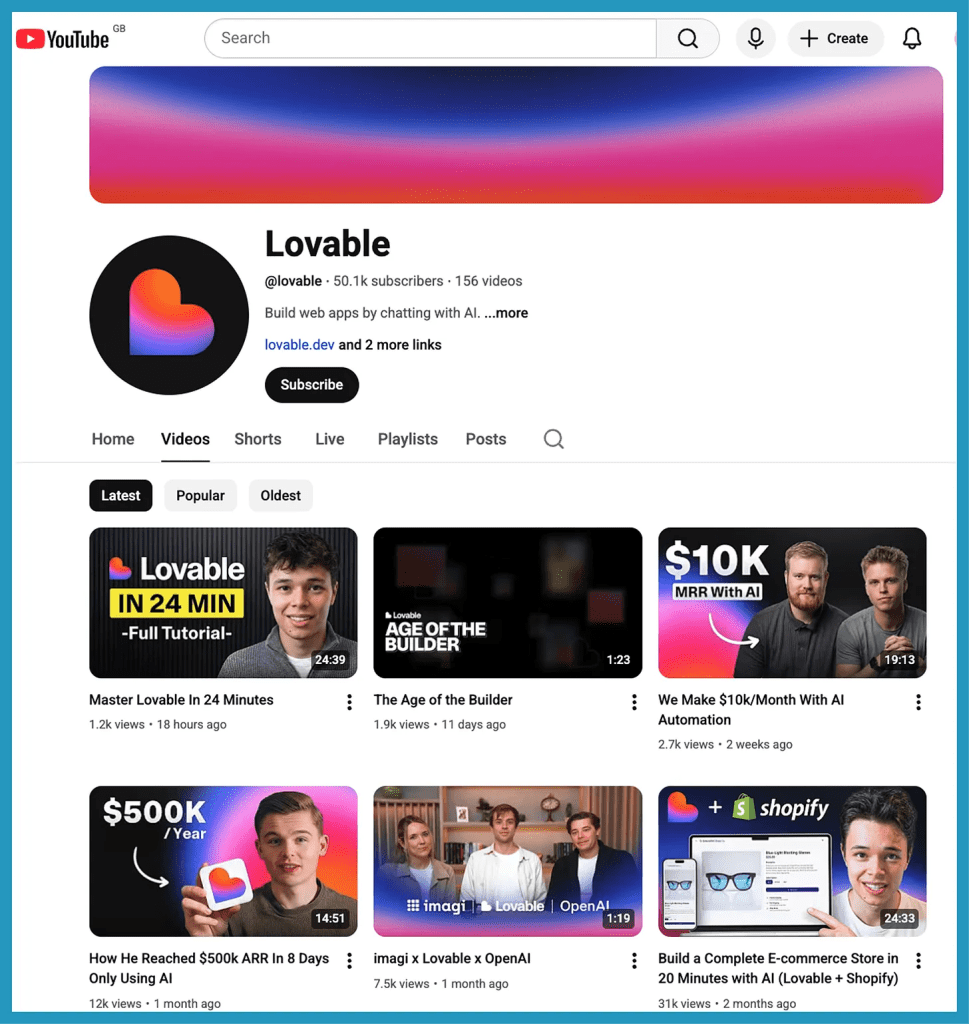

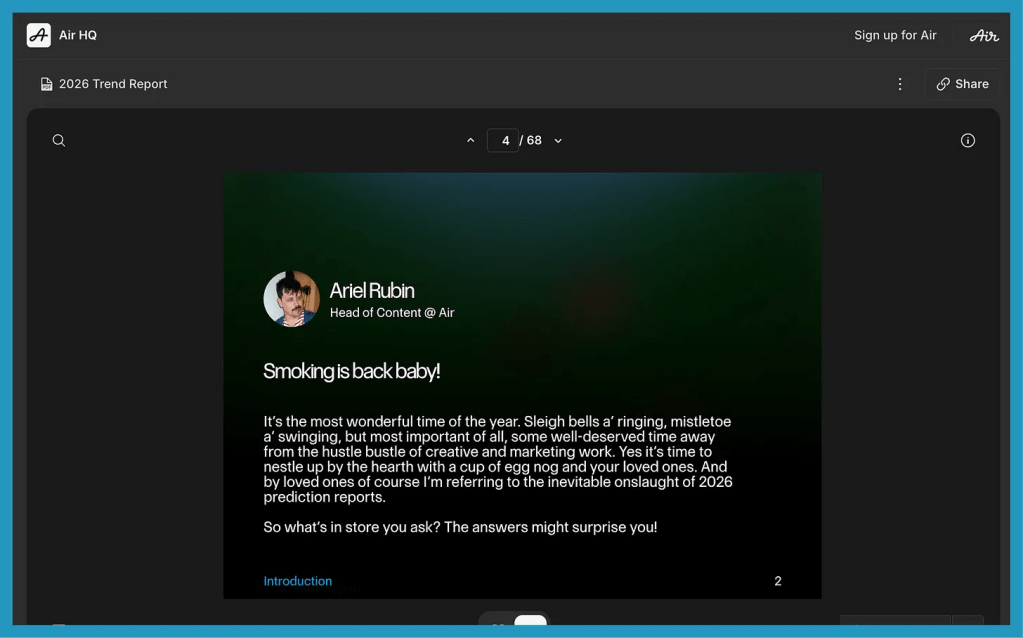
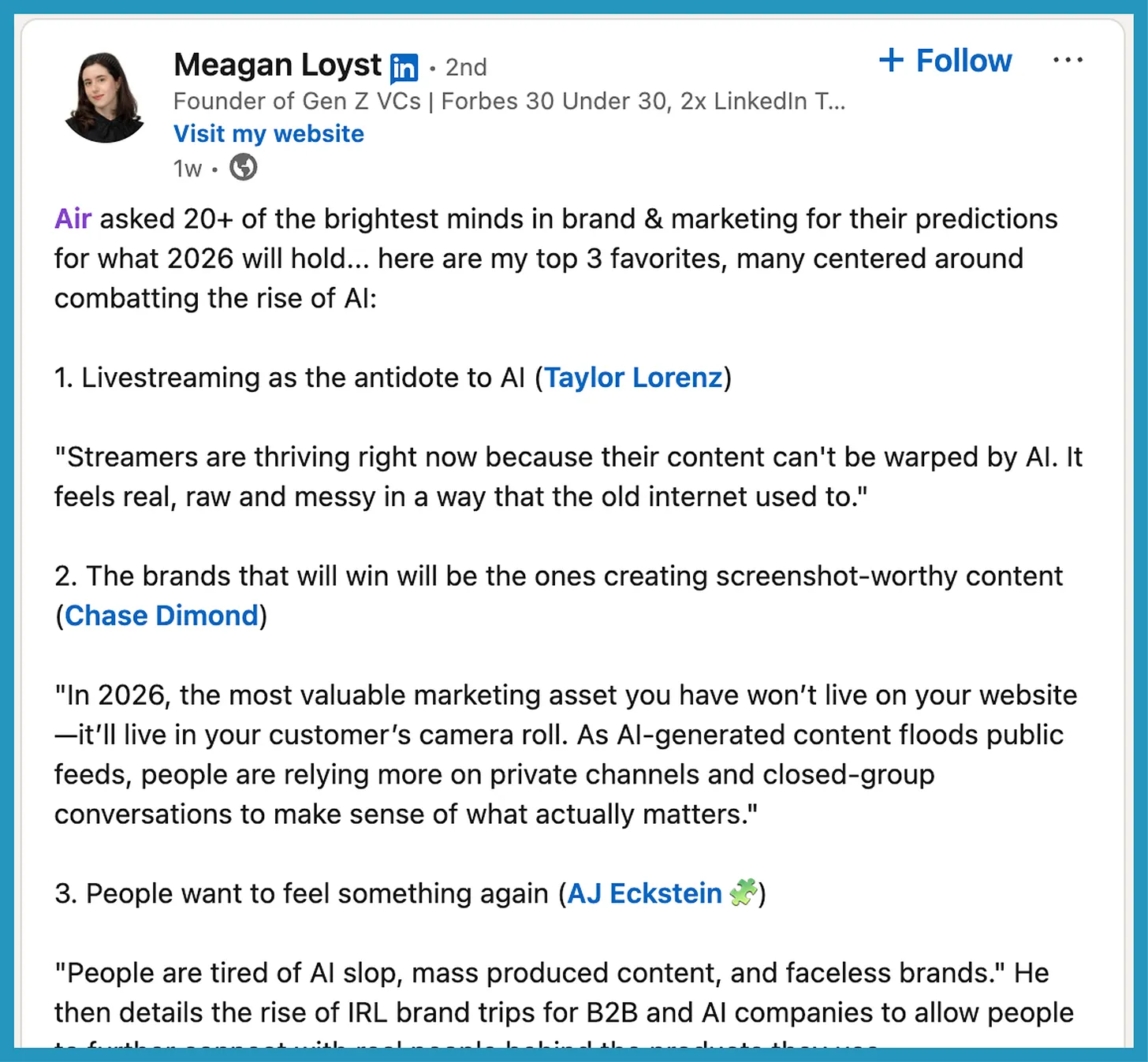
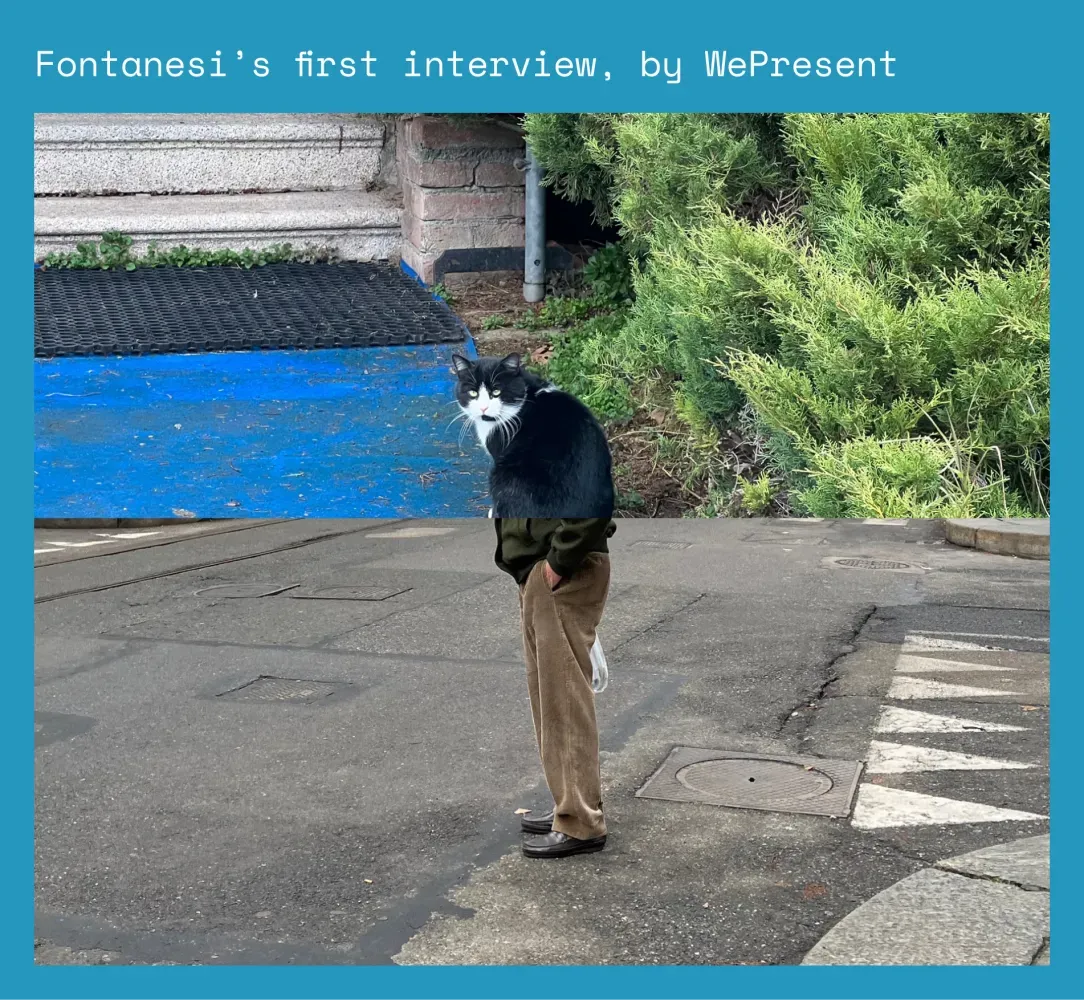





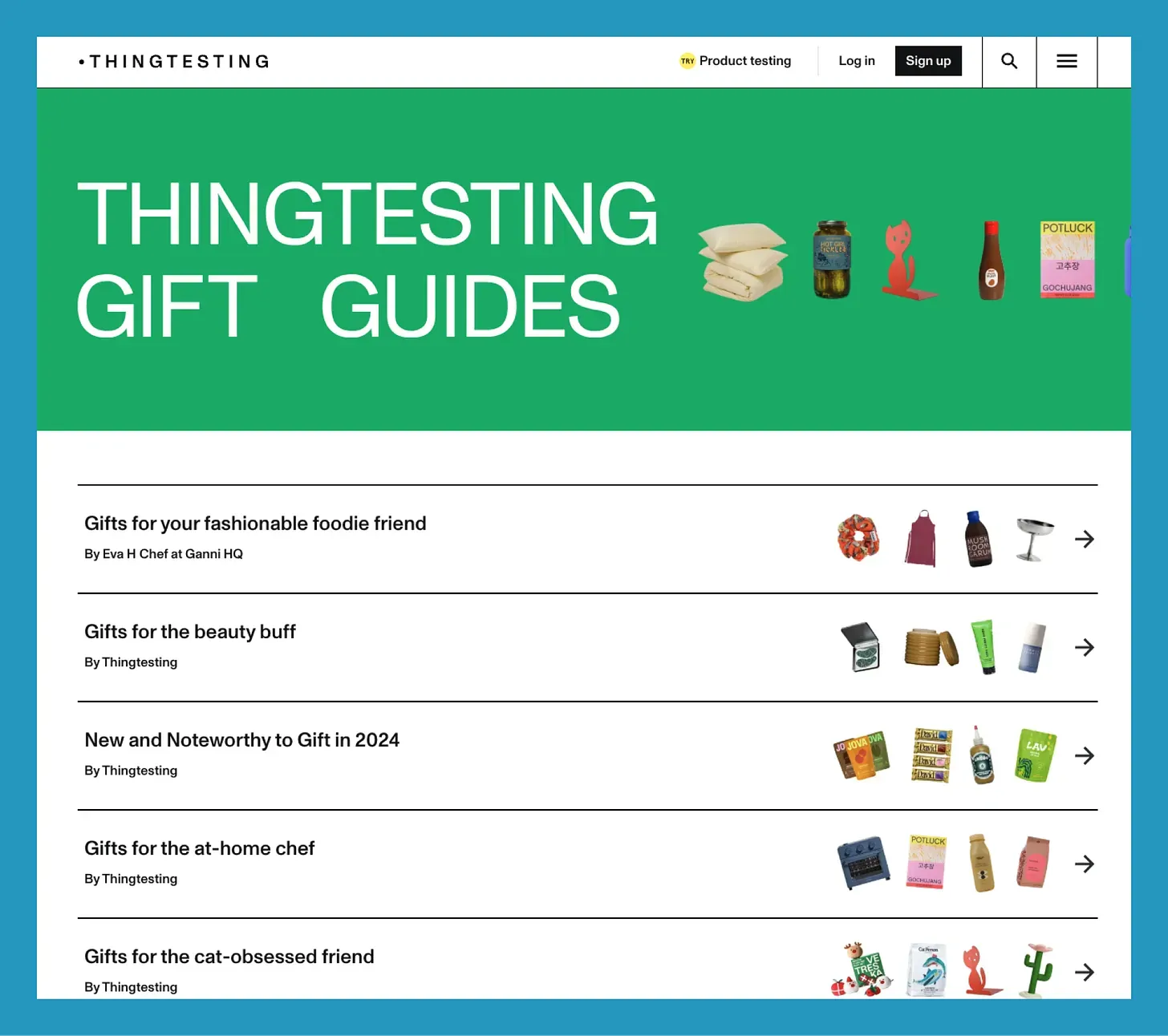






































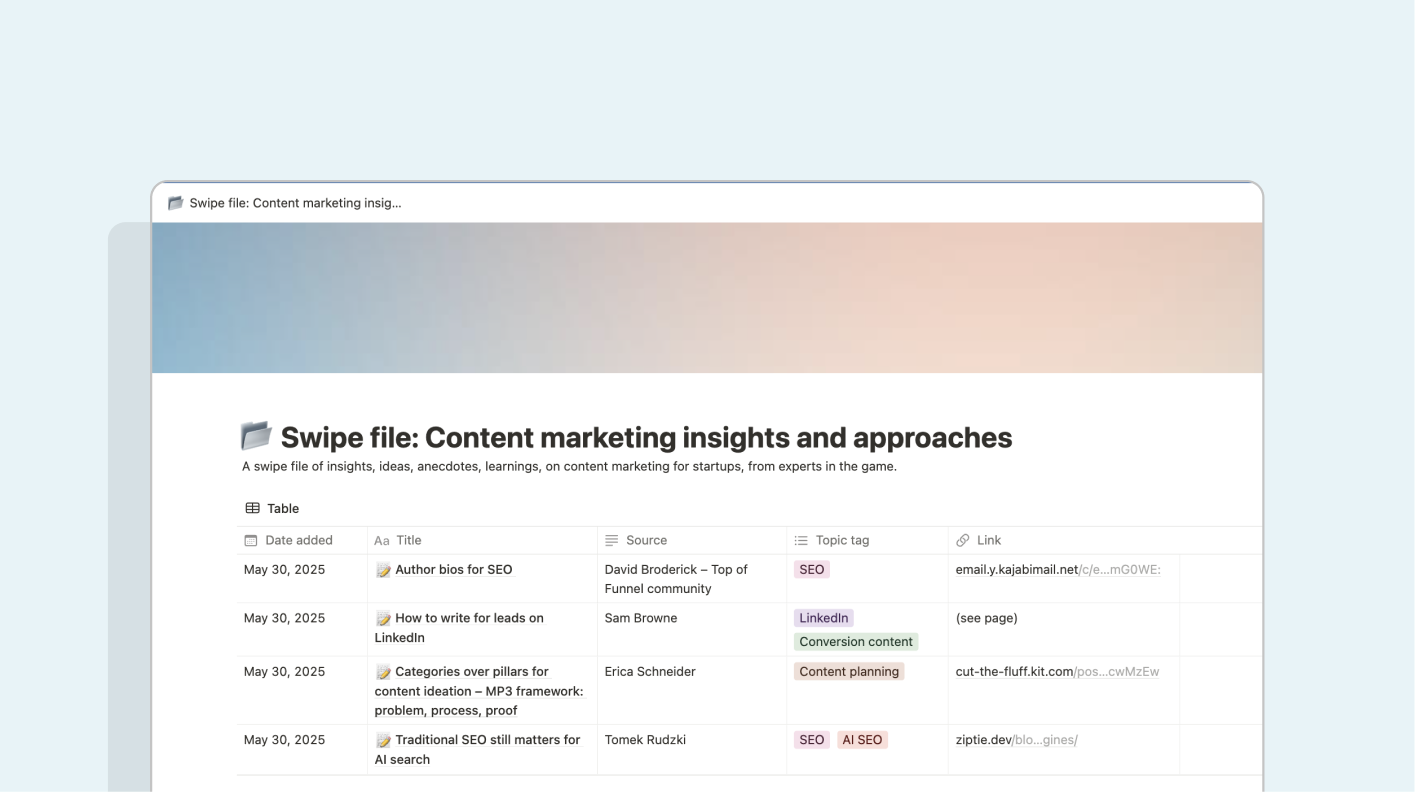
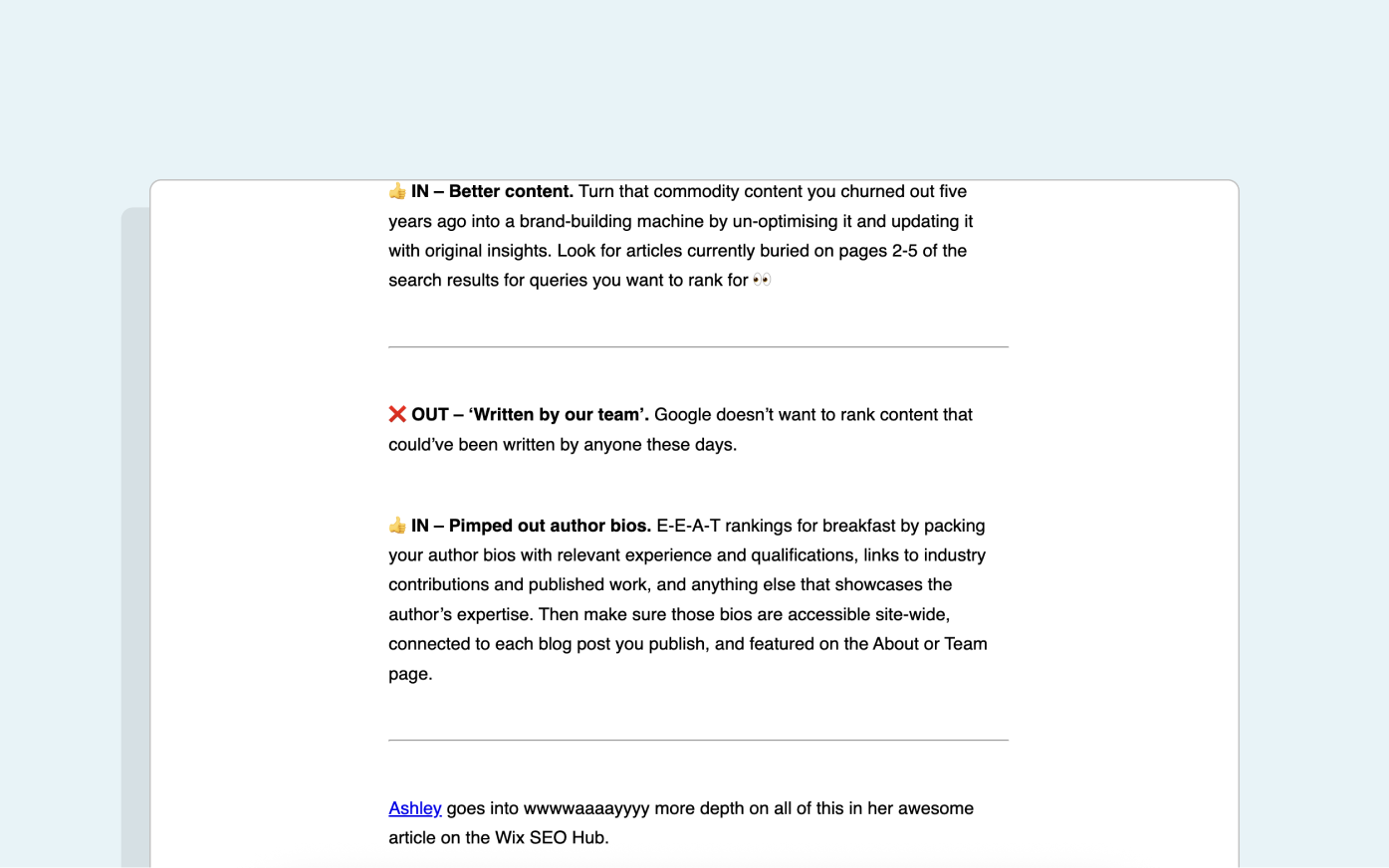

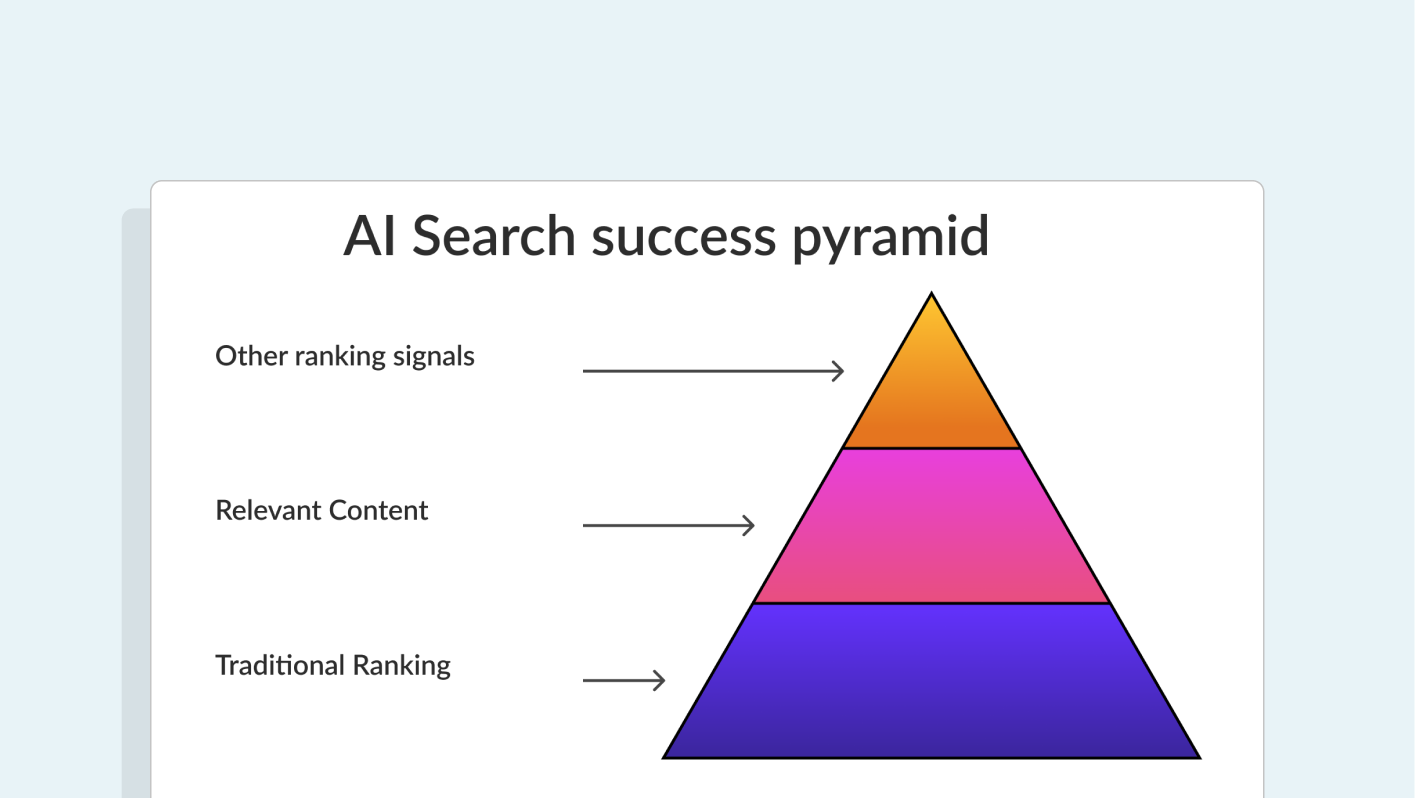


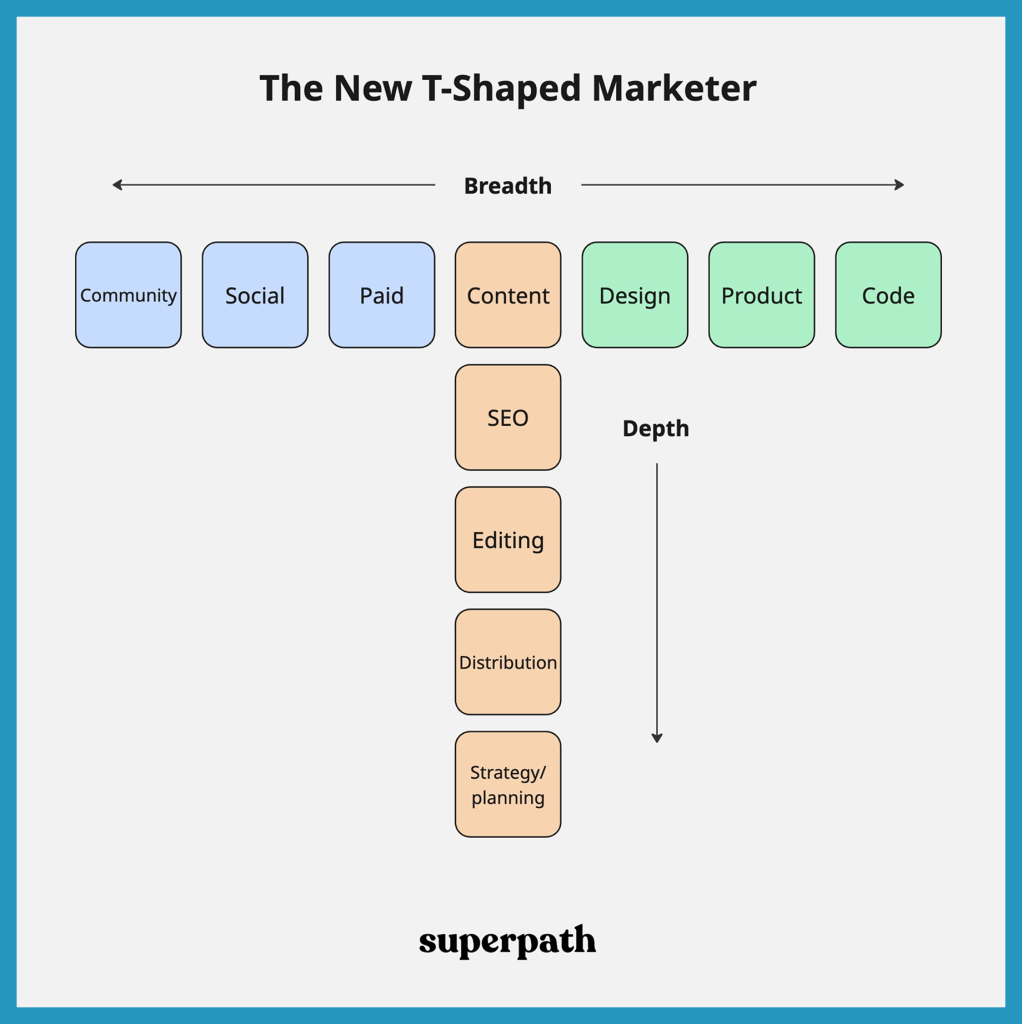

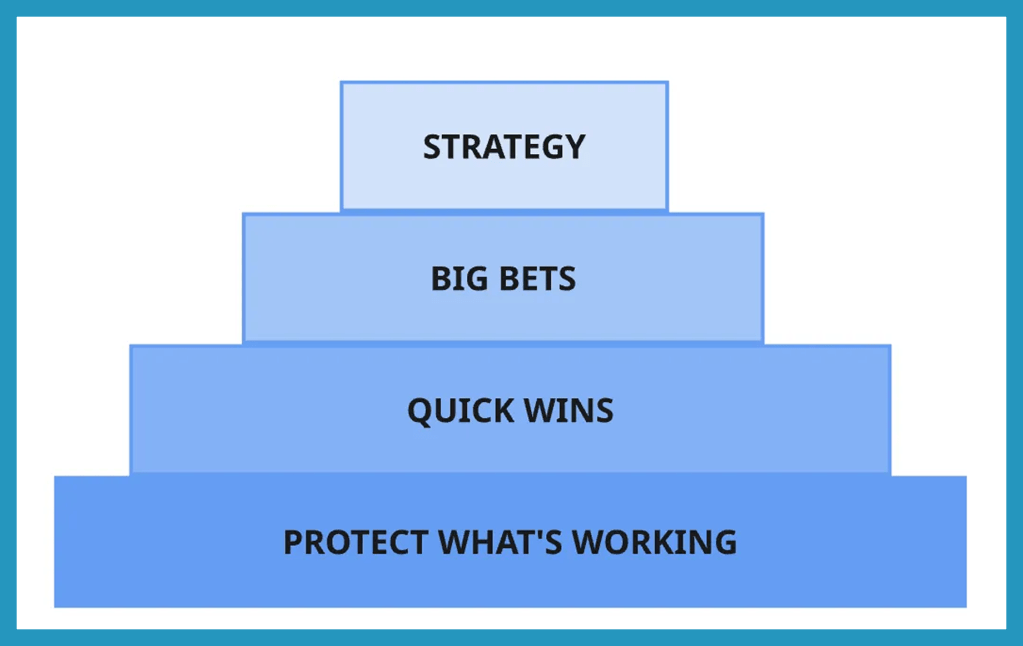





 Tabitha Whiting: High-impact content for high-impact startups