Subject knowledge matters in writing great content.
A writer that knows your subject area will be able to quickly understand your target audience and the topics and pain points that will hold value for them – and connect the dots on how your product offering fits into that.
So, if you’re looking for writing support, it makes complete sense to seek out an HR tech writer with experience in the subject area.
This blog is here to help you out with that quest.
In case you don’t already know me – hey, I’m Tabitha.
I’m a content writer and strategist with experience in the HR tech space. I built a foundational brand and content engine for Ravio – a B2B HR tech solution for compensation benchmarking and management. Initially this was as the first in-house content marketing lead, and I’m now continuing to support the team as a freelance content writer.
Ravio’s brand voice strives to include a human and advice-focused element to all pieces of content, harnessing Ravio’s network of partners in HR tech, venture capital, and compensation consultants. Because of this I’ve been able to interview several experts in the HR and compensation space (from JooBee Yeow to Alistair Fraser to Becky Brawn of People Collective, and many more!) through which I’ve quickly built my own subject expertise.
In terms of topics, Ravio’s focus is compensation, so I’m pretty knowledgeable in all things salary benchmarking, equity compensation, variable pay, employee benefits, salary bands, job architecture, employment law (Europe), pay transparency, pay equity.
Here are a few content writing examples for HR tech companies that I’m particularly proud of:
Original research content is a great way to build brand awareness, catching the attention of your target audience with new data-led insights on the topics they care about.
But where do you start with planning original research?
I don’t know about you, but I find that examples are always helpful when I’m getting my head around a new idea.
If you’re the same, in this article I’ve pulled together a few of my favourite examples of original research content in a range of different formats.
So, I’ve started a swipe file – a round up of the best content and campaigns I stumble across each month. Subscribe to get them to your inbox, once a month.
Gong is a revenue intelligence platform, supporting sales teams through recording conversations with prospects and providing guidance to increase the likelihood of winning the deal.
Gong has an ongoing content series titled ‘Gong Labs’ which shares findings from analysing their huge internal database of sales conversations. These are hugely valuable insights that will support sales teams with their own sales pipeline.
The blog shares data gathered by analysing the objections that arose during the 300 million calls recorded in the Gong platform – complete with graphics that highlight the key data insights.
It also includes advice on how to overcome each of the top objections.
This advice combines the data findings i.e. what worked in the calls that Gong has on file, as well as subject matter expertise from the expert author Armand Farrokh, who is the founder of the 30 Minutes to President’s Club podcast.
The analysis focuses on what makes a robust and credible climate transition plan, highlighting the lenders who are excelling on climate plans and progress through a lender leaderboard as well as the features of those who are lagging behind.
A survey of ESG Leads at these mortgage lenders also illuminates the key challenges and barriers, moving the discussion from theory to reality.
Supercritical is a carbon removal marketplace, with a current focus on biochar as a viable carbon removal solution for companies to purchase carbon credits in.
Their 2024 Market Outlook Report uses data findings from their own research team to chart the growth of the market for carbon credits – but with an important twist.
Every insight and graph included in the report highlights market growth with relation to the biochar projects that have passed vetting to enter Supercritical’s marketplace, and those who have failed.
It makes a clear point: that the current growth in the biochar market is reliant on poor quality carbon projects that companies should not trust for carbon removal.
This is interesting data insight in itself, but it also provides evidence for Supercritical’s brand positioning as a trusted marketplace partner for credible carbon offsetting and removals – it’s a win for both product and content marketing.
The report itself is a relatively simple format: a survey of HR teams to find out the latest trends and challenges in the function, and draw trends compared to previous years.
What I find interesting is how they’ve transitioned from a static PDF report (2023):
To presenting the findings through an interactive landing page – for the first time in 2024, and again for the 2025 report.
The landing page format brings the data to the forefront through striking graphics:
It also brings expert opinions to the forefront, with quotes peppered throughout the landing page:
These visual elements, alongside the ability to scroll and click between different sections of the landing page, makes for a piece of original research content that users are likely to come back to again and again.
LinkedIn’s B2B Marketing Benchmarks report uses a creative twist to highlight the key insights and takeaways: a set of ‘marketing team of the future’ persona cards.
Each of these persona cards had a section of the report which expands on the topic they represent, with key data findings. This is for the ‘creative vanguard’ for instance.
I actually don’t think the full report is that great an example of original research – it’s a little bit style over substance. But I love this creative way that the findings are summarised, so its made it to the list.
The premise of the blog centres around a question from a real-world Stripe customer:
‘Last year, one of our users—Yuval Shwager, the head of product at Mixtiles—came to us with a question: “We want to offer buy now, pay later (BNPL) options, but how do we know they won’t add checkout friction or cannibalize our card volume?”’
Stripe answered the question through an experiment: running A/B tests on 150,000 payments sessions, with half showing buy now pay now (e.g. Klarna, Afterpay) as an option, and half not.
It’s original research content, but to answer a single objection or question raised during the sales process – answering the question whilst also providing a snapshot of genuinely interesting data insights from Stripe’s product.
Ravio is a compensation management platform which includes real-time compensation benchmarking data and market trends.
Ravio’s data is its strength – offering more accurate, more reliable, more up-to-date compensation data than anyone else. Showcasing that strength is an important goal of Ravio’s content strategy and brand voice – highlighting data insights through educational content, as well as within the product.
The report shares the most important trends and insights as HR teams head into compensation review season – such as hiring rates, attrition rates, typical salary increases, etc.
Ravio’s own data is coupled with a survey to find out key priorities and barriers for HR teams, adding additional insights to support the narrative.
It has become an important brand touchpoint for Ravio, with the report expected by the market and resulting in a major uplift in traffic and interest in the Ravio platform.
Because of this, we’ve also developed themed reports which dive deeper into a particularly important topic.
For instance, in early 2024 we published the Ravio Pay Equity report to share insights from Ravio’s data on the gender pay gap and representation of women in tech – a topic that is becoming more and more important with the introduction of pay transparency legislation like the EU Pay Transparency Directive.
In the argument of to gate or not to gate, Klarna seems to be on the ‘not to gate’ side of the debate. They regularly publish original research in the form of landing pages which share key findings on a topic – such as the checkout or the money management pulse.
The landing pages make for a snappy way for users to identify interesting findings, whilst also giving Klarna the SEO benefits that come with having original research content in an indexable format.
When used by product designers, Figma forms the bridge between designer and developer. The designer produces the prototype on Figma, ready for the developer to implement.
There can be a tricky working relationship at play here, with frustrations from the designer when the developer doesn’t do their design justice, and frustrations from the developer when the design isn’t code-ready.
Figma’s Decode the Developer report addresses that pain point with a report that highlights the key challenges, the benefits of designers and developers working together more effectively, and how to go about that – all insights gained through a survey of front end developers.
I like this report because it’s full of actionable insights and it targets a clear pain point that they know impacts their primary target audience of product designers.
Kamma felt that trade PR was an important channel for them to increase brand awareness and generate leads.
Kamma is a climate data provider, and so has an internal database that gives the perfect foundation for bespoke data analysis to provide journalists with headline-worthy press releases – which is exactly what I executed for them.
Atomico’s annual State of European Tech report is a classic ‘state of’ industry style report – but it’s a good example of this style, because it’s an incredibly comprehensive and detailed analysis of the European tech industry.
It’s particularly interesting because of how Atomico harnesses partners to produce the report. The 2023 report has a whole section dedicated to partners, because of how many partners and collaborators are involved in the project. This includes data partners (like Ravio) who provide data on various elements of the tech industry.
It also includes subject matter experts who are incorporated into the report throughout, commenting on key findings to add further insights via expert opinions and experiences.
Not only does this help to make the content of the report as high-quality as possible, it also supports the distribution of the report at publication, providing a whole host of partners and contributors to share the report and help to increase its reach.
Content marketing 101: have a foundational content strategy in place before you start creating content.
When there’s no content strategy in place, it’s all too common to see early-stage companies performing what I like to call ‘random acts of content’.
One of the sales team suggests writing a blog to answer a question that a prospect brought up on a demo call one time. The founder thinks ‘state of’ style industry reports are the best way to grow the brand. The content marketer has a topic that they’d love to cover to add to their portfolio.
All of these content pieces could perform well.
But if they did, it would be through pure luck.
We don’t want lucky wins. We want replicable success – a targeted approach so that we can get a clear understanding of what works, and build from there.
So if your startup is just about to commence its marketing journey, or if the journey so far has been something like the scenario outlined above, then you need a content strategy.
And this article will teach you how to go about creating one.
How to create an effective content strategy: a step-by-step guide
There are lots of content strategy guides out there that all claim to be the definitive way to create a content strategy, from the likes of Hubspot, MailChimp, and Semrush.
None of them are that revolutionary definitive guide.
They’re all just variations on a theme.
Which is what I’m going to give you too.
But, unlike most of those guides, I actually have first-hand experience of developing effective content strategies for startups like Lune, Ravio, and Kamma.
And I’m sharing my own personal approach with you.
Think of it like this: if you hired me as a content strategist to help you figure out how your company should do content (which, by the way, you can), this is the process that I would follow for that project.
To kick things off, here’s every step in my content strategy process in brief:
Step 7: Content cadence– how often will we share new content for each chosen format and channel?
Step 8: Success metrics – what will we measure to understand what’s working well for our content goals?
Now let’s take a detailed look at each step.
Step 1: Content goals
Defining the aims, objectives, goals for your content is a vital starting point for any content strategy – giving the purpose behind the plan and ensuring that the content strategy is designed for business impact.
So how do you figure out the right content goals?
Well, content goals should always be informed by the priorities of the business as a whole, answering the question: how will content marketing support progress towards the company’s goals?
So, for example, if the north star objective for the overall company is to increase MRR by 20%, then you might want to build a content strategy which prioritises conversion and supporting the Customer Success team with upselling.
The ideal scenario looks like this:
Business goals defined by leadership team
Marketing goals (overall) informed by business goals and defined by marketing lead
Content goals informed by marketing goals and defined by content lead.
If you aren’t quite sure where to start, these are some of the most common content marketing goals to consider:
Increase brand awareness
Increase organic search traffic
Build brand credibility and trust in the market
Demonstrate topic expertise
Increase lead generation
Increase conversion rates
Build loyalty with existing customers to increase retention
Build an owned audience (e.g. newsletter subscribers).
Of course, if you use any of these goals you’ll need to turn them into SMART goals to make sure they have a specific purpose in the context of your business. Increasing lead generation, for instance, might become ‘30% increase in inbound deals in the next year.’
Step 2: Audience analysis
Next up: audience.
Who your audience is makes a big difference to how you approach content.
The big questions to ponder are:
Who are we talking to when we create content?
What kind of content do they typically engage with?
What channels do they hang out in?
What specific pain points do we know that they have, that are relevant to our brand, and that we could address through content?
If your ICP is a sales executive struggling to close deals, who spends 2 hours a day on TikTok and never reads written content, then a company blog isn’t going to have the impact you want it to.
It’s also pretty likely that there will be multiple personas involved in the sales cycle for your brand, so you need to understand how each of those differs in terms of content needs.
For this reason it’s really important to get into the details here, to really get to know your niche target audience as well as you possibly can so that you can create content that will actually resonate with them and provide value.
The absolute best way to do this is to speak to customers – or people who fit the ideal buyer persona(s) for your company. If you can, set aside time early in the content strategy process to conduct a handful of interviews designed to find out the information above.
If that’s not possible, then go detective and seek out all the information that already exists about your target audience:
Sales and Customer Success calls – sit in on upcoming calls or listen to previous calls via a call recording tool like Gong or Grain (if your company doesn’t already record sales calls, I highly recommend it, they’re an absolute goldmine for feedback, pain points, and ideas).
Feedback gathered from prospects and customers – find all the common feedback, objections, topics raised, etc that the sales and customer success teams have noted down in Slack or Notion.
Questions or discussion points raised at previous webinars or events
Social listening – find the LinkedIn channels, Slack communities, Reddit threads, industry influencers, etc that your target audience are using, and see what kind of discussions arise
Keyword research to identify common search queries in your space
Industry research – find existing industry research in your space e.g. recent data reports or surveys run with your target audience, to understand current trends and concerns.
Step 3: Brand differentiation
There’s a lot of content out there today that all covers the same topics in the same ways.
That’s true in every industry, and the chances are that all your competitors are using content as part of their marketing strategy too.
If your content does the same, it isn’t going to cut through.
Bland, tickbox content used to work for SEO purposes. Create a blog structured around a target keyword, with subheadings optimised for longtail or question keywords, and it didn’t matter too much how useful that content actually was.
That isn’t true anymore. Google’s SEO algorithm prioritises relevant and valuable content over everything else – especially since the EEAT update.
You want your content to stand out (for the right reasons).
And that means figuring out how you will differentiate your brand’s content from the noise, and provide genuine value for the target audience. This could include:
Brand voice. What kind of personality and language will resonate with your target audience? Could we create a slightly different brand voice to our competitors? Brands in the consumer space have done this really well – the likes of Innocent, Monzo, and Aldi, for instance, who are all well known for their chatty and humorous voices on social media. It’s less well done in the B2B world, but even a subtly different brand voice can stand out from the bland business blogs.
POVs. What strong opinions does the company have about the sector it operates in? This often comes from the founding team and might even be the story behind why the company was founded to begin with. It could also be key principles, beliefs, or best practices that informed how the product has been developed.
Data insights. Many tech startups will have proprietary data that can be harnessed for content through identifying trends and stories to tell, and sharing that data within your content gives you unique angles and insights. It could be that the company owns a database as part of the product (like Ravio’s salary benchmarking database, for instance) or it might be that proprietary data exists in the form of how users engage with your product (like the Gong labs series, for instance).
Expert insights. Collaborating with subject matter experts will always strengthen your content, bringing insights and first-hand experiences from people who have a deep understanding of your sector and the problems of your target audience. You might have internal experts or existing relationships with external experts, or you might need a plan for how to build that.
Pain point content. We touched on this in the audience section, but understanding the pain points of your target audience means that you can create content which resonates – either through validating the pain or through providing expertise to overcome it. It’s way more valuable than yet another ‘What is X’ blog.
Content authors. Most company content is in the voice of the brand. Trusted messengers are important for brand credibility, so consider who else could author content for your company. That might look like ghost-writing blog content for those subject matter experts in your network – like this blog for Ravio, authored by Rewards expert Rob Green. Or it might look like a founder or CEO who builds the company in public via LinkedIn posts or a Substack newsletter (like Buffer’s radical pay transparency content, or the Wrap Text newsletter by Equals). Or it might look like expert panel events that are turned into short video clips for social media. And so on.
The key outcome of this thinking is to create a set of content principles to include in your content strategy – a simple list of a few non-negotiables that every piece of branded content should adhere to, to ensure it meets the level of quality that you want to put out there.
For instance, you might decide that every piece of content you publish should target a niche pain point for your specific target audience, and should include either proprietary data or expert advice that informs how to overcome that pain point (which is exactly what Ravio’s content principles look like).
Step 4: Content audit
Unless you’re starting completely from scratch, it’s highly likely that the company you’re building a content strategy for already has existing content.
Conduct an audit of that existing content with two things in mind:
Content to refresh or repurpose. Some content is probably still relevant to the topics and pain points you plan to address for your audience, but it may be outdated or out of line with the goals that you’re putting in place. It’s well worth marking these pieces for a content refresh or to repurpose the messages into new content.
Impactful content. Analysing which content is driving progress towards key goals – whether that be specific content formats, topics, or channels – can help to inform which to prioritise in the content strategy.
Your content shouldn’t sound like every one of your competitors’.
With my Content Strategy Audit you’ll identify the creative content opportunities that competitors can’t replicate, and that will truly build brand authority.
Steps 1-4 are the foundational pieces of the content strategy. You’ll then use the information from those steps to determine steps 5-8.
Unless you have a huge content marketing team at your disposal, you can’t create content in all formats and distribute it via all channels.
And even if you could do that, you shouldn’t – it would be a waste of time.
Instead, you want to focus on the content channels and formats that fit your target audience.
So, there are two key questions to explore:
What channels does your target audience hang out? As an example, LinkedIn is likely a great shout for a B2B audience, but isn’t your best bet for B2C. There are also likely niche communities that your audience are engaged with or voices in the space that they trust – think Superpath or the Content Marketing Institute for content marketers, for instance.
What formats does your audience like to engage with? Do they prefer to watch short-form video clips, listen to podcasts, read long-form articles, and so on.
Pick 1-2 formats and channels that have the most potential for your target audience, and focus on them. Don’t try to do them all at once – you can always add to and build on these initial foundations later.
As an example, let’s assume you’re a B2B company whose number one goal with content marketing is to drive inbound revenue.
You might opt for the following content formats as a priority:
Content pillars are 2-3 core topics or themes that your content will focus on – with the aim of demonstrating deep brand expertise in the topics that are most important for your audience.
They’re important to give focus to the content strategy as well as to ensure content resonates with the target audience. They also help you build topical authority (especially when coupled with a topic cluster approach) which is important for keeping your company top of mind for audience members, as well as to enhance SEO performance.
There are 3 things to consider when determining what the right content pillars are:
Pain points – the most urgent pain points of your target audience.
Brand expertise – topics that align most with the solutions that your product or service offers, and that the team internally have deep knowledge of.
SEO potential – the parent keywords with potential to bring organic traffic to the website i.e. those with relevant search intent and a good balance of keyword volume and keyword difficulty.
Step 7: Content cadence
How often will you produce content for each format and channel that you’ve chosen to prioritise (see step 5)?
Planning a realistic content cadence starts to bridge the gap between content strategy and content production – preparing you to put a content calendar in place.
The answer will come down to internal capacity and budget. Who is creating content? Can you work with external freelance content writers to increase capacity?
I’d highly recommend considering how you could use a content repurposing workflow to make a more efficient cadence here too.
For instance, if original research reports are a key format for you, then that’s going to be a lot of work to produce. Content repurposing can help you make the most of the time spent – by taking that research report and turning it into additional formats and pieces e.g. blogs for each key finding, webinars sharing key insights, YouTube videos sharing the webinar recording, LinkedIn posts for each data graphic or expert contribution, etc.
In that scenario your content cadence might be something like:
1 original research report per quarter which includes proprietary data analysis and subject matter expert (SME) interviews
1 blog per week – with 6 per quarter repurposed from the report findings and SME interviews
1 webinar series per quarter (live and on demand via YouTube) – on the report topic and findings
2 LinkedIn posts per week via company page – with 1 per week sharing data insights from the report and 1 per week sharing SME insights.
You get the gist.
Also consider how content refreshing will fit into the cadence to ensure that content will stay up-to-date and relevant over time – it’s easy to get into production mode and forget about older content, but it’s an important part of the process.
Step 8: Success metrics
What does success look like for your content marketing?
The right metrics to track will depend on the content goals you set back in step 1.
If driving revenue is the top priority then you might track lead: conversions from content, pipeline produced by content conversions, pipeline influenced by sales enablement content, the number of ICPs engaging with content.
If brand awareness is more important currently, then you might focus on traffic, impressions, and engagement for each key channel – as well as organic shares of your content in key communities for your target audience (user generated content).
My advice is always to pick a limited number of metrics to track. Tracking everything under the sun is tempting, but it’s also time-consuming and often doesn’t help to move the needle. Stick to a few key metrics that directly relate to your content goals, and all is well.
🧠 The most important things to remember when developing your content strategy
If there’s anything I want you to take away from this content strategy guide, it’s these points:
Start simple, learn what works, and build from there
Make differentiation a priority – bland content that mirrors your competitors won’t have the impact you want, find what’s unique about your brand and the unique value that you can offer your audience through content
Less is truly more – produce less content but make sure every single piece is super high quality and holds true value for your audienceLean on subject matter expert content and original research content to demonstrate expertise and differentiate from bland AI content
Be efficient – make content repurposing and content refreshes a priority from the word go.
Ta da!
That’s it. There’s your content strategy.
Plug the findings for each of those eight steps into a document (word doc, slide deck, notion page – whatever you fancy, whatever you’ll actually use day-to-day).
Then use that strategy to plan the content calendar for the next quarter, avoiding those random acts of content and instead producing content informed by a deep understanding of your target audience and company goals.
All that’s left then is to get cracking on production.
If you work with freelance writers, send them the content strategy so that they understand the foundations of content marketing at your company.
Then, at the end of the quarter, do another content audit to see what’s working, what isn’t, and adjust, build on, or double down on the strategy from there – it should be a living, iterative document that helps you to keep testing and learn what works.
Back in early 2023 I joined the team at Ravio as their first content marketing hire, to build the foundations of a content engine that would build brand awareness and demonstrate the depth of Ravio’s insights and expertise in the compensation management space.
I spent the early weeks absorbing as much customer insight as possible – reading feedback, listening to sales and customer success calls recorded via Grain, researching compensation leader communities, and so on.
I then used that information to develop a first version content strategy to inform content production at Ravio from then on. The resulting document is a first pass that has already been iterated and improved upon from learnings and refinement along the way, but it gave the initial structure and focus that was much needed.
How a content strategist can help with your content strategy
Implementing a strong content strategy is not a quick or easy task.
From customer research to pillar planning, there’s a lot of time and effort that goes into producing a content strategy that will actually guide the direction of your company’s content marketing.
Some teams struggle to find the time to focus on strategy alongside all the tactical work going on. Others don’t have internal content marketing expertise to lean on.
In these scenarios, working with an external content strategist to build the content strategy can be a huge help. Having it in place means the team can produce well-informed content, instead of random acts of content.
A content strategy is a document that defines a company’s approach to content marketing – the objectives for content marketing, the types of content that will be created, the distribution channels used, the topics focused on, and so on.
The core question that a content strategy answers is: ‘how will the content that we create and distribute under our brand’s name contribute towards our business goals and priorities’.
A content strategy is not the same as a content plan or calendar. Whereas the content strategy is a strategic document that forms the guiding principles and approach to content, the content plan or calendar is a tactical document that outlines exactly what pieces of content will be produced over a period of time e.g. the next quarter.
A content strategy is important because it gives structure, focus, and purpose to content creation and distribution, ensuring that every piece of content produced is working towards a defined goal and will resonate with a specific target audience.
Without a content strategy it’s common for companies to fall into a routine of producing what I like to call ‘random acts of content’ – content ideas that come up through internal conversations, mimicking topics seen on competitor or industry websites, and so on – which vastly reduces the likelihood of content having the desired impact on brand awareness or revenue pipeline.
There are a few things that I see as clear markers for a great content strategy:
Enables focus and structure. The point of the content strategy is to bring clarity to content plans ensuring that every piece of content is making progress towards defined goals, and will resonate with the intended target audience through seeking to understand them deeply and find the overlap between their needs and the expertise that branded content can offer.
Prioritises brand differentiation and content quality. There’s a lot of content out there today, and that’s only growing with AI content generation. Differentiation is vital, finding the unique value and insights that your brand can offer through content to solve the real pain points of your target audience. Original research and expert-led content are both great to emphasise.
Starts simple and iterates. A content strategy doesn’t need to be pages and pages long to be effective. The best content strategies start simple to create clear focus. It’s then much easier to learn what works, and build on the strategy over time to increase impact efficiently.
Informs content creation, every time. Ultimately a content strategy should be a set of guiding principles that inform the content that you choose to create for a brand. If you’re not sure what to prioritise, the content strategy should be the document that you turn to to decide. If it isn’t serving that purpose, it isn’t a good content strategy.
Making content repurposing a priority is a smart move.
Repurposing content helps you get the most possible impact out of every idea, ensuring your most important messages reach as many of your audience as possible.
But it does take time to get right, especially if you’re keen to repurpose content into a format that you don’t currently have internal expertise on – like repurposing blogs to videos if your team’s skills lie in writing.
If that’s you, then there are plenty of content repurposing tools out there today that can make it much easier to reformat content for new formats and channels.
11 repurposing tools to help you make the most of every piece of content
In this blog post we’ll explore the pros and cons of 11 of the best tools for repurposing content that are on the market in:
📹 A note on the many other repurposing tools for video clips
There are LOTS of AI tools out there now that can take long-form video and turn it into short video clips, optimised for different social media channels (TikTok, Instagram, YouTube shorts, etc) – or transform a video clip for one channel into the right format for another channel.
I wanted this blog to cover the range of different content repurposing tools out there for all kinds of formats to cover any repurposing workflows that you might have – so I’ve limited the inclusion of those video clip tools in favour of adding more variety.
If you’re specifically looking for video repurposing, here’s user reviews for the other tools that didn’t make the cut: Lumen5, 2short, Flowjin, Minvo, Opus Clip.
Before we get into the details, below is a quick overview of how these tools compare.
As you can see, most of these options receive favourable reviews from users – the main differences to look out for are the types of repurposing offered and the price point.
Most of the repurposing tools also offer a free trial, so it’s well worth testing them out yourself to see which is best suited for your needs before making a commitment.
1. Repurpose.io
Repurpose.io content repurposing options
Repurpose.io is a tool that makes repurposing content across different social media platforms simple – designed primarily for social media creators, but equally useful for businesses who focus on video content and have a presence on multiple social media channels.
The focus for is repurposing video content for use across several social media channels – like turning a TikTok post into a YouTube short, or a LinkedIn post into a Threads post, or a podcast video into an Instagram reel.
Repurpose.io key features
Key features included in Repurpose.io are:
Resize videos. Different channels have different format and size requirements for video – some are horizontal, some vertical, for instance. With Repurpose.io you can resize a video for a different channel at the click of a button.
Automate repurposing workflows. Post content once on one social media channel, and Repurpose.io will automatically repurpose that content into posts optimised for all other channels that you use.
Custom templates. Repurpose.io includes a library of templates that you can customise to align with your own brand, and use as the basis for future content.
The ‘content marketer’ package is $35 (£27) per month for users with a maximum of 5 of each social media channel.
The ‘agency’ package is $149 (£117) per month for users with up to 20 of each social media channel – targeting agencies who manage social media channels for an abundance of clients.
Repurpose.io reviews
Repurpose.io has a rating of 3.4 out of 5 on Trustpilot – with users highlighting the positive impact of using the tool and the great customer support, but being disappointed that it’s difficult to cancel the product once you’ve committed to using it.
Welcome is webinar hosting software, which also includes the ability to repurpose webinar recordings into into short video clips for use across other platforms – like YouTube shorts, LinkedIn, embedding on a website, and more.
Welcome key features
In terms of content repurposing, key features of Welcome include:
An AI tool to find the best moments to turn into short clips
Suggested titles and clip descriptions
Automatic webinar transcript – which can be used for repurposing into written content like blogs or social media posts.
Welcome also has core features related to designing and hosting webinars.
Welcome pricing
Pricing for Welcome begins at $625 (£490) per month, billed annually at $7500 (£5875) – but remember with this higher price that Welcome is a webinar hosting platform first, with a content repurposing feature.
Welcome reviews
Welcome has a rating of 4.7 out of 5 on G2 – with users highlighting the customisation abilities within the webinar platform and the ability to easily create evergreen assets, though they do point out that due to the detailed features, Welcome can be a tricky platform to get to grips with initially.
Vidyo is an AI tool largely used for repurposing long-form video content into short-form clips, for use across social media channels – TikToks, Instagram reels, YouTube shorts, and so on.
Vidyo can also be used to turn video content into written content e.g. blogs.
Vidyo key features
Key features included in Vidyo are:
Resize even multi-camera videos. Vidyo’s cutmagic tool detects poor framing and scene changes, making it possible to repurpose videos with multiple cameras or screens for any platform.
Free templates. Vidyo includes a library of templates for all social media channels to help with future content creation.
Auto generate captions for any language you like.
Brand kit to personalise content with logos, custom outros, and more
Instant access to royalty-free stock videos, to add b-roll footage to videos.
Automatically turn video content into written content – like creating show notes from a video podcast, or creating a LinkedIn post from the insights in a video clip.
Vidyo pricing
Vidyo has a free plan which includes 75 credits per month for 720p quality videos, and limited access to the platform’s features.
For $49 per month users can access 600 credits per month and all features – and for large teams custom packages are available in discussion with Vidyo’s sales team.
Vidyo reviews
Vidyo has a rating of 4.6 out of 5 on Product Hunt – users highlight that the tool is easy to use and affordable, especially with the free plan as an option.
Piktochart is a design tool for transforming text-based content (documents, blogs) into visual formats like infographics, social media images, banners, flyers, posters, and more.
Piktochart can also be used for video editing and for automatically transcribing video into text – for instance, to turn a video into a transcript which can then be automatically turned into a blog post.
Piktochart key features
Key features of Piktochart for repurposing content include:
Upload document – upload a document to Piktochart and turn it into any format you like
Brand assets to upload and save branding such as logos, brand colours, brand fonts, and more
Customisable template for a myriad of content formats.
Piktochart pricing
Piktochart has a free plan which includes 2 downloads per month and 50 credits for AI projects. Piktochart’s paid plan begins at $14 (£11) per user per month for professionals – and $24 (£19) per user per month for business or team accounts.
Piktochart reviews
Piktochart has a rating of 4.4 out of 5 on G2 – users love Piktochart as a tool to create infographics and images for social media images, but note that you need to purchase the paid plan to access valuable features.
Munch is an AI tool for repurposing long-form video content into short-form video clips, for use across differing social media platforms – Instagram reels, YouTube shorts, etc.
Munch key features
Key features of Munch include:
Automate video repurposing. Upload videos to Munch and AI will identify the best clips to use for trending content across social media, and then edit them to optimise the content for the channels that you use.
Automated subtitles in over 15 languages.
Insights from social media trends data to optimise content creation for maximum reach and engagement.
Munch pricing
Munch has three pricing options:
The Pro plan costs $49 (£38) per month and includes 200 monthly upload minutes.
The Elite plan costs $116 (£91)per month and includes 500 monthly upload minutes.
The Ultimate plan costs $220 (£172) per month and includes 1000 monthly upload minutes.
Munch also offers a free trial for new users, with 20 minutes of upload time for free and access to all features.
Munch reviews
Munch has a rating of 4.7 out of 5 on G2 – with users highlighting the amount of clips that Munch creates from each video uploaded, but that some of the clips tend to be irrelevant or have incorrect timings for use as a standalone clip.
Wavve is an AI tool for repurposing podcast episodes into video clips – either using video versions of the podcast episode, or using waveform animations as the video with audio clips as the audio.
Wavve key features
Key features of Wavve include:
AI magic clips tool automatically identified the most appealing audio snippets to turn into clips
Customisable templates for content planning across different channels – and a drag and drop design editor to make your own
Waveform animations that match your branding
Auto-generate transcripts, captions, and SRT files in 60 languages.
Wavve pricing
Access to Wavve costs $19.99 (£16.50) per month – but savings can be gained by opting for annual billing ($15.99 or £12.50 per month) or lifetime access for $400 (£314).
Wavve also offer a free 7 day trial.
Wavve reviews
Wavve has a rating of 4.8 out of 5 on G2 – with users highlighting the platform’s ease of use, but suggesting it would be beneficial to be able to save different designs and tool kits for use across different brands or channels.
Canva is a graphic design tool, with the Magic Switch feature enabling users to resize and transform designs for use across different channels.
Magic Switch suggests the best formats for repurposing, based on the original design – so it can be used for repurposing designs into several different document formats such as an executive summary, blog post, presentation outline, LinkedIn post, video clip, etc.
The design will be automatically optimised for that format, and AI support suggests copy to use.
Canva Magic Switch features
Key features of Canva’s Magic Switch tool include:
Resize any design into different sizes for every channel that you use
Repurpose designs into different document formats e.g. a presentation into a blog post.
Canva Magic Switch pricing
To access Canva Magic Switch you will need a Canva Pro account, which costs £13 ($15) per month for one user.
Canva offers a 30 day free trial for Canva Pro.
Canva reviews
Canva has a rating of 4.7 out of 5 on G2 – but note that this is for Canva as a product overall, not specifically for the Magic Switch feature. Users do reference the Magic Switch feature as something that they like about Canva, enabling resizing across different channels.
Designrr is a tool for repurposing blog posts, podcasts, videos, or PDF documents into other formats. The primary use is to turn these types of content into eBooks – as well as PDFs, dynamic flipbooks, or webpages. Designrr can also be used to turn podcasts or videos into written transcripts or documents.
Designrr features
Key features of Designrr include:
Multiple import options mean that you can import content from PDFs, Word, Google Docs, audio and video files, or straight from your company’s blog.
Transform a series of blogs, podcasts, videos, or documents into a full Ebook.
Standard: $29 (£23) per user per month, 100 templates and limited features.
Pro: $39 (£31) per user per month, 300 templates and additional features e.g. flipbook generator, clone projects.
Premium: $49 (£39) per user per month, same as pro but with further additional features e.g. export to website, create custom templates.
Business: $99 (£78) per user per month, includes transcription feature.
There is a 7 day free trial available for all tiers apart from business.
Designrr reviews
Designrr has a G2 rating of 4.3 out of 5. Users like the layout and design capabilities, but highlight that it is a complex tool which can take a long time to get to grips with.
Unifire is a repurposing tool for text-based formats – turning text, audio, or video content into newsletters, blog posts, LinkedIn posts, or tweets.
Unifire features
Key features of Unifire include:
Templates instead of prompts – Unifire automatically puts the content you import into ready-made templates for whatever format you want to repurpose into to give a starting point, and you can add custom instructions from there.
No restrictions on team members per account, for a fully collaborative experience.
Starter: $16 per user per month, limit of 2 hours and 300,000 characters upload, limited features.
Premium: $28 per user per month, 10 hour and 1 million character upload limit, add colleagues for collaboration, transcription tool.
Business: $199 per month, unlimited uploads, unlimited team members, custom content templates, priority support, priority AI processing.
Unifire also offers a 14 day free trial.
Unifire reviews
Unifire has a G2 rating of 4.5 out of 5. Users love how easy the platform is to use and the time saved through repurposing, but would prefer if the pricing tiers didn’t limit credits and highlight that sometimes the AI transcriptions can be hit or miss.
Typefully is a repurposing tool for written social media posts. It enables you to write a post once, and repurpose it across all the accounts you manage. For instance, you might write a post for LinkedIn and use Typefully to optimise that post for Twitter / X and Threads. Typefully can also repurpose documents into social media posts e.g. create draft LinkedIn posts from a Google Doc or podcast episode. Finally, Typefully can also repurpose social media posts into newsletters.
Typefully features
Key features of Typefully include:
AI ideas and rewrites if you aren’t happy with a post, or you’d like to see additional options.
A library of prompts is saved in the tool and added to each time you write a post or import a piece of content, to be referenced if you need ideas for future posts.
Share drafts with collaborators, and leave comments.
Automatically send DMs to users that interact with your posts.
Schedule across all platforms.
Analytics in the tool for all posts, and insights on how to improve posts in future for better engagement.
Free: 15 posts per month, 1 account, limited features.
Creator: $12.50 (£10) per month for unlimited posts and all features.
Team: $39 (£31) per month for unlimited posts, all features, unlimited users, limit of 2 teams.
Agency: $79 (£63) per month for unlimited posts, all features, unlimited users, unlimited teams.
Typefully also offers a 14 day free trial for paid plans.
Typefully reviews
Typefully has a rating of 4.7 out of 5 on Product Hunt. Users love the ability to cross-post with ease and great UI, but highlight that the pricing can be expensive for individual users.
Content Drips is primarily a design tool for social media posts, which includes the ability to automatically repurpose text, blog posts, or Twitter / X threads into on-brand carousel posts for LinkedIn or Instagram.
Content Drips features
Key features of Content Drips include:
Carousel templates, customisable based on your brand assets
I’m forever googling for things like ‘content repurposing examples’ – or any other type of content marketing example that you can think of.
The results are rarely what I’m looking for.
I want real-world examples that show me how real brands are using techniques like content repurposing, examples that will give me ideas and inspiration for my own work.
So, I’m taking the notion of ‘be the change you want to see in the world’ to heart, and making the content that I want myself – in this blog post you’ll find:
Repurposing content seems like a sensible approach in theory, but how do you actually repurpose content that you already have in your company’s content library?
There are two main ways to repurpose content.
Firstly, you can take individual ideas from a large piece of content (like a long-form blog, report, or ebook) and create shorter, standalone content for each of those smaller ideas.
Secondly, you can take existing content in one format, and transform it into a different format, like turning a blog into a YouTube video.
To bring that to life a little more, here’s 11 ideas for how to repurpose content:
Original research report ➡️ standalone blogs
Blog post ➡️ LinkedIn carousels
Podcast episodes ➡️ blog post
Podcast episodes ➡️ short form video clips for social media
Webinar or event ➡️ blog post summary
Webinar or event ➡️ short form video clips of interesting chats for social media
How-to blog posts ➡️ YouTube ‘how-to’ video tutorial
Blog post ➡️ podcast guest interview (i.e. a team member features on someone else’s podcast talking about insights from the blog)
Blog post ➡️ free tool or template
Blog post series ➡️ summary infographic
This is really only a starting point – every content format could theoretically be repurposed into all of the other content formats, it’s an infinite loop scenario.
In reality, only a small handful of these will be relevant for your brand, so it’s always well worth doing the thinking on your content repurposing strategy before you get started.
Real-world examples of repurposed content
Ideas are good, but examples are what we’re really here for.
So, without further ado, let’s take a look at 11 examples of repurposed content done by content teams in real life – one example for each of the ideas highlighted in the previous section.
Shopify Masters is a weekly podcast by Shopify, where hosts Shuang Esther Shan and Adam Levinter interview entrepreneurs and industry experts about their experiences and advice for running successful online businesses.
The primary format is an audio podcast, available on platforms like Spotify and Apple Podcasts.
Each podcast episode is also filmed, with the video version of the podcast available via YouTube – a form of content repurposing in itself, using the same episode content across channels to capture both audio and visual listeners.
Beyond these core formats, Shopify’s content team also repurpose every podcast episode into a blog post, with the topic focused on the key lessons each entrepreneur imparts. An episode with Kat Kavner, co-founder of bean brand Heyday Cannings, for instance, was transformed into a blog on viral marketing – with the title ‘A Behind-the-Scenes Look at a Viral Marketing Campaign’.
Turning the podcast episode into a written blog extends its reach because not every small business owner in Shopify’s ideal audience will be a podcast listener, some will prefer their content in written form. It also means each episode can be optimised for SEO to further expand reach – in this example, the blog is presumably targeting the keyword ‘viral marketing campaign’, for instance.
Insights from the podcast are then used across other blogs too.
This is especially effective, because every podcast episode is an interview with a subject matter expert for Shopify’s audience – a business owner who has seen major success and growth. Dropping their insights and advice into relevant blogs instantly improves the quality of Shopify’s blogs, making them more trustworthy and valuable for the audience.
Grace Beverley’s Working Hard, Hardly Working – podcast ➡️ video clips for social media
Grace Beverley’s business began as a fitness YouTube channel named GraceFitUK.
As she built a loyal audience as an influencer, she began to monetise her brand, initially through selling fitness programmes and merch products like resistance bands, all still under the ‘Grace Fit’ name.
Over the years she evolved this into two thriving B2C e-commerce businesses: Shreddy (fitness products) and Tala (fashion), as well as being involved in countless other startups as an advisor, investor, or ambassador.
More recently, she’s been using her own business success to develop products and content aimed at other business owners – including her podcast Working Hard, Hardly Working, which centres around conversations between Grace and other successful entrepreneurs.
As someone who has built a business empire from a starting point as a YouTube and Instagram influencer, it’s no surprise that Grace is a dab hand at repurposing content for use across the channels that she has a presence on.
Particularly notable is the way that she harnesses short video clips from the podcast episodes across her social media channels.
For instance, Joe Wicks featured in an episode of the Working Hard, Hardly Working podcast in November 2024.
Grace shared a 45 second clip of her conversation with Joe as a post on her personal LinkedIn:
And she’s even re-used her YouTube channel for the podcast – the old GraceFitUK videos are gone, and the channel is now used to house full video versions of the podcast episodes, as well as YouTube shorts for short clips of the conversations.
Given Grace’s presence and following across all of those channels already, repurposing the core podcast episode into multiple different formats makes total sense as part of the distribution strategy to maximise the reach of each podcast episode.
A core part of Ravio’s content strategy is to draw insights and trends from the compensation database which lies at the heart of the Ravio platform, and turn those insights into uniquely valuable content.
As part of this, in 2024 I led on the launch of the first Ravio Compensation Trends report – a annual report which summarises key trends in hiring and compensation for the previous year from Ravio’s data, and surveys HR and Reward Leaders on their plans and priorities for the following year.
The report is a large-scale undertaking, a time-consuming piece of original research content with lots of stakeholders and moving parts involved. The result is a gated PDF report full to the brim with data and insights. The time and effort involved, and the sheer amount of valuable content created, means it’s even more important to repurpose the content from the report to increase its lifespan, and to maximise its reach and impact.
One part of the repurposing plan for the report was to turn each of the key findings and stories that surfaced throughout the report into a standalone blog post for the Ravio blog:
And much more – testament to the fact that one valuable piece of content can keep a content calendar full of opportunities for months.
Lattiverse – event ➡️ blog
HR platform Lattice hosts a free annual conference in San Francisco and London, called Lattiverse.
It’s a day filled with fireside chats, expert panels, and presentations – all of which is full of ideas and insights for valuable content.
So it makes sense that Lattice’s content team create blog content from the event, pulling all the highlights together into a blog post on ‘top takeaways from Lattiverse 2024’.
Lattiverse pt.2 – event ➡️ video clips for social media
Whilst we’re on Lattiverse, it’s also a great example of repurposing a live event into on demand content – so let’s stick with it for a little longer.
Every Lattiverse session is held in person in San Francisco or London, but also broadcast online for those who can’t make it.
The recordings are made available on demand after the event finishes – hosted on ‘Lattice plus’, a landing page that houses all of Lattice’s on demand event recordings.
This event to on demand video repurposing flow is well worth doing to maximise viewers, both for in-person events and for webinars too.
Lattice also take short clips from the video recordings and use them as LinkedIn posts too, like this one, for instance.
Lattice is one of the brands I look up to on subject matter expert content – every blog weaves quotes from several experts throughout the copy – so I’ve no doubt we’ll see content from the sessions repurposed further in other content over the weeks and months to come.
Kamma’s insights – blog ➡️ LinkedIn carousel
Carousels have been a favourite LinkedIn post format of mine for a couple of years now.
They always get a high engagement rate as users flick through the interactive slideshow PDF, so they’re a great way to repurpose blogs in a way that will have a higher impact on LinkedIn than simply sharing the blog link (which the LinkedIn algorithm hates!)
And at Lune too – like this carousel which repurposes a guide I wrote on how Lune evaluates the quality of the carbon projects it offers to customers for offsetting.
The content team at Cognism are making a bet on YouTube as a strong channel for B2B content. With good reason, YouTube is a major search engine, and reaching a fraction of the audience on there could be hugely impactful.
Cognism has turned several of their blogs into YouTube videos.
This blog explaining the B2B sales process, for instance, has been turned into a talking head video, where Cognism’s Senior Video Marketer, Emily Liu, runs through the sales process.
Not only is this a great shout to expand the audience potential of a piece of content, but the video repurposing is helping Cognism to dominate on SEO too. Video is becoming more and more powerful in SEO rankings, with videos typically taking up a chunk of the real estate on page 1 of Google.
We can see that here for the search term ‘B2B sales process’, which Cognism holds the top spot for with the blog above, but also holds the top video spot lower down on page 1.
Tommy Walker’s State of (Dis)Content – report ➡️ podcast guest interview
Content expert Tommy Walker recently released the State of (Dis)Content – an original research report containing data insights and themes gathered from a survey of hundreds of content marketers.
He did a great job at teasing the results of the report over the weeks and days before launch, with LinkedIn posts sharing snapshots of the data before the full release.
That meant that by the time the report was ready to launch, Tommy was already being invited on podcasts to discuss the findings, and he featured as a guest on the Content, Briefly podcast by Superpath.
Original research content is particularly strong for this. The data often uncovers new angles and insights, which means its ripe for PR and guest opportunities, because the industry wants to jump on those new ideas quickly.
Thought leadership content is similarly strong: if known names like CEOs put strong opinions out there in the world, you’re likely going to be asked to come and discuss that opinion in further detail.
Lune’s business case for sustainability – blog ➡️ free tool or template
One of the key pain points and objections that I came across in my time at Lune is that sustainability leads were keen to implement a tool like Lune into the product (embedded carbon emissions calculations and quality offsetting) to reduce carbon impact, but were struggling to get buy-in from leadership.
I created a blog post to address this, on the topic of how to make the business case for sustainability – demonstrating to leadership stakeholders the ROI and revenue impact that sustainability initiatives will have.
After further discussions with sustainability leads, it became clear that they largely wanted to use the insights from the blog to create a presentation that they could take to discussions with their leadership stakeholders to help them get buy-in.
So, I repurposed the blog into a free slide deck template, giving sustainability leads a starting point for the presentation they were keen to create.
The slide deck templates were also repurposed internally for use as a sales enablement resource. For instance, the slide deck was used as the basis for a presentation co-developed with the team at Payhawk to gain stakeholder buy-in, which began their journey to creating Payhawk Green – and it worked, Payhawk are now a customer of Lune’s.
Hung Lee’s Recruiting Brainfood – newsletter ➡️ LinkedIn post
There are tons of newsletter tools and platforms out there today, but people tend to be loyal users of one or two, so if you have a newsletter it could be beneficial to use multiple platforms.
Hung Lee’s Recruiting Brainfood newsletter is a good example of this.
Recruiting Brainfood is primarily hosted on Substack.
But Hung Lee also repurposes it as a newsletter on his personal LinkedIn profile – and with 51,000+ subscribers on LinkedIn, it’s clearly well worth doing.
Cosy Homes Oxfordshire’s retrofit explainers – blog post series ➡️ infographic
We quickly found a dedicated audience of retrofit fans, who were already exploring ways to improve the energy efficiency of their home, and knew all the retrofit lingo.
But, when we tried to expand our reach outside of that first adopter audience, education was a major barrier – most homeowners didn’t know what a heat pump was, or what they should look for to know if their home was well ventilated, or not.
To make the most of that content, I used it as part of an infographic on home energy efficiency – highlighting the key places in a home that can be improved through retrofit for better comfort, lower energy bills, and lower carbon emissions.
Both the blogs and the infographic continued to perform well, so I developed the ‘Cosy House’ – using the image from the infographic but turning it into an interactive tool on the Cosy Homes Oxfordshire website, which highlights each part of the home and uses the content from the blog explainers to educate users on how to address energy loss in each area.
And I also turned it into a ‘how to’ video exploring how to retrofit a home:
Plus, we also ran a series of webinars on some of the key retrofit measures that caused confusion – using the blog content as a basis for the webinar, but diving deeper with advice from an expert who worked in the field.
The webinars were recorded and uploaded as blog summaries to the Cosy Homes Oxfordshire website (insulation, heat pumps), as well as being uploaded to Youtube – where the videos are still performing well (insulation, heat pumps).
Whilst remote working has made life easier for most of us, there is something nice about working with colleagues based nearby.
It means you can meet in-person to kick-things off with a bang. Or catch up over a coffee part way through a project for smooth feedback and collaboration. It even means they’re close enough to join a client meeting to get the insider perspective – which always leads to much improved copy and content outcomes.
I’m assuming you landed here because that’s your situation – you’re looking for support with content writing from someone who is based in Manchester.
The best Manchester-based content writers in 2024
To help you out, I’ve brought together 16 great content writers, all based in Manchester, UK – and I’ve outlined their key strengths in terms of services and subjects, as well as sharing a few examples of work for each content writer, to help you get an initial feel for their work.
I’m a content writer (and strategist) based in Manchester, UK.
I mostly work with small businesses, social enterprises, and early-stage B2B SaaS startups who don’t either have internal expertise on content marketing in the team, or are looking for an extra pair of hands.
I’m a dab hand at getting an effective content engine up and running (content strategy, brand voice, topic planning, content calendar setup, SEO strategy, etc).
I’m also an experienced content writer.
I have particular subject expertise in climate change and HR tech – but I’m always looking to add to that. I can write content of any size or shape, but I particularly love working on in-depth, highly researched, long-form pieces – especially when it involves interviewing subject matter experts or analysing proprietary data.
Laura Howarth is a copywriter and digital marketing consultant based in Manchester, UK. Her background is in publishing and PR, before moving into freelance writing in 2011.
Laura has particular experience writing on fitness:
Ben Hardman is a content writer based in Manchester, UK. Ben works with purpose-driven businesses who aim to make a positive social and environmental impact.
Katy Ratican is a freelance copywriter based in Manchester, UK. Katy writes copy for small businesses and agencies across the UK. She also offers social media training.
Katy’s experience is primarily in writing for ecommerce brands:
Mike Peake is an experienced freelance website copywriter, based in Manchester, UK.
Mike works with small businesses and large corporates alike, and has experience across many industries and subjects – from commercial, to technology, to property, to healthcare, and more.
Amanda Nicholson is a freelance content writer, author, and poet based in Manchester, UK. Amanda’s background is in creative writing and she has published several novels, as well as working as a freelance writer.
Amanda specialises in content about relationships:
James Taylor is a freelance content writer based in Manchester, UK.
James specialises in content and copywriting for SEO – with an example of a previous project being this digital PR and SEO project running an office hygiene facts survey.
Rebecca M. is a freelance copywriter based in Manchester, UK. Rebecca’s background is in digital marketing, so she has a broad understanding of marketing channels and techniques. She mainly works with small businesses and agencies.
Matt Owen is a freelance writer based in Manchester, UK. Matt offers a broad and diverse range of writing services and has a background in comedy writing and joke writing.
A wave of relief immediately washes over you – another stellar piece of content ticked off the to do list and out there in the world.
Job well done 🍻.
Or not…
That ‘publish’ button is often seen as the finish line in content marketing.
But it shouldn’t be.
Days of work on audience listening, research, interviews, writing, editing, design, set up, likely went into creating a piece of content that imparts an important message that will resonate with your target audience.
That message deserves to be heard.
Content distribution (i.e. disseminating the new content across all channels) and content repurposing (i.e. reusing the content over time) are key to that.
In this blog post we’ll explore all things content repurposing:
Your content shouldn’t sound like every one of your competitors’.
With my Content Strategy Audit you’ll identify the creative content opportunities that competitors can’t replicate, and that will truly build brand authority.
Content repurposing is the practice of reusing a piece of existing content in new ways to expand its lifespan and increase its reach amongst the target audience.
That might be recycling the content from one format into another – a blog post turned into a YouTube video, a research report turned into infographics for LinkedIn posts, a video turned into a podcast, and so on.
Or it might be taking one key message or particular elements of a story and transforming that into new pieces of content. For instance, if you’ve put time and effort into an original research report, you might turn each key finding from the research into a standalone blog post.
Content repurposing vs content distribution vs content refresh
I often see definitions and uses of ‘content repurposing’ that seem to be confusing it with content distribution – so let’s take a quick look at the differences before we move on.
Content distribution is the practice of disseminating a piece of content across all marketing channels that your brand uses. So, if you’ve just published a new blog post on your website, content distribution would be shouting about that blog in a LinkedIn post, including it in your next subscriber newsletter, sharing it in any community slack channels you’re part of, and so on.
Content repurposing is the practice of turning that new piece of content into additional pieces of content, either as new formats (e.g. blog to video) or by taking one message or element turning that into its own piece of content.
They’re interlinked because repurposing content should be part of your content distribution workflow: transforming content into different formats means that it can now be distributed across additional channels.
For example, turning a ‘how-to’ blog into a video explainer means that you can now distribute it on Youtube. Using short clips from that video explainer for LinkedIn posts gives you new ways to highlight the content in a platform-friendly way.
In the world of content the phrase ‘create once, distribute forever’ is a common once (thanks Ross Simmonds) – and content repurposing is key to that.
🤔 Is repurposing content the same as refreshing content?
This is another mix up I’ve seen.
Optimizely’s content repurposing guide (one of the top ranking articles for content repurposing search terms), for instance, includes the sentence: “The possibilities for repurposing content are almost endless. You can simply update an existing asset with the latest facts and figures…”
Updating a blog with the latest facts and figures is not content repurposing.
It’s content refreshing (or simply updating), which is a super important part of content marketing – ensuring that key pieces of content remain relevant and avoiding SEO performance dropping over time – but isn’t the same as content repurposing.
The benefits of content repurposing
The key benefits of content repurposing are:
Increase reach of key messages across channels
Improve efficiency – enabling the scaling up of content production
Breathing space for creative thinking.
Content repurposing increases the reach of key messages
Every piece of content you create is full of nuggets of wisdom – topic education, expert advice, best practice viewpoints, inspirational stories, and much more.
If those nuggets exist only in one format, designed for one channel, they’re destined to reach only a small subset of audience members who like to engage with that specific format and channel.
Take a company blog, for instance. Some users will find it through browsing your website. Some users will find it through search engines (if it’s SEO friendly). But many users will rarely visit your website. Others don’t have the attention span to read a blog, or simply prefer to engage with video content over written content. So it only ever reaches a tiny portion of the total potential audience.
If that piece of content is repurposed into new formats or tailored for new channels, the potential audience significantly expands – which means your key messages and nuggets of wisdom can reach further, raising brand awareness.
Content repurposing enables content production to scale
If every piece of content is a one and done, then your content team is constantly having to plan and create brand new content and tell brand new stories across all core channels.
That takes a lot of time and effort – it’s not very efficient.
When content is systematically repurposed via a systematised workflow, the team no longer needs to create every new piece of content from scratch.
Instead, the core ideas and research is already there, and it’s about making the most of that message by using it as a basis and then repurposing it in creative ways over a longer period of time.
A blog stops being just a blog, and becomes instead a blog + video version + short video clips for LinkedIn posts + a newsletter topic + several LinkedIn carousel posts + a webinar topic + the basis for three more blogs, and so on.
Those different formats can all be spread out in your content calendar across a period of time e.g. a month.
It’s a way more efficient way to disseminate a message across multiple channels, which means it’s way easier to scale content production and impact.
Content repurposing gives content teams breathing space for creative thinking
Constantly planning, researching, and creating new content ideas to keep a regular cadence across all core channels is all-consuming.
It leaves a content team that has no time for creative thinking – because it’s always onto the next piece of content.
A more efficient and streamlined workflow (which, as we’ve seen, content repurposing enables) gives content teams breathing space. That breathing space is absolutely vital, because it’s the time when we’re able to reflect on what’s actually moving the needle for the brand, and think creatively about how best to increase impact moving forward.
Plus, thinking up ways to repurpose content into different formats or new pieces is inherently a creative act – it’s bound to spark new ideas on how to (efficiently) increase the reach of a message.
Content repurposing strategy: how to implement repurposing effectively
There are 4 key steps for an effective content repurposing strategy:
Get clear on your most important topics and messages
Get clear on the channels that work for your brand – and how to maximise impact on those channels
Make content repurposing a habitual workflow
Regularly conduct content audits and double down on what works.
Get clear on your most important topics and messages
Not every piece of content is worth repurposing.
The content that is worth repurposing is the content that:
Makes effective arguments that back up your brand’s worldview
Addresses real pain points for your target audience
Demonstrates brand expertise
Provides evergreen education on relevant topic areas.
Because those are the messages that you want to disseminate far and wide to build brand awareness and authority.
For content repurposing to be effective, therefore, you first have to be crystal clear about the most important messages, topics, and viewpoints for your brand and your target audience so that you can make strategic decisions on which pieces of content are worth taking the time to repurpose over and over.
Get clear on the channels that work for your brand – and how to maximise impact on those channels
It can be tempting to repurpose content into all possible formats for all possible channels – but beware of this, because spreading yourself (or your content team) too thinly is a recipe for disaster.
To combat this, it’s important to have clarity on which channels and formats actually make sense for your company before you start repurposing.
This should be led by understanding the channels and formats that members of your target audience use and engage with on a day-to-day basis. It’s also worth considering internal capabilities and resourcing – if no one on the team has experience with podcast production (or is keen to learn by doing), then turning your blogs into podcast topics might not be a viable option right now.
Then do the research to understand how to maximise impact for each channel or format that you plan to use in content repurposing.
Let’s say, for instance, that blog posts have been the primary content format for your company, and that they’ve primarily been distributed via SEO and through LinkedIn posts that use text or image only.
Now you want to use repurposing as a way to start using video content, turning high-performing ‘how to’ blog posts into video explainers to post on Youtube – and then using short clips from those for video LinkedIn posts.
To maximise impact of the repurposed content, you need to understand what makes an engaging explainer video on YouTube for a B2B audience. You need to understand how YouTube SEO works to maximise reach. You need to understand what improves video performance on LinkedIn. And so on.
Make content repurposing a habitual workflow
The simplest way to implement content repurposing is to make it a workflow.
By ‘workflow’ I essentially just mean that every time you publish a core piece of content it sparks a standardised process (Atomic Habits habit-stacking style) to repurpose that core piece of content across all other relevant formats.
So if you publish a new long-form ‘complete guide’ style blog on an important topic, that might spark a workflow to turn that blog into:
Additional short-form blog posts on specific topics within the guide
A LinkedIn carousel for each section or message
An explainer video for Youtube – which is then repurposed further into short clips for LinkedIn posts
A webinar slide deck.
🛠️ The best content repurposing tools
There are loads of tools on the market today to help make setting up these content repurposing workflows easy – here’s a comparison of 11 of the most well-known.
Regularly conduct content audits to understand what works
Content audits should always be a regular process for any content team.
They ensure that you understand what content is performing well and identify any content that needs refreshing to stay up-to-date and avoid performance falling.
The former is vital for effective content repurposing. High-performing content is content that is resonating with your target audience, building brand awareness and authority and driving revenue growth.
This high-performing content is the content that you should be focusing repurposing efforts on to increase its reach and impact even further.
💡 Content repurposing examples
Looking for examples of content repurposing workflows that actually work in the real-world? Here are 11 examples of brands that have content repurposing down to an art.
Is it worth engaging a content repurposing agency?
Whilst content repurposing can make for a more efficient content plan, it does take time and effort to implement repurposing effectively.
If you want to try out content repurposing but you can’t spare the time internally to do so, then working with a content repurposing agency could be a good option.
Content repurposing agencies are particularly beneficial if you think that a certain content format or distribution channel could be impactful for your brand, but you don’t have the internal expertise to try it out. For instance, if you want to introduce video content to the mix, but your internal team is focused on quality written content, then engaging a content repurposing agency with video expertise could enable you to test video out more easily.
Remember that you know your target audience, brand voice, and content strategy best, and any decent content repurposing agency will always make it their first job to understand that, before getting started.
From there, the process of working with a content repurposing agency typically starts with the agency’s team analysing your brand’s current content library to identify opportunities for repurposing content. Once agreed, the agency will then create the repurposed content, optimised for each format and channel required.
🚀 Outsource your content repurposing
We’ve seen throughout this article that creating high-quality original research content is no easy task.
Working with a freelance content marketer who has experience with content repurposing can help you to get those workflows in place, without adding extra pressure to the team – and at a lower cost than working with a content repurposing agency.
It’s always hard to implement a new style or process for the first time. I personally find that seeing how other brands and content teams are doing it helps to make things clearer.
So, in this article I’ve put together 10 examples of brands who are doing a great job with subject matter expert content.
Top subject matter expert content examples
Let’s take a look at a few examples of subject matter expert content from some SaaS companies you’ll know and love:
Build in public content is a popular format these days with startups. It involves sharing behind-the-scenes information about how a company operates.
It’s particularly common for founders or CEOs to build in public via their LinkedIn profile, sharing insights into how they are thinking about creating and growing the company.
It’s written entirely in the first person and document’s Bruno’s approach in deciding which tactics to implement to accelerate Clay’s growth.
Given their primary audience is marketers, it’s a great piece of content to share, and the first person perspective of Bruno’s first-hand experience makes it even more valuable.
This is a regular format for Clay, with their sales and marketing team often authoring problem-solving blogs which focus on first-hand experience – another example is this one on ‘how to increase prospect retention’ from partnerships lead Stefan Kollenberg.
Sylvera is a climate tech startup focused on carbon project ratings.
They have a team of in-house research scientists who are regularly running research projects across the world, aiming to improve the accuracy of carbon measurement techniques.
They regularly share write ups of the findings from these research projects on the Sylvera blog, in a great example of harnessing internal experts for quality content.
This blog, for instance, shares findings from their forest biomass research.
It includes educational sections – explaining what forest biomass is, or the different methods for measuring it.
With sections which explain the research projects Sylvera is undertaking, and their progress so far.
It’s written by (or ghostwritten for) Pedro Rodríguez-Veiga, who is a Senior Earth Observation Research Scientist in Sylvera’s team.
I’ve been admiring how Lattice uses subject matter experts for a while.
Every single educational blog they publish is littered with quotes from at least one contributing expert, often several.
These quotes are neatly woven into the fabric of the writing, informing and shaping the argument, without it needing to be explicitly called out as an expert interview or guest post.
Here’s an example from a blog about exit interviews, which uses a conversation with executive coach Debbie Nathanson as the basis of the discussion:
But then also adds additional expert voices throughout to add different perspectives on some of the areas of discussion, like this inclusion from HR consultant Matthew Burr:
I interviewed three compensation experts to get their perspective on the biggest challenges in a compensation review, and how to overcome them. The resulting article has a brief introduction, and then three sections – one for each expert.
The sections are written in an interview style, with questions and then the subject matter expert’s response below.
I also worked with the experts to draft LinkedIn posts for them to share the final article with, helping to increase the reach of the article through collaborative distribution.
Legislation is often an important topic to cover in B2B content, especially in areas where regulations are fast-evolving like company climate reporting and disclosures.
But, unless you have an established and knowledgeable legal team, it’s unlikely to be a topic that you have enough internal expertise to cover in-depth.
Collaborating with subject matter experts solves that problem, which is exactly what Watershed has done for their webinar series on the Corporate Sustainability Reporting Directive (CSRD) – bringing together internal team members with legal experts and experienced sustainability leads to provide valuable educational content without tripping up on the legal details.
It’s nothing revolutionary as a format, but it does a great job at bringing together multiple subject matter experts in a neat way – because everyone’s answering the same simple question, but informed by their own expertise and experience.
Each expert is quoted with the interview question they gave, as well as what they think a great answer to that question would be. There’s then a tip for each one from Ahrefs, which gives them an opportunity to highlight relevant product features.
I leveraged subject matter experts in several different ways to produce a high-quality report:
Survey responses. The survey was circulated to a group of ESG leaders working at mortgage lenders in the UK. Their responses gave a valuable additional dataset to support the report’s findings.
Transition plan analysis criteria. The analysis rests on a set of criteria which determine what makes a credible climate plan. Each climate plan was assessed against that set of criteria. I have a lot of experience in the climate space, but I’m still no expert on transition planning, so I relied on internal and external subject matter experts to refine the list of criteria used and ensure a robust methodology.
Expert commentary. This was the first report on this topic that Kamma had published. To add credibility to the report and the methodology used to analyse lender transition plans, I asked experts at the Green Finance Institute (GFI) if they would review the report and share any feedback or commentary. This was valuable both in giving pointers to improve the analysis, and in giving us an expert comment to launch the report with.
This subject matter expert content example is another one from Clay (unsurprisingly really – they’re killing the content marketing game), a straight guest post blog from an expert outside of Clay’s team.
It works well because it shows that Clay is plugged into the wider network of industry experts and influencers – they are part of that community and are trusted as a brand and as a product by those experts. That’s always going to increase the trustworthiness and credibility of Clay’s brand.
Plus, it brings the trusted expertise and first-hand experiences of those external experts into Clay’s branded content, which makes for content that is incredibly valuable and engaging for their target audience.
Ravio’s aim is to be perceived as a go-to resource for tackling compensation problems and understanding market trends. With this, subject matter experts are a vital part of the content strategy to ensure accurate, credible content.
A format that Ravio often uses is to create a piece of content that aims to resolve a specific pain point for their audience. The article will include best practice approaches, and feature advice from experienced People and Reward leaders to add authority.
The bulk of the article is a step-by-step guide by the Ravio team on how to fix the problem of under or overpaying employees. Throughout, blue call out boxes highlight the perspective of Isha Smith, Global Head of Rewards at Soundcloud – backing up the advice given by Ravio’s article through Isha’s expert advice and real experience.
Podcasts are a perfect format for interviewing subject matter experts to get their insights and experience on subject areas or specific problems.
There are loads of examples of B2B podcasts today which do just that.
A couple of examples that I think do a good job are the Offer Accepted podcast by Ashby and the Content Briefly podcast by Superpath (which is probably the only ‘professional’ podcast I actually listen to).
The trick is to keep it a conversation, letting the subject matter expert focus on sharing their experience and what’s worked for them, so that it provides valuable insight for people who aspire to be experts in that field too.
When podcasts try too hard to be a marketing or sales channel, shoehorning the product into the conversation or spending too much time on sales ads, it stops being a valuable listen and becomes just another brand podcast.
Addressing customer pain points through content demonstrates empathy and understanding with your audience, and if you can support them to overcome those pain points you set your brand apart as an expert in the field.
But they have to be genuine pain points for your specific target audience, or it won’t resonate.
It can be difficult to know if you’ve hit on a real customer pain point.
To help, here’s a few examples of real-world customer pain points, developed from my own experience working with different audiences as a content marketer.
Love learning from real examples?
Subscribe to This Month In Content for creative content marketing examples that’ll inspire your next campaign, in every edition.
Example 1: Customer pain points for a Head of Sustainability persona
Let’s say you’re a climate tech company with a product focused on automating emissions calculations.
The niche audience you’re targeting is a Head of Sustainability who leads on climate impact as a single-person team for a supply chain management organisation such as a logistics or procurement company – because these companies act as suppliers for a myriad of other companies who all have to report on their carbon emissions, so emissions calculations are a major need.
Pain points for that Head of Sustainability could include:
The complexity of manually sourcing data from several different people and places internally for carbon accounting and legal reporting requirements – and staying on top of all of those different sources
Feeling held back by a constant need to persuade leadership stakeholders (CEO, CFO) of the business value of implementing climate programmes.
Personal frustration due to a disconnect between their deep caring about solutions to climate change and the rest of the team’s.
Anxiety at being a team-of-one with a lot of responsibility, making big decisions and implementing new processes, all whilst complying with sustainability laws and avoiding accidental greenwashing – without any colleagues to bounce ideas back and forth with.
These are real pain points I experienced when working with Sustainability Leads as an audience, during my time at Lune.
And here’s a couple of examples of content I produced to address those pain points:
💡 A tip: time and cost aren’t strong enough pain points
Wasting too much time and spending too much money are two pain points that you’ll see come up all the time.
It’s easy to see why: they’re applicable to many people, in many situations. It’s fair to say that most of us would love a bit more time and a bit more money!
But that means they’re also pretty useless as audience pain points to build content on – you’ll end up with basic, generic, surface-level content that your competitors have probably already written.
Get more specific and find out what lies underneath the surface. Why are they wasting time? Why are they spending too much?
Example 2: Customer pain points for a HR or People Team leader persona
What if you were an HR tech company with a platform focused on compensation management.
The niche audience you’re targeting is a Chief People Officer or Head of People at an early-stage startup, who is responsible for setting the foundational processes, bringing on board top talent to grow the company, and retaining that talent.
Pain points for that Chief People Officer could include:
Staying on top of all the changes in employment law and being the in-house expert on these laws – especially new pay transparency laws like the EU Pay Transparency Directive which will have major impacts on hiring and pay processes.
Difficulties getting stakeholder alignment (founders never agree!) on the goals for hiring and growing a team to enable compensation processes to put in place.
Frustration with hiring managers not sticking to the processes e.g. guidelines for running compensation reviews in a way that minimises bias and discrimination
Losing a great candidate for the same reason as the last great candidate was lost, when the problem should have been solved – a lack of flexibility in hiring salary ranges, for instance.
Again, these are real pain points I’ve experienced through working with People Leaders at Ravio. A couple of examples of content I produced to address those pain points are:
How do I know what to pay a new hire? – expert advice and best practices on how to benchmark new hire salaries, including proprietary data analysis from Ravio’s compensation data platform
Expert insights on compensation reviews – interview write ups with 3 experienced People Leaders, exploring the most common pain points associated with annual pay reviews.
💡 How do you identify customer pain points like these?
In short: it’s all about getting time to speak to your target customers – and, more importantly, listening to them.
It can be difficult to find good content pillar examples – there aren’t many companies out there who openly publish their content strategy.
So here’s a trick for you.
Blog categories are a sure-fire giveaway for a brand’s content pillars (and tags often tell you the subtopics within those pillars too) so you can find content pillar examples by browsing through company blog pages.
And an extra tip: if a blog has a bazillion categories and you’re confused about what their content pillars are, then you can be pretty sure that they don’t have a solid content strategy with a set of content pillars – and I maybe would err away from using that brand as content inspiration.
Like this one I came across recently which very much made my brain hurt trying to figure out their topic focus.
There are SO many topics. And they’re SO broad. Like ‘migration’ – are we an international development brand? They’re also a mix of topics and content formats, switching from ‘webinars’ and ‘templates’ to ‘deliverability’ and ‘monetize’. It’s all a bit confusing.
(sorry to drop you in it if you happen to see this Beehiiv team, I’m loving your brand at the moment, just not so much your blog structure).
7 content pillar examples
So, let’s take a look at a few great content pillar examples from some SaaS companies you may have heard of:
Buffer’s blog has three main content pillars which are clearly relevant to their product of a social media scheduling tool and their audience of social media managers:
Small business i.e. advice on building a business
Social media marketing
Podcasts
These are the key topics that Buffer is aiming to demonstrate deep expertise within. Each of these content pillars then also has subtopics, as you can tell from the tags used e.g. Facebook and Instagram within the social media marketing pillar.
Alongside these topics you’ll also see a couple of other categories which are not content pillars. ‘Latest updates’ is simply the most recent content published across all categories. ‘News’ is Buffer’s company news or product updates – it’s common for company blogs to separate this content into its own category to keep it apart from educational and topic-focused content. ‘Case studies’ is stories of happy Buffer customers – again, it’s common to use categories to keep case studies separate from other content as it’s much more product and bottom-of-funnel focused.
Zapier’s blog has four content pillars which are relevant to their workflow automation product and their primary audience of company and team leaders in small and medium-businesses.
App picks i.e best software tools for different use cases
Productivity
Business growth
Remote work
Alongside these topic-focused content pillars, we again see additional blog categories covering company updates, product updates, and product help articles.
Culture Amp’s blog has five core content pillars, targeting topics that are highly relevant to their employee experience platform product and a target audience of HR and people leaders:
Miro’s blog has three core content pillars which are relevant to their visual workspace product and primary audience of product teams (designers, product managers, developers):
Slack’s blog has four core content pillars which relate to their team communication platform and primary audience of knowledge workers (roles like software engineers, data analysts, researchers, etc).
Whilst these content pillar examples from well-known brands are helpful to see how it works in practice, I can’t tell you the thinking behind those content pillar choices.
So, I’ll finish up with one final example of content pillars – my own content pillars for this very website that you find yourself on.
There are three key personas that make up my target audience:
The commercial-leaning early-stage startup founder (who is often also the CEO). They know that marketing is important for business growth, but they don’t know how best to approach this or which parts of marketing to focus on.
The first-hire early-stage startup marketing lead. They’re a marketing expert but they’re a generalist. They’re implementing the foundations of marketing across all channels which includes content, but they’re time-poor and they don’t have specific expertise in content marketing for startups.
The scale up senior content manager. They’re a content expert who is leading content marketing at their company with a key goal to scale up production and increase revenue impact. They want to continue learning and building their expertise in different content approaches. They want to be part of the current content marketing conversation.
These target audiences and problem areas have led me to the following content pillars for my own content strategy as I’m building my personal brand expertise:
Content strategy
Content planning
SEO
Content distribution
Working with freelancers
Each of these content pillars contains content that is specific to the pain points of each target audience.
For instance, for personas 1 and 2 who don’t have content marketing subject knowledge but are exploring content as part of the startup marketing approach, foundational pieces like ‘the complete guide to content marketing for startups’ are valuable.
That piece is way too basic for persona 3 who has been building and executing content strategies for many years – but a blog like ‘the topic cluster model, explained’ might be valuable for them if topic clusters aren’t an approach they’ve come across before.
That’s just a snapshot of the kind of thinking that goes into deciding and developing content pillars, but hopefully it provides a little more context to help inform your own content strategy and creation.























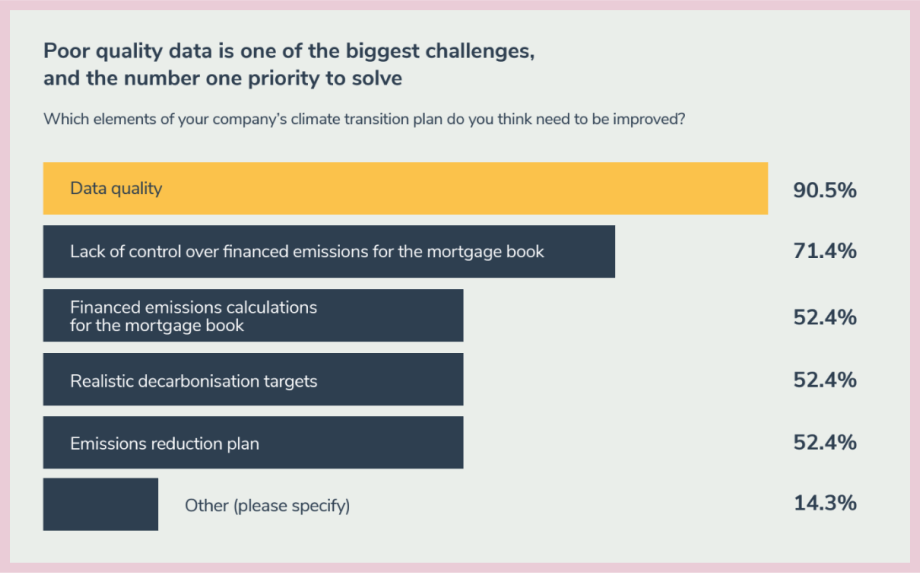


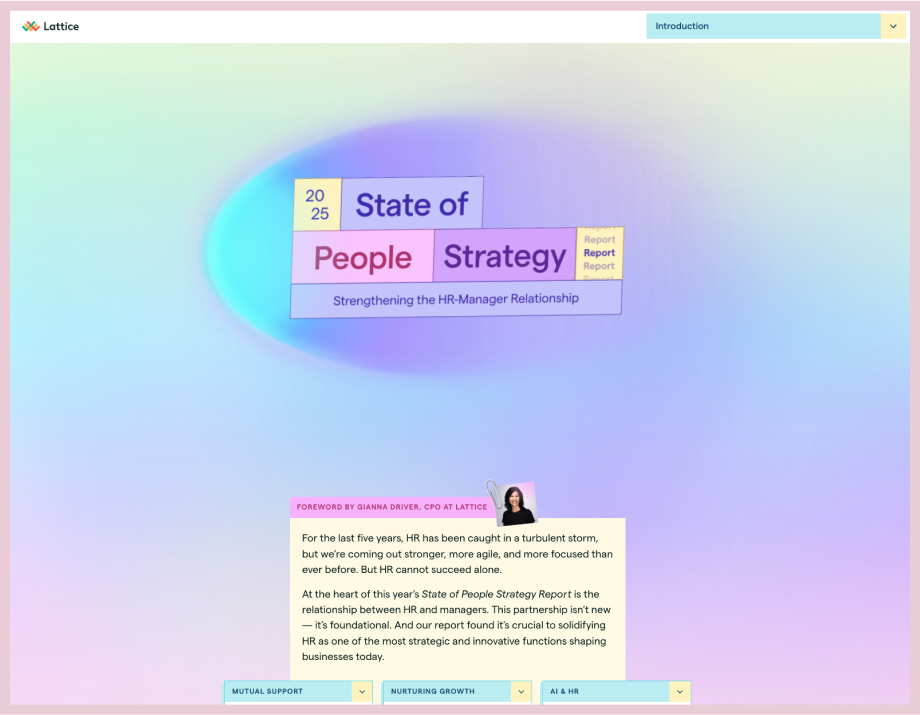
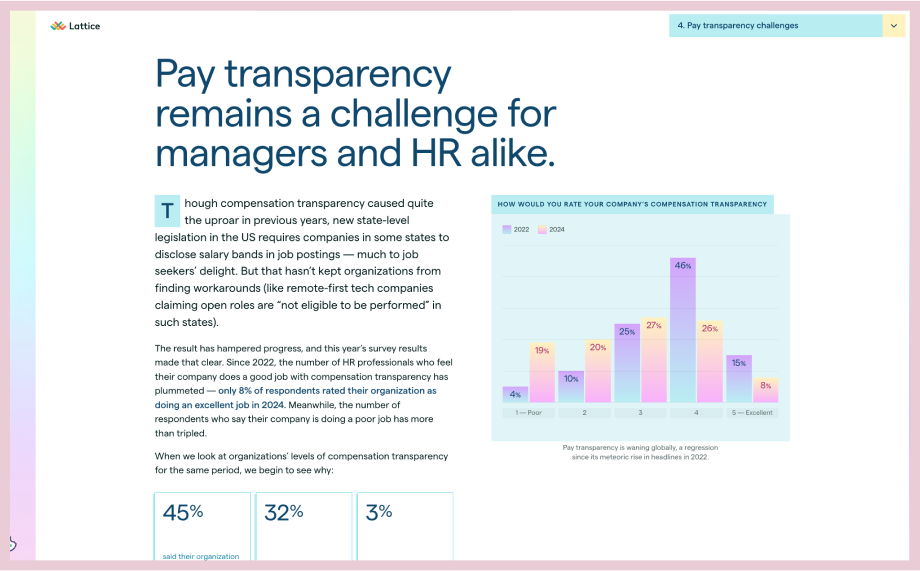
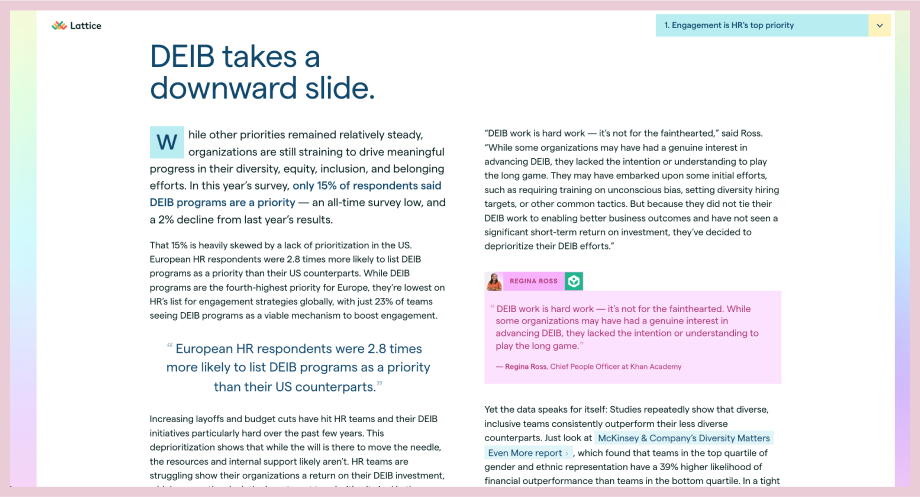




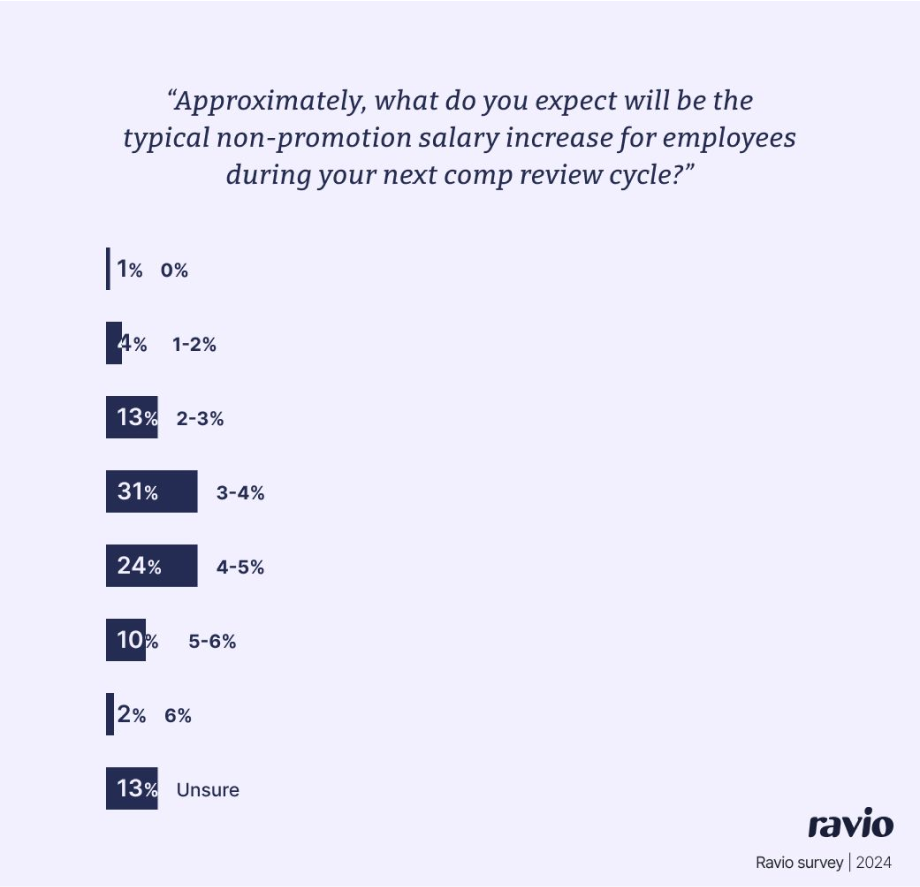





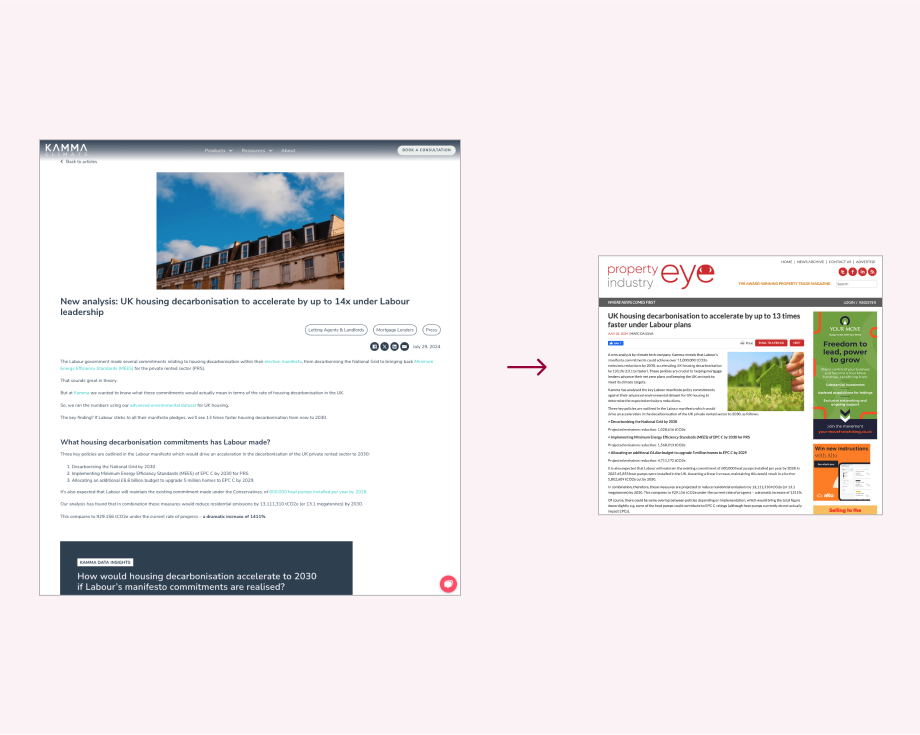



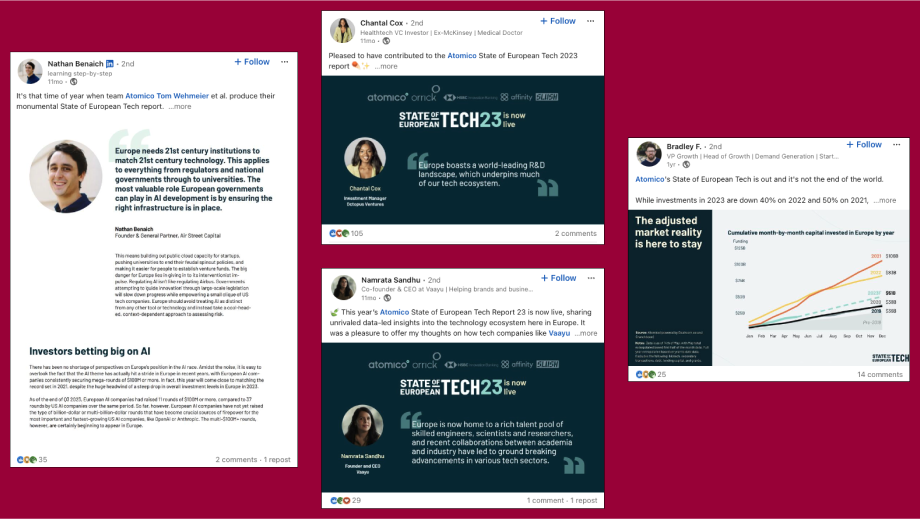


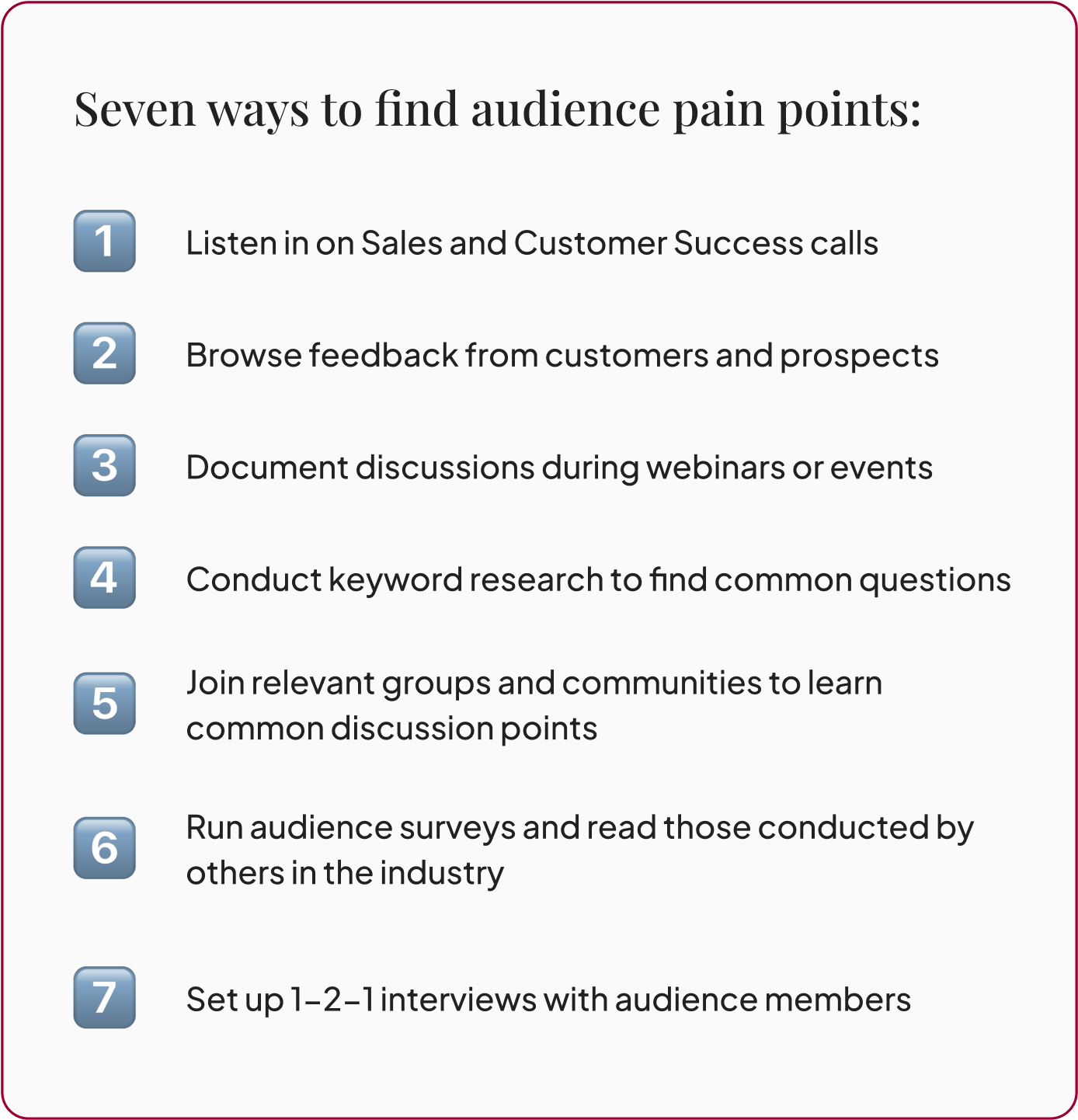
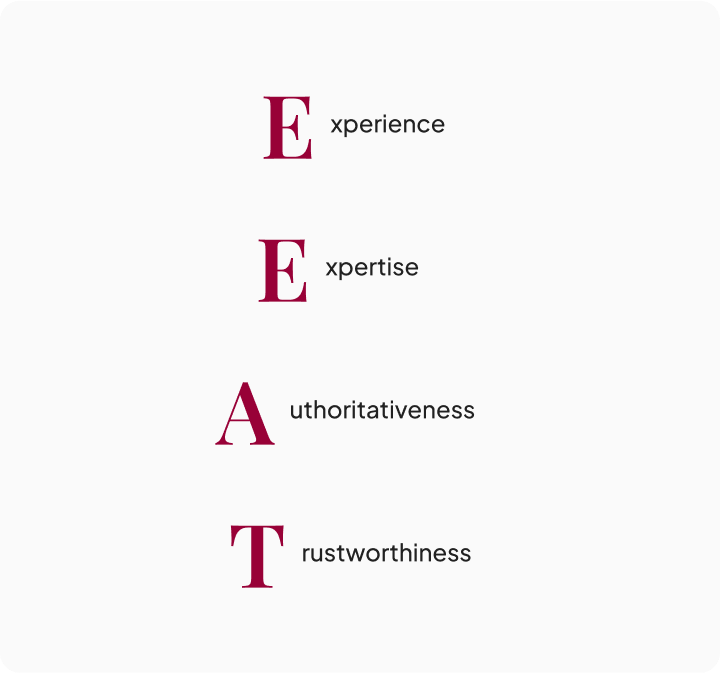


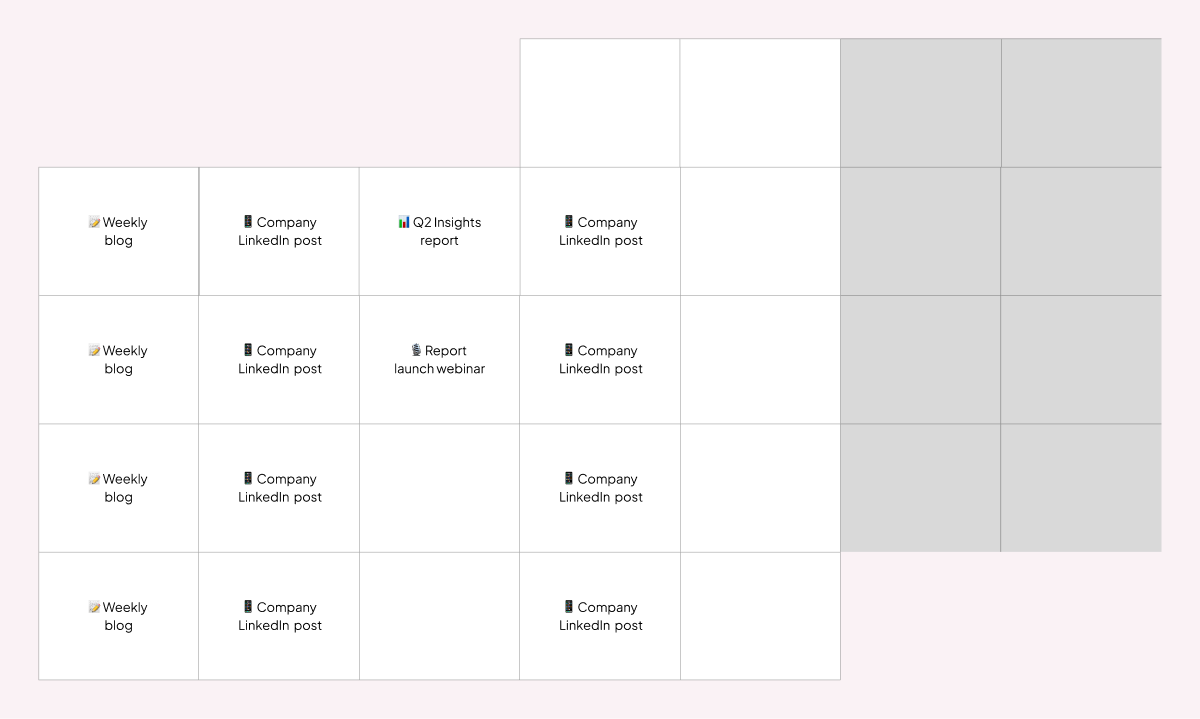
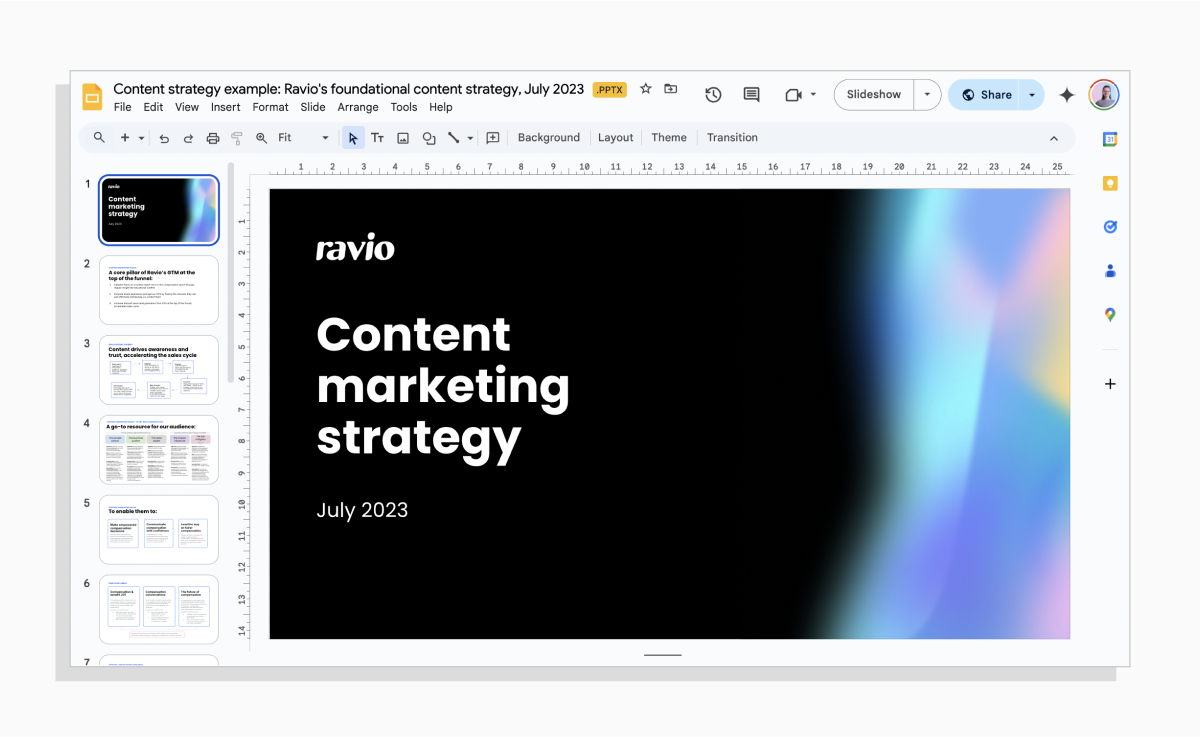


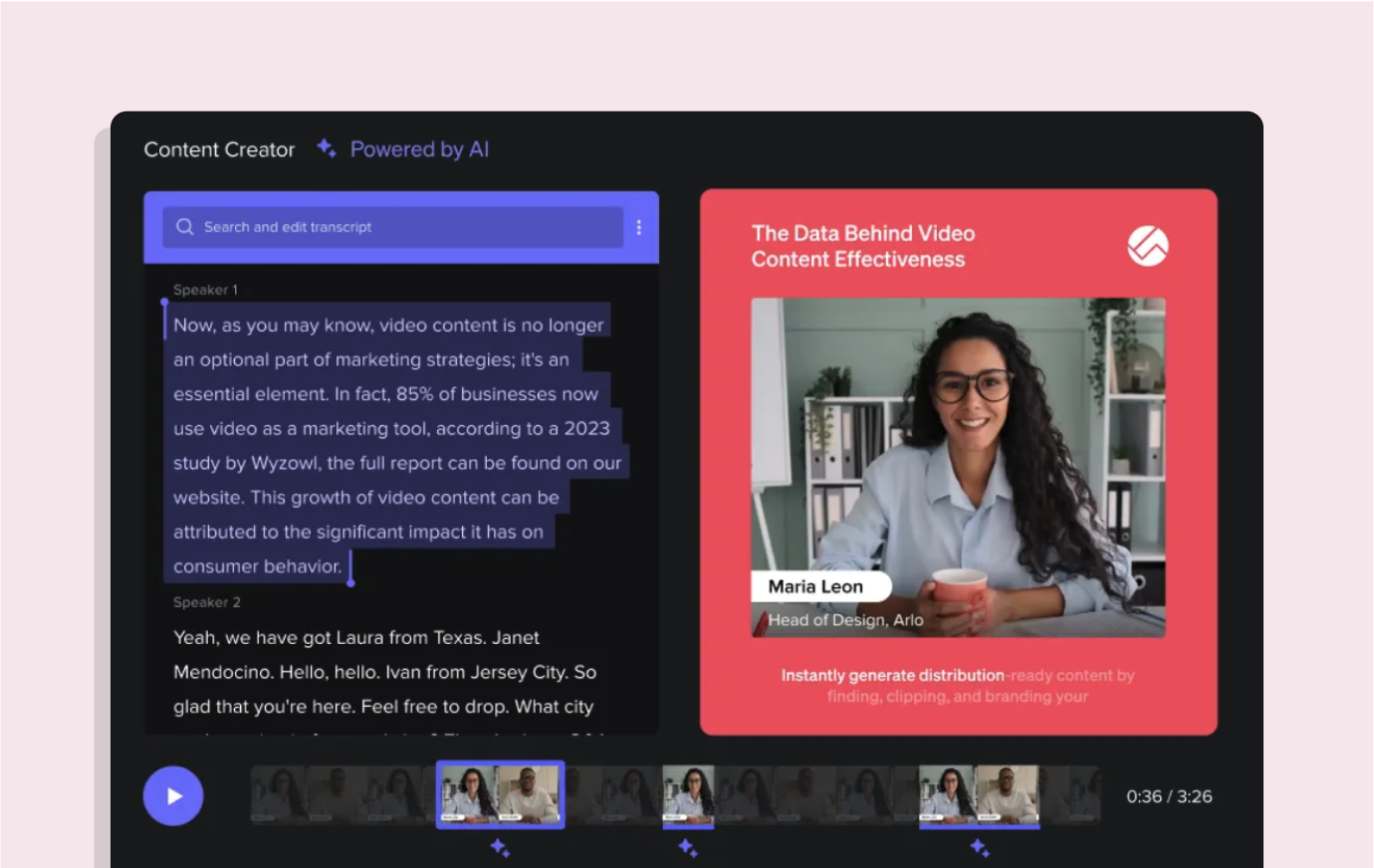


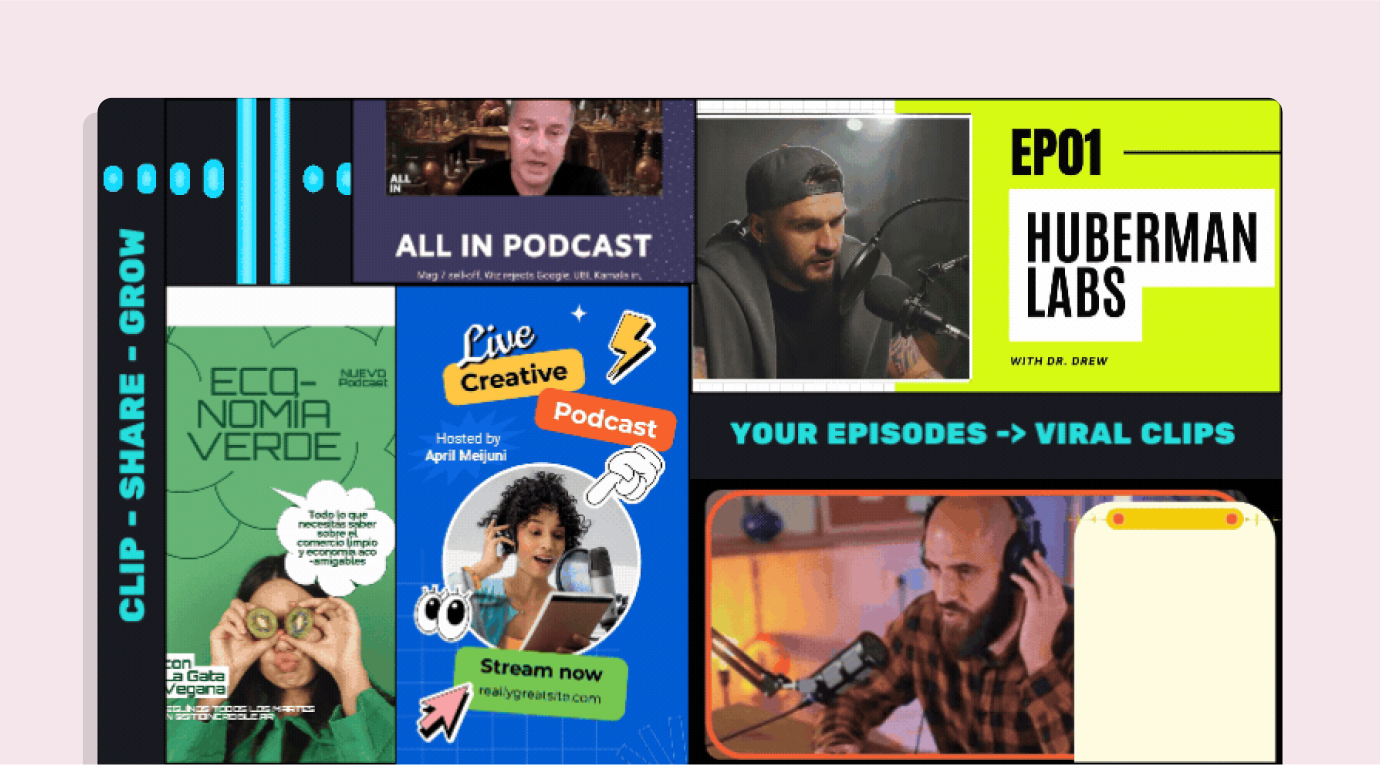
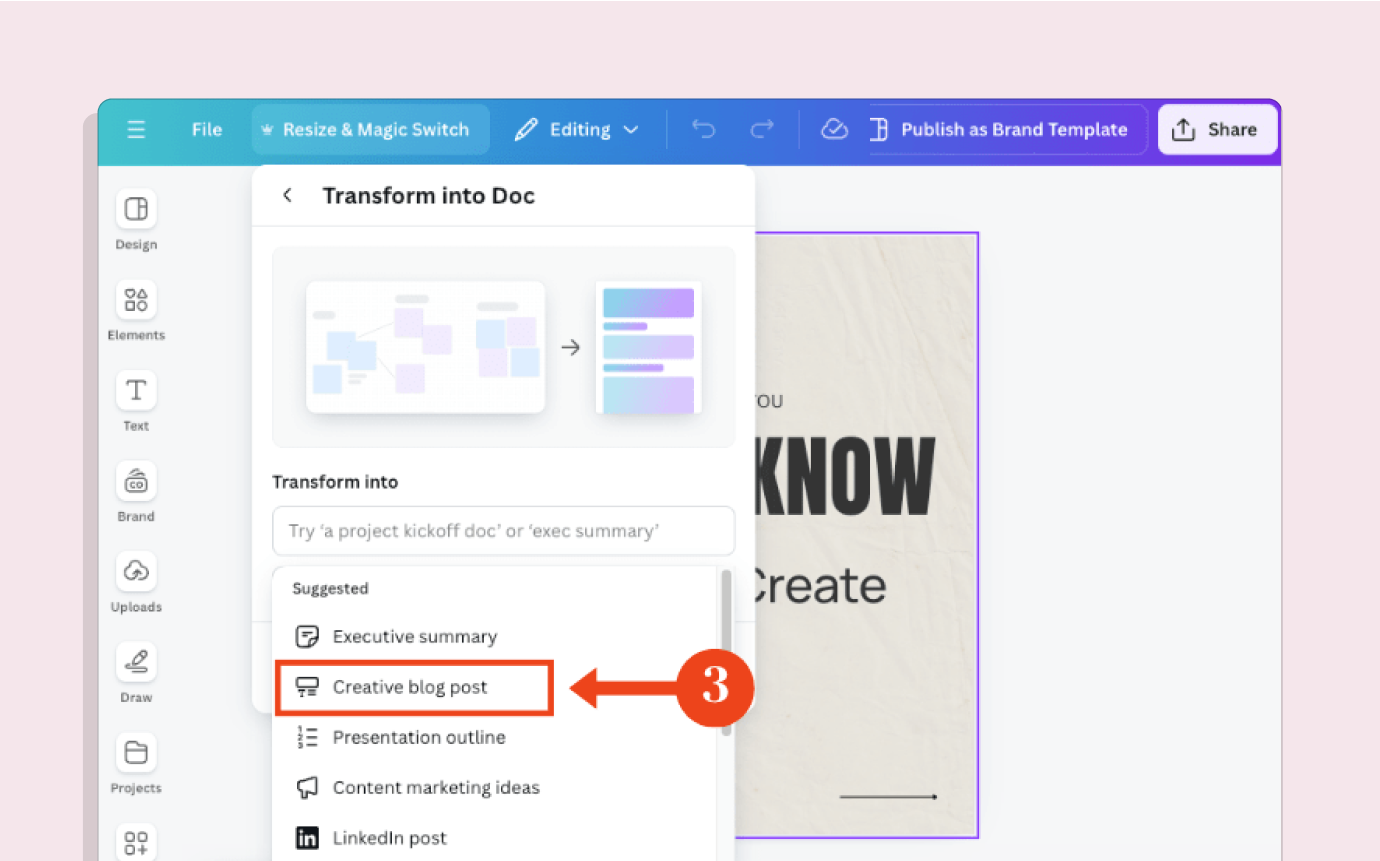
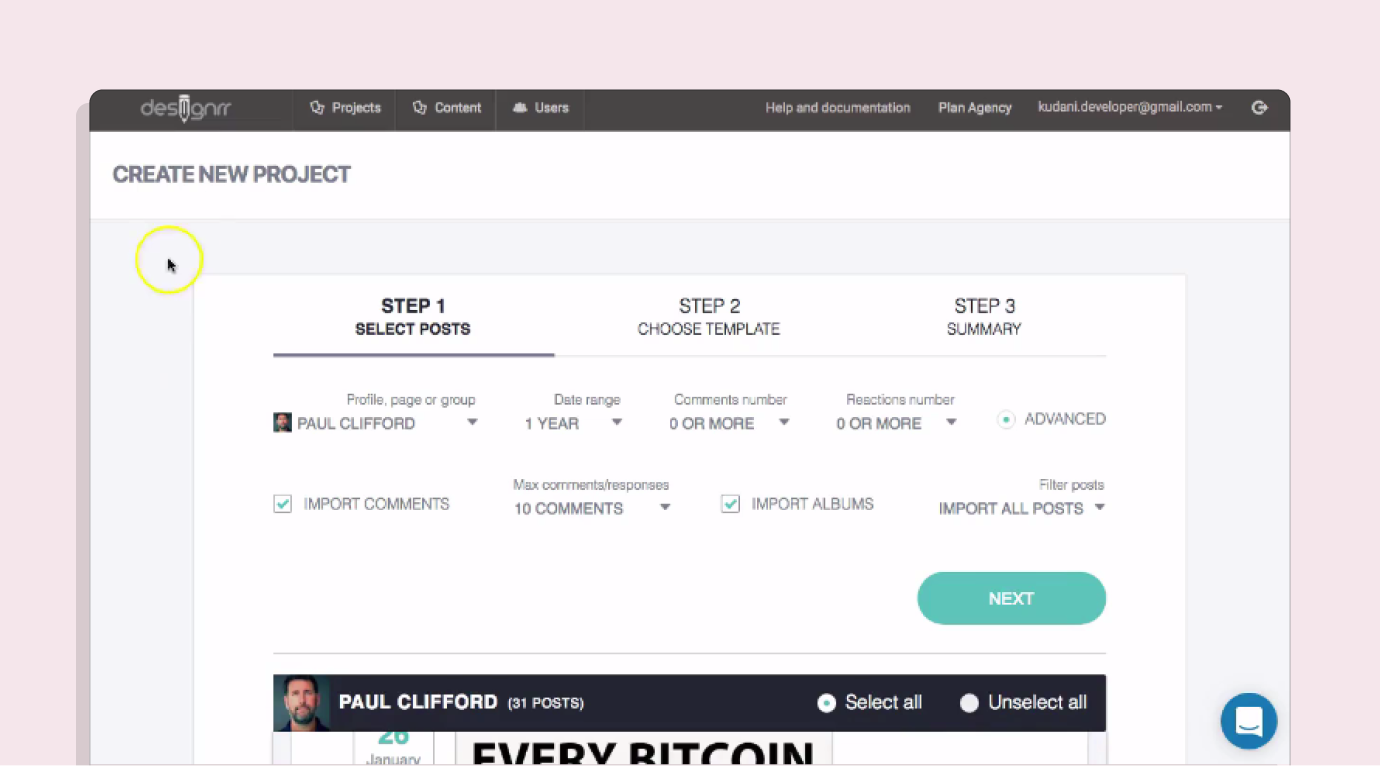

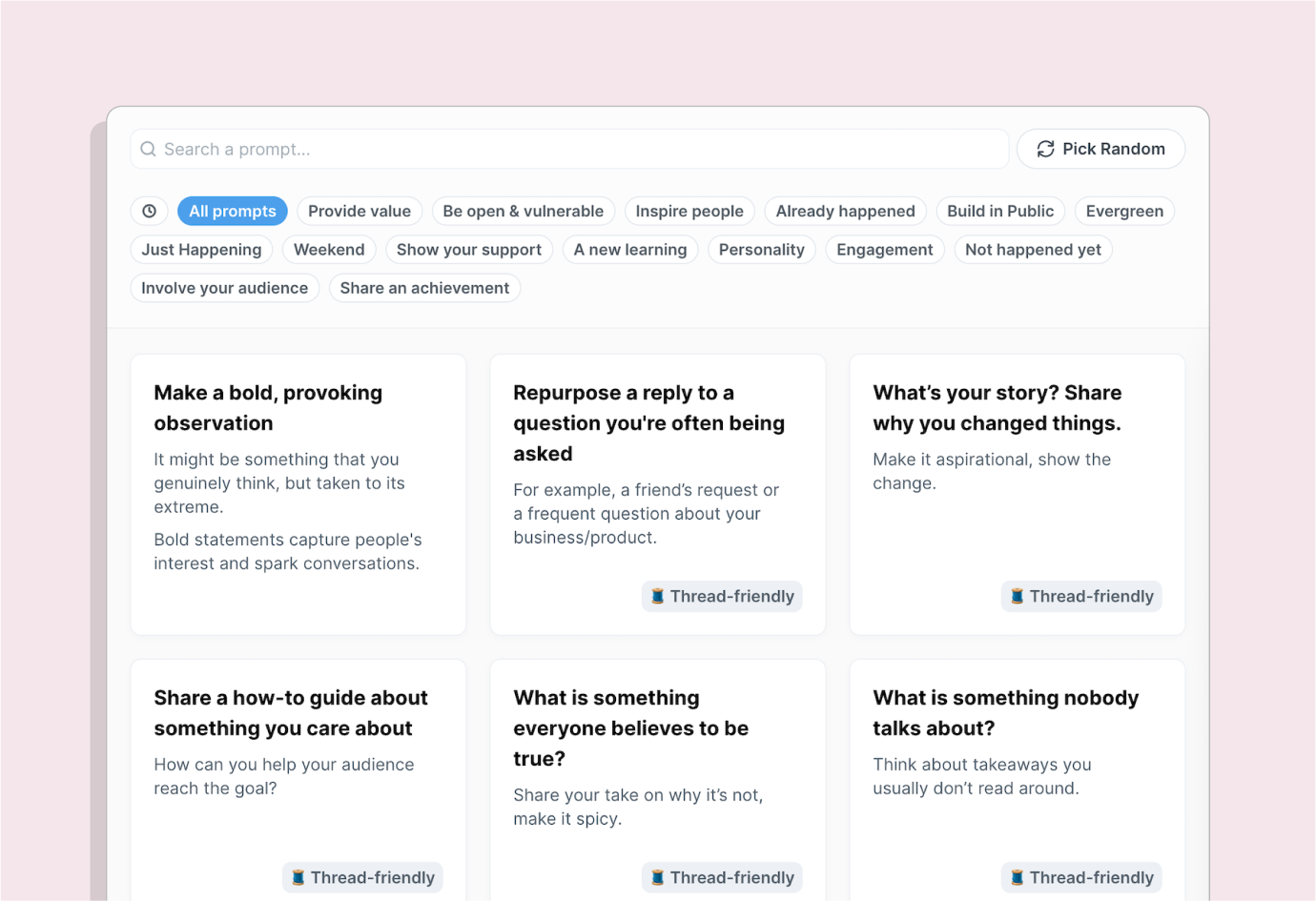


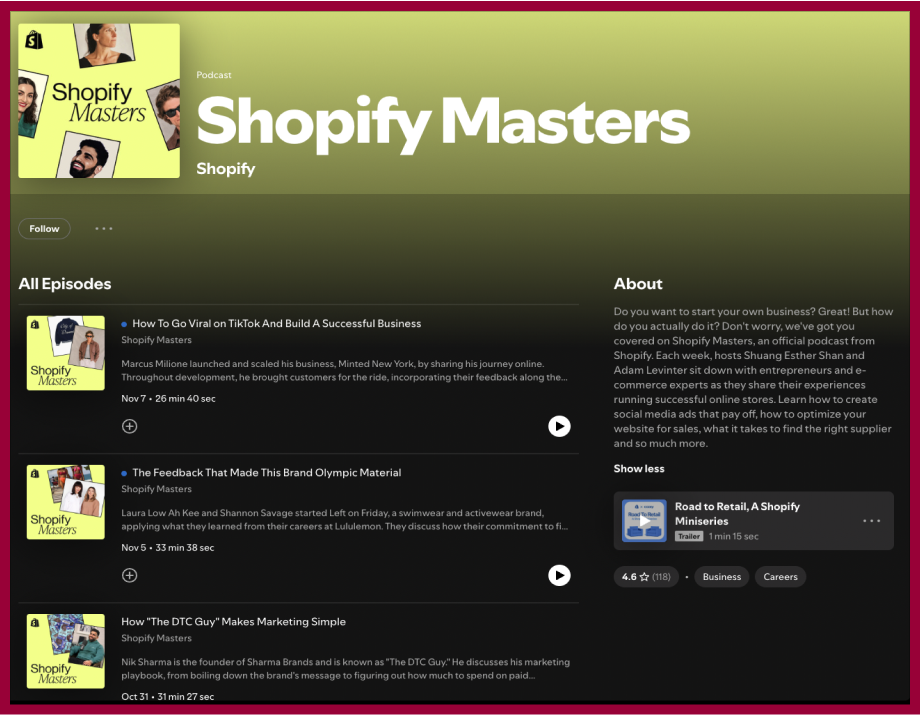
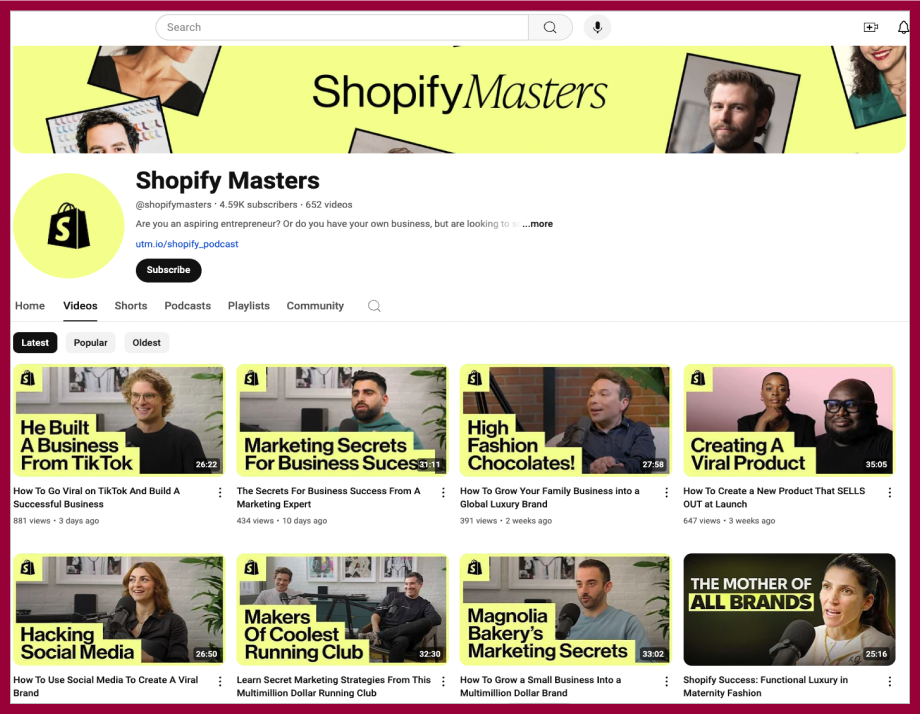

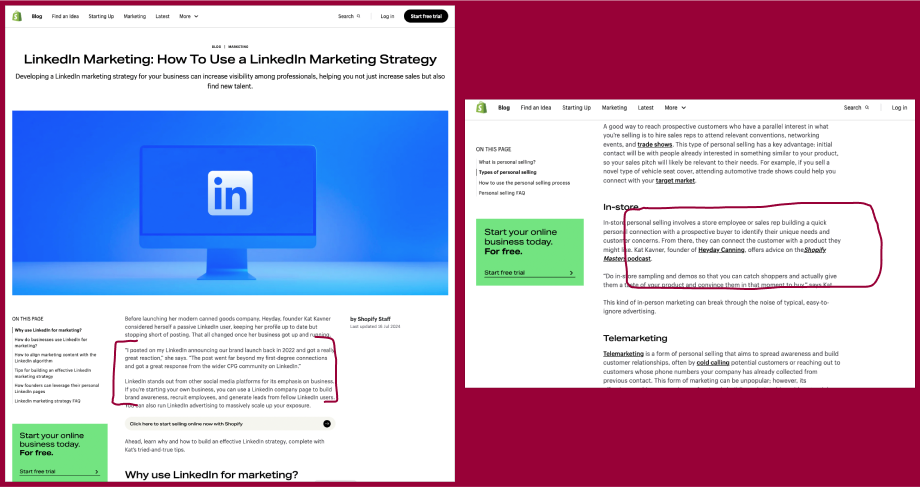
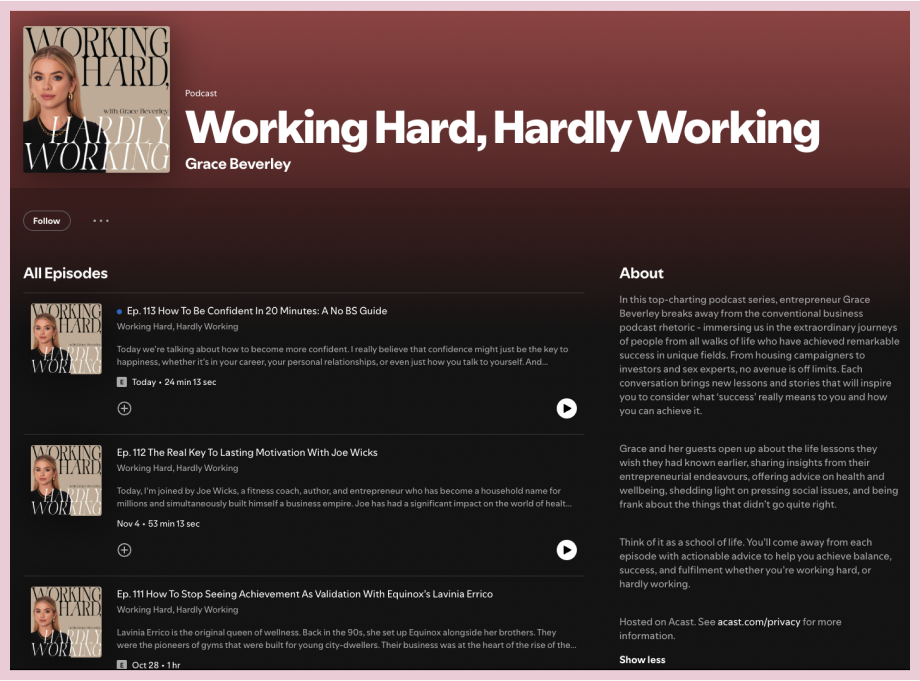


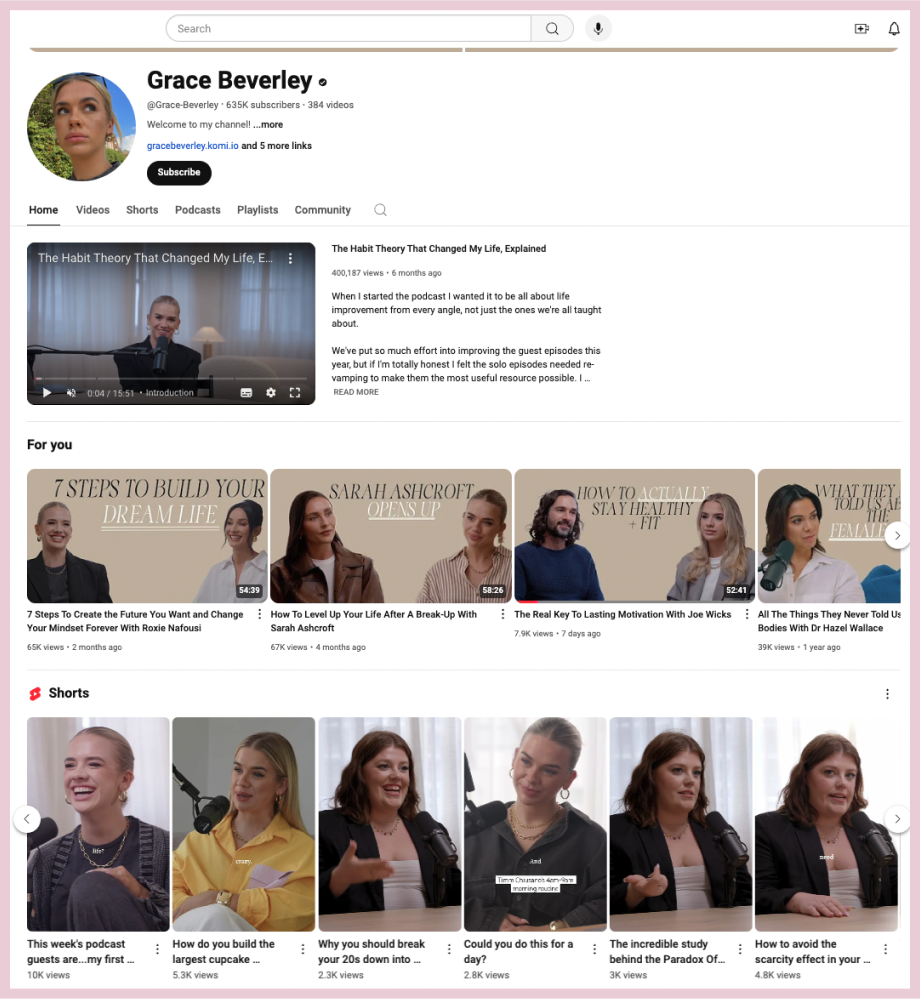
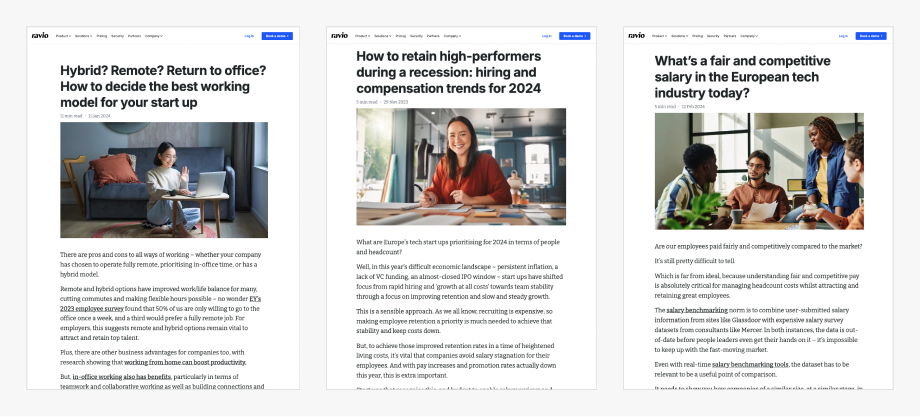
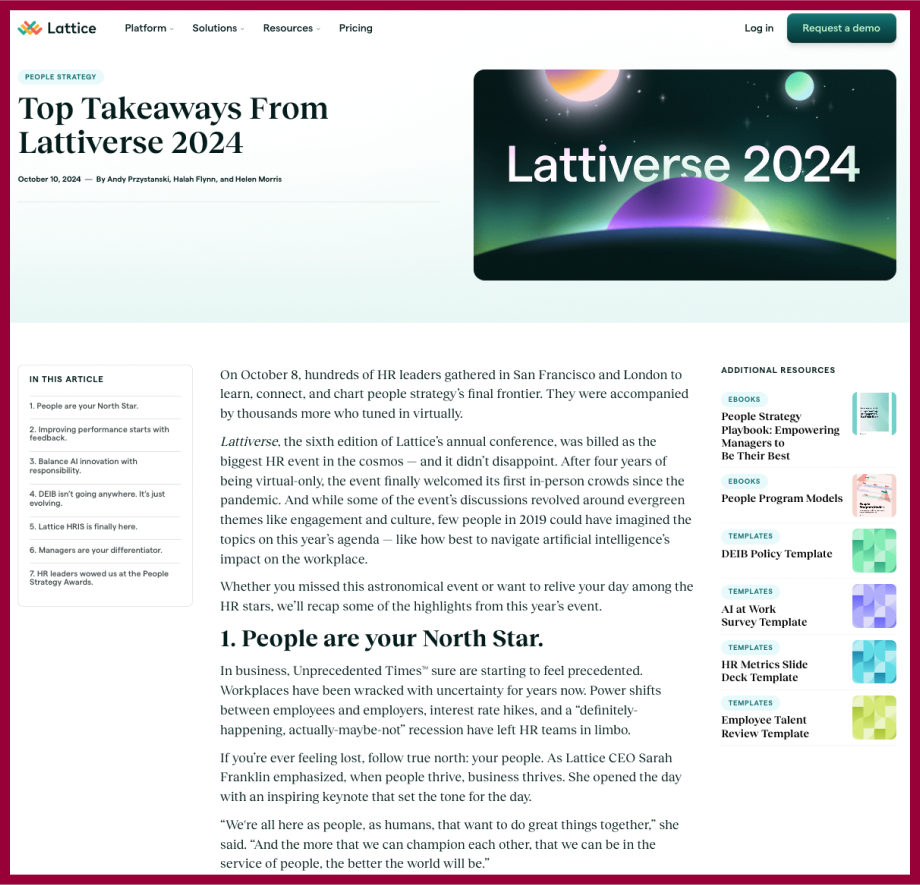


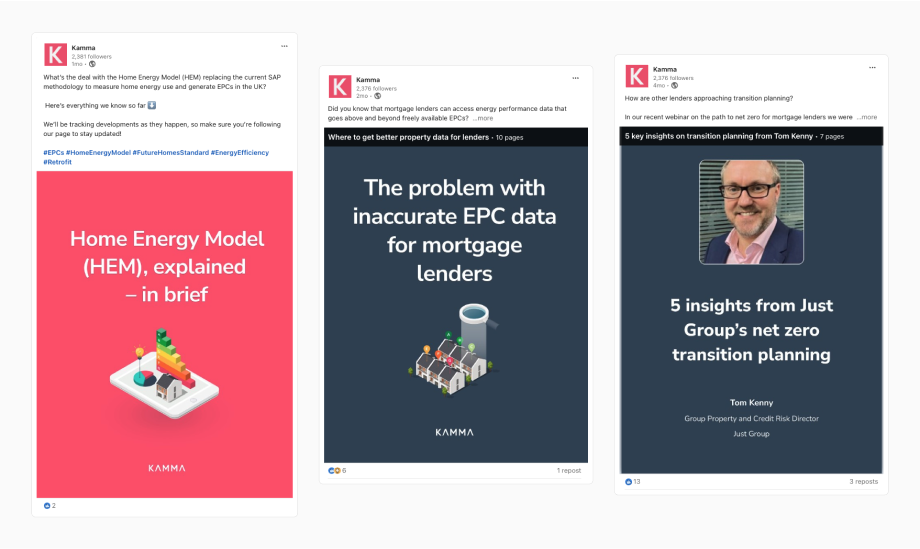
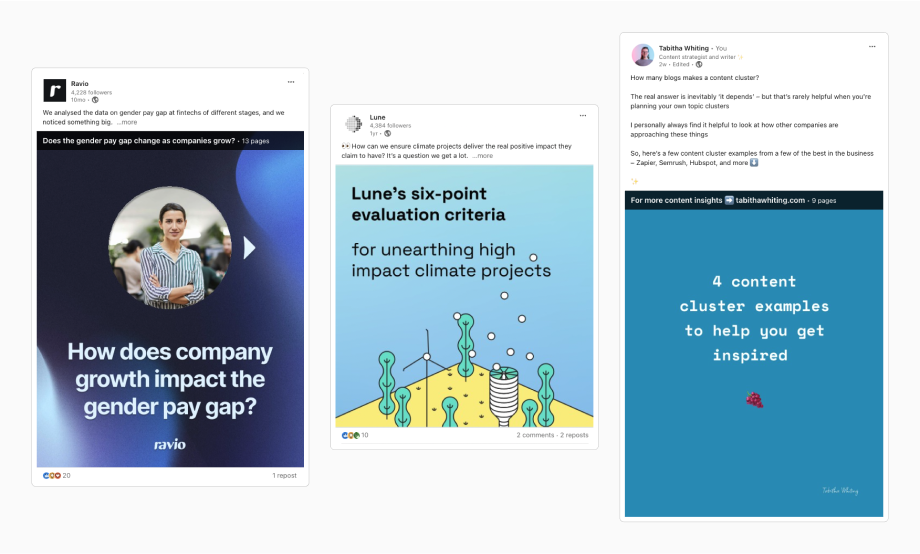

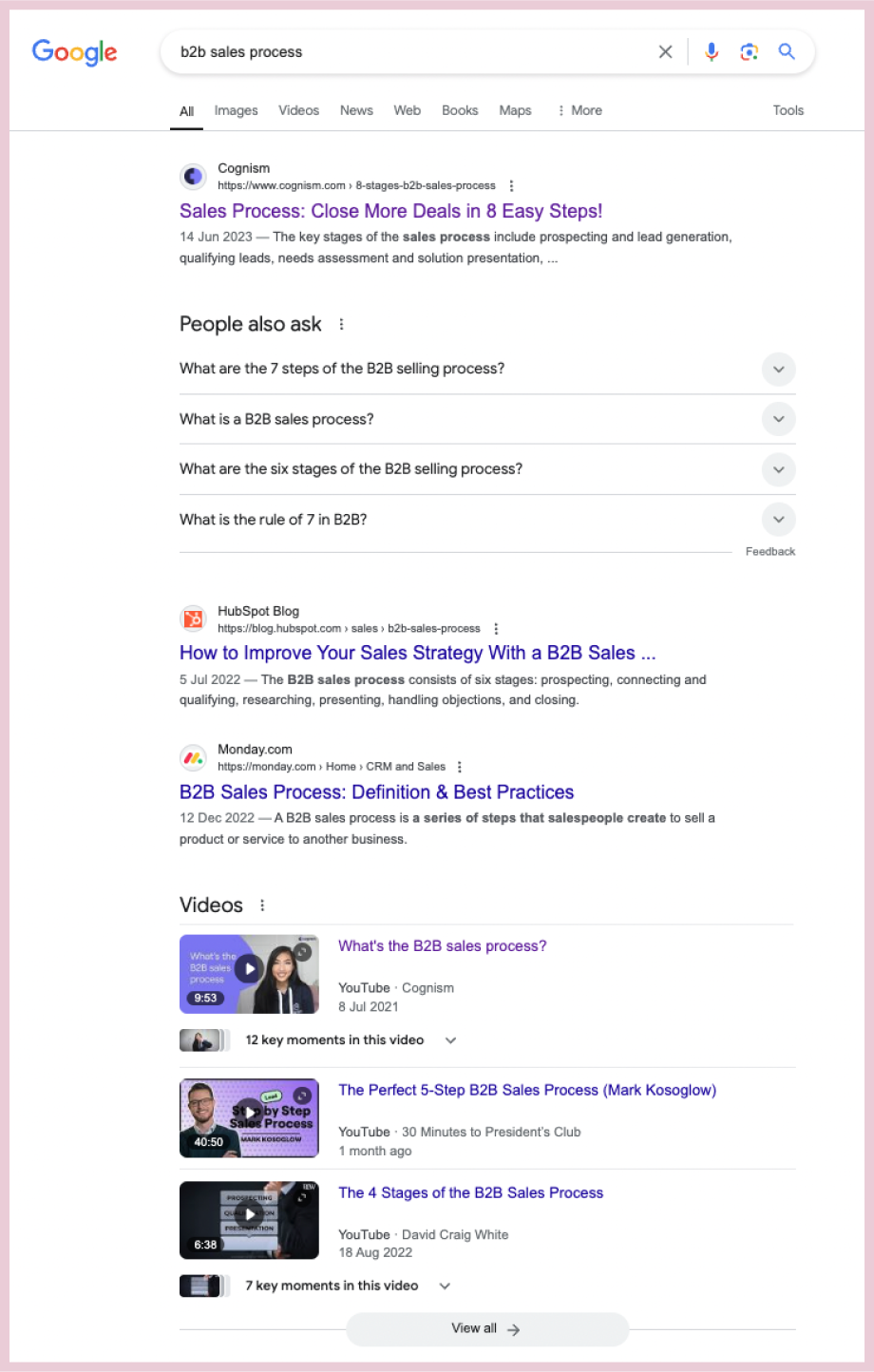

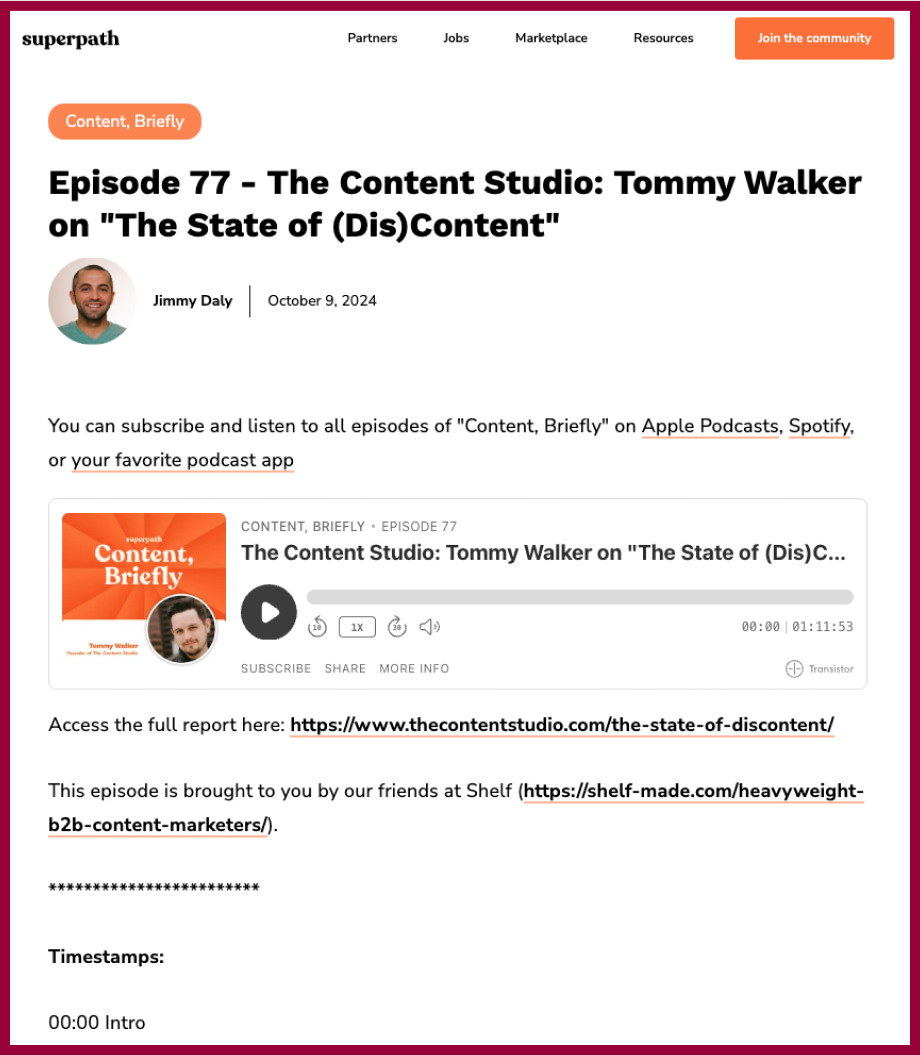

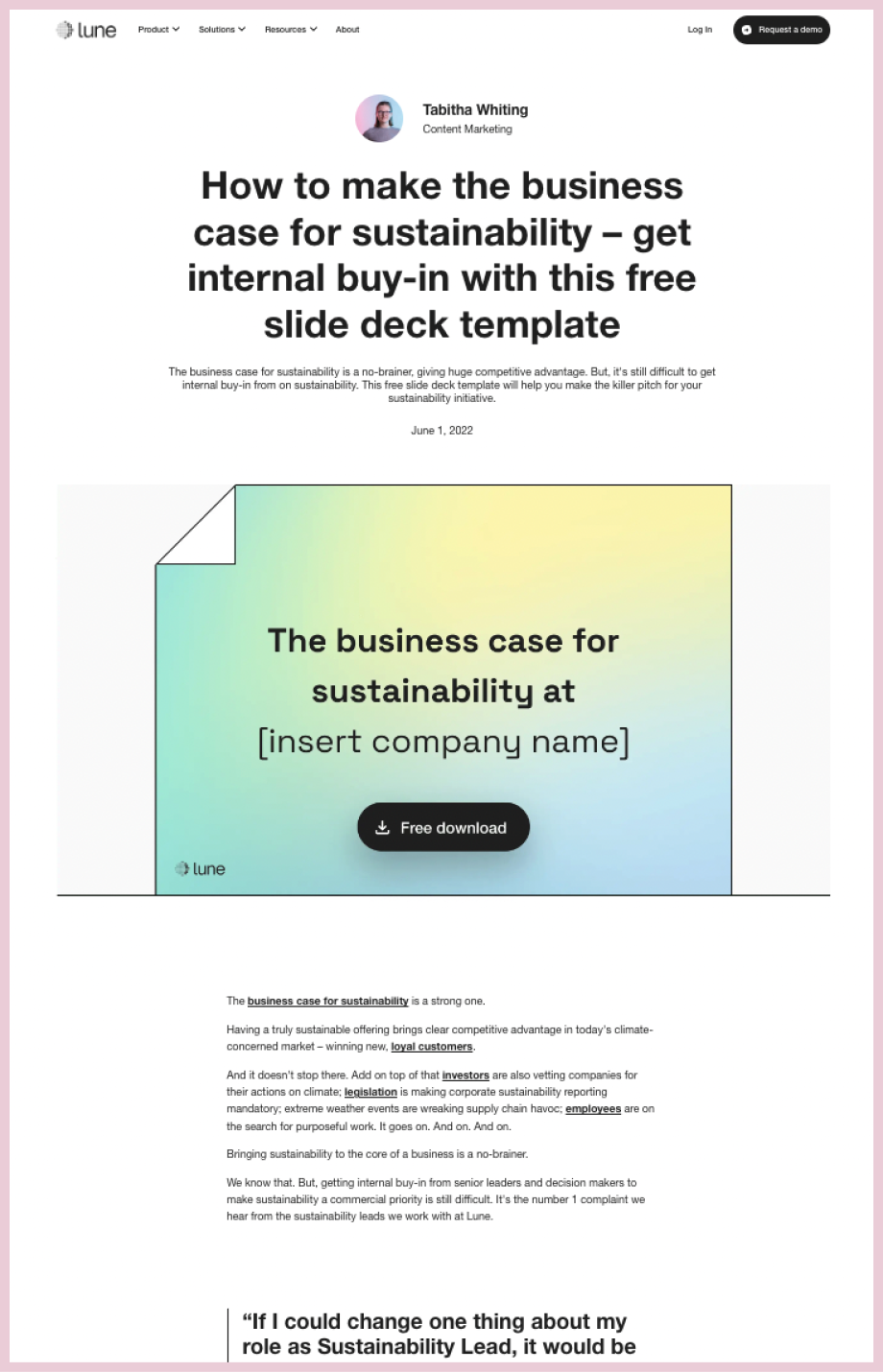
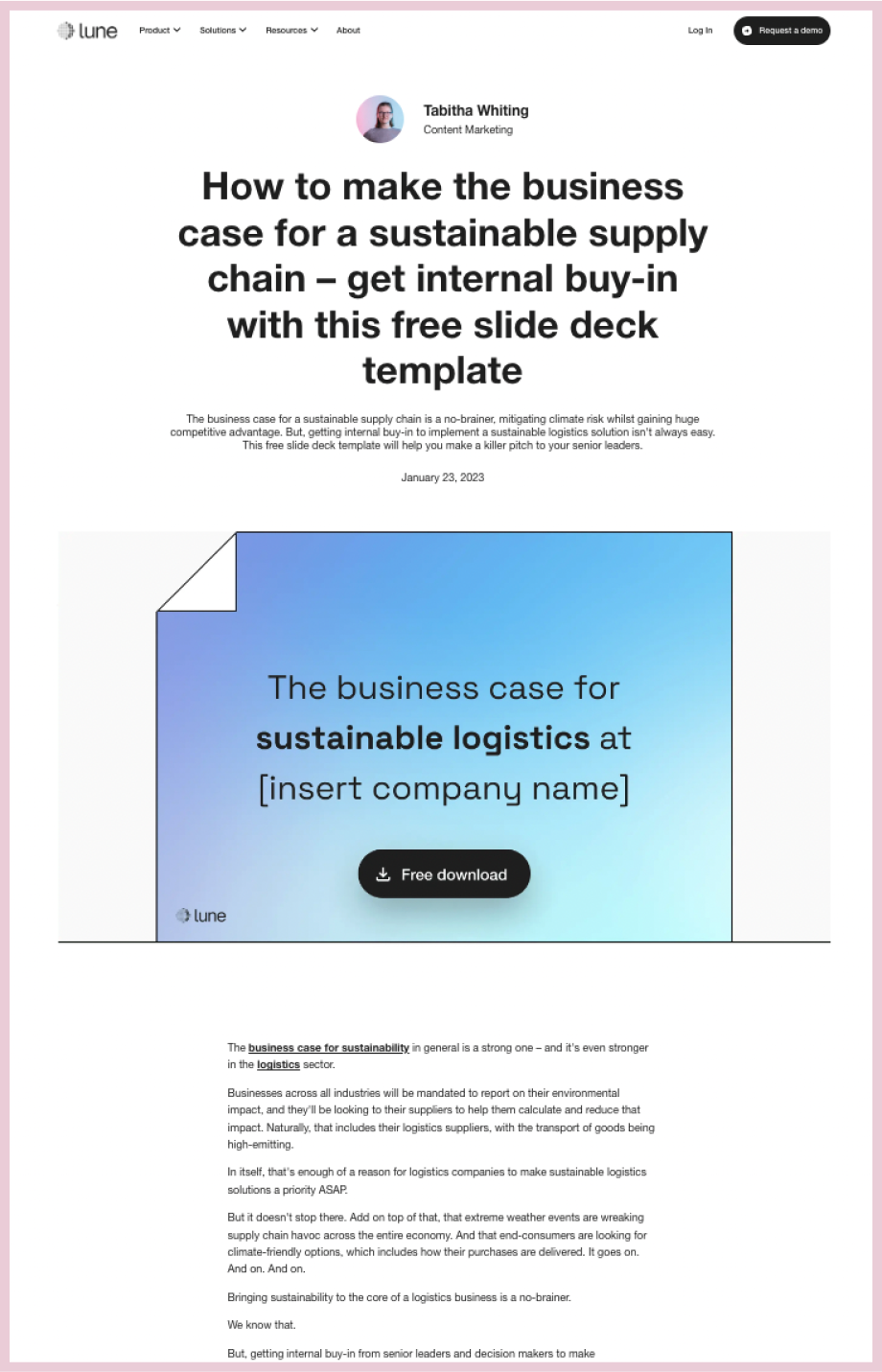
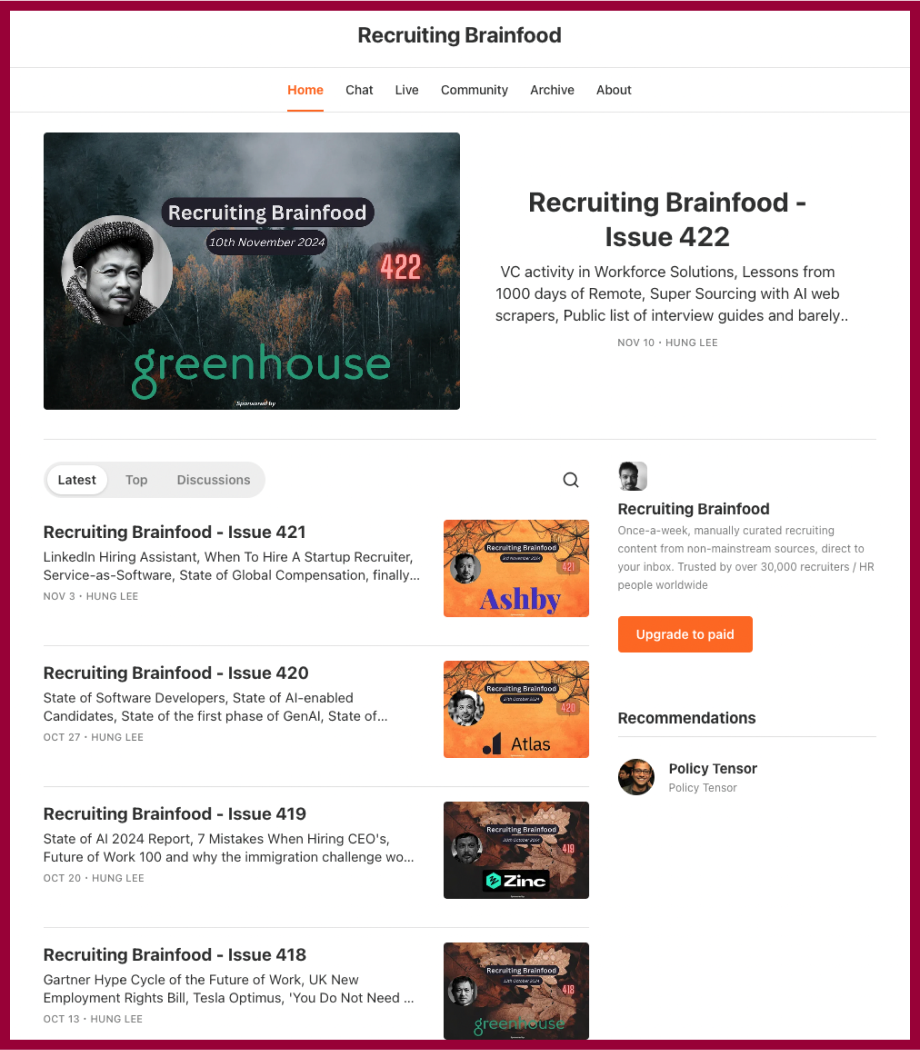
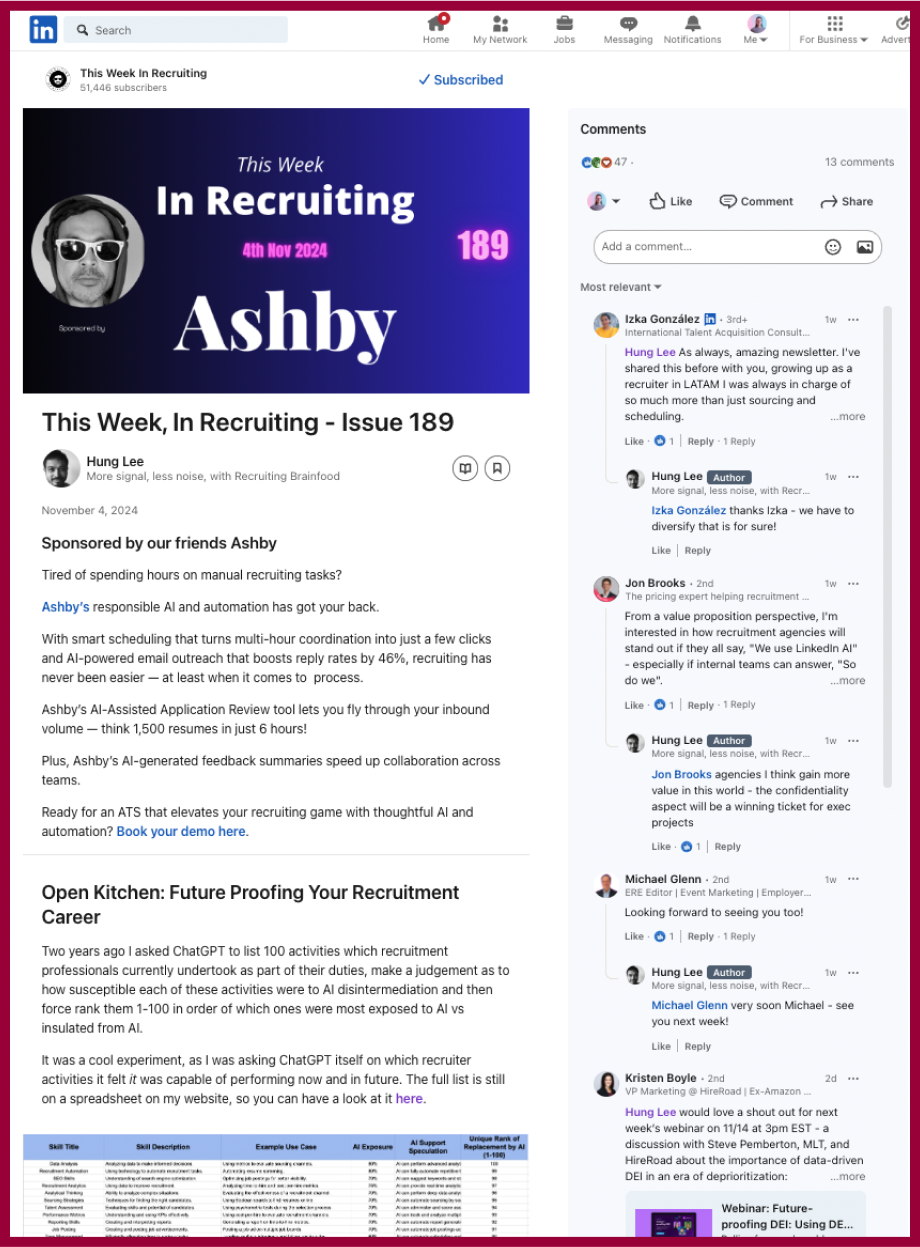



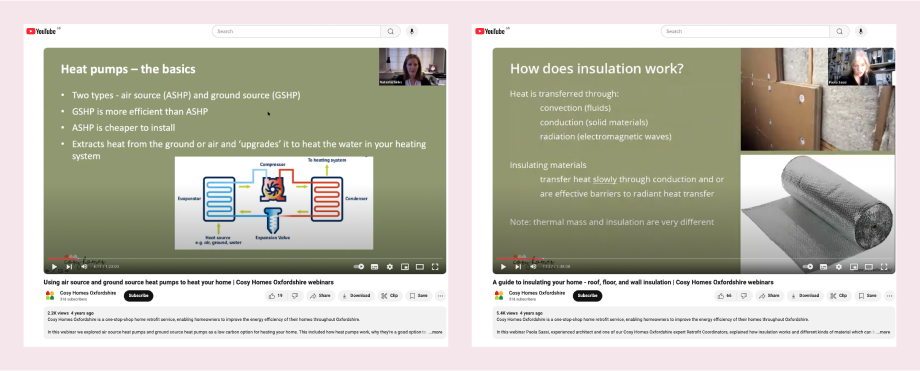















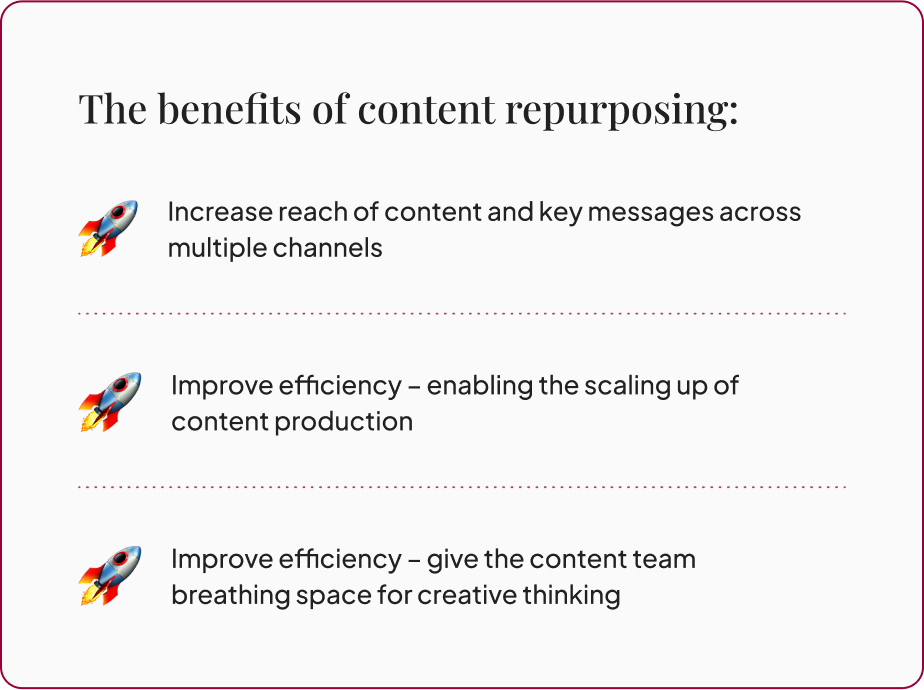
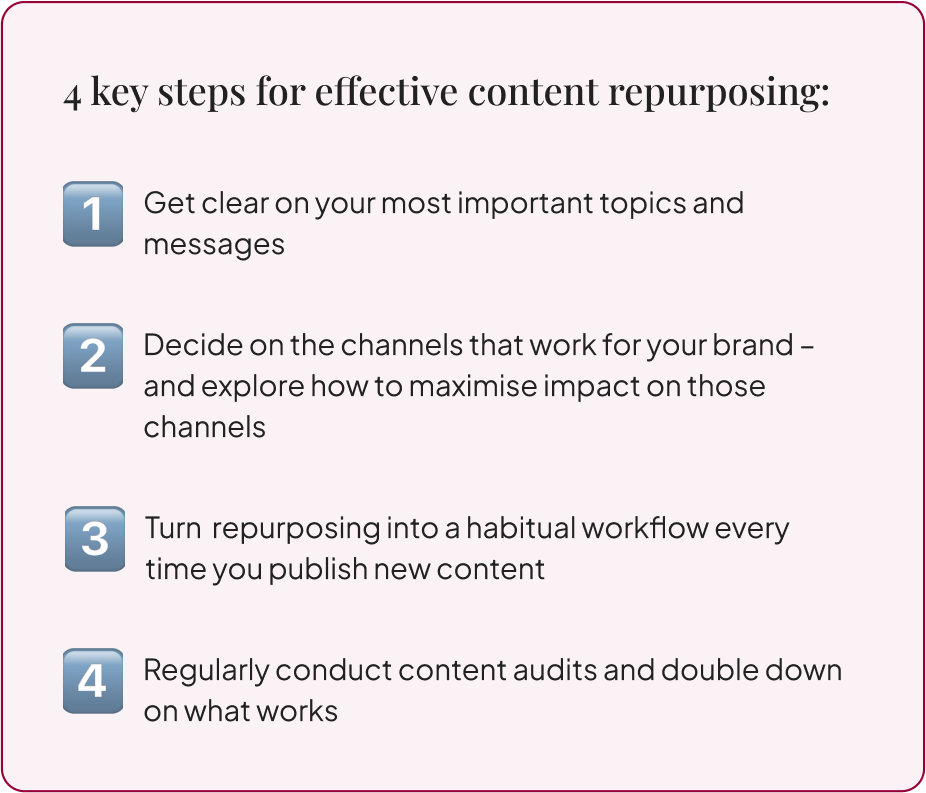
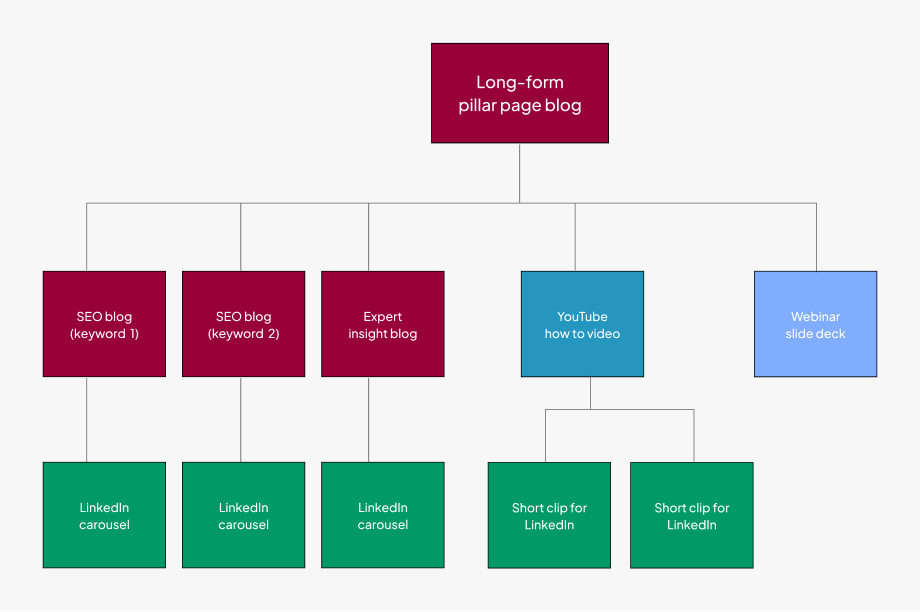







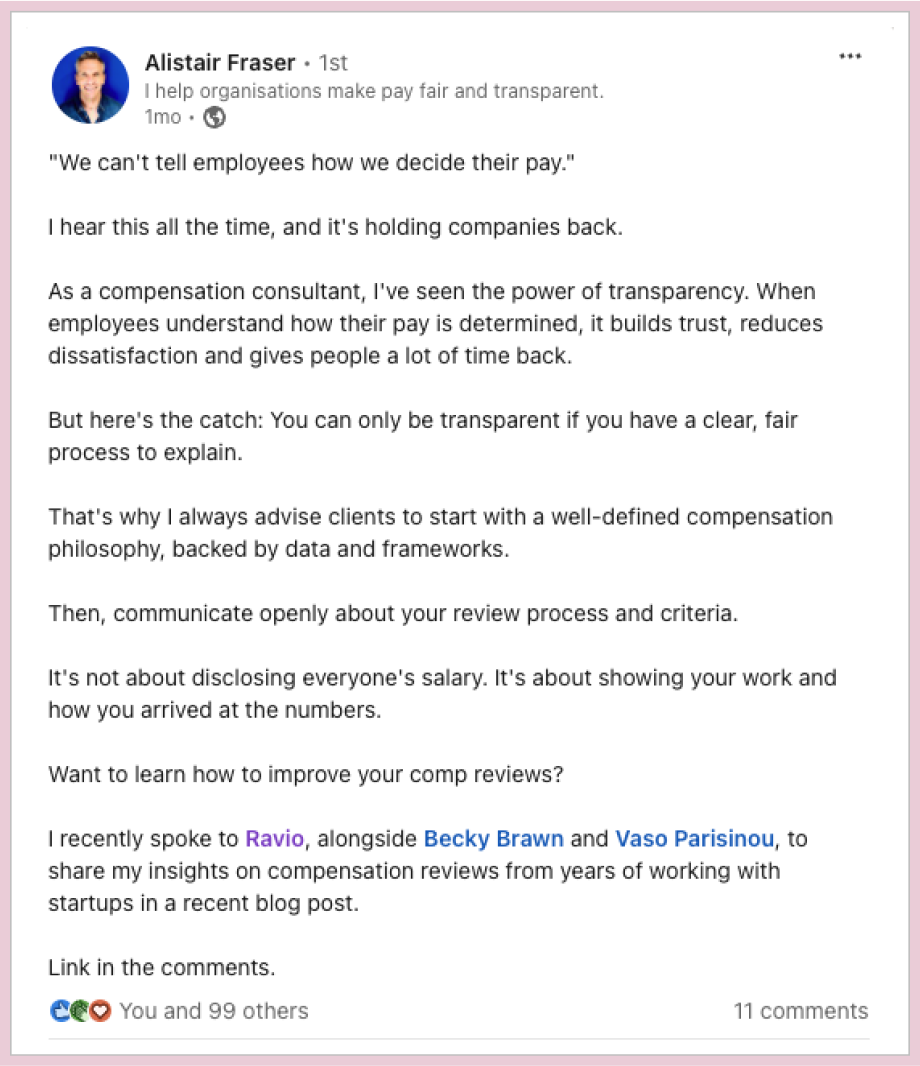




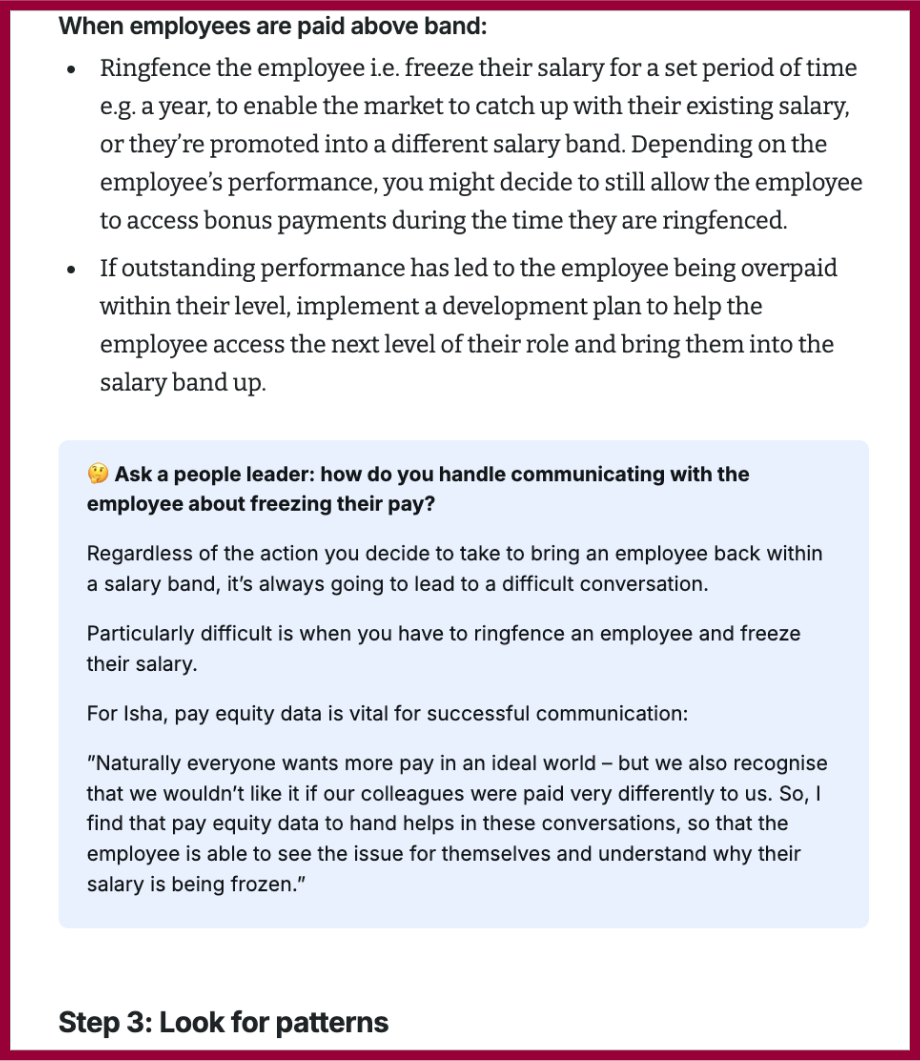


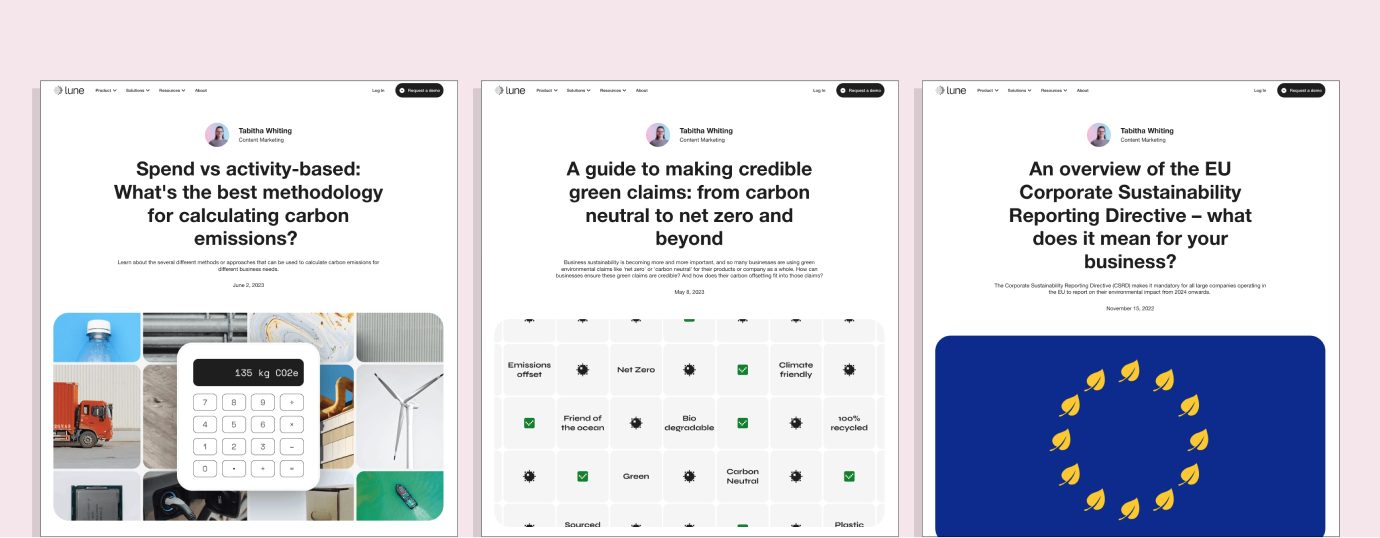





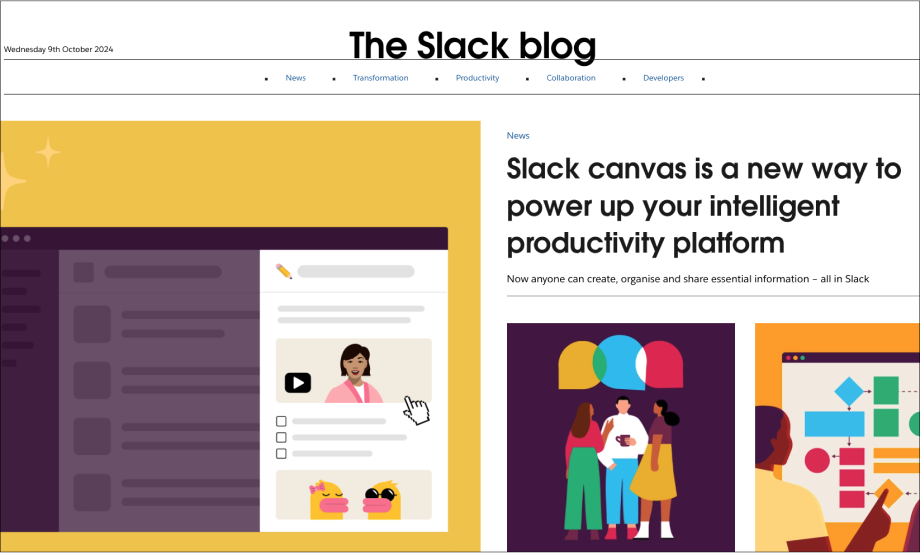
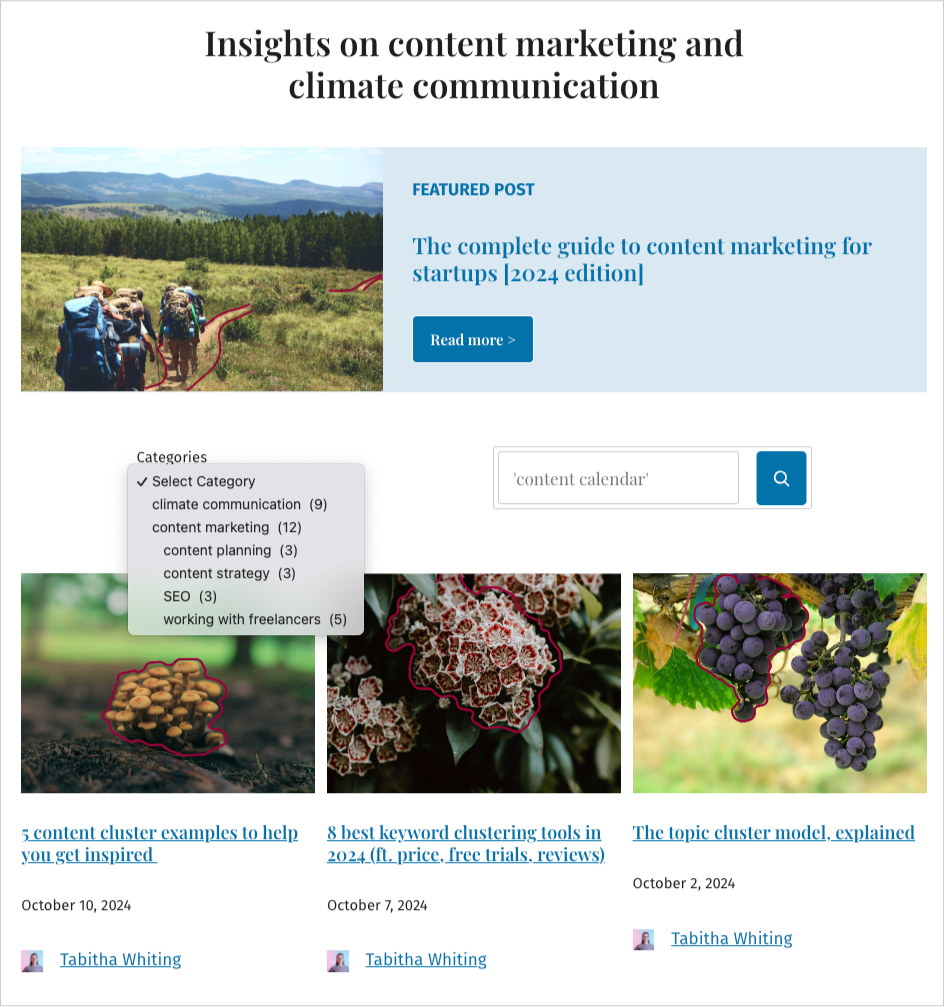
 Tabitha Whiting: High-impact content for high-impact startups