
Original research content is a great way to build brand awareness, catching the attention of your target audience with new data-led insights on the topics they care about.
But where do you start with planning original research?
I don’t know about you, but I find that examples are always helpful when I’m getting my head around a new idea.
If you’re the same, in this article I’ve pulled together a few of my favourite examples of original research content in a range of different formats.

Content examples newsletter
I’m forever on the lookout for examples of great content or content campaigns, and forever losing my notes of inspirational examples.
So, I’ve started a swipe file – a round up of the best content and campaigns I stumble across each month. Subscribe to get them to your inbox, once a month.
11 original research content examples
- Gong’s Gong Labs blog series
- Kamma’s analysis of credible climate transition plans
- Supercritical’s Biochar market outlook analysis
- Lattice’s State of People Strategy report
- LinkedIn’s B2B Marketing Benchmarks
- Stripe’s product experiment blog
- Ravio’s Compensation Trends report
- Klarna’s landing page reports
- Figma’s Decode the Developer report
- Kamma’s bespoke analysis for PR
- Atomico’s State of European Tech report
Gong’s Gong Labs blog series
Gong is a revenue intelligence platform, supporting sales teams through recording conversations with prospects and providing guidance to increase the likelihood of winning the deal.
Gong has an ongoing content series titled ‘Gong Labs’ which shares findings from analysing their huge internal database of sales conversations. These are hugely valuable insights that will support sales teams with their own sales pipeline.
One example is a blog from July 2024, titled: ‘We found the top objections across 300M cold calls; here’s how to handle them all’.

The blog shares data gathered by analysing the objections that arose during the 300 million calls recorded in the Gong platform – complete with graphics that highlight the key data insights.
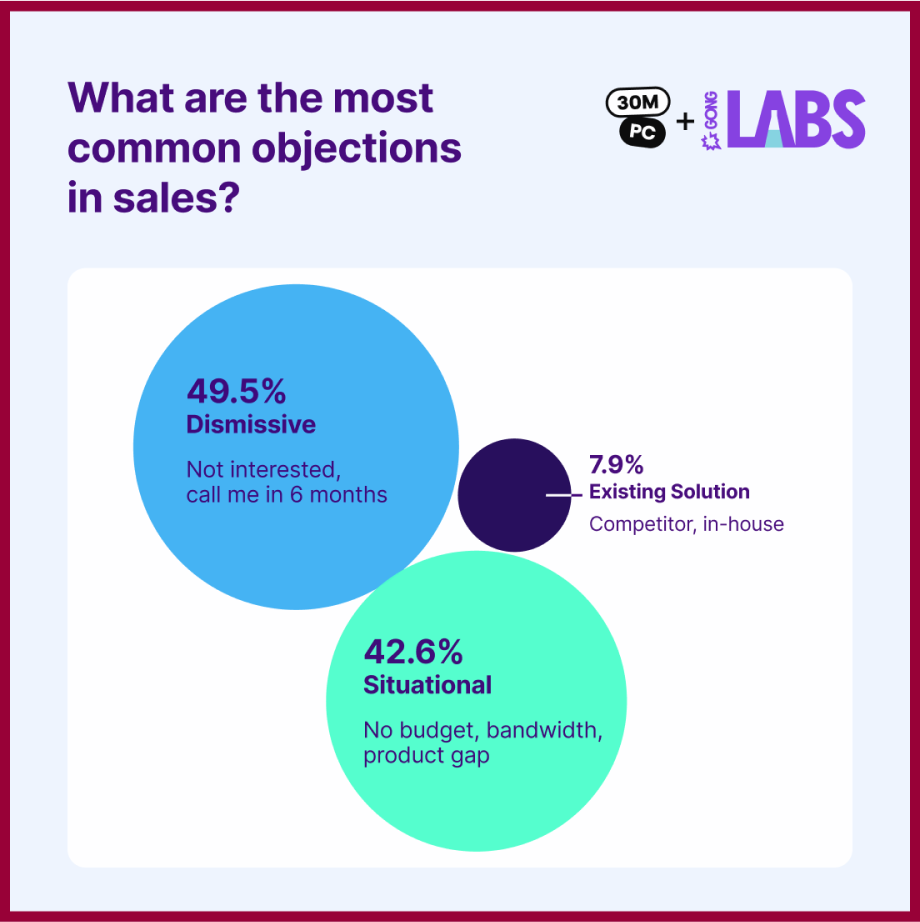
It also includes advice on how to overcome each of the top objections.

This advice combines the data findings i.e. what worked in the calls that Gong has on file, as well as subject matter expertise from the expert author Armand Farrokh, who is the founder of the 30 Minutes to President’s Club podcast.

Kamma’s analysis of credible climate transition plans
Kamma’s ‘State of the Climate Transition for UK Mortgage Lenders in 2024’ report (produced by me) analyses trends from 85 climate transition plans by UK mortgage lenders.

The analysis focuses on what makes a robust and credible climate transition plan, highlighting the lenders who are excelling on climate plans and progress through a lender leaderboard as well as the features of those who are lagging behind.

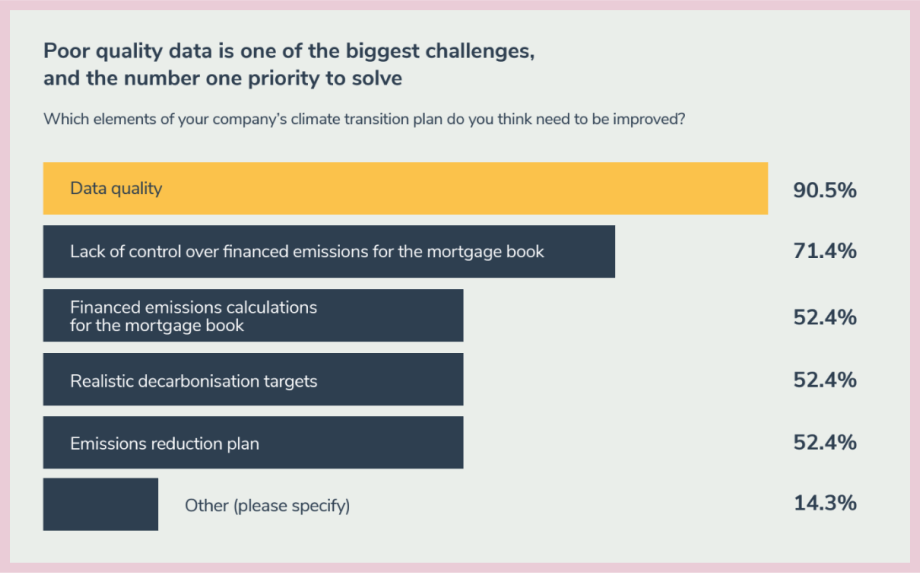
A survey of ESG Leads at these mortgage lenders also illuminates the key challenges and barriers, moving the discussion from theory to reality.
Supercritical’s Biochar market outlook analysis
Supercritical is a carbon removal marketplace, with a current focus on biochar as a viable carbon removal solution for companies to purchase carbon credits in.
Their 2024 Market Outlook Report uses data findings from their own research team to chart the growth of the market for carbon credits – but with an important twist.

Every insight and graph included in the report highlights market growth with relation to the biochar projects that have passed vetting to enter Supercritical’s marketplace, and those who have failed.

It makes a clear point: that the current growth in the biochar market is reliant on poor quality carbon projects that companies should not trust for carbon removal.
This is interesting data insight in itself, but it also provides evidence for Supercritical’s brand positioning as a trusted marketplace partner for credible carbon offsetting and removals – it’s a win for both product and content marketing.
Lattice’s State of People Strategy report
Lattice’s annual State of People Strategy report is well-known and well-trusted amongst HR and People teams.
The report itself is a relatively simple format: a survey of HR teams to find out the latest trends and challenges in the function, and draw trends compared to previous years.
What I find interesting is how they’ve transitioned from a static PDF report (2023):

To presenting the findings through an interactive landing page – for the first time in 2024, and again for the 2025 report.
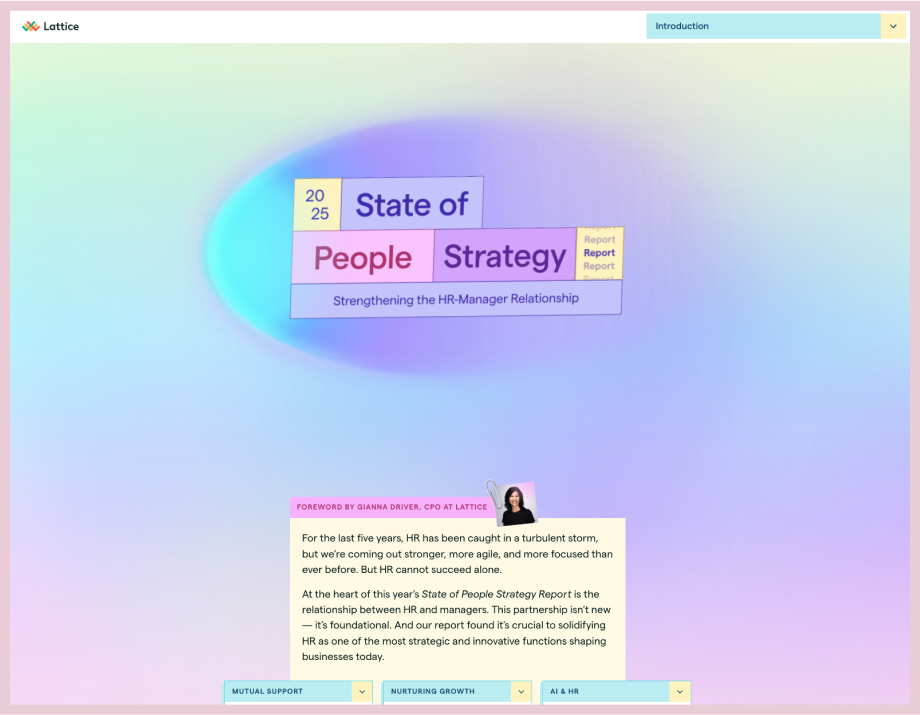
The landing page format brings the data to the forefront through striking graphics:
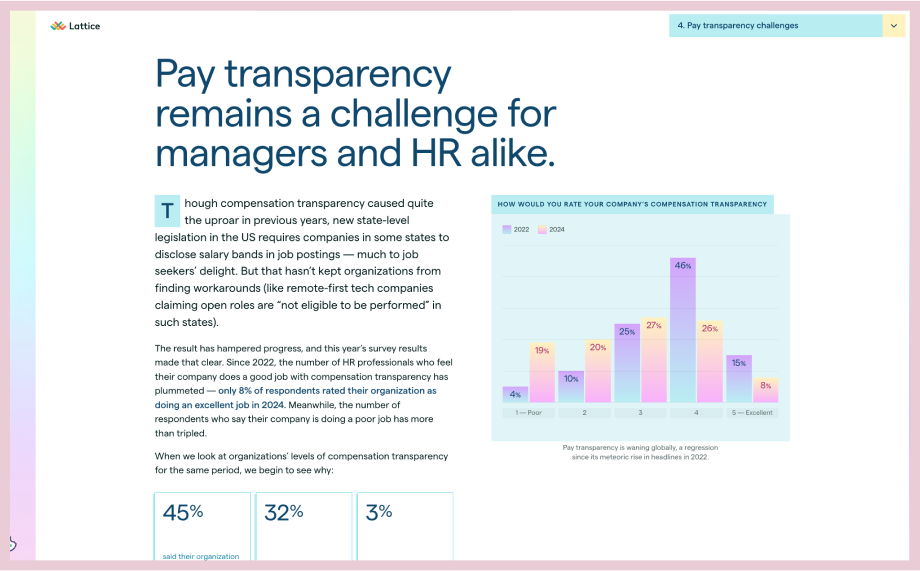
It also brings expert opinions to the forefront, with quotes peppered throughout the landing page:
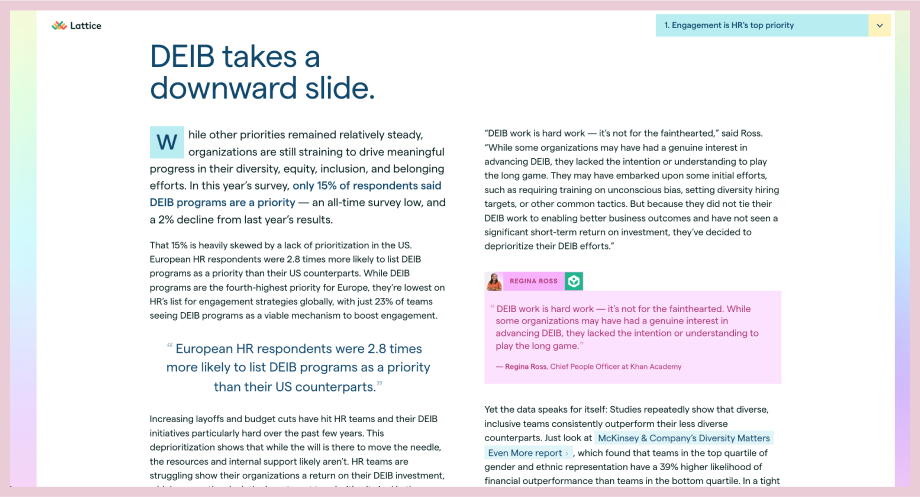
These visual elements, alongside the ability to scroll and click between different sections of the landing page, makes for a piece of original research content that users are likely to come back to again and again.
LinkedIn’s B2B Marketing Benchmarks
LinkedIn’s B2B Marketing Benchmarks report uses a creative twist to highlight the key insights and takeaways: a set of ‘marketing team of the future’ persona cards.

Each of these persona cards had a section of the report which expands on the topic they represent, with key data findings. This is for the ‘creative vanguard’ for instance.

I actually don’t think the full report is that great an example of original research – it’s a little bit style over substance. But I love this creative way that the findings are summarised, so its made it to the list.
Stripe’s product experiment blog
Stripe’s blog ‘Testing the impact of buy now pay later’ is a great example of original research content that doesn’t need to be a huge lift.

The premise of the blog centres around a question from a real-world Stripe customer:
‘Last year, one of our users—Yuval Shwager, the head of product at Mixtiles—came to us with a question: “We want to offer buy now, pay later (BNPL) options, but how do we know they won’t add checkout friction or cannibalize our card volume?”’
Stripe answered the question through an experiment: running A/B tests on 150,000 payments sessions, with half showing buy now pay now (e.g. Klarna, Afterpay) as an option, and half not.

It’s original research content, but to answer a single objection or question raised during the sales process – answering the question whilst also providing a snapshot of genuinely interesting data insights from Stripe’s product.
Ravio’s Compensation Trends report
Ravio is a compensation management platform which includes real-time compensation benchmarking data and market trends.
Ravio’s data is its strength – offering more accurate, more reliable, more up-to-date compensation data than anyone else. Showcasing that strength is an important goal of Ravio’s content strategy and brand voice – highlighting data insights through educational content, as well as within the product.
An annual Compensation Trends report is one way of doing this.

The report shares the most important trends and insights as HR teams head into compensation review season – such as hiring rates, attrition rates, typical salary increases, etc.

Ravio’s own data is coupled with a survey to find out key priorities and barriers for HR teams, adding additional insights to support the narrative.
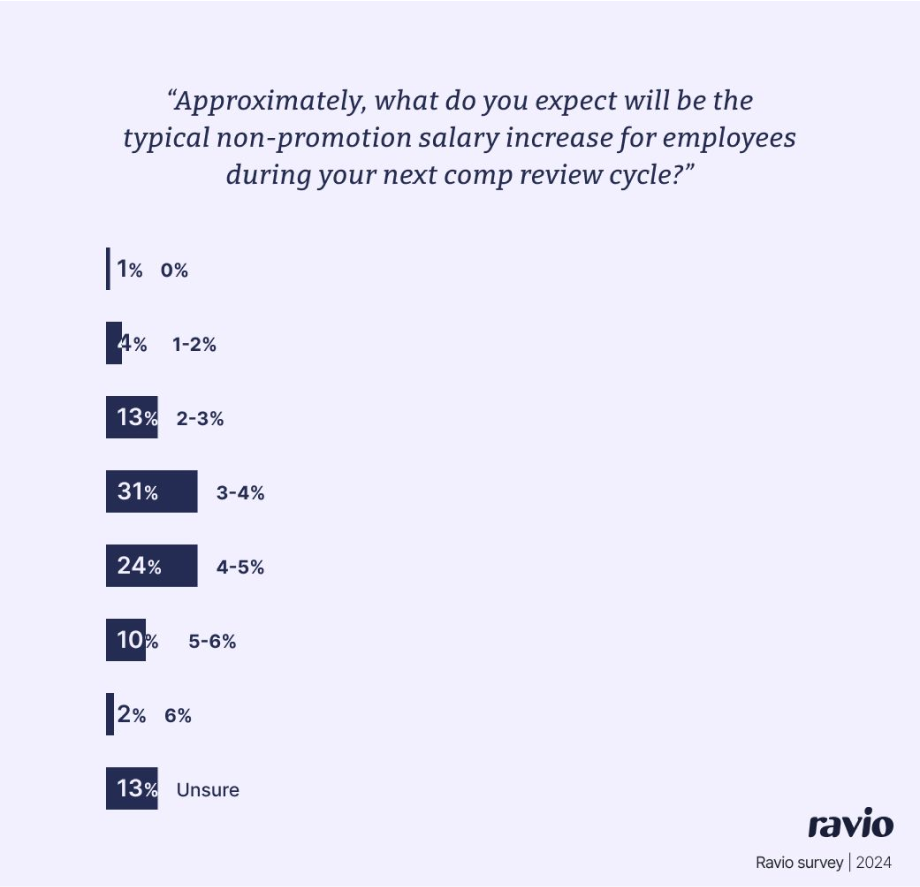
It has become an important brand touchpoint for Ravio, with the report expected by the market and resulting in a major uplift in traffic and interest in the Ravio platform.
Because of this, we’ve also developed themed reports which dive deeper into a particularly important topic.
For instance, in early 2024 we published the Ravio Pay Equity report to share insights from Ravio’s data on the gender pay gap and representation of women in tech – a topic that is becoming more and more important with the introduction of pay transparency legislation like the EU Pay Transparency Directive.

Klarna’s landing page reports
In the argument of to gate or not to gate, Klarna seems to be on the ‘not to gate’ side of the debate. They regularly publish original research in the form of landing pages which share key findings on a topic – such as the checkout or the money management pulse.
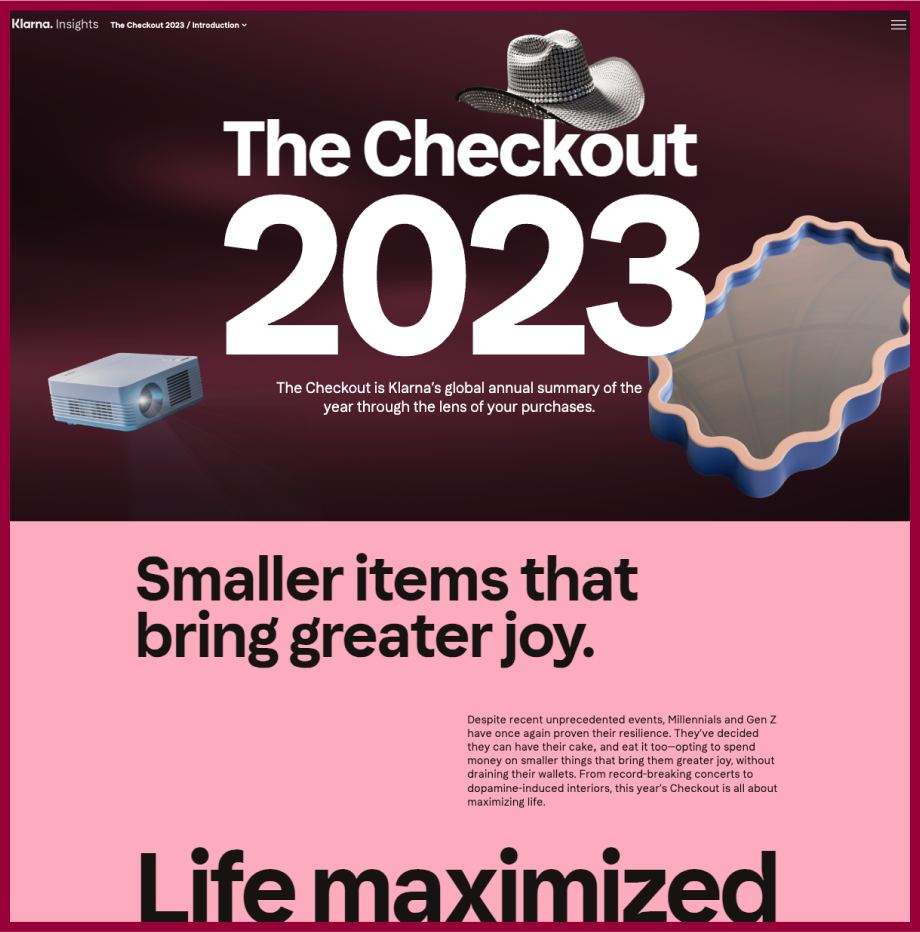
The landing pages make for a snappy way for users to identify interesting findings, whilst also giving Klarna the SEO benefits that come with having original research content in an indexable format.
Figma’s Decode the Developer report
Figma is a design tool.
When used by product designers, Figma forms the bridge between designer and developer. The designer produces the prototype on Figma, ready for the developer to implement.
There can be a tricky working relationship at play here, with frustrations from the designer when the developer doesn’t do their design justice, and frustrations from the developer when the design isn’t code-ready.
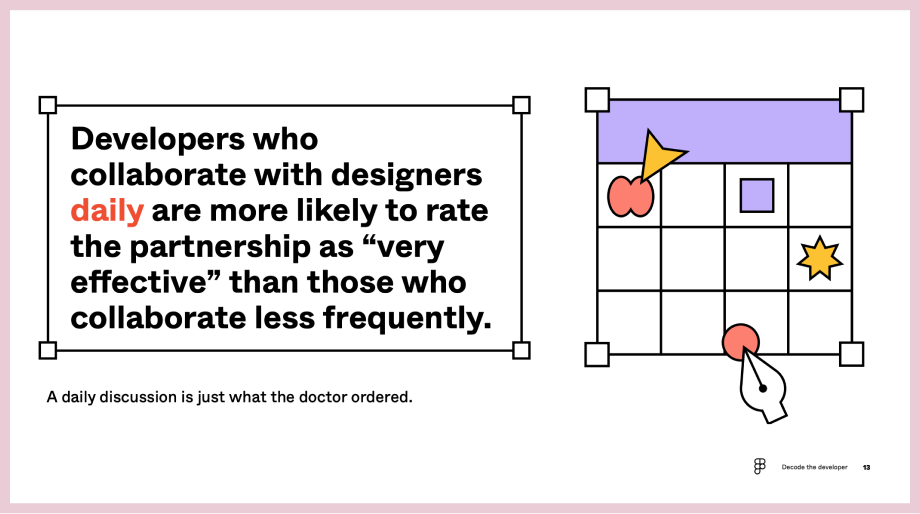
Figma’s Decode the Developer report addresses that pain point with a report that highlights the key challenges, the benefits of designers and developers working together more effectively, and how to go about that – all insights gained through a survey of front end developers.

I like this report because it’s full of actionable insights and it targets a clear pain point that they know impacts their primary target audience of product designers.
Kamma’s bespoke analysis for PR
Kamma felt that trade PR was an important channel for them to increase brand awareness and generate leads.
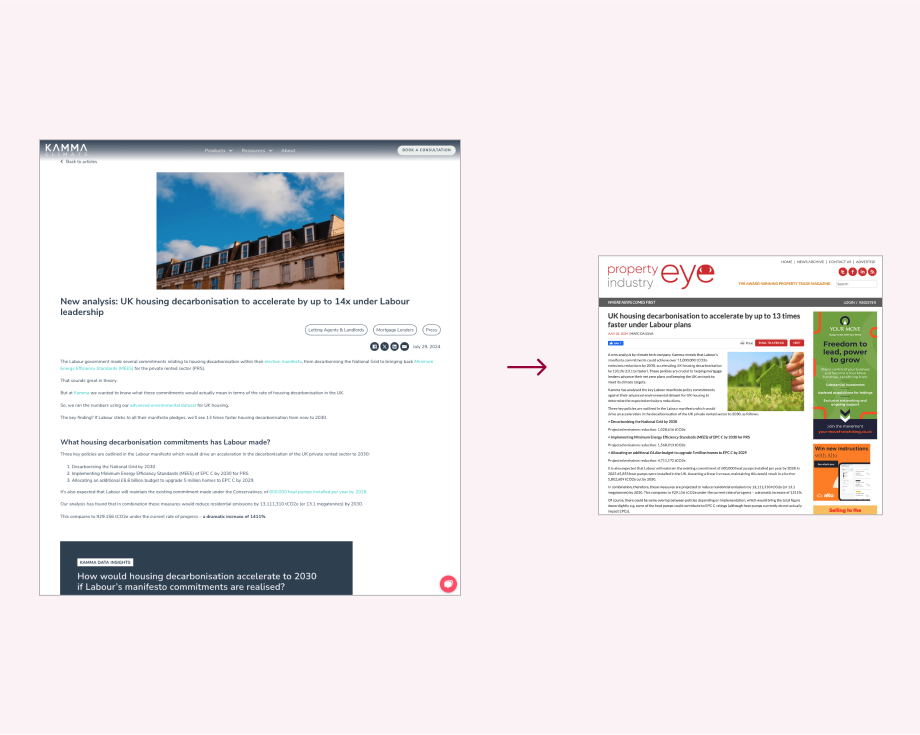
Kamma is a climate data provider, and so has an internal database that gives the perfect foundation for bespoke data analysis to provide journalists with headline-worthy press releases – which is exactly what I executed for them.
Examples include ‘New analysis: cost to upgrade to EPC C easily achievable for 4 out of 5 mortgaged homes’…

And ‘New analysis: UK housing decarbonisation to accelerate by up to 14x under Labour leadership’.
Atomico’s State of European Tech report
Atomico’s annual State of European Tech report is a classic ‘state of’ industry style report – but it’s a good example of this style, because it’s an incredibly comprehensive and detailed analysis of the European tech industry.
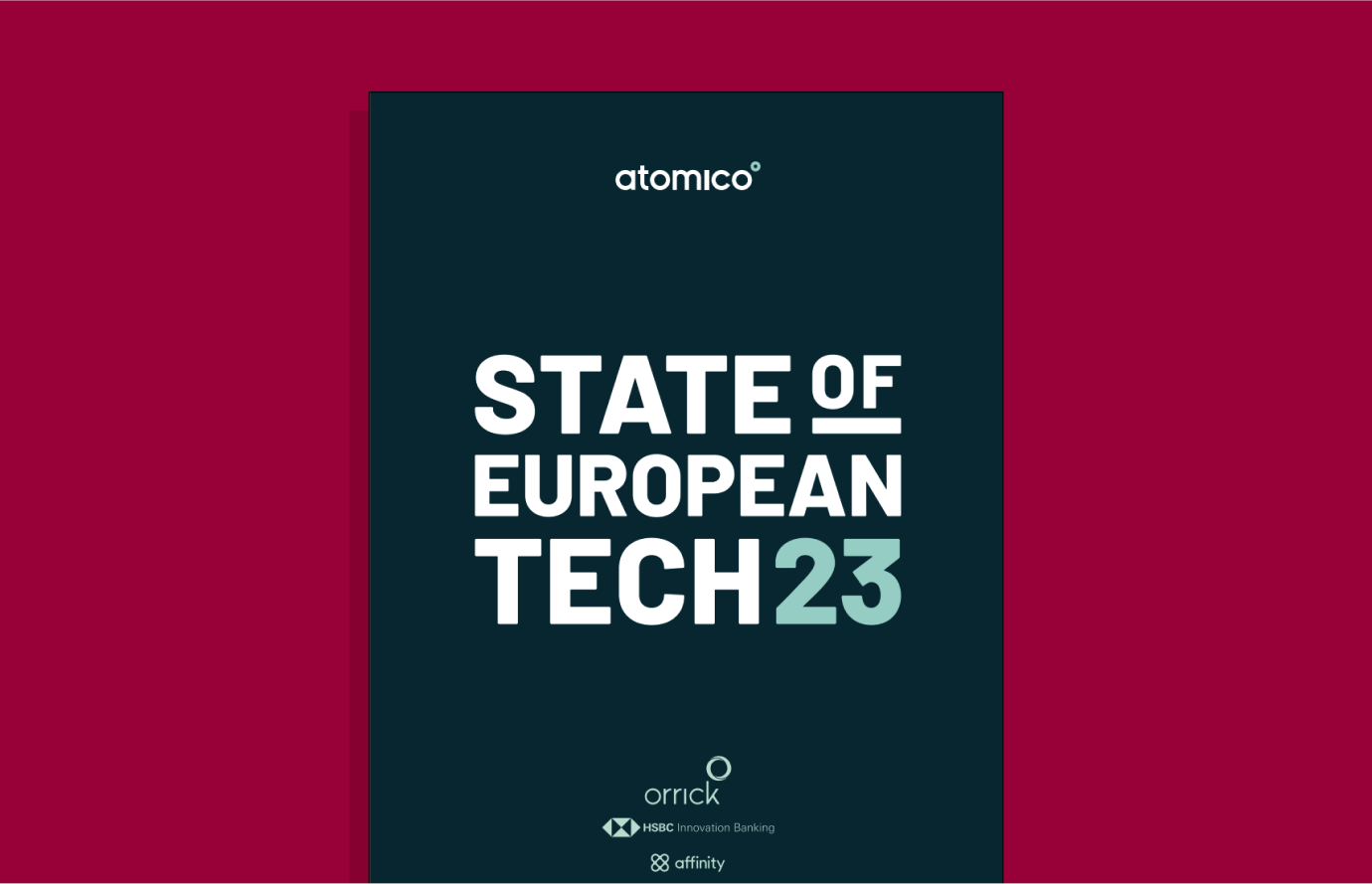
It’s particularly interesting because of how Atomico harnesses partners to produce the report. The 2023 report has a whole section dedicated to partners, because of how many partners and collaborators are involved in the project. This includes data partners (like Ravio) who provide data on various elements of the tech industry.

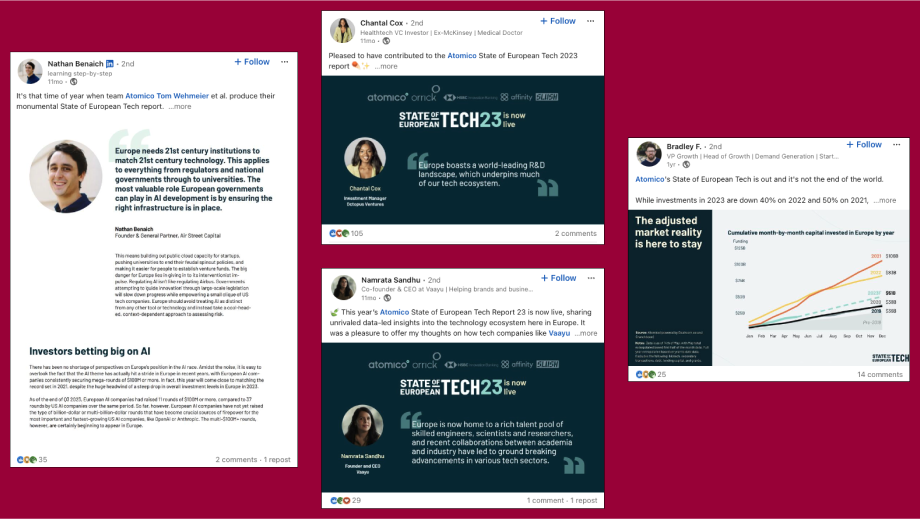
It also includes subject matter experts who are incorporated into the report throughout, commenting on key findings to add further insights via expert opinions and experiences.

Not only does this help to make the content of the report as high-quality as possible, it also supports the distribution of the report at publication, providing a whole host of partners and contributors to share the report and help to increase its reach.
 Tabitha Whiting: High-impact content for high-impact startups